
娜蒂莎·琼斯
简介Biography
娜蒂莎·琼斯(Natisa Jones)1989年出生于雅加达,在印度尼西亚的巴厘岛度过了大部分童年,目前作为视觉艺术家工作生活于荷兰阿姆斯特丹。她在泰国清迈获得了视觉艺术文凭,并在澳大利亚墨尔本皇家理工大学获得了美术绘画学士学位。通过写作、绘画与影像作品,琼斯将个人经历与创作实践之间建立了极为紧密的联系。她的大量实践可以被看作一种自我反思式的练习,其中迫切与坦诚在创作中扮演了重要的角色。在这个过程中,私人的、孤立的自我,以及作为集体当中的自我,能够彼此之间相互观照。琼斯的创作介于抽象与具象之间,通过定期对于文本的整合,她试图检视人与人之间关系的双面性,并以此探究身份的意义。
Born in 1989 in Jakarta, Natisa Jones is a visual artist who works between Bali, Indonesia where she spent most of her childhood growing up,and Amsterdam, Netherlands where she is currently based. Natisa completed a Visual Arts diploma studies in Chiang Mai Thailand and a bachelor’s degree of Fine Arts Painting in RMIT University - Melbourne, Australia. Through the process of writing, drawing, painting, and video, Natisa establishes a tightly-knit relationship between her personal experience and her creative practice. Much of her practice is an exercise in self-reflection where urgency and candour play a significant role in creating work. A process where the private, isolated self, and the self as part of a collective, are able to confront one another. Fluctuating between abstraction and figuration, while regularly integrating text, Natisa seeks to examine the dichotomy of human relationships and inquire into notions of identity.
Born in 1989, in Jakarta, Indonesia
BFA Graduated from Fine Arts Painting in RMIT University, Melbourne, Australia
Currently lives and works in Amsterdam and Bali
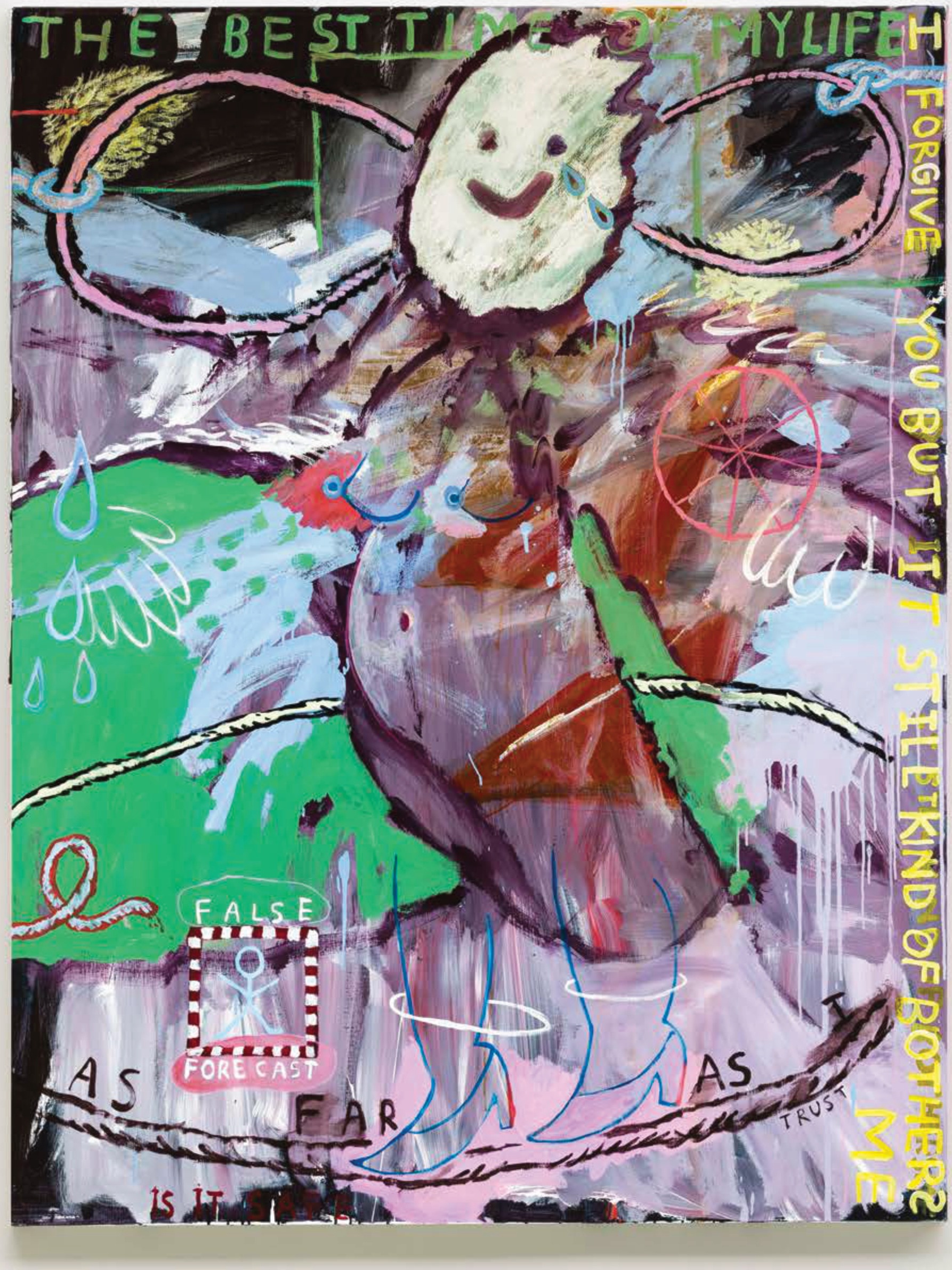
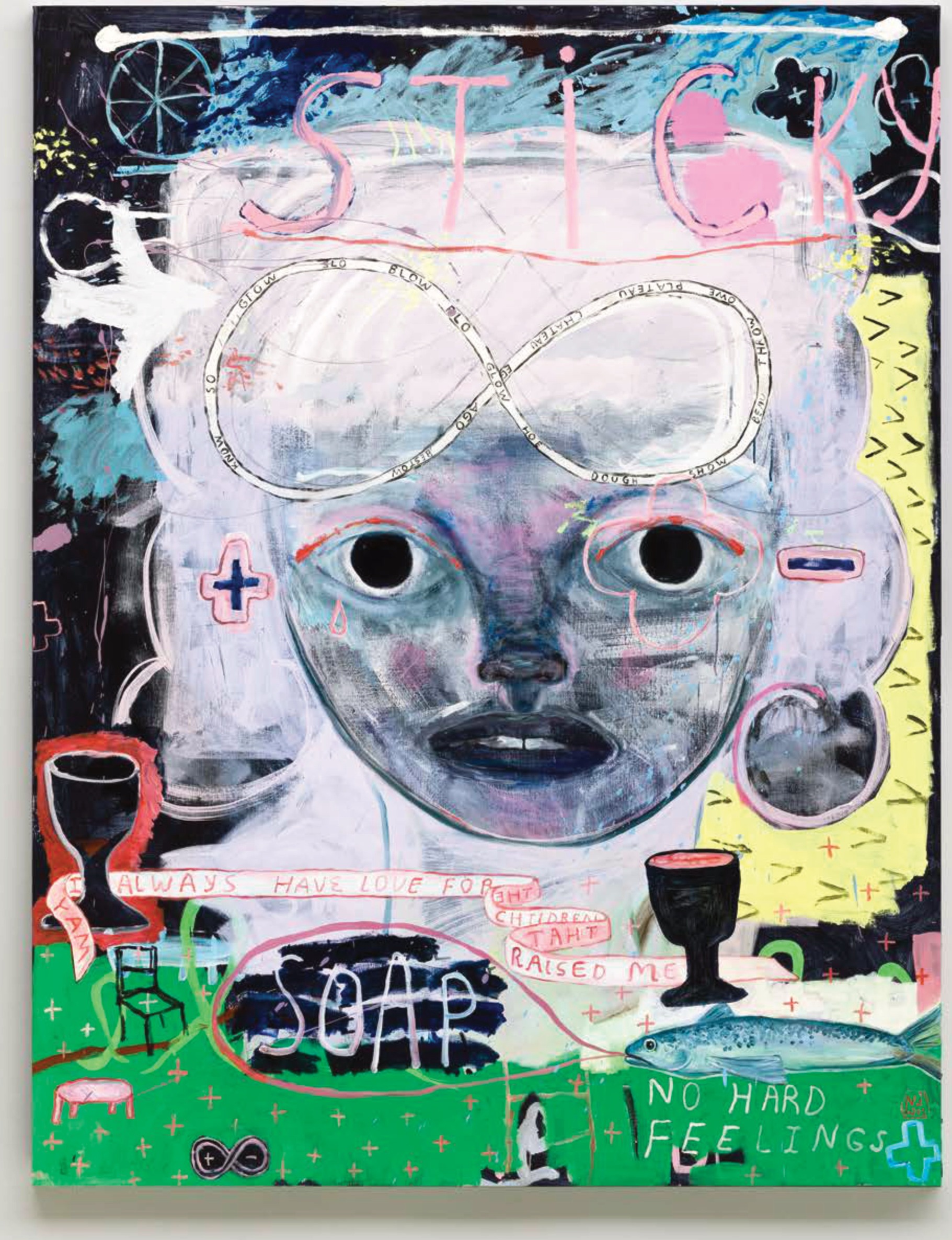
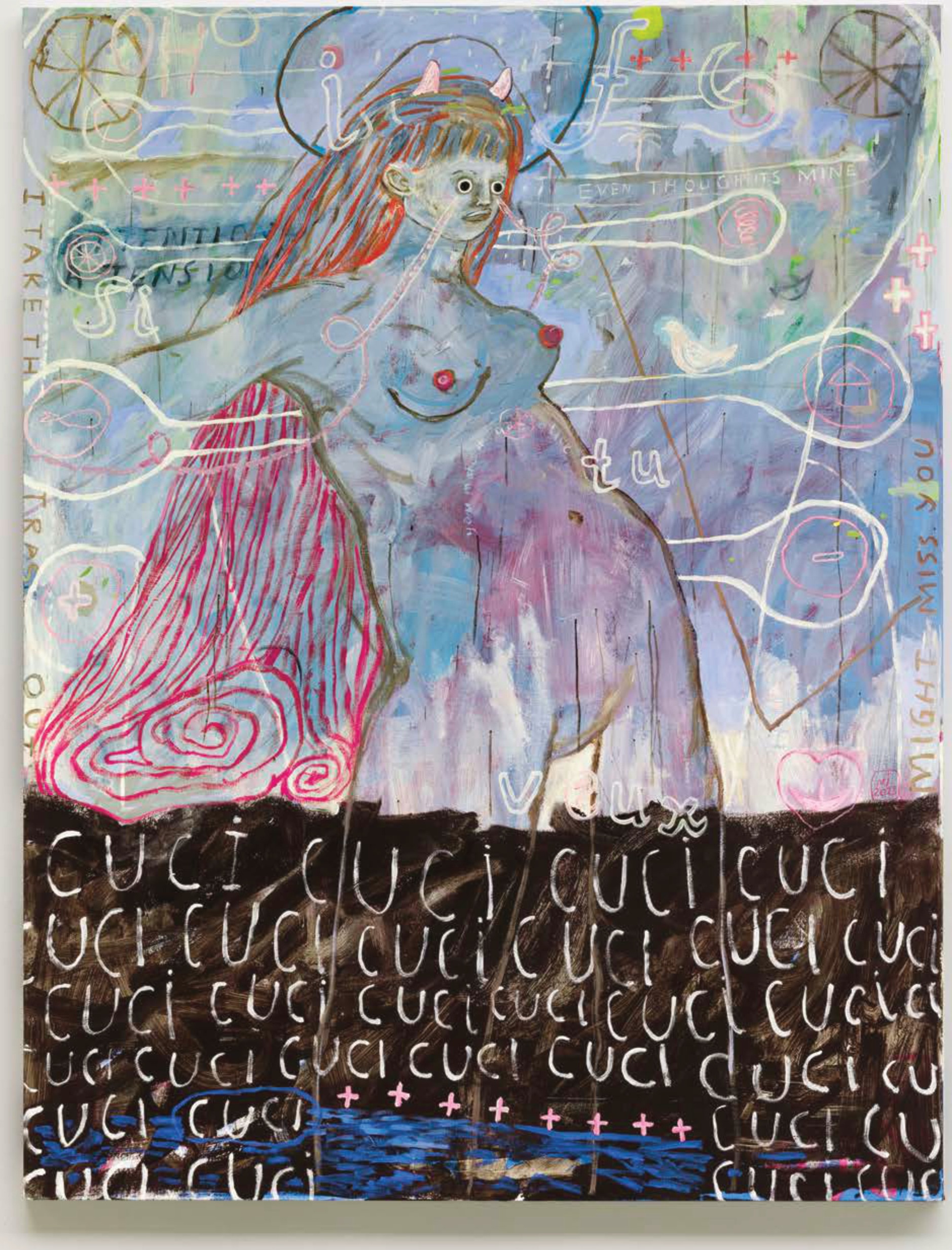
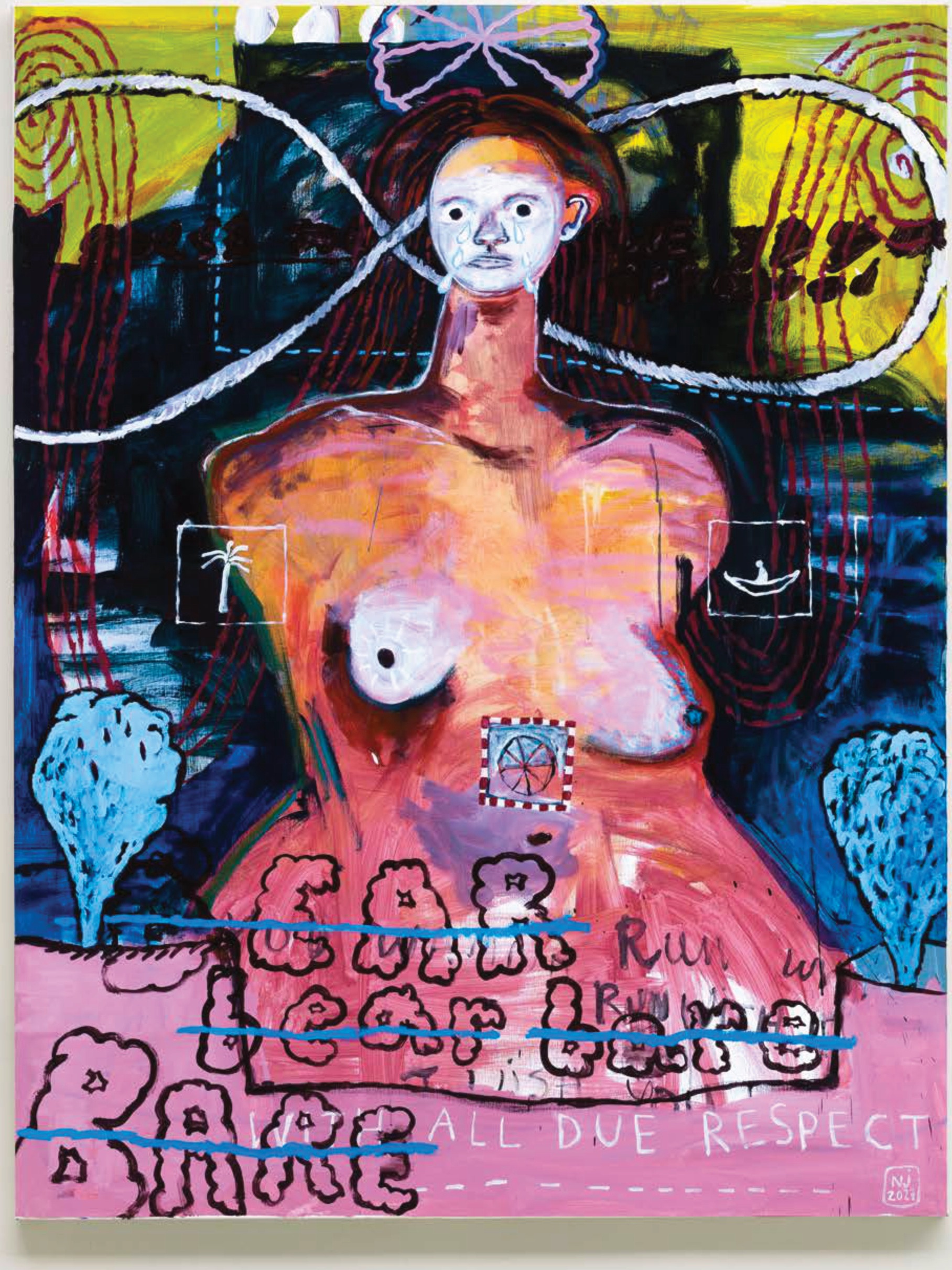
代表作Selected Works
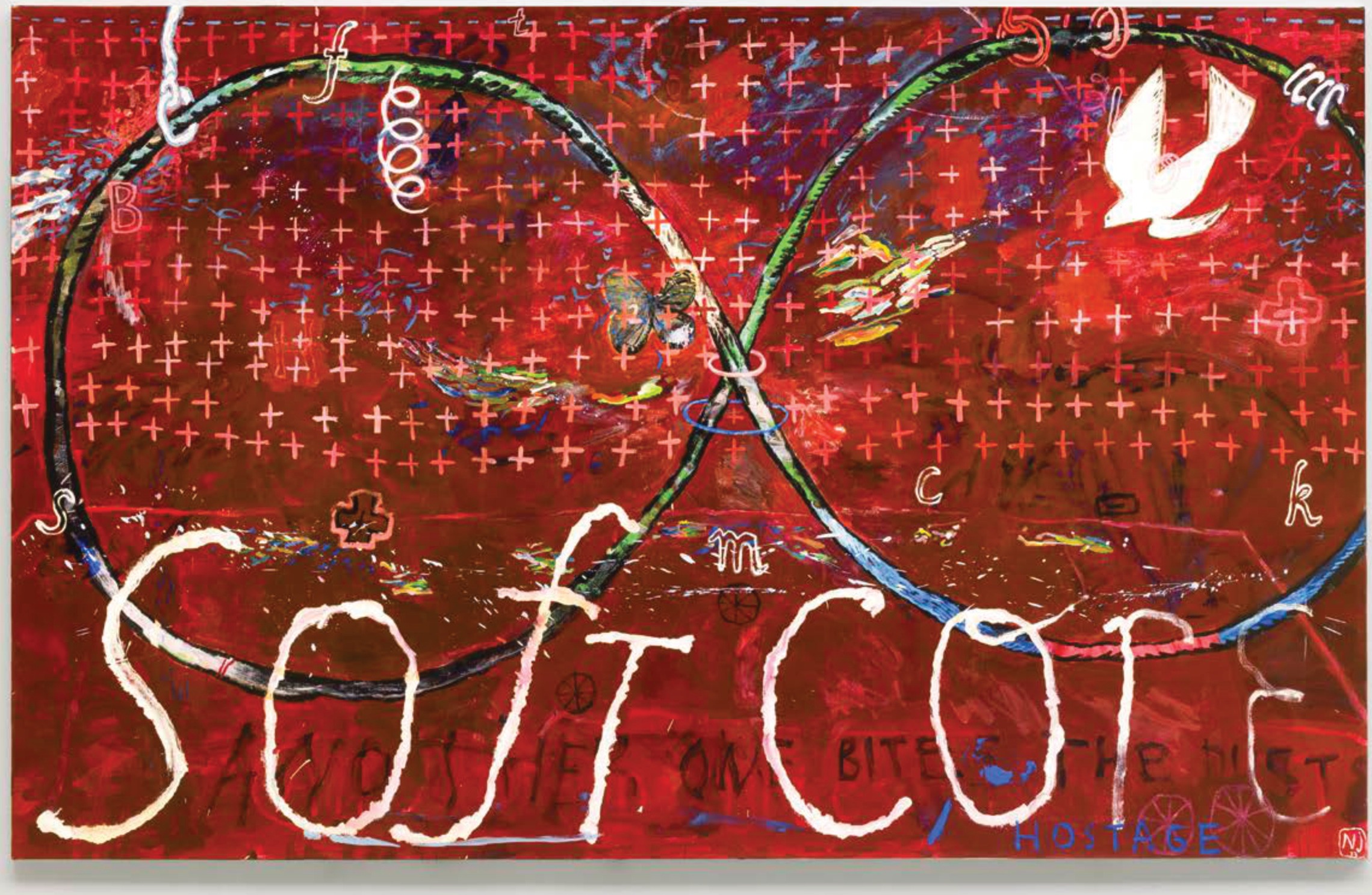
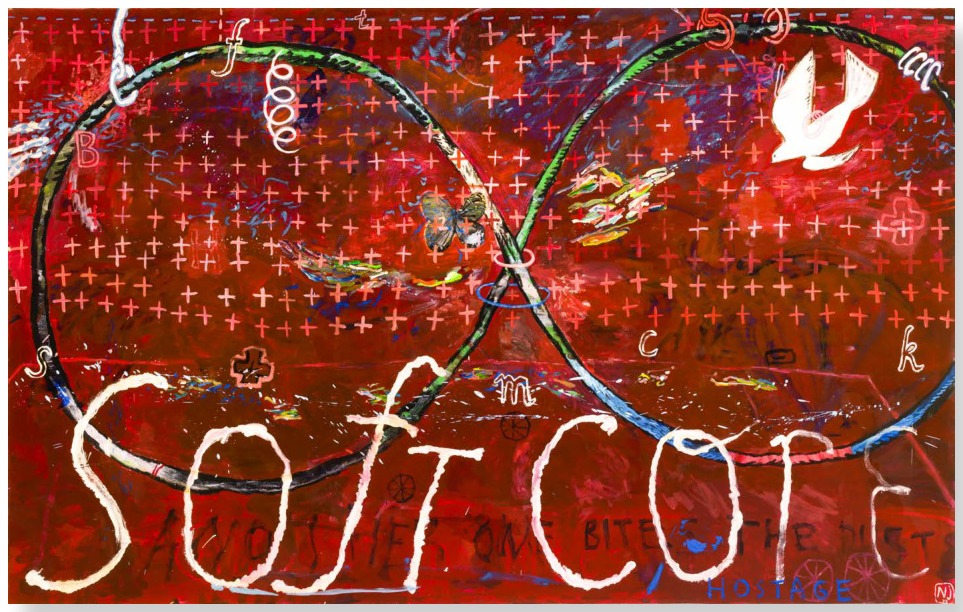
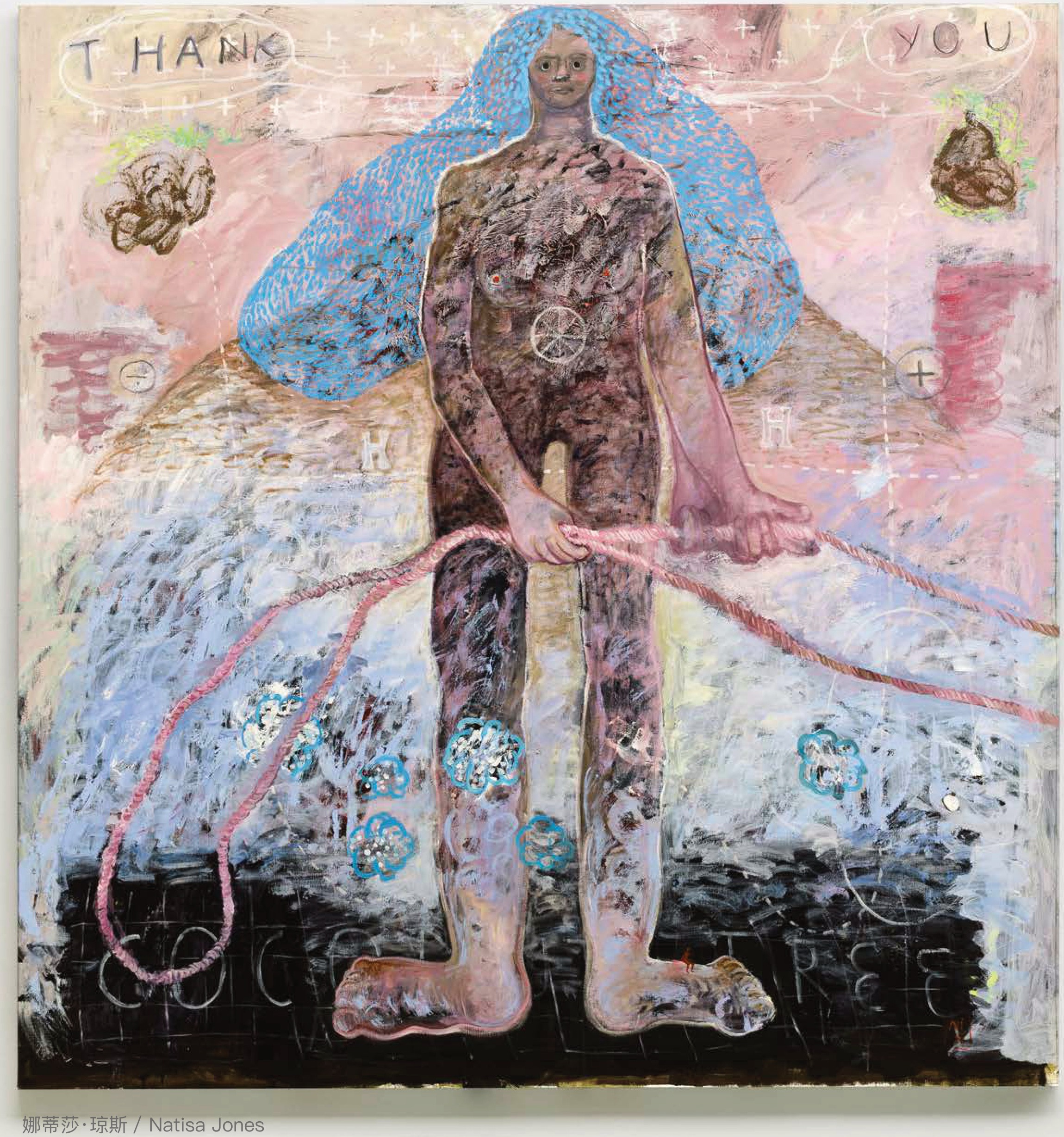
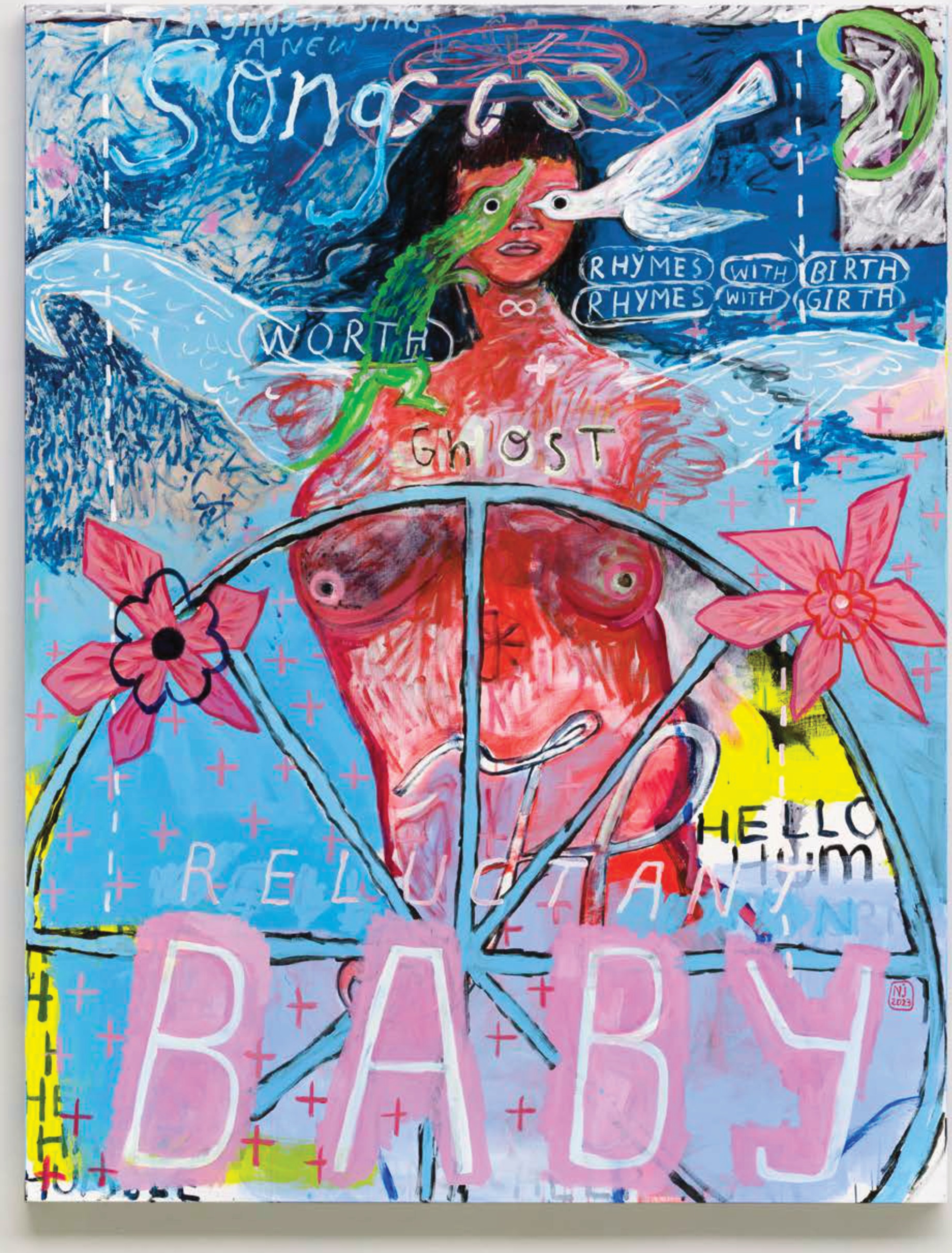
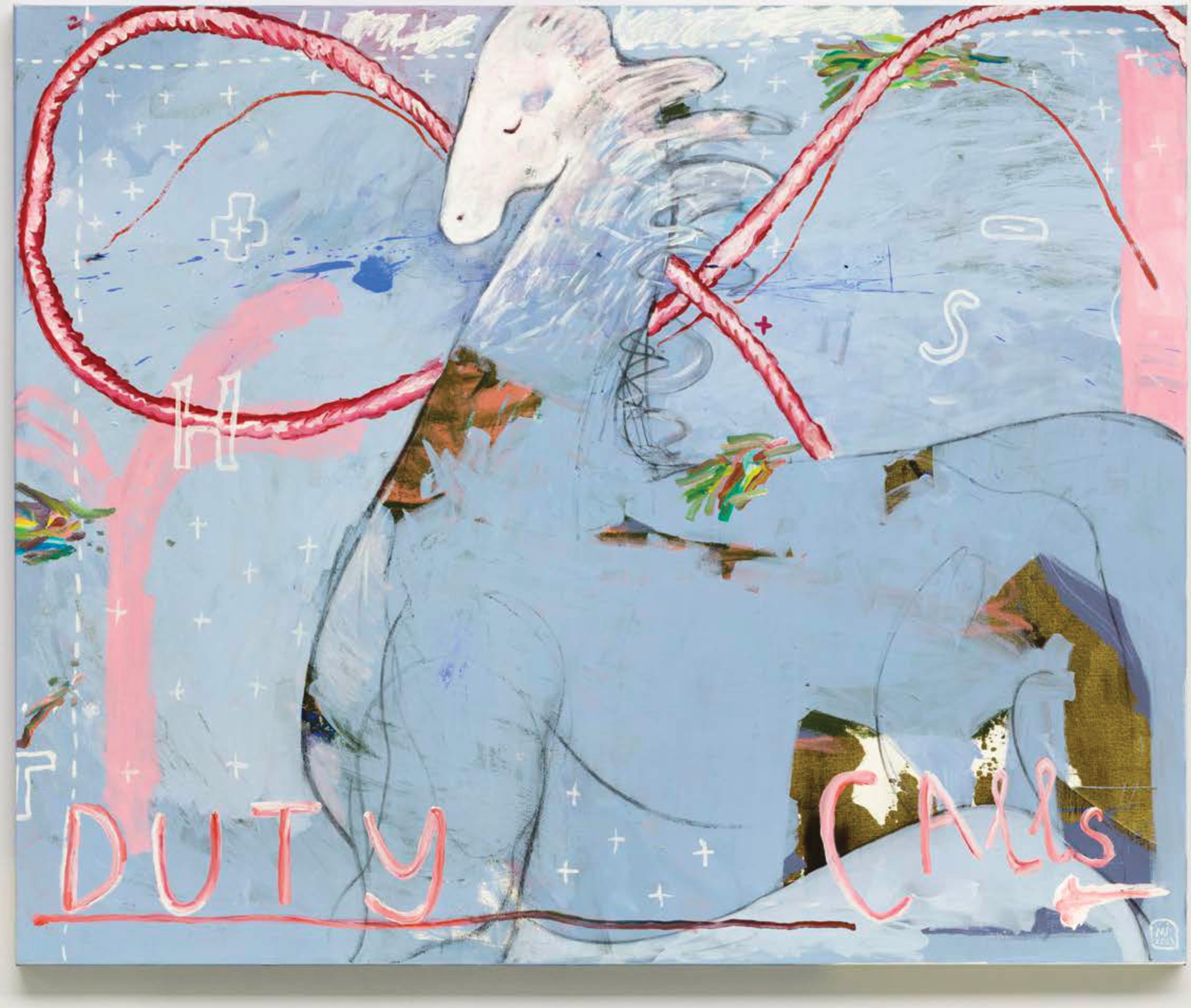
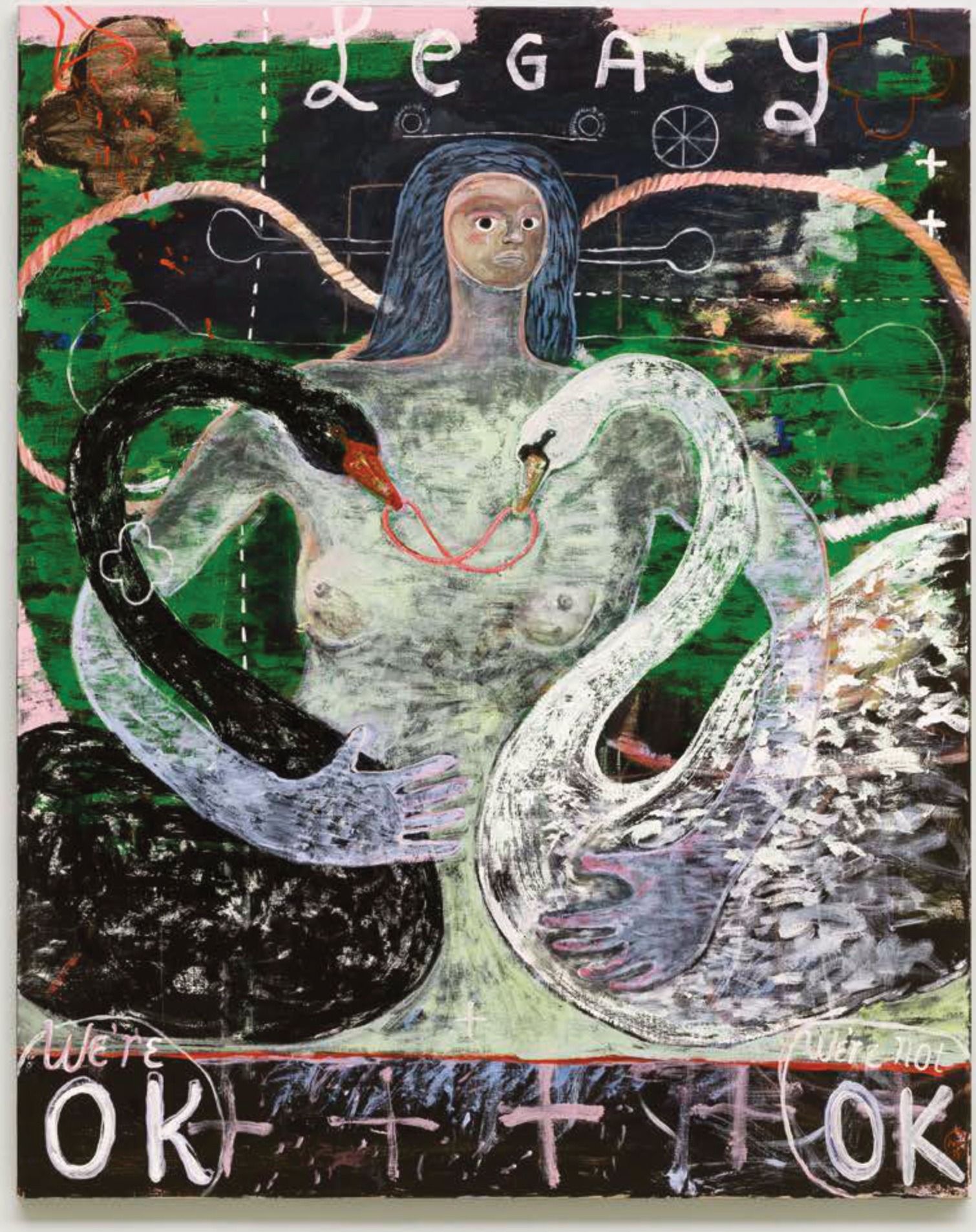
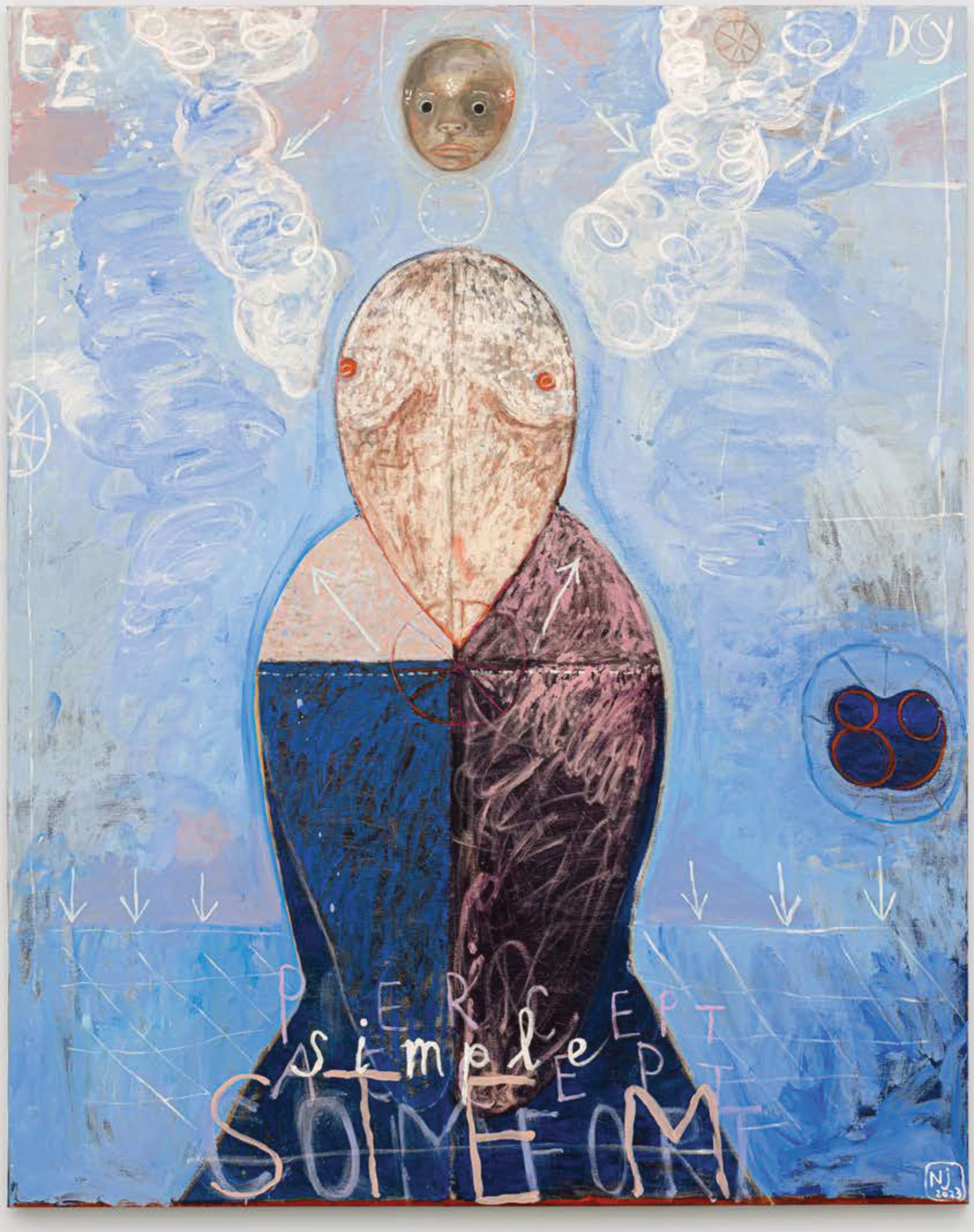
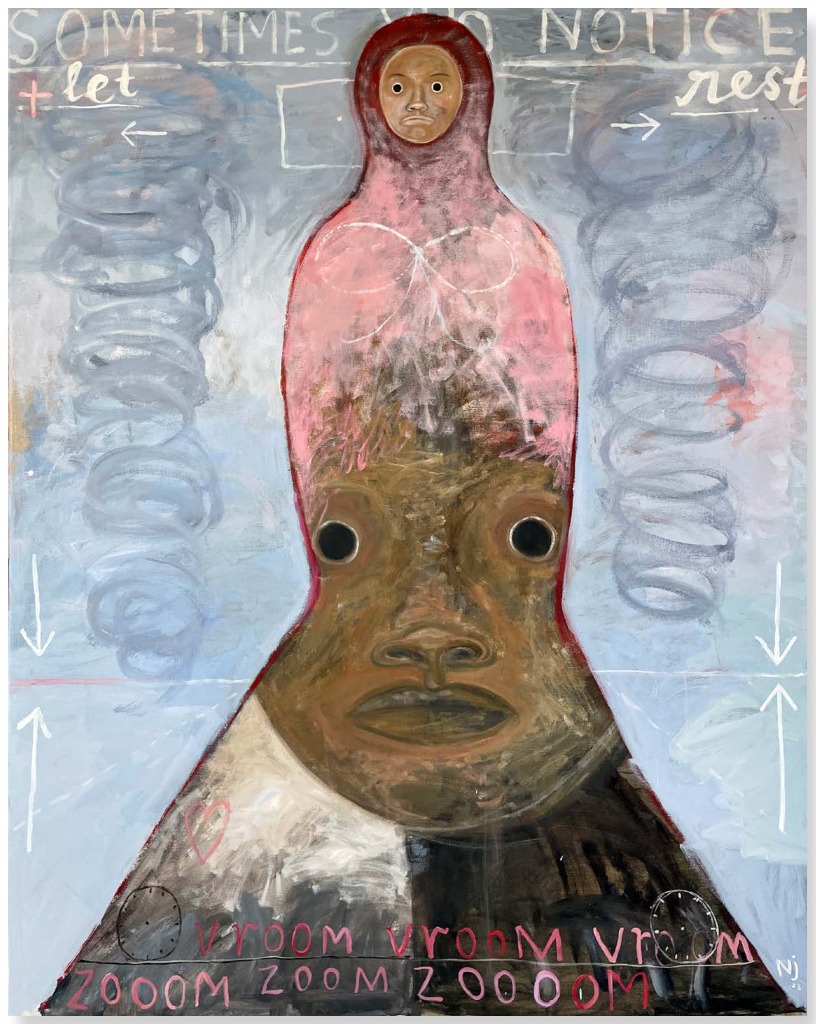
展览履历Exhibitions
- 2026阿弥壳北京市朝阳区酒仙桥路4号798艺术区E06 蜂巢 | 北京 · 蜂巢当代艺术中心
- 2024乳牙蜂巢 | 上海 · 蜂巢当代艺术中心
- 2022直到成为一座火山 个展蜂巢当代艺术中心
- 2022故事中的故事 群展金鹰美术馆
- 2021Sensing Sensation 群展Semarang Gallery
- 2021Despite The Havoc 群展HATCH Art Projects
- 2020Between Analog & Digital 群展Hatch Art Projects
- 2019Untouchable 群展Ciptadana 画廊
- 2019Love Is Never Lonely 群展Tony Raka 画廊
- 2018GOT PAPER ? 群展RUCI 艺术空间
- 2018GROTESK 群展Galeri Salihara
- 2017Self Explanatory 群展Dia.Lo.Gue Art Space
- 2016Contemporary Art Bali 群展Langgeng Art Foundation
- 2016Tough Romance 群展RUCI 艺术空间
- 2015Illustration and Drawing II 群展BIASA 画廊
- 2014Portraits from The Stalk Room 群展BIASA 画廊
- 2013ARE WE THERE YET? PART II 群展SoTo
艺见洞察ArtMatters Insights
代表作与创作Selected Works & Style
平台档案已匹配到娜蒂莎·琼斯(Natisa Jones,1989—)。以下回答中,事实类信息(简历、代表作、常用媒介与题材)来自“结构化艺术家档案数据”;创作脉络与风格阐释部分,结合本次展览文章上下文作背景补充。
**代表作(据平台档案收录的2023年作品)**
包括但不限于:《软核》《感谢椰子树》《我与它同行》《将垃圾扔掉》《当事情变得棘手,我会祈祷》《我尽全力唱一首新歌》《我原谅你,但依旧困扰》《使命召唤》《珍宝 II》《珍宝 I》《遗赠》等。
这些作品多以布面丙烯、墨水、石膏底等材料完成,部分使用亚麻布面。
**创作特点**
1. **自我反思式实践**:琼斯将个人经历与创作紧密联系,创作被看作一种“自我反思式的练习”,强调迫切与坦诚;在这一过程中,“私人的、孤立的自我”与“作为集体一部分的自我”彼此观照。
2. **介于抽象与具象之间**:她的绘画在抽象与具象之间摆动,并定期在画面中整合文本,以此检视人与人关系的双面性,探究身份的意义。
3. **粗粝、生涩、稚拙的画面语言**:文章背景指出,琼斯并不追求精致、平滑与完整,作品常显得粗粝、生涩而稚拙,情感浓度极高,通过多重视觉元素的勾连与组合释放。
4. **潜意识驱动与意象反复变体**:创作往往从混沌的抽象笔触和大面积色块开始,以当下身体感知为诱饵等待形象被捕获;反复出现、不断变体的意象与符号,共同塑造其绘画生命体。
5. **绘画作为“过渡性空间”**:文章进一步补充,绘画之于琼斯是介于内心世界与外部世界之间的“过渡性空间”,她借此建立与自身及万物的连接。
综上,琼斯的创作兼具个人内省与情感强度,其作品在抽象与具象、文字与图像、私密经验与集体身份之间持续展开。
**Natisa Jones** (b. 1989, Jakarta) is an Indonesian visual artist based in Amsterdam, with a practice spanning painting, drawing, writing, and video.
**Representative works** include recent paintings such as *Soft Core* (软核, 2023), *I Thank the Coconut Tree* (感谢椰子树, 2023), *When Things Get Sticky I Say a Prayer* (当事情变得棘手,我会祈祷, 2023), *I Learn to Unravel Part II* (学着解脱之二, 2023), and *Treasure I / II* (珍宝 I / II, 2023). Her works are predominantly made with acrylic and gesso on canvas or linen, often incorporating charcoal, ink, and mixed media.
**Creative style:**
Natisa Jones works between abstraction and figuration, frequently integrating text into her compositions. Her painting is rooted in a self-reflective practice in which personal experience, emotional candor, and the tension between the private self and the collective self play central roles. Her visual language is deliberately raw, unpolished, and childlike, carrying intense emotional charge through layered imagery and recurring, evolving symbols. Rather than being rationally organized, her compositions emerge through subconscious painterly action—beginning from chaotic abstract marks and broad color fields, then gradually capturing figures and motifs. Conceptually, her work explores identity, memory, time, cultural identity, and the body, often functioning as a "transitional space" between inner and outer reality.
展览与收藏Exhibitions & Collections
根据平台结构化艺术家档案,娜蒂莎·琼斯(Natisa Jones)的展览经历如下:
- 2026年,“阿弥壳”,蜂巢当代艺术中心(北京798艺术区)
- 2024年,“乳牙”,蜂巢 | 上海(蜂巢当代艺术中心)
关于收藏机构,平台结构化档案中暂无相关记录。不过,根据文章上下文提供的信息(非平台档案),其作品被以下机构收藏:
DIOR(法国)、和美术馆(广东)、WoodOne博物馆(广岛)、IRIS艺术博物馆(苏州)、车库艺术博物馆(莫斯科)、三菱集团(日本)、华为(深圳)、轻井泽新美术馆、日本南城美术馆、中央美术学院美术馆、德国Galerie99、元典美术馆、树美术馆、达美美术馆、依恋集团、韩国顺天市文化中心等。
According to the available artist profile:
- **Exhibitions:** Natisa Jones has exhibited at Hive Center for Contemporary Art:
- *乳牙* (2024), Hive | Shanghai
- *阿弥壳* (2026), Hive | Beijing
- **Institutional collections:** The artist profile does not list any institutional collections of Natisa Jones’s work, so this information is not available in the database.