欧阳春
简介Biography
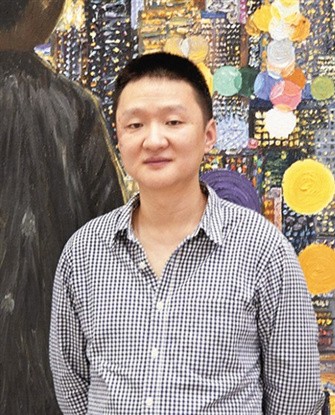
欧阳春(Ouyang Chun),1974年生于北京,1995年毕业于西安美术学院,现居北京。作为中国七十年代艺术家,他的作品呈现出独特的当代性,精神独立、层次丰富,每一笔都折射出充满激情与理想的创作状态。学院教育上的缺失使他凭着本性作画,没有艺术教育建构的习性,却拥有原始的生命力与灵气,以及对色彩的良好感觉。那些诗性的意象撩拨着70年代人的集体潜意识。欧阳春是个矛盾体,在以天真与感性的绘画吸引公众的同时,他本人却有相对复杂的生活经历和对艺术之路的理性思考。他中学辍学,曾与三教九流的混混打交道,这些人在其日后作品中化身为“罪恶”的代表。他的灵感主要来源于当代中国的自相矛盾和不和谐,着迷于真相以及有时伴随其间的残酷与荒诞。虚构和真实并置,绘画中细微之处显现他对精神纯粹性的追求,通过画笔直白叙述,无尽的情感传递至画面。笔触和色彩被实在的情感升华,在描述自我成长和生命史的同时,也向自身所处时代致以敬意。对艺术语言的理解以及对个人建构的追寻是其绘画特点。在2008年的装置《无穷柱》中,他将收音机、小鸟、死鱼、腊肉及高级手袋等近一百件物品穿在一根近20米高的柱子上,高高耸立在展览空间房顶,在毁坏的同时又纪念性地用长矛把它们伸向天空,日常世俗物品被赋予宗教层面的意义。出版有2008年《捕鲸记》(韩之演当代空间)和2007年《璀璨》(星空间)。
Ouyang Chun (b. 1974, Beijing) graduated from the Xi’an Academy of Fine Arts in 1995 and currently lives in Beijing. As an artist born in the 1970s, his work exhibits a distinctive contemporaneity, marked by spiritual independence and rich layering, with every brushstroke reflecting a creative state brimming with passion and idealism. A lack of formal academic training led him to paint according to his own nature; unencumbered by habits instilled by art education, he possesses a primal vitality and aura, as well as a keen sensitivity to colour. His poetic imagery stirs the collective subconscious of the post-1970s generation. Ouyang Chun is a bundle of contradictions: while his naive and emotive paintings attract the public, he himself has a comparatively complex life experience and a rational approach to his artistic path. He dropped out of secondary school and once mixed with drifters from all walks of life, figures who later incarnate ‘evil’ in his work. His inspiration largely comes from the self-contradictions and dissonances of contemporary China, fascinated by truth and the cruelty and absurdity that sometimes accompany it. Fiction and reality are juxtaposed; in the minutiae of his paintings, one discerns his pursuit of spiritual purity, expressed through a straightforward painterly narration that channels boundless emotion onto the canvas. Brushstrokes and colour are elevated by genuine feeling, recounting his own growth and life history while paying tribute to the era he inhabits. An understanding of artistic language and a search for personal construction define his painterly approach. In his 2008 installation Infinite Column, he threaded nearly one hundred objects—radios, small birds, dead fish, cured meat, luxury handbags—onto a pillar nearly 20 metres tall, which rose high above the exhibition space’s ceiling; simultaneously destructive and monumental, he impaled them on a lance stretching into the sky, endowing everyday, worldly items with religious significance. His publications include The Whale Hunt (2008, Han Zhiyan Contemporary Space) and Brilliance (2007, Star Gallery).
代表作Selected Works
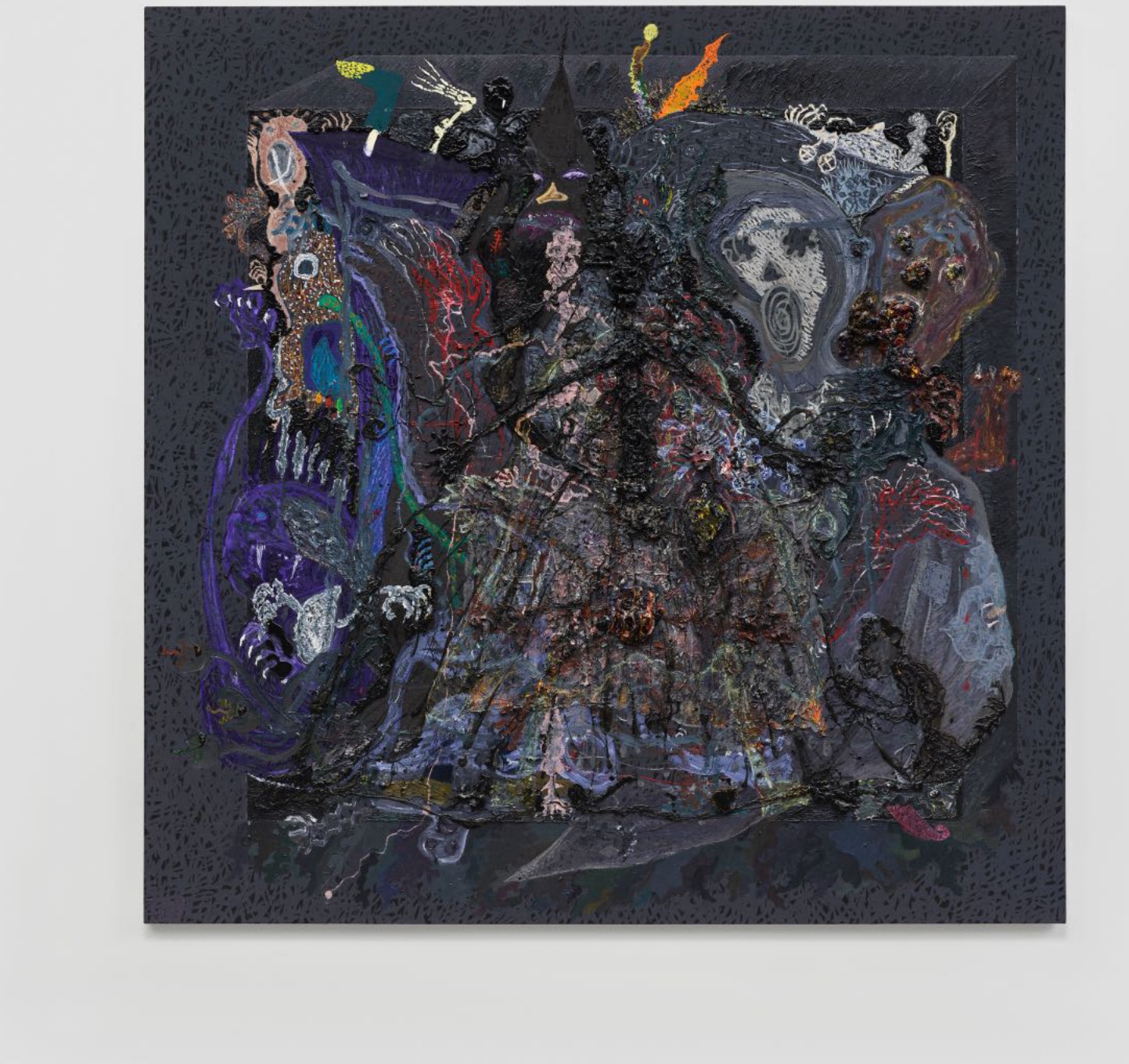
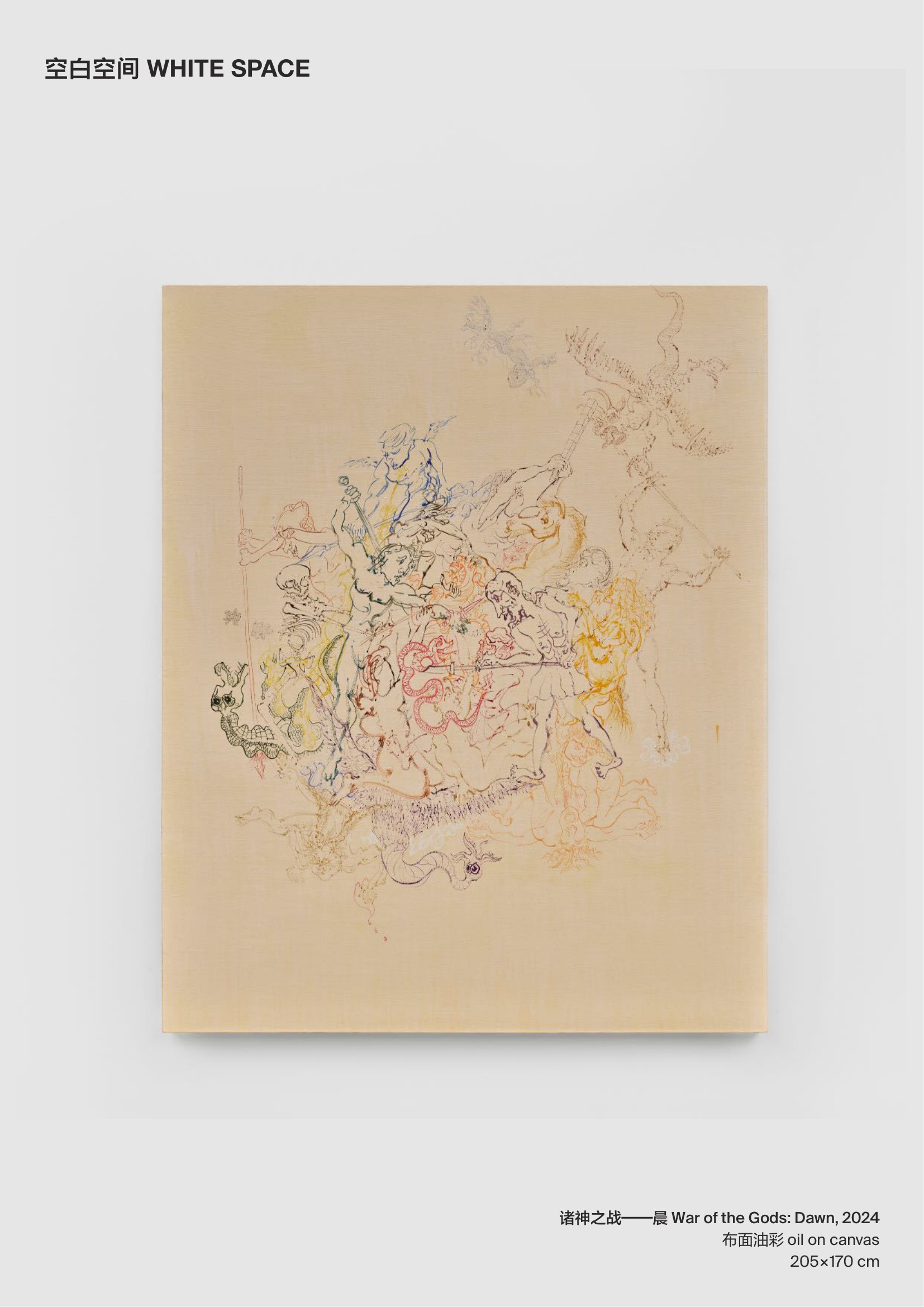
展览履历Exhibitions
- 2026涅槃798西街D01 · 空白空间
艺见洞察ArtMatters Insights
代表作与创作Selected Works & Style
欧阳春,1974年生于北京,1995年毕业于西安美术学院,现居北京。作为中国七十年代的代表性艺术家,他的创作呈现出一种独特的当代性。
**创作特点**
欧阳春的绘画精神独立、层次丰富。学院教育的相对缺失,反而使他能够凭着本性作画,作品充满了原始的生命力、灵气以及对色彩的良好感觉。他的创作灵感主要来源于当代中国的矛盾与不和谐,着迷于真相及伴随其间的残酷与荒诞。在绘画中,他将虚构与真实并置,在细微之处显现出对精神纯粹性的追求。他通过画笔进行毫不避讳的直白叙述,将无尽的情感传递至画面,笔触和色彩被真实的情感所升华。这些作品在描述自我成长和生命史的同时,也向自身所处的时代致以敬意。对艺术语言的深入理解以及对个人建构的追寻,是其绘画最显著的特点。
**代表作**
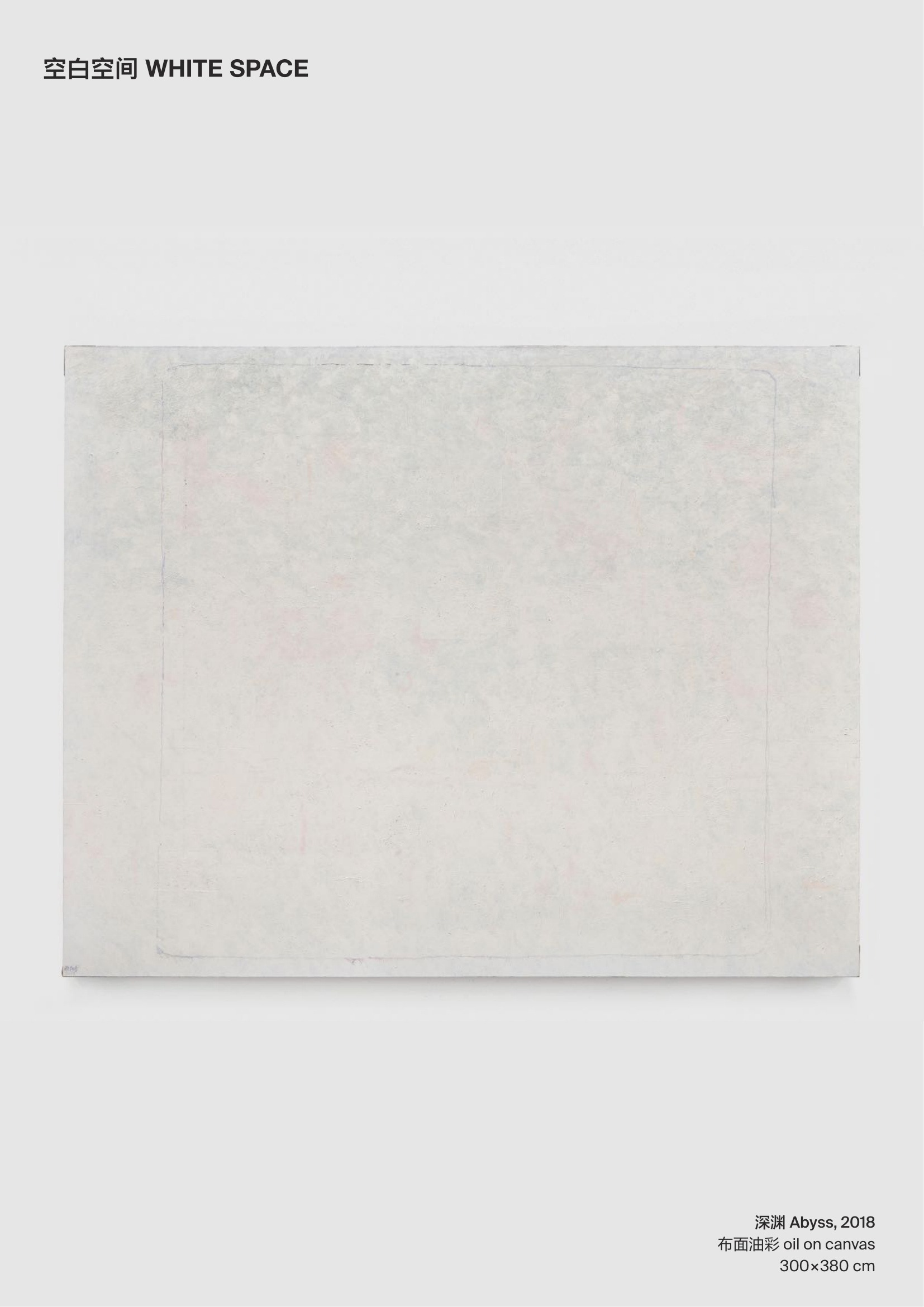
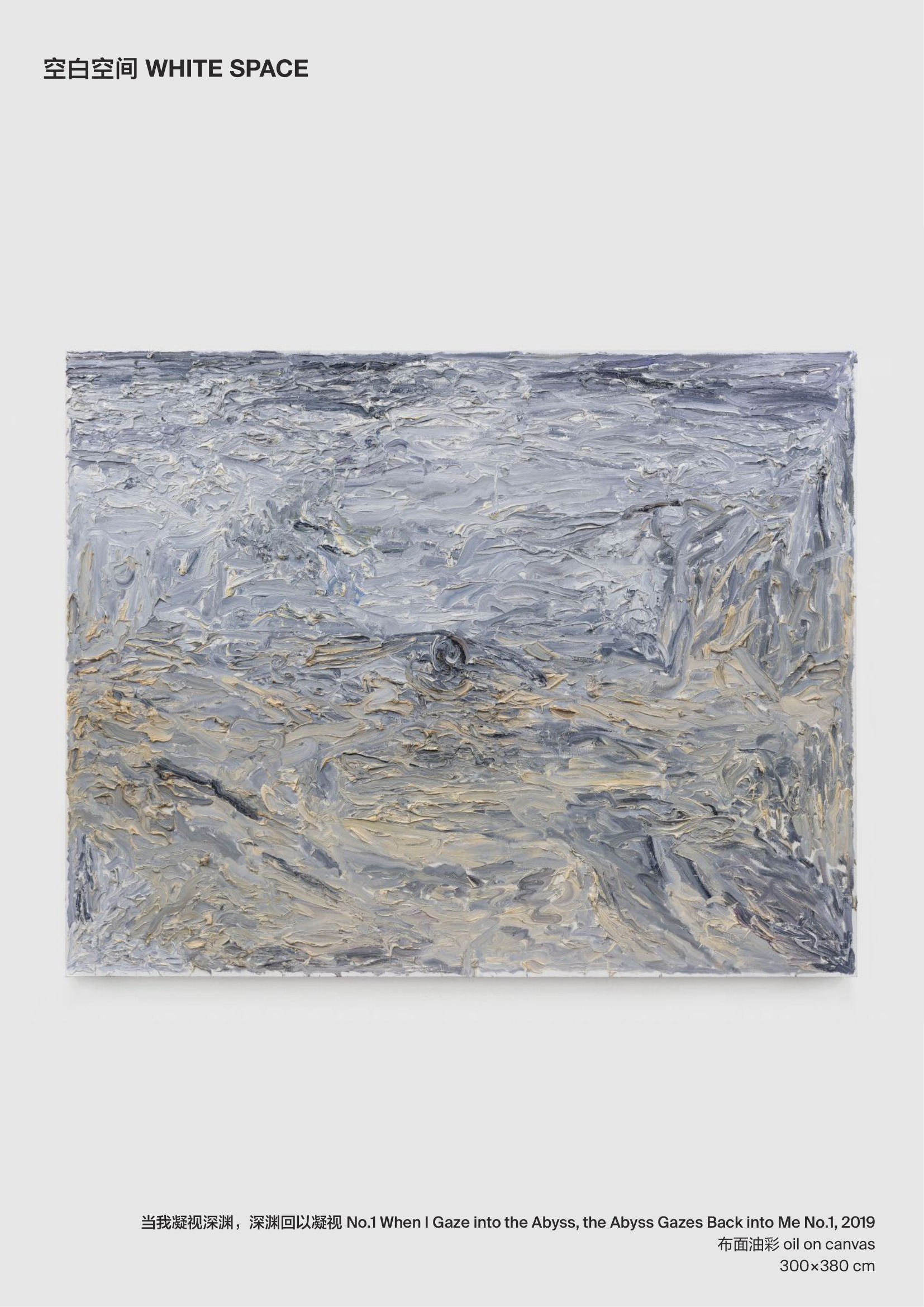
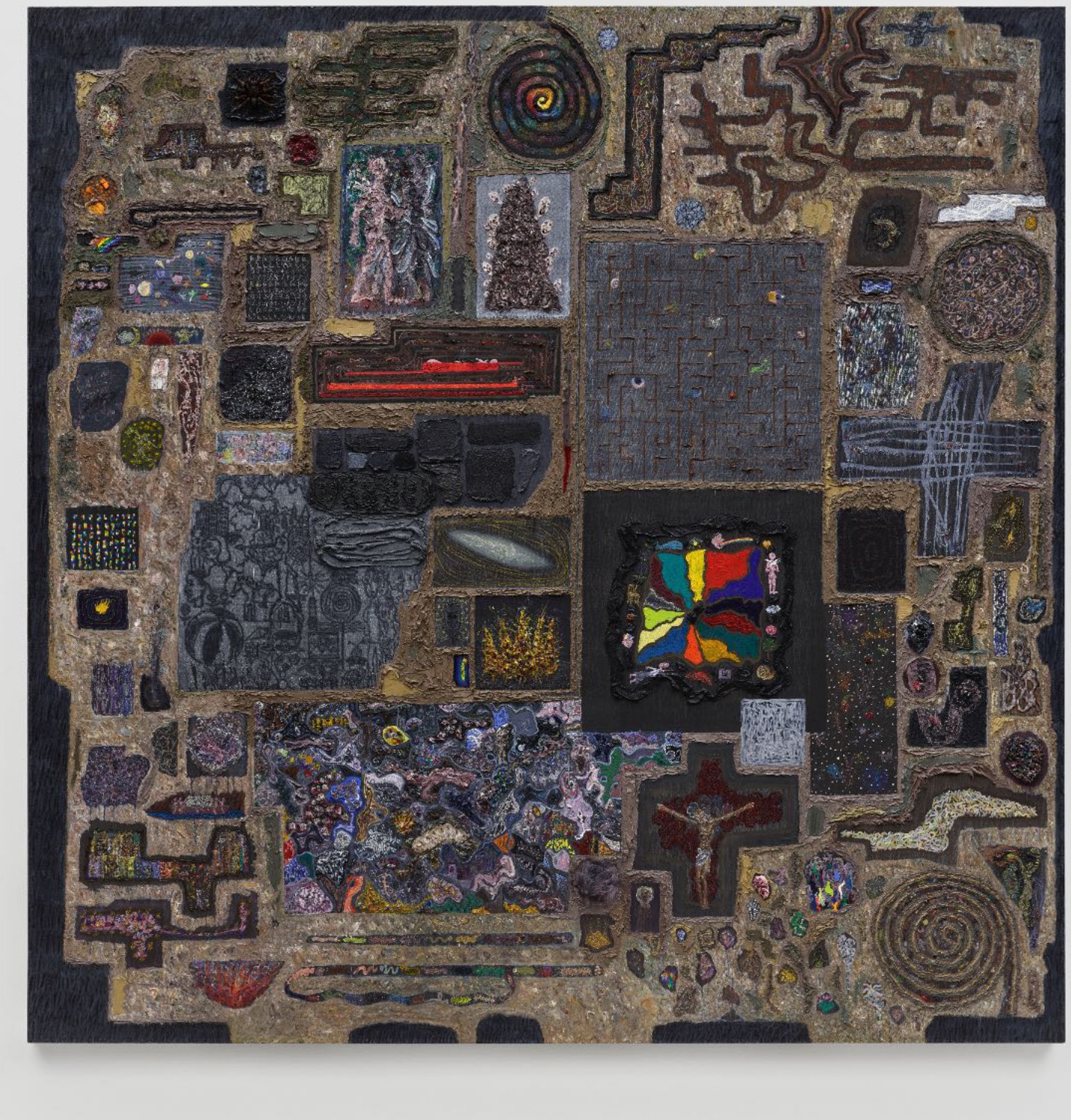
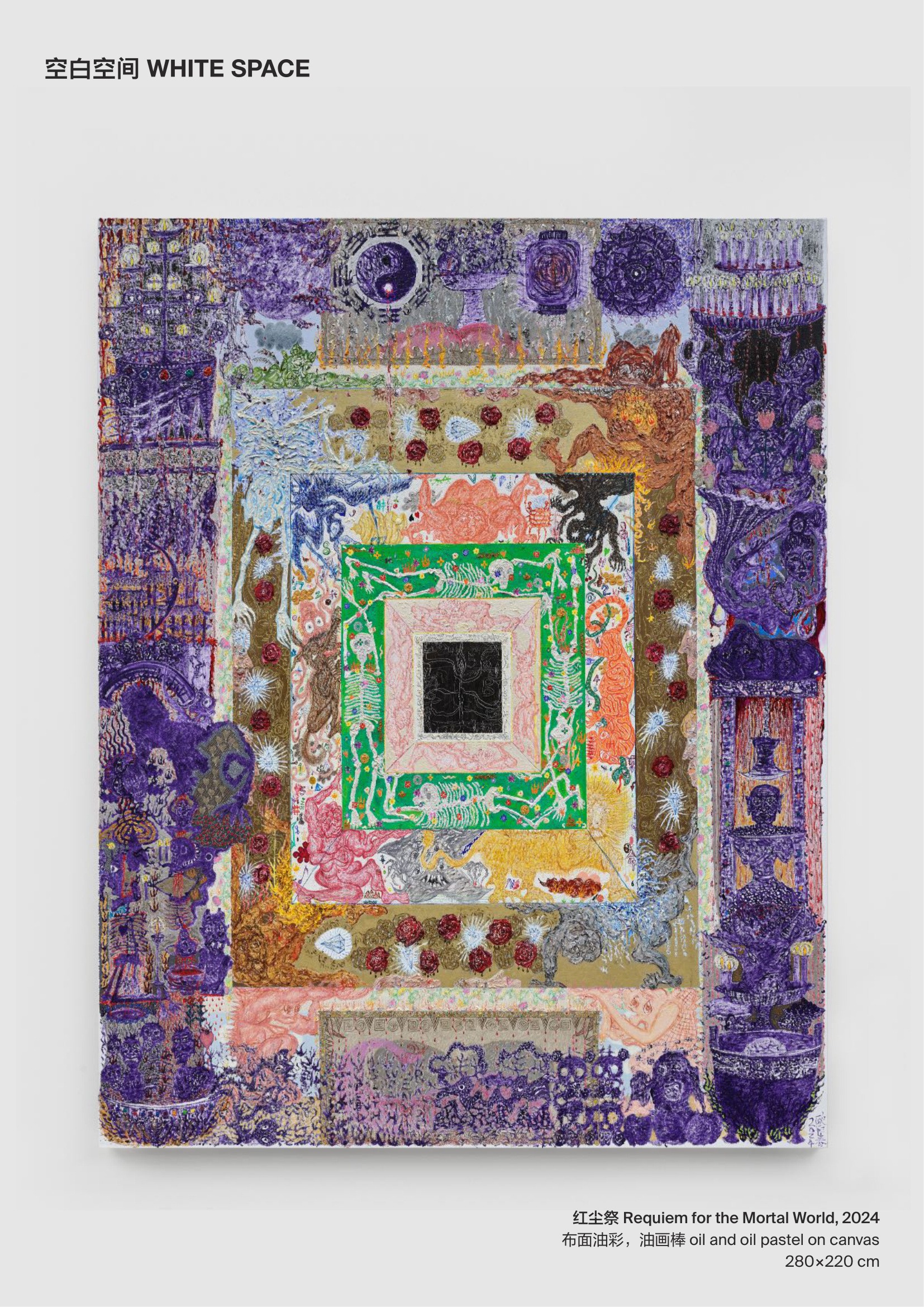
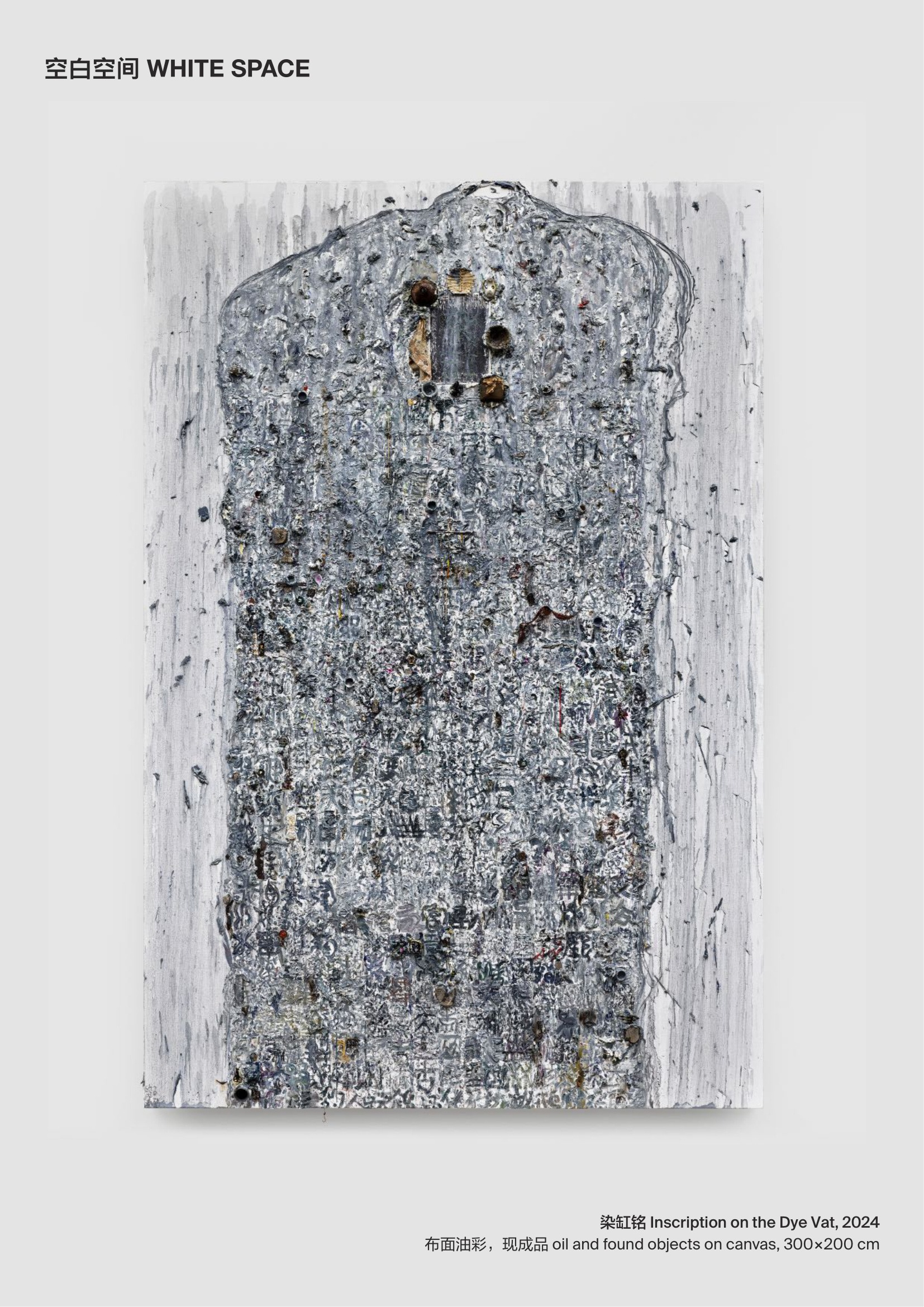
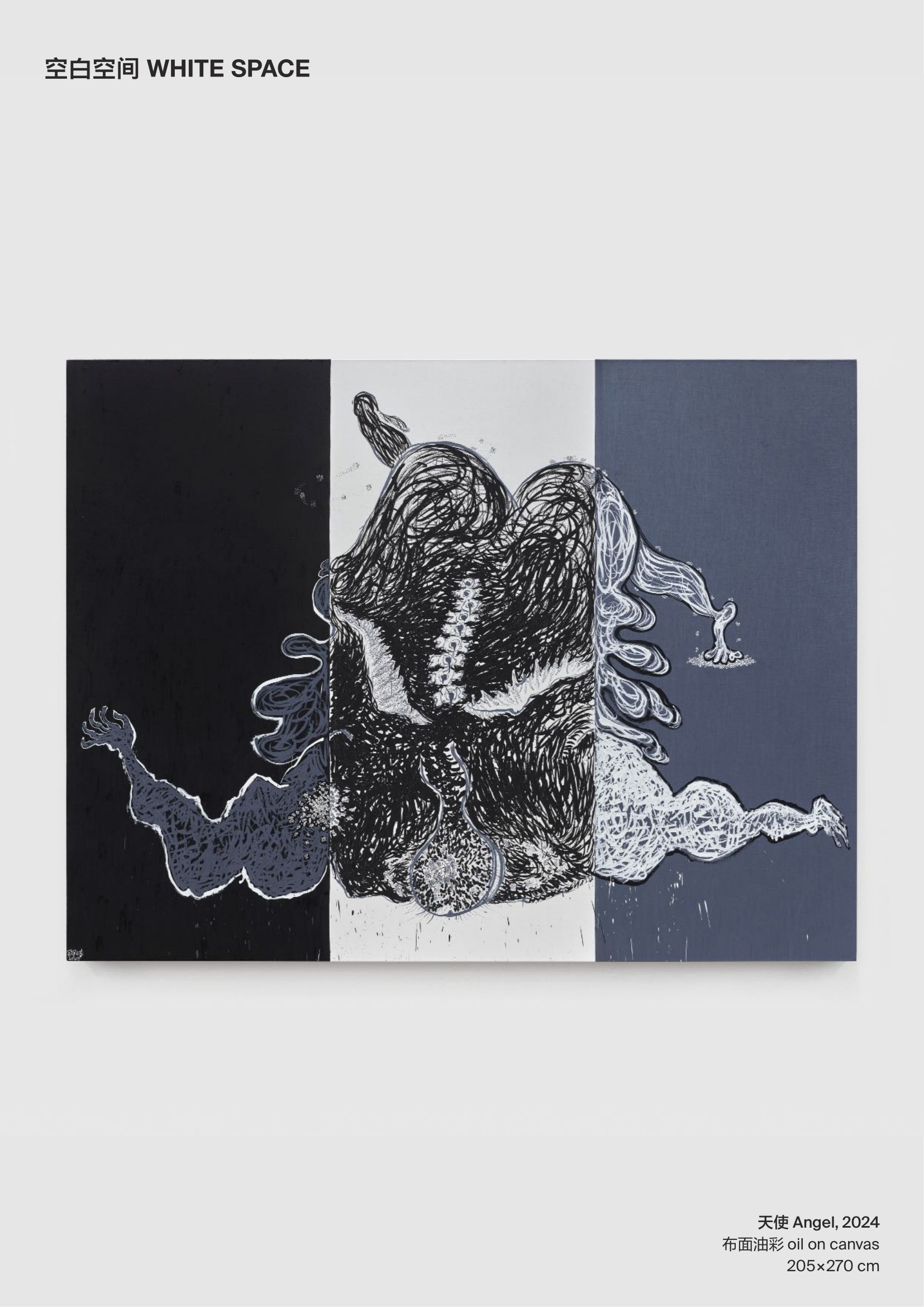
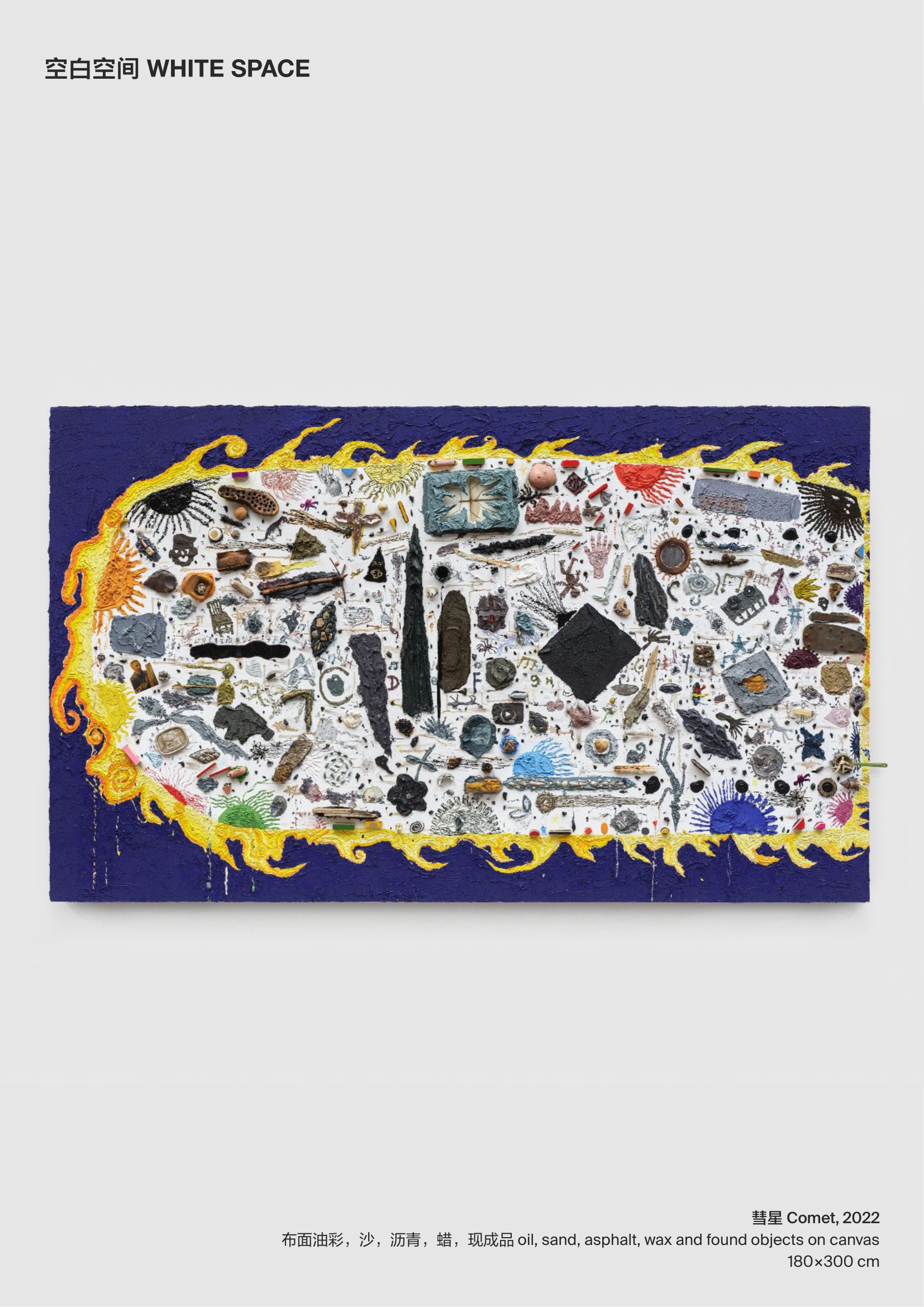
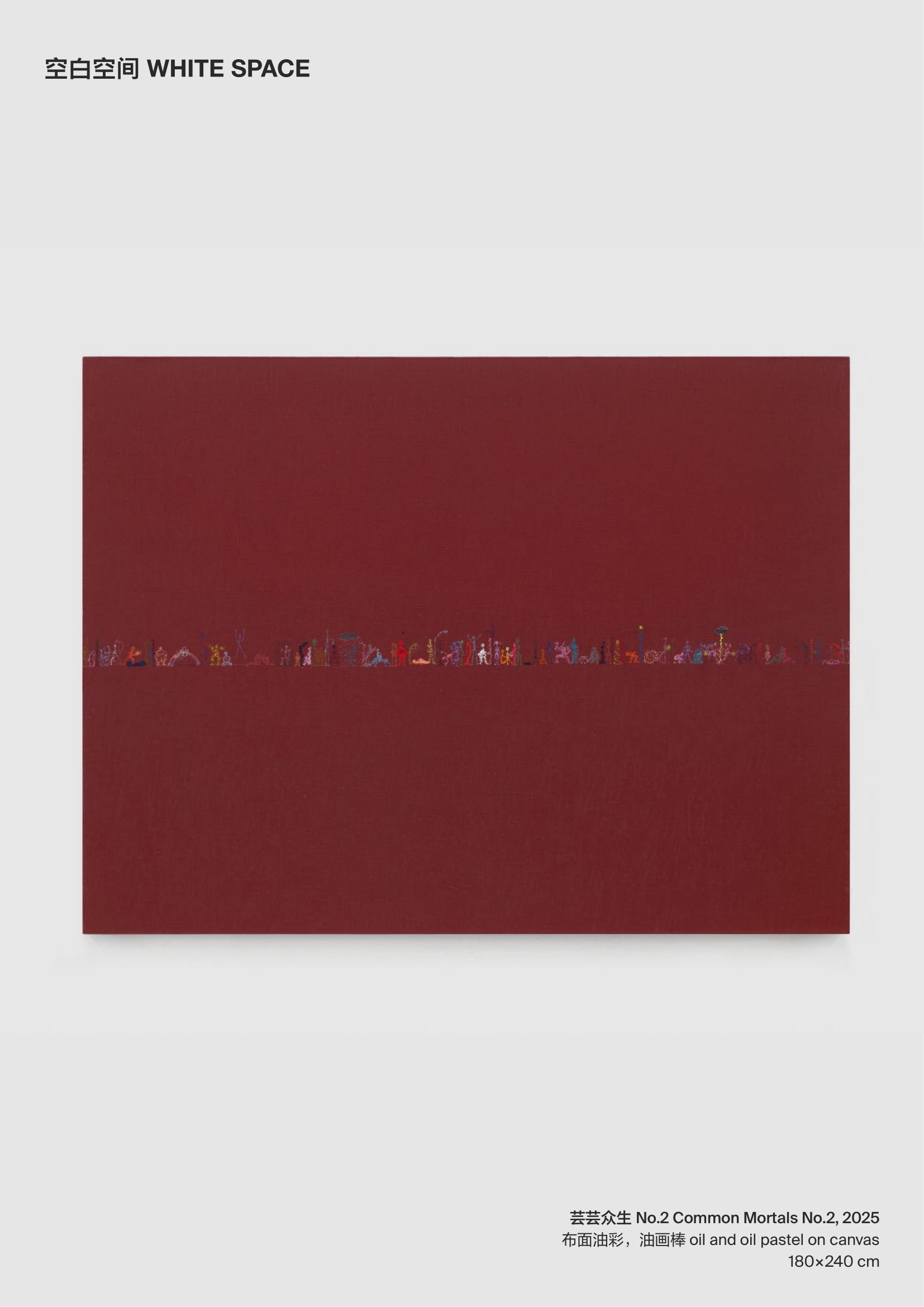
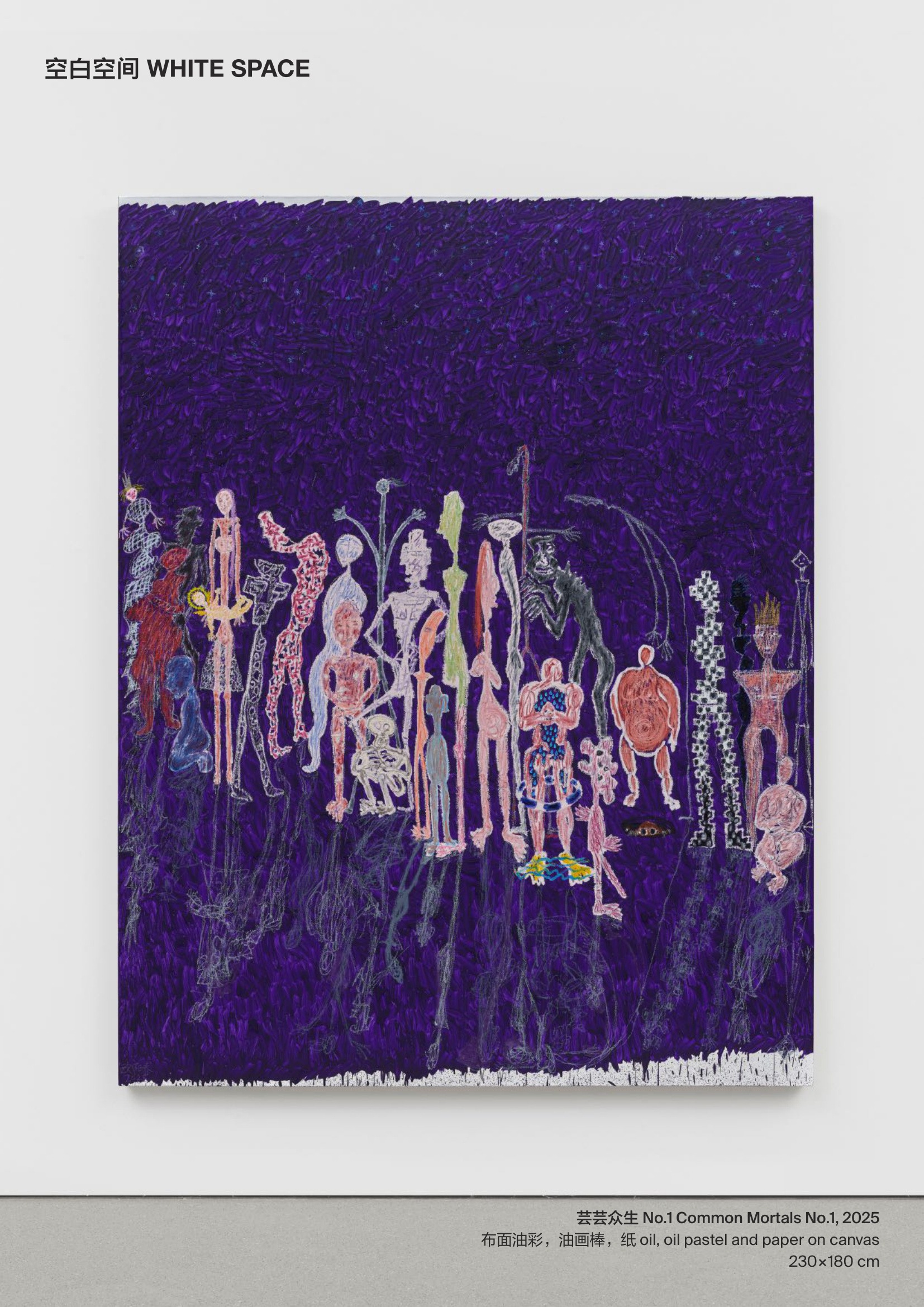
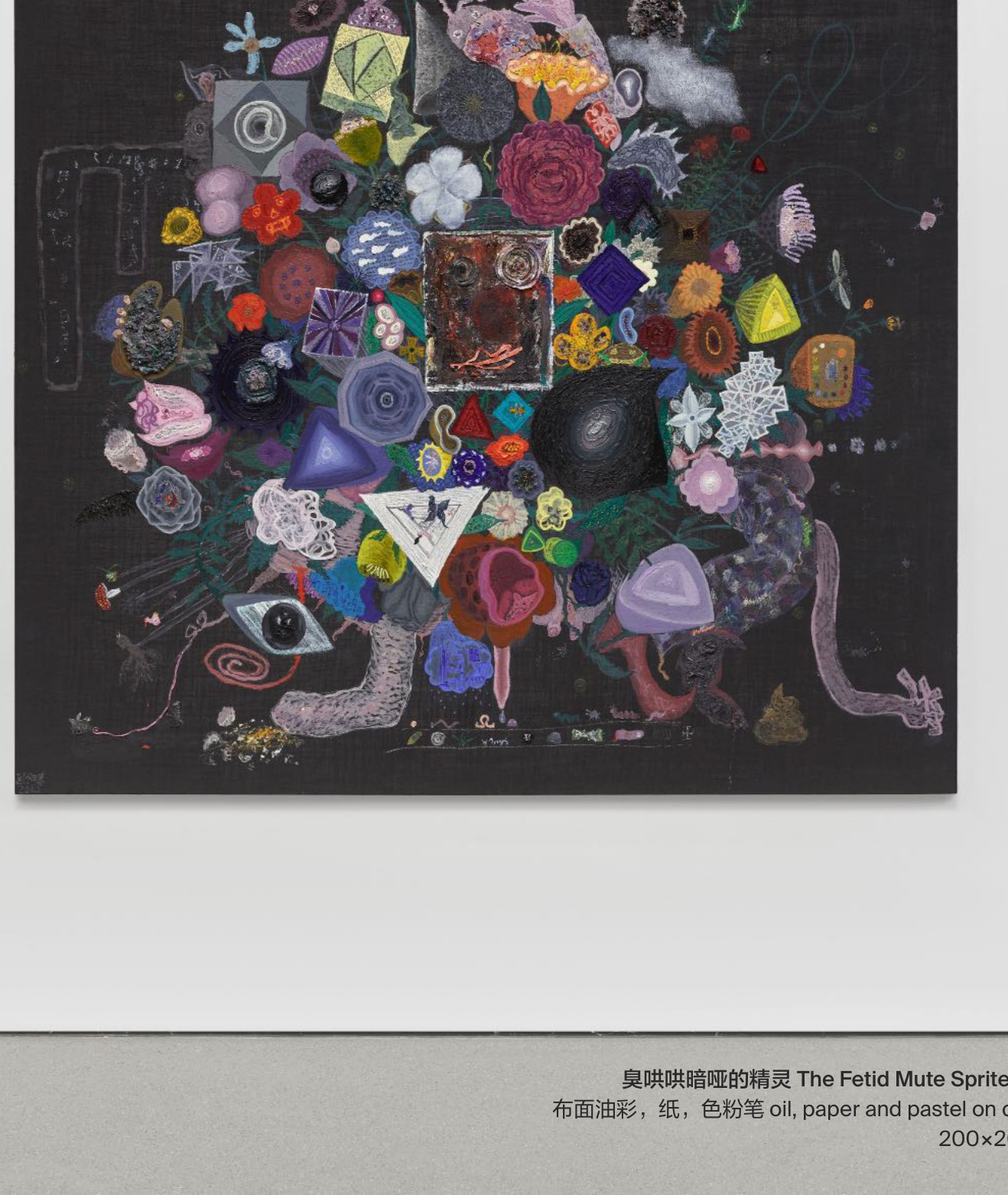
他的代表作包括《当我凝视深渊,深渊回以凝视 No.1》(2019)、《深渊》(2018)、《溃烂之地》(2022)、《红尘祭》(2024)、《染缸铭》(2024)、《天使》(2024)、《彗星》(2022)、《芸芸众生》系列(2025)、《潘多拉盒子》(2022)、《臭哄哄暗哑的精灵》(2022)以及《诸神之战——晨》(2024)等布面油彩作品。
Ouyang Chun (b. 1974, Beijing) is a Chinese painter known for his expressive, poetic, and independently spirited approach to figurative painting. His work sits at the intersection of raw instinct and reflective intellect, often brimming with emotional intensity and layered contradictions. Largely self-taught outside the formal academy system, he paints with a vitality and directness that lend his images an almost childlike immediacy, while simultaneously confronting darker, more complex realities drawn from personal experience and the dissonances of contemporary Chinese life.
**Creative Style:**
Ouyang Chun’s style can be characterized as expressive and image‑driven, with a strong sense of colour and texture. He works across acrylic, oil, watercolour, and mixed media on canvas or paper. His subject matter ranges from urban scenes and human figures to allegorical landscapes pulled from memory, time, and emotional states. The paintings often balance the lyrical and the brutal, juxtaposing tender, fairy‑tale‑like motifs with grotesque or absurd undertones. Brushstrokes and colours are charged with personal feeling, turning the act of painting into a kind of sincere confession. The compositions frequently incorporate found objects or unconventional materials (sand, asphalt, wax, crayon, paper collage), adding a raw, physical presence that underscores the work’s emotional truth. Throughout his career, Ouyang has remained deeply interested in the tension between fiction and reality, pursuing a type of spiritual purity while never shying away from the cruel or absurd truths that accompany genuine human experience.
**Representative Works:**
- *Abyss* (2018, oil on canvas)
- *When I Gaze into the Abyss, the Abyss Gazes Back No.1* (2019, oil on canvas)
- *Comet* (2022, oil on canvas, sand, asphalt, wax, found objects)
- *Land of Decay* (2022, oil on canvas, sand, mineral pigments, found objects)
- *Pandora’s Box* (2022, oil on canvas, asphalt)
- *Stinky, Hoarse Elf* (2022, oil on canvas, paper, pastel)
- *Requiem for the Mortal World* (2024, oil and oil pastel on canvas)
- *Angel* (2024, oil on canvas)
- *Dyed Vat Inscription* (2024, oil on canvas, found objects)
- *Clash of the Titans – Morning* (2024, oil on canvas)
- *All Living Beings No.1* and *No.2* (2025, oil and oil pastel on canvas, with paper in No.1)
These works exemplify his fusion of personal narrative, social critique, and a painterly language that is at once immediate and richly layered.
展览与收藏Exhibitions & Collections
① 展览机构:
根据现有资料,欧阳春在以下机构展出过:
- 空白空间,2026年,展览“涅槃”,地点为798西街D01。
② 机构收藏:
关于欧阳春作品被哪些机构收藏,目前暂无资料。
Based on the structured artist profile provided, Ouyang Chun has an exhibition record showing a solo exhibition titled **涅槃** (Nirvana) at **White Space Beijing (空白空间)**, venue 798 West Street D01, in **2026**. No prior exhibitions are listed in this dataset.
Regarding institutional collections, the available data contains no information about which museums or institutions hold his work. Therefore, we cannot confirm any collections at this time.