亓文章
简介Biography
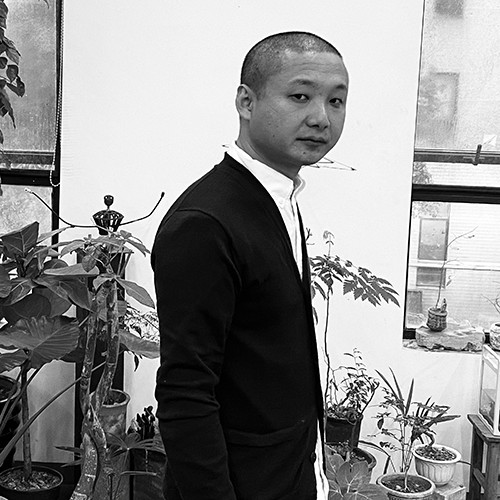
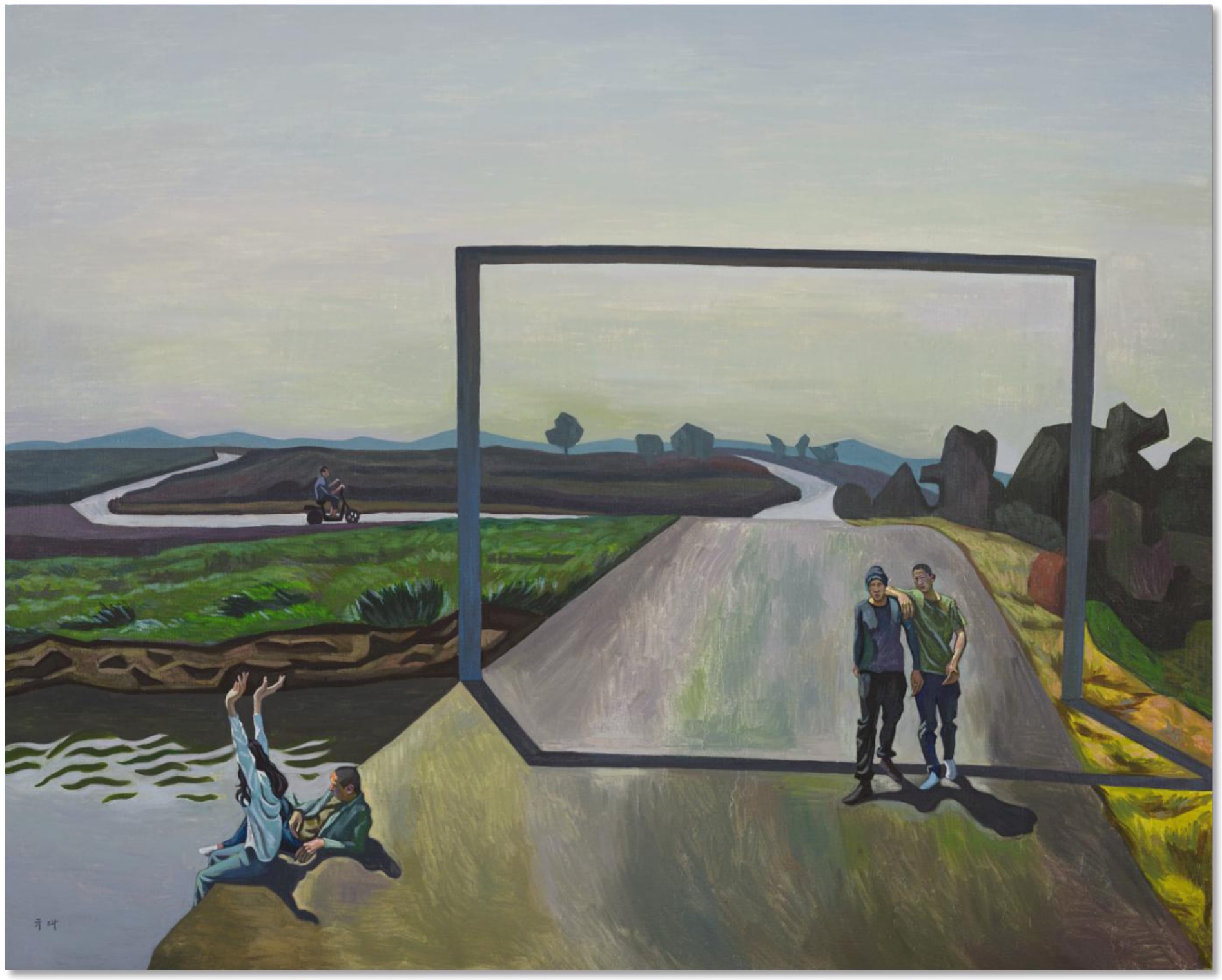
亓文章(1981年生于山东莱芜),现工作及生活于上海。其创作以绘画为主,作品常以超现实的画面融合民间生态意识,通过大小比例的误差、近远景交叉等手法,营造出冲突与和谐共存的平行世界。评论指出,他的画作在神秘而深奥的面纱下,将沉重的现实理想化,引导观众在迷失中重新寻找生活的意义与自我价值。重要个展包括2009年北京EGG Gallery的“另一种行进”、2012年北京站台中国的“自画像”、2015年上海J: Gallery的“栖居之地”、2017年北京站台中国的同名个展,以及2020年北京站台中国dRoom的“你往何处去”。群展经历丰富,如2011年北京时代美术馆的“旋转木马——2011中国新锐绘画奖”、2012年站台中国的“再绘画”、2013年站台中国的“丛林II——弥漫的形态-相对论”、2014年深圳罗湖美术馆的“学院新艺术展”、2016年上海J: Gallery的“人生小节”、2017年北京站台中国的“丛林III——寻常”等。其作品《你好,绘画》(2016)被视作其思想与感觉的释放,引发无限猜测与遐思。
Born in Shandong, he now works and lives in Shanghai. In his creations, he delves deep into the formal experience of modernism while also casting his eyes on the vast reality, extracting images and plots from it. His narrative style is not confined to storytelling plots but rearranges many images with highly personal stylistic techniques, displaying a sense of absurdity in the pictures. He continuously shapes the images of various "nameless individuals" in the social space, observing their life situations with an attitude of equality. As a result, as the subject of creation, he transcends the situation in the painting and becomes an observer. In the presentation of the back and forth between nothingness and existence, Qi Wen's observational perspective elevates all ordinary objects beyond mundane daily life.
代表作Selected Works
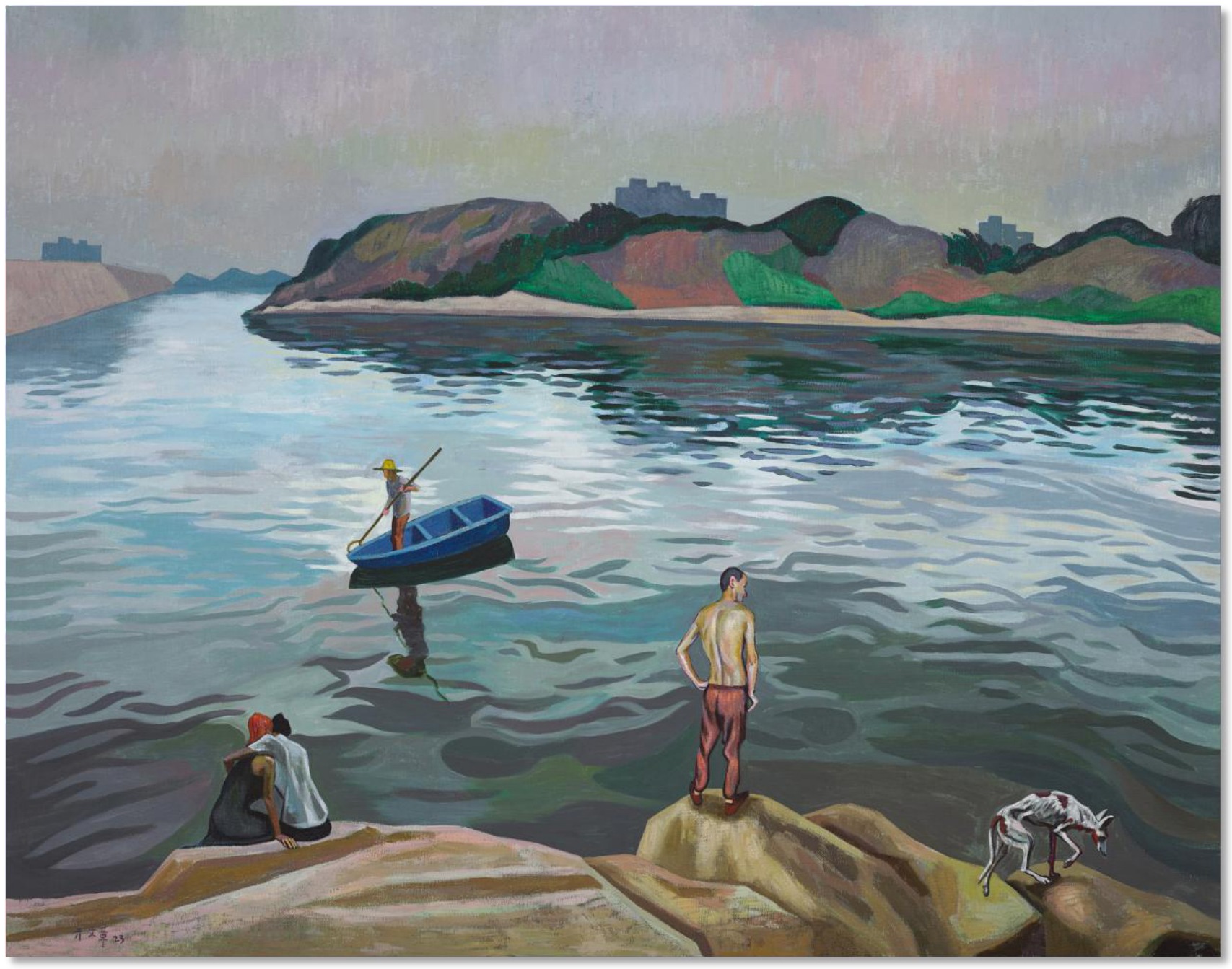
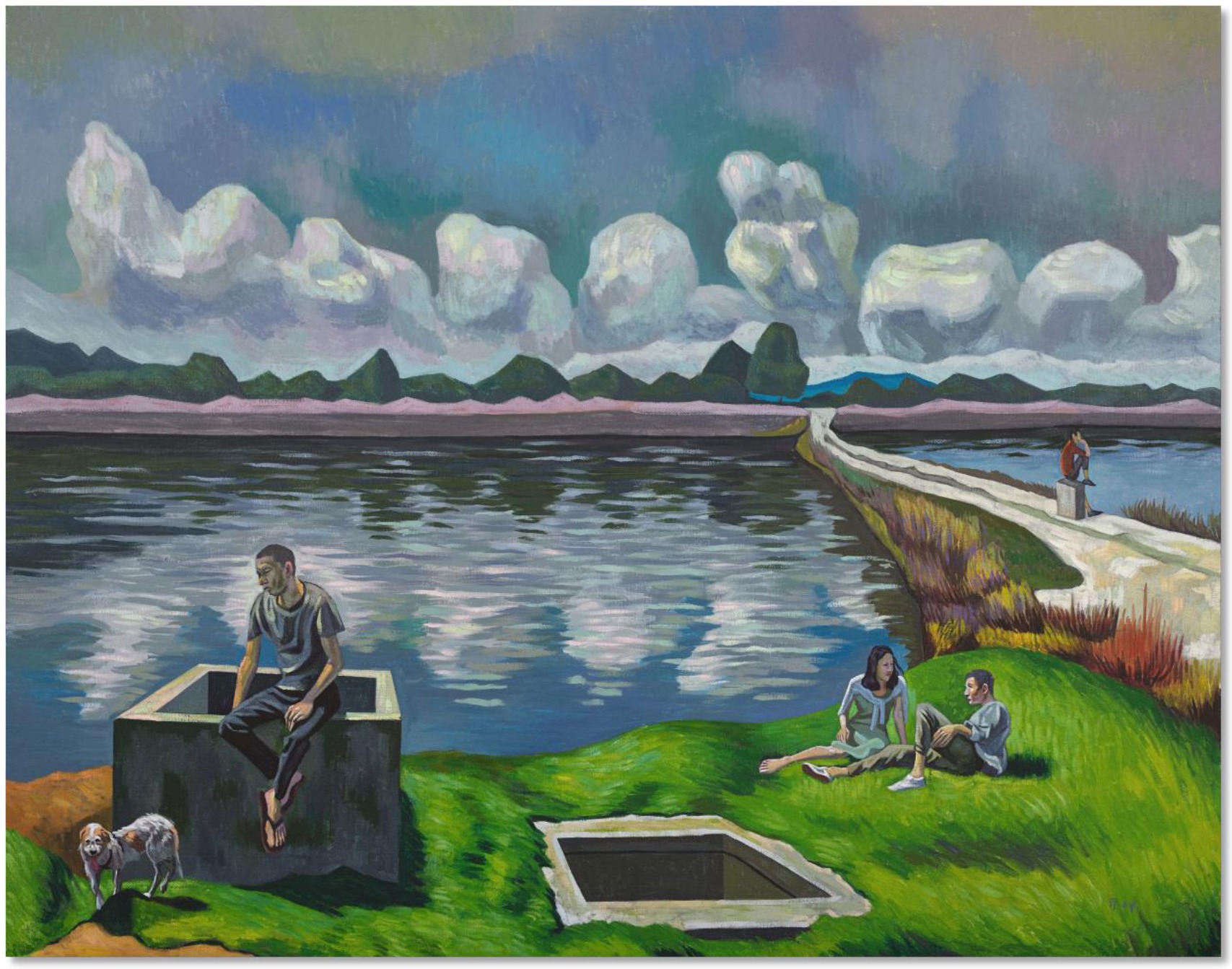
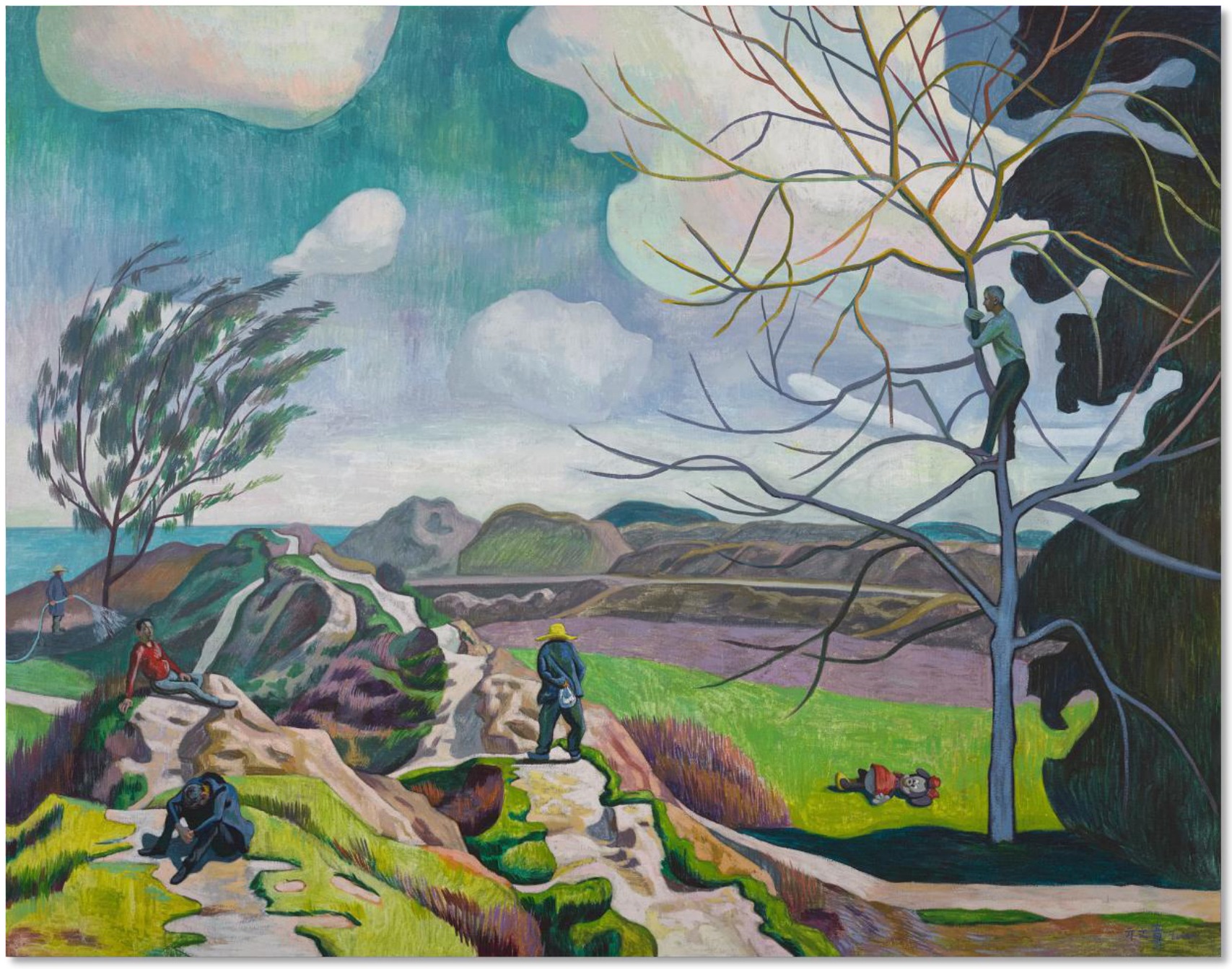
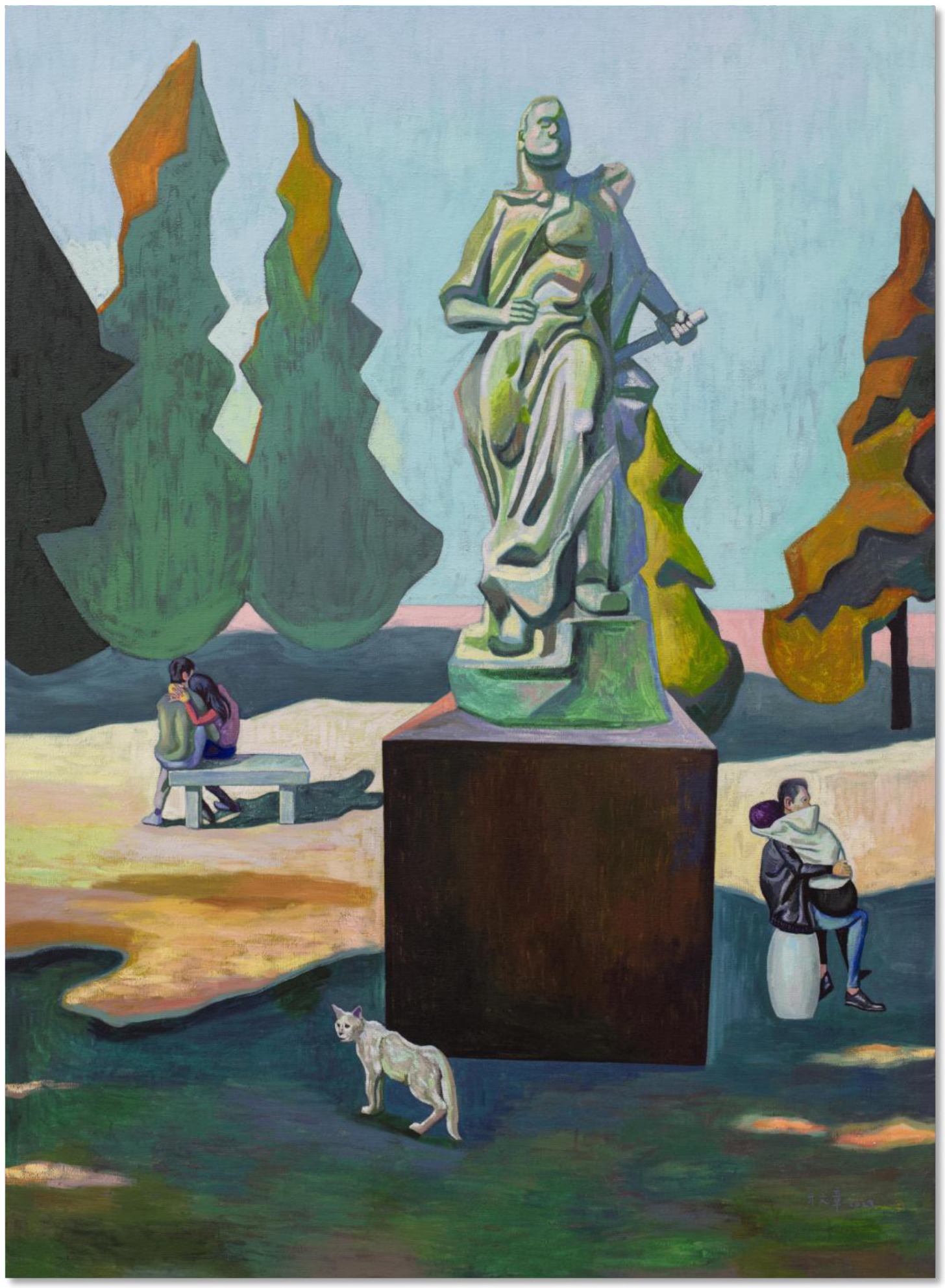
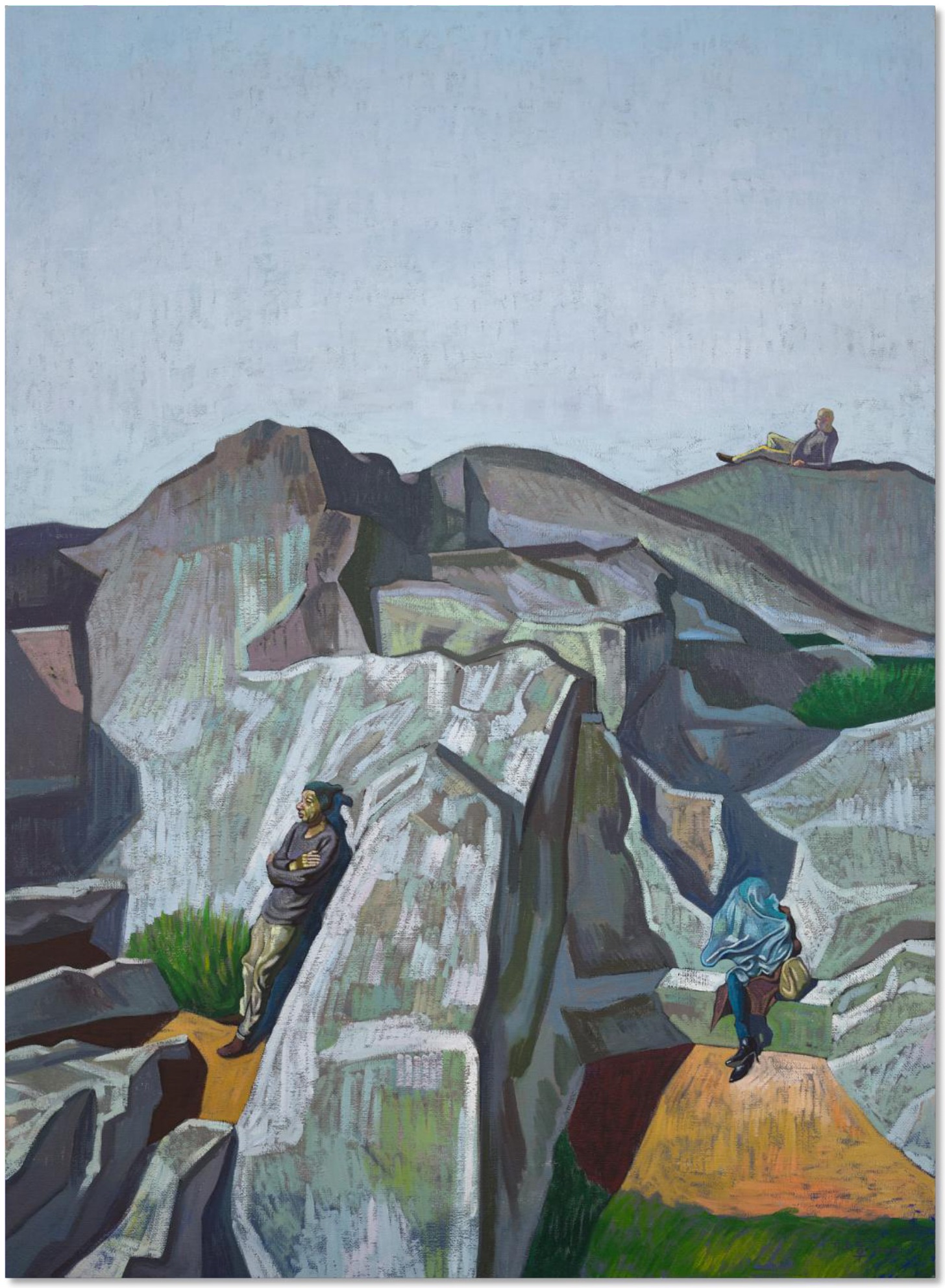
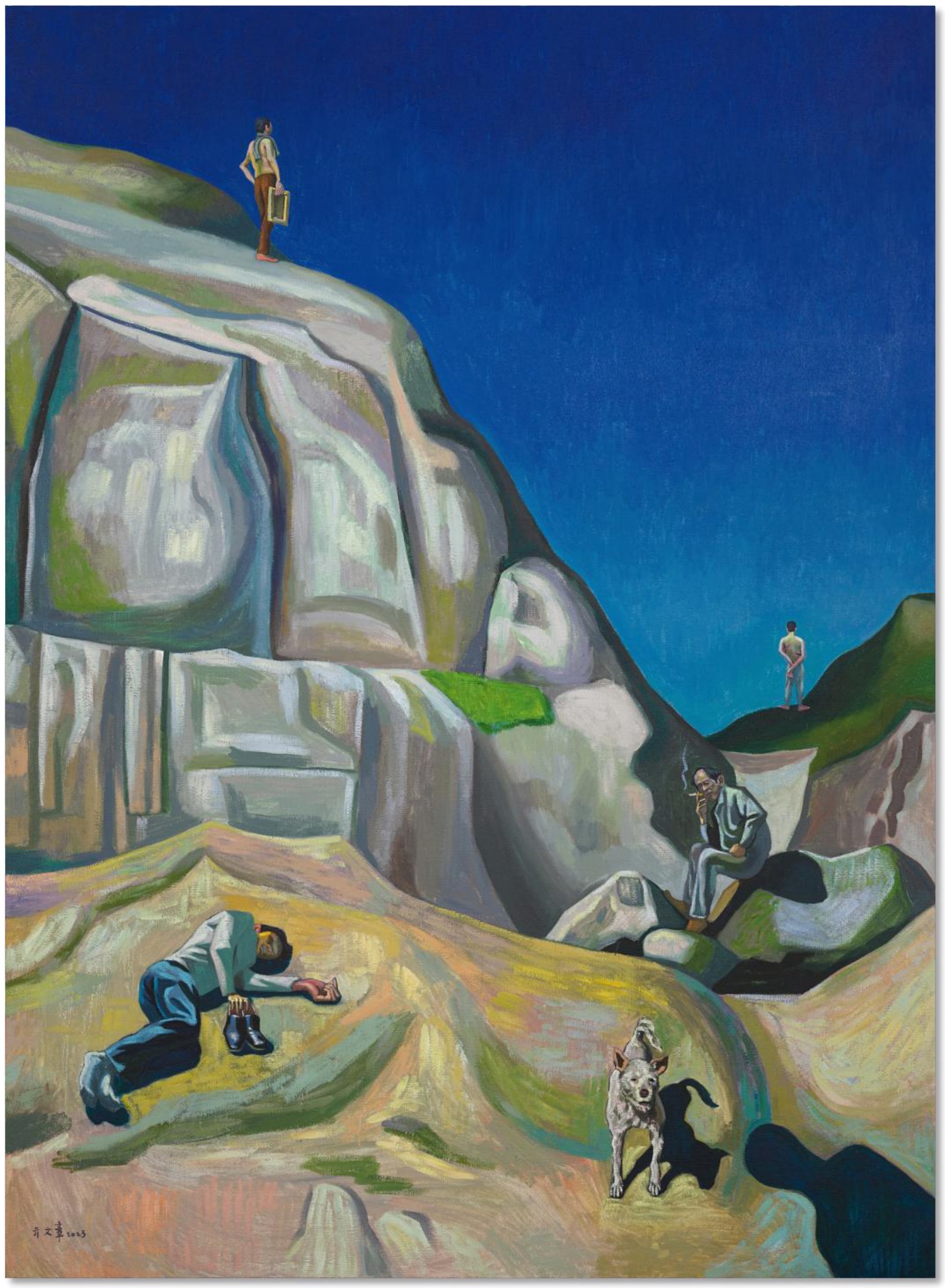
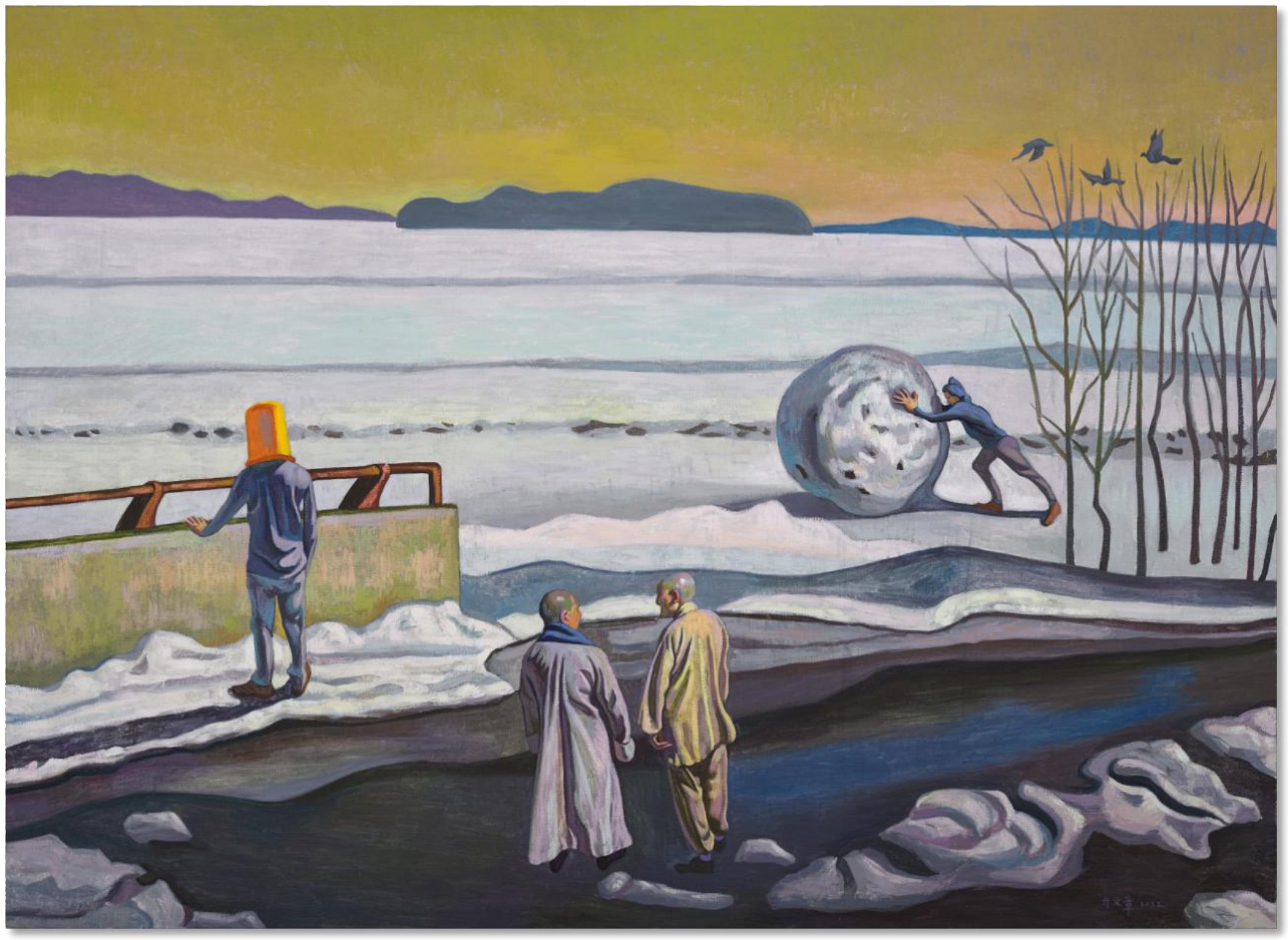
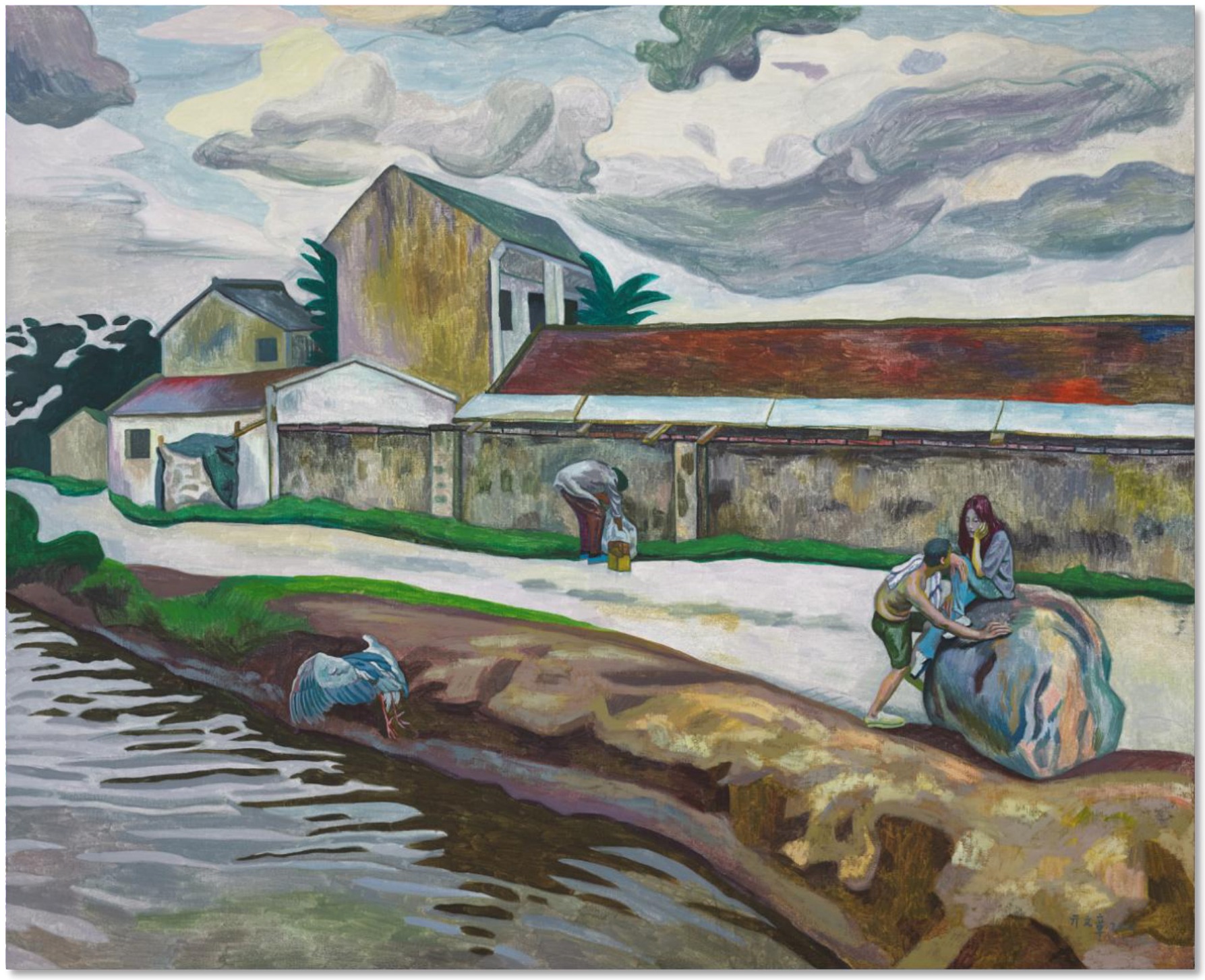
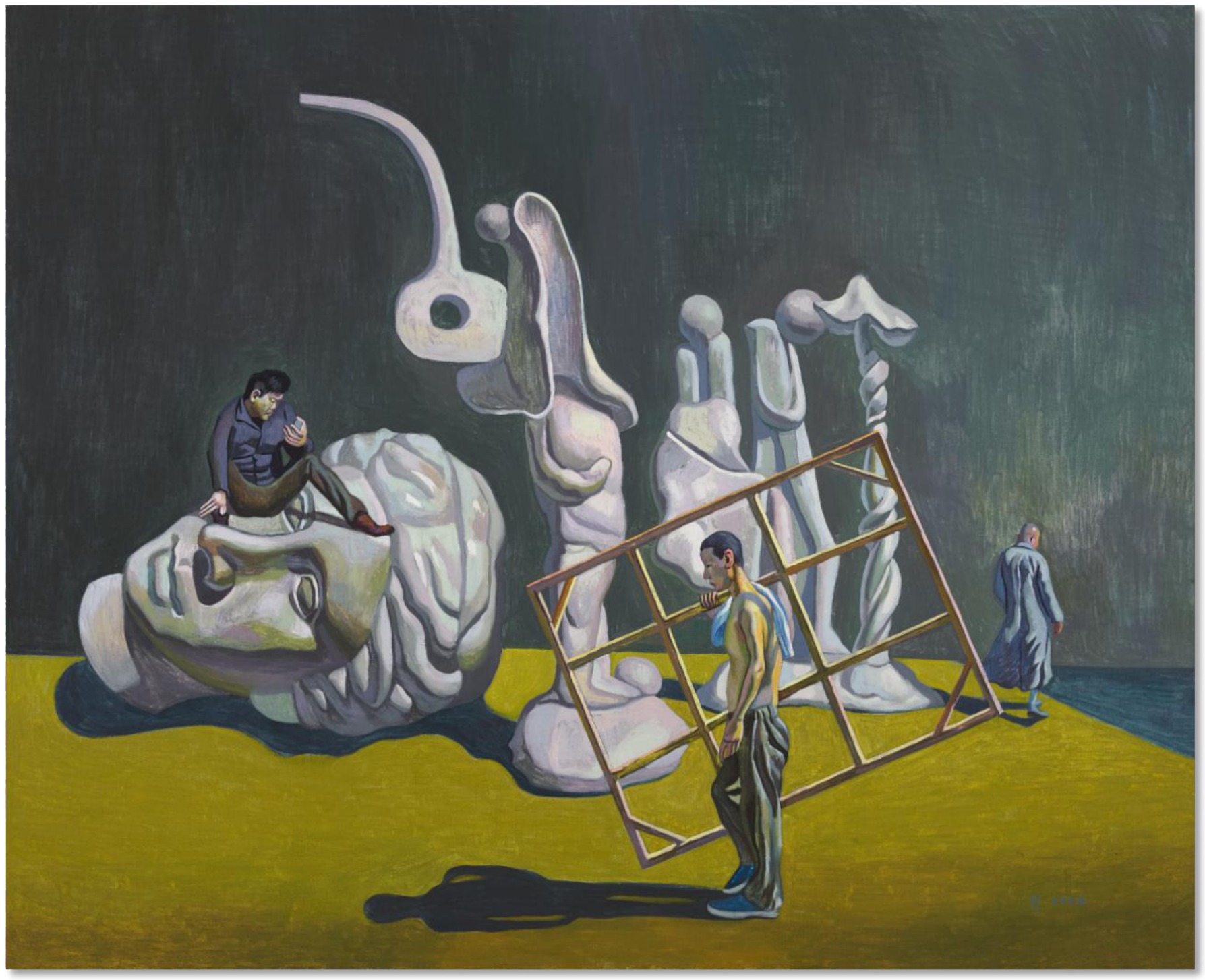
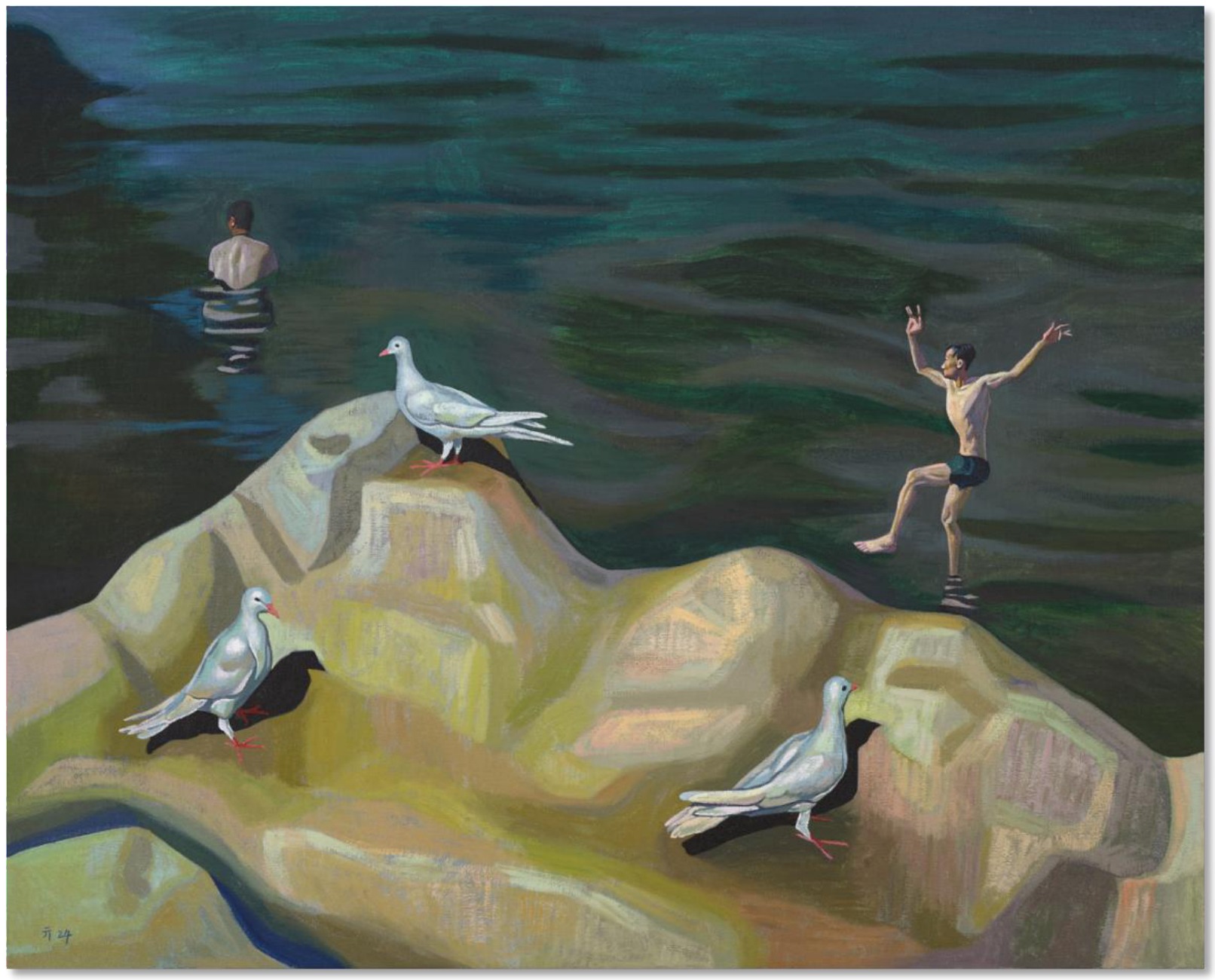
展览履历Exhibitions
- 2024个人作品集·白日梦蓝北京市朝阳区酒仙桥798艺术区-颂艺术中心 · 颂艺术中心
- 2015自画像 群展站台中国
- 2015栖居之地 群展J Gallery
艺见洞察ArtMatters Insights
代表作与创作Selected Works & Style
根据平台艺术家档案,亓文章(1981年生于山东莱芜,现工作生活于上海)的创作以绘画为主,常用油画、丙烯、综合材料,题材涉及人物、城市景观、情感、记忆与时间、自然生态、身体与身份认同等。
**代表作(事实类信息,依据平台档案)**
其代表性作品包括:
- 《在国道上》(2024)
- 《夏日深潭》(2024)
- 《郊外》(2024)
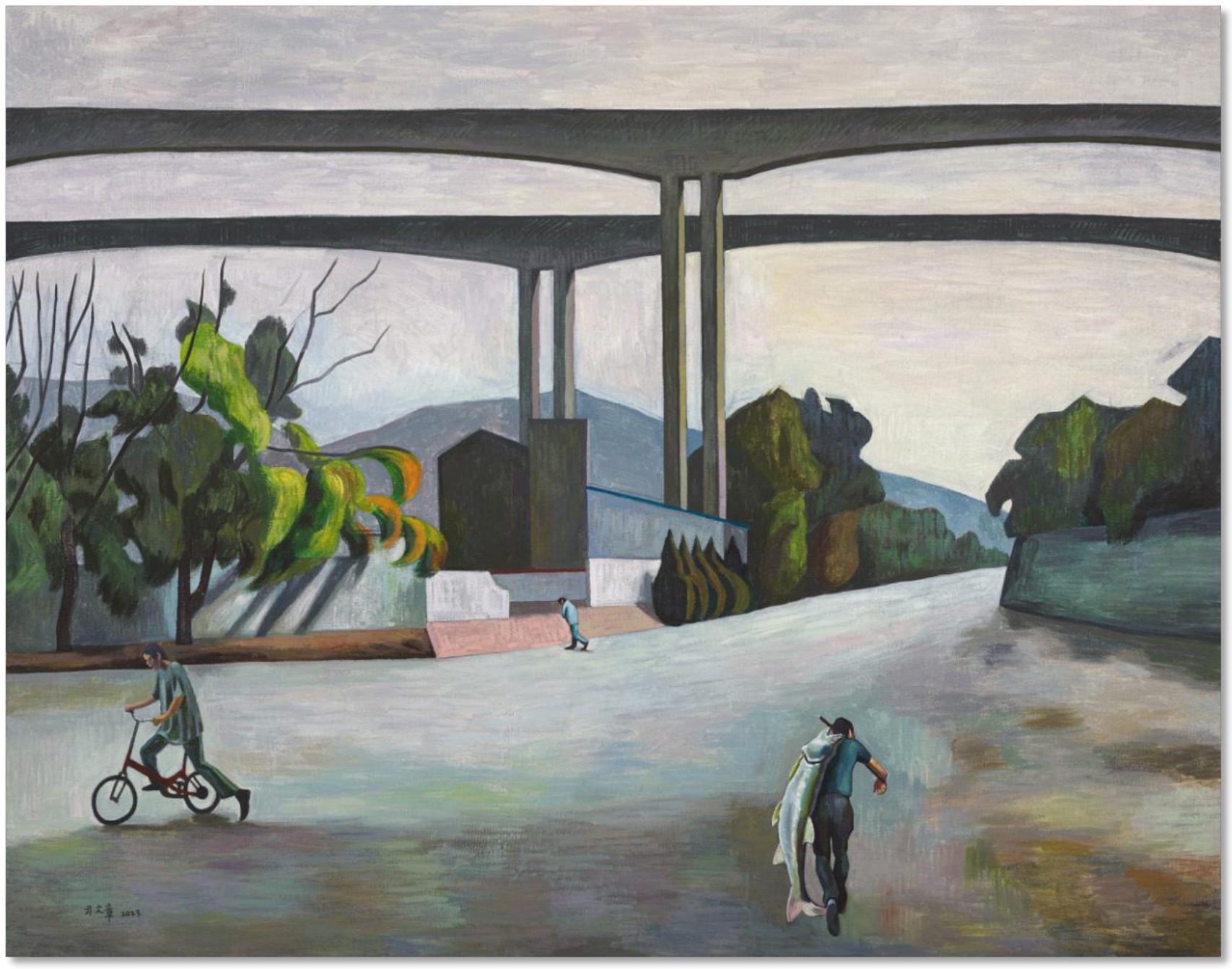
- 《旧厂区》(2023)
- 《我像一条受伤的狗》(2023)
- 《景区里的白猫》(2023)
- 《刺日-2》《刺日-3》(2023)
- 《河滩-2》(2022)
- 《寒枝惊鹊》(2022)
- 《保安、画家与僧侣》(2022)
- 《起风了》(2021)
个展方面,2024年在北京颂艺术中心举办了个人作品集展“白日梦蓝”,可视为其近期创作的集中呈现。
**近期展览背景(依据文章上下文)**
亓文章还参加了秋季群展“自然与我”,展出作品包括《河流》(2021)、《白昼2》(2022)、《理发3》(2023)、《无题》(2019)等。这些作品延续了其对自然意象、日常场景与略带荒诞感的画面氛围的关注。
**创作特点(依据平台档案,结合文章上下文)**
亓文章的绘画常以超现实画面融合民间生态意识,通过大小比例误差、近远景交叉等手法,营造出冲突与和谐共存的平行世界。他的作品在神秘、深奥的视觉氛围下,将沉重的现实理想化,引导观众在迷失中重新寻找生活的意义与自我价值。从“自然与我”展览中的《河流》《白昼2》《理发3》等作品也可看出,他近年较多关注自然、日常与意象化场景之间的张力。
Qi Wen Zhang (born 1981 in Laiwu, Shandong; currently lives and works in Shanghai) is primarily a painter. His representative works include:
- *The Wind Rises* (起风了, 2021)
- *River Beach No. 2* (河滩-2, 2022)
- *Cold Branches Startle Magpies* (寒枝惊鹊, 2022)
- *Security Guard, Painter and Monk* (保安、画家与僧侣, 2022)
- *I Am Like a Wounded Dog* (我像一条受伤的狗, 2023)
- *Old Factory Area* (旧厂区, 2023)
- *White Cat in the Scenic Area* (景区里的白猫, 2023)
- *Piercing Sun No. 3* (刺日-3, 2023)
- *On the National Road* (在国道上, 2024)
- *Suburbs* (郊外, 2024)
- *Summer Deep Pool* (夏日深潭, 2024)
Most of these are oil on canvas.
His creative style is often described as surreal and image-based, blending a folk ecological consciousness. He uses deliberate distortions of scale and overlapping near-far perspectives to construct a parallel world in which conflict and harmony coexist. Critics note that beneath a mysterious, enigmatic surface, his works idealize heavy realities and lead viewers to search for meaning and self-worth through a sense of disorientation. His practice spans figurative, experimental, and conceptual approaches, with recurring themes including human figures, urban landscapes, emotion, death, consumerism, social commentary, natural ecology, memory and time, identity, and the body. His primary media include oil, acrylic, and mixed materials.
展览与收藏Exhibitions & Collections
根据现有资料,亓文章(Qi Wenzhang)的展出机构信息如下:
**展出机构**
- **颂艺术中心**(北京):2024年举办“个人作品集·白日梦蓝”。
- **新氧艺O2art**(北京798艺术区):2023年参加秋季群展「自然与我」(2023.10.22–2023.11.19),展出《河流》《白昼2》《理发3》《无题》等作品。
**收藏机构**
- 目前公开资料中**暂无**明确记录显示亓文章的作品被哪些机构收藏。
According to the artist archive, **Qi Wen Zhang** (b. 1981, Laiwu, Shandong; lives and works in Shanghai) has exhibited at the following venues:
**Solo exhibitions:**
- EGG Gallery, Beijing (2009)
- Platform China, Beijing (2012, 2017, and 2020 at Platform China dRoom)
- J: Gallery, Shanghai (2015)
- Soul Art Center, 798 Art Zone, Beijing (2024)
**Selected group exhibitions:**
- Times Art Museum, Beijing (2011)
- Platform China, Beijing (2012, 2013, 2017)
- Shenzhen Luohu Art Museum, Shenzhen (2014)
- J: Gallery, Shanghai (2016)
**Institutional collections:**
The available artist archive does not list any museum or institutional collections of Qi Wen Zhang’s work.