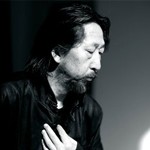
王广义
简介Biography
王广义,1957年生于中国,是中国当代艺术领军人物之一,政治波普艺术的重要代表。其作品以大批判系列闻名,将文革宣传画与西方消费符号结合,反思意识形态与商业文化。作品被国内外重要机构收藏,在艺术史中占据关键地位。
王广义,1957年生于中国,是中国当代艺术领军人物之一,政治波普艺术的重要代表。其作品以大批判系列闻名,将文革宣传画与西方消费符号结合,反思意识形态与商业文化。作品被国内外重要机构收藏,在艺术史中占据关键地位。
公开拍卖记录Public Auction Records
展览履历Exhibitions
- 2019巽汇空间(同济大学,上海) 个展
- 2019亚美尼亚国家美术馆 个展
- 2018古根海姆美术馆 群展
- 2018布拉格市立美术馆 个展
- 2017古根海姆美术馆 群展
- 2016釜山双年展 双年展
- 2016新加坡当代美术馆 个展
- 2016鲁迅美院美术馆 个展
- 2016武汉合美术馆 个展
- 2015艺术长沙 群展
- 2015MAC当代美术馆 个展
- 2014拉维罗美术馆 个展
- 2012今日美术馆 个展
- 2010中国国家会议中心 群展
- 2008深圳OCAT当代艺术中心 个展
- 2008路易斯-布莱恩基金会美术馆 个展
- 2004法国马塞现代艺术博物馆 群展
- 2003法国蓬皮杜艺术中心 群展
- 1997德国斯图加特美术馆 群展
- 1996德国路德维西美术馆 群展
- 1995西班牙圣莫妮卡美术馆 群展
- 1994圣-保罗双年展 双年展
- 1993威尼斯双年展 双年展
- 1989中国现代艺术大展 群展
艺见洞察ArtMatters Insights
代表作与创作Selected Works & Style
平台暂无王广义的艺术家档案资料(结构化档案数据 matched 为 false),因此无法依据权威档案提供其生卒、籍贯、完整展览经历等事实类信息。以下基于相关展览报道与访谈上下文,就其创作特点与常见系列作背景补充,供参考。
**王广义的创作特点(据文章上下文归纳)**
- **早期以《大批判》系列闻名**:将政治宣传画中的工农兵形象与西方商业品牌符号(如可口可乐、耐克等)并置,形成强烈的视觉与观念冲突,被视为中国政治波普的代表之一。
- **强调“思想性”与“批判视角”**:他的创作带有明确的文化理想主义,不强调个体性,而是探讨人在知识生产制度、历史叙述机制中如何陷入而不自知,呈现出一种局外人式的怀疑精神。
- **长期以草图、方案作为重要工作方式**:大量未实施方案和纸上草图被看作其思想状态的“隐私日记”,体现不妥协、不迎合的创作态度;他认为草图比完成作品更自由、更接近艺术家精神的真实性。
- **近年系列如《被遮蔽的存在》《日常生活》**:关注私密空间中的身体与日常仪式感,画面中常出现自上而下流淌的色彩,部分作品参考西方宗教绘画图式(如《哀悼基督》《墓中的基督尸体》),并融合家乡萨满教记忆中的“遮蔽”意象。
- **重视“偶像”与权力结构**:他常以不同历史、宗教、文化中的人物为对象,认为它们在本质上都是“偶像”,借此审视社会结构对个体生命的规训与操纵。
**常见系列/作品名称(据文章提及)**
《大批判》系列、《被工业快干漆覆盖的名画》系列、《日常生活》系列、《被遮蔽的存在》系列、《新宗教》系列等。
如需更准确的生平、展览经历、常用媒介等事实信息,建议查阅艺术家正式出版画册、美术馆官方资料或权威数据库。
The platform’s structured artist profile does not contain a matched record for **王广义 (Wang Guangyi)**, so I cannot confirm formal biographical details (birth year, education, exhibition history, official list of representative works) from that source.
However, based on the provided article context—interviews and exhibition descriptions—his representative series and creative style can be described as follows:
**Representative series mentioned in the texts:**
- **_大批判_ (Great Criticism)**: juxtaposes Mao-era propaganda figures with Western consumer brand logos (Coca-Cola, Nike, BMW, etc.), widely associated with Chinese Political Pop.
- **_日常生活_ (Daily Life)**: depicts intimate, private everyday scenes, often relating to the body and power structures.
- **_被遮蔽的存在_ (Obscured Existence)**: uses flowing/dripping paint over religious and humanist images, inspired by Shamanic ritual screens and the idea of veiled manipulation.
- **_新宗教_ (New Religion)**: reworks Western religious paintings (e.g., Mantegna’s _Lamentation_, Holbein’s _Dead Christ_).
- Early series such as **_北方极地_**, **_后古典_**, and **_黑色理性_** are also referenced in the article or auction records.
- Sketches for unrealized projects, including **_冷战美学_ (Cold War Aesthetics)**, **_杜尚的九个小便池和四个小便池_**, and various papers/plans.
**Creative style (as described in the article context):**
- Rooted in cultural idealism and critique of ideology, consumerism, and power structures.
- Uses a quasi-scientific, self-described “伪科学” method; his thinking is described as “雾状的思想” (fog-like thought), between intuition and rational analysis.
- Maintains an outsider, skeptical perspective rather than following global art trends; he distances himself from both a purely local context and full absorption into international art systems.
- Strong emphasis on sketches and plans as private, uncompromising thought experiments—many of which remain unrealized.
- In _被遮蔽的存在_, paint is allowed to flow downward, “de-imaging” the picture and creating a veil, echoing Shamanic screens and the hidden workings of power.
- He often questions how individuals are unconsciously trapped within systems of knowledge production and historical narrative, rather than promoting a fixed stylistic signature.
展览与收藏Exhibitions & Collections
根据平台结构化艺术家档案数据,目前暂无“王广义”的艺术家档案资料(匹配结果为 false),因此无法从权威档案来源提供其系统完整的展览机构与收藏机构列表。
文章上下文中仅提到其个展《回到何地:1993年之后的王广义创作草稿》在清华大学艺术博物馆展出;但这只是单条展览线索,不代表完整的展出与收藏记录。建议查询其他权威艺术数据库或艺术家官方渠道获取更全面的信息。
I don't have a verified structured profile for Wang Guangyi in the platform's artist archive, so I cannot provide an authoritative list of exhibition venues or institutional collections.
From the article context, one exhibition is mentioned: a solo exhibition titled *回到何地:1993年之后的王广义创作草稿* at the Tsinghua University Art Museum. However, that is only a single mention and not a complete exhibition history.
Regarding collections: the article does not clearly state which institutions collect Wang Guangyi's works. Some collection information in the article refers to other artists and should not be attributed to him. Therefore, I cannot confirm any collecting institutions for Wang Guangyi from the available sources.