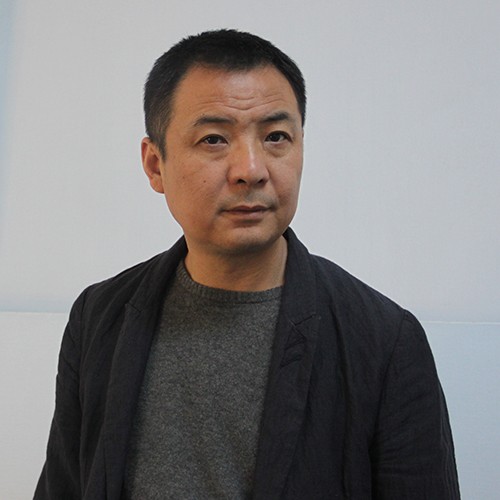
王音
简介Biography
王音生于1957年创作媒介涵盖:150×220 cm
王音生于1957年创作媒介涵盖:150×220 cm
展览履历Exhibitions
- 2020民生美术馆 群展
- 2018镜花园 个展
- 2016尤伦斯当代艺术中心 个展
- 2014当代唐人艺术中心 个展
- 2009伊比利亚当代艺术中心 个展
- 2007亚历山大·奥克斯画廊柏林北京 个展
- 2007湖南省博物馆 个展
- 2006空白空间 个展
- 2003何香凝美术馆 个展
- 2003艺术文件仓库 个展
- 2001艺术文件仓库 个展
- 1994中央美院画廊 个展
艺见洞察ArtMatters Insights
代表作与创作Selected Works & Style
平台暂无“王音”的艺术家档案资料,因此无法给出经平台核定的官方简历、生卒信息及代表作定性。以下基于相关展览文章与公开拍卖成交记录,梳理其可见的创作特点与代表性作品,供参考。
### 创作特点
**1. 对中国美术现代性脉络的“考古式”处理**
王音的创作长期围绕20世纪中国美术的现代性问题展开:从1990年代初对五四时期左翼现实主义美术资源的钩沉,到2000年前后经历一段挪用、戏拟、拼贴的“达达”式阶段,再到2003年后重新考察西方写实主义、现代主义、苏派影响与本土化、民族化脉络的交错。他的绘画常被视为一种对美术史话语的“考古发掘”。
**2. 有意偏离时代与主流趣味**
王音的作品往往清除当下的时代符号与意识形态暗示,主动回到“过时”的绘画方式中。他大量使用带有泥土气的色彩,吸收民间绘画趣味与苏联式绘画语法,使画面呈现出一种陈旧、乡土、甚至“土油画”的气质。这种偏离使他与主导性的艺术潮流保持距离。
**3. “口音”与“结巴”的绘画语言**
评论者常以“绘画的口音”“绘画的结巴”来描述王音的语言特征。他不追求流畅的线条和清晰的叙事,画面多以块状、断续、磕碰的方式组织,显得犹豫、梗阻、不顺畅。这种语言上的“不流利”本身就是其重要风格,拒绝一目了然,也拒绝被简单归类。
**4. 非题材化、非叙事化**
王音涉及人物、风景、静物、花、少数民族形象、自画像、火车、加油站等多种题材,但通常不强调情节、人物内在精神或主题升华。他更关注绘画过程中的语言问题,以及形式本身的障碍与可能性,而非“画什么”。
### 代表性作品(参考)
在展览文章中被明确提及的作品包括:
《剃头》(1993)、《沙尘暴》(2002)、《四季·夏》(2007)、《花》(2005)、《父亲III》(2011)、《加油站》(2012)、《藏族舞2》(2013)、《无题》(2012)、《在火车上IV》(2013)等。
此外,根据公开拍卖记录,王音市场流通中较受关注、成交价较高的作品包括:
《无题》《藏族舞》《池塘生春草Ⅰ》《未名——我走在路上》《无题系列·鞋匠》《栖栖》《小说月报·剃头》等。
The platform’s structured artist-profile database currently has no entry for 王音, so I cannot confirm his representative works and creative style from that authoritative source. However, based on the provided exhibition texts and critical essays, the following background can be offered.
**Representative works mentioned in the exhibition materials include:**
- 《剃头》/ *Haircut* (1993, oil on canvas, 170×180 cm)
- 《沙尘暴》/ *Sandstorm* (2002, oil on canvas, 180×300 cm)
- 《四季·夏》/ *Four Seasons: Summer* (2007, oil on canvas, 200×310 cm)
- 《父亲III》/ *Father III* (2011, oil on canvas, 200×160 cm)
- 《加油站》/ *Gas Station* (2012, oil on canvas, 200×260 cm)
- 《藏族舞2》/ *Tibetan Dance 2* (2013, oil on canvas, 200×350 cm)
- 《花》/ *Flowers* (2005, acrylic and oil on canvas, 203×406 cm)
- 《在火车上IV》/ *On the Train IV* (2013, oil on canvas, 160×130 cm)
- 《无题(梅)》/ *Untitled (Plum Blossom)* (2009, oil on canvas, 220×150 cm)
**Creative style, as discussed in the provided texts:**
Wang Yin’s painting is described as deliberately out of step with dominant trends. He often returns to what the critic Wang Min’an calls an “outdated” or “earthy” painterly language, combining Soviet-style realist painting techniques from the 1950s–1970s with folk and vernacular visual idioms. His works are said to avoid urban modernity, ideology, and narrative clarity, instead favoring what Wang Min’an terms a painterly “stutter” or “accent”: compositions built from interrupted, block-like color fields, hesitant and non-fluid forms, and a deliberately awkward, anti-smooth syntax. Another critic, Bao Dong, outlines three phases: an early engagement with left-wing realist resources of the May Fourth era; a brief “Dada” period around 2000 involving appropriation, parody, collage, and pastiche; and after 2003, an archaeological investigation of the discursive lineages of Chinese artistic modernity, including Western realism, modernism, Soviet influence, and indigenizing/nationalizing tendencies.
Because the platform’s artist-profile record for 王音 is missing, the above should be understood as drawn from the exhibition-related article rather than from a verified artist biography.
展览与收藏Exhibitions & Collections
关于王音的机构展出与收藏信息,平台当前的艺术家档案数据显示 **matched: false**,即暂无王音的系统性档案资料,因此无法直接列出其完整的展览与收藏机构清单。
不过,根据文章上下文可补充以下展览信息(来源为本文,仅涉及王音本人相关的内容):
- **当代唐人艺术中心(北京)**
- 2014年5月10日—6月30日,王音个展“王音”。
- 2014年10月25日—11月25日,群展“自觉:绘画十二观”,王音为参展艺术家之一。
至于“被哪些机构收藏”,文章上下文并未提供王音作品被收藏的明确信息;文中出现的“她的作品被众多美术馆和公共机构收藏,包括……”一段所指代的主体不明确,不能确认是王音,因此不作为王音的收藏信息引用。
如需更完整的展览履历和收藏记录,建议以艺术家正式出版画册、代理画廊的官方档案或权威艺术数据库为准。
Based on the platform’s structured artist archive, there is currently **no matched artist profile for Wang Yin (王音)**, so I cannot provide a verified list of his exhibition history or institutional collections from the archive.
From the gallery material provided in this conversation, I can confirm he had at least:
- **Solo exhibition “王音”** at **Tang Contemporary Art Center, Beijing**, May 10 – June 30, 2014
- Group exhibition **“自觉:绘画十二观”** at **Tang Contemporary Art Center, Beijing**, October 25 – November 25, 2014
For institutional collections, the provided text contains a list of collections including Bangkok University, Singapore Art Museum, Queensland Art Gallery, Burger Collection, etc., but that list is **not clearly attributed to Wang Yin** in the materials given. Following source rules, I cannot treat it as verified information for Wang Yin. The structured auction data confirms his works have appeared in sales at major auction houses such as China Guardian, Poly, and Yongle, but auction appearances do not by themselves establish institutional collection status.