简介Biography
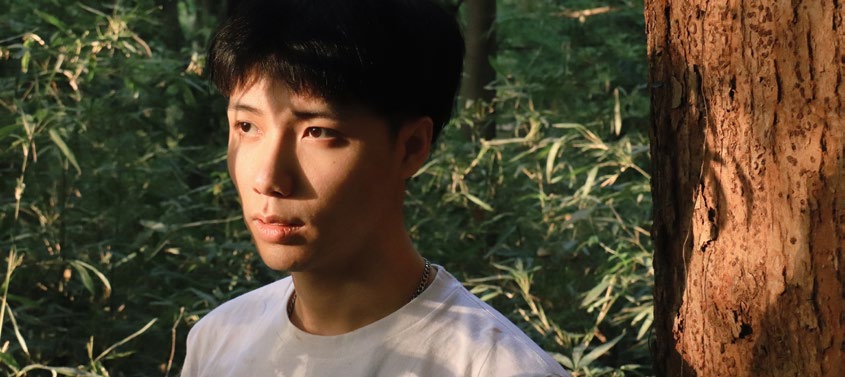
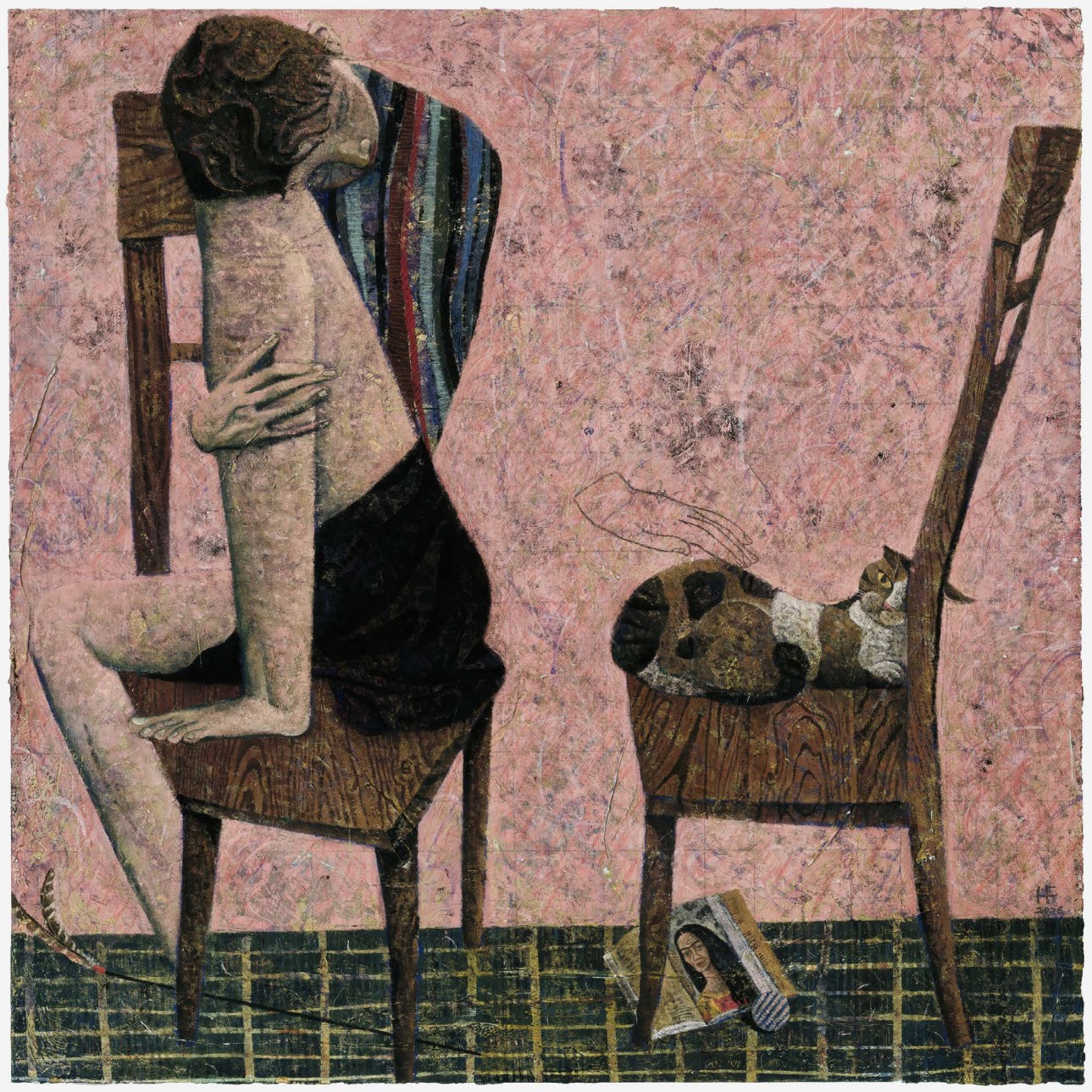
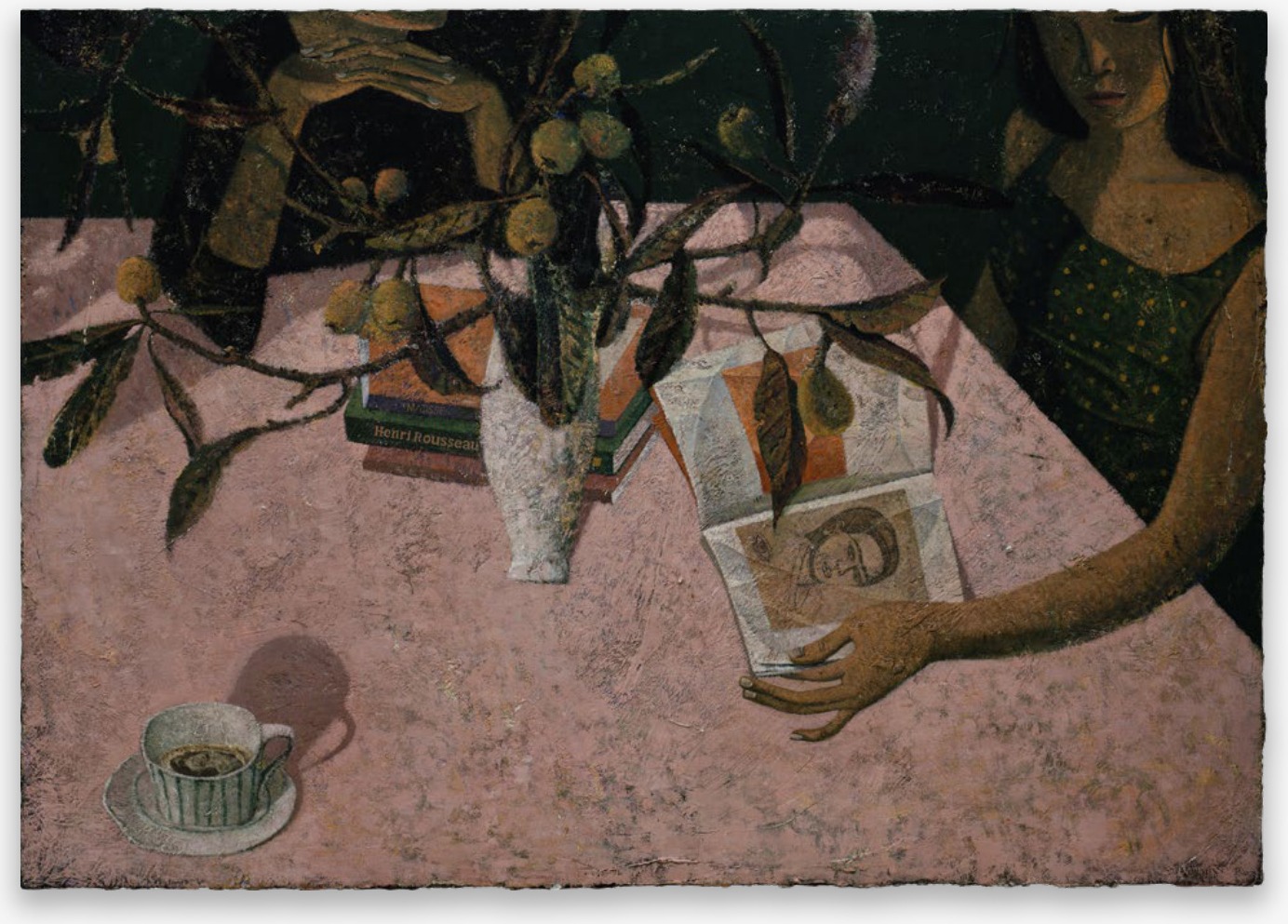
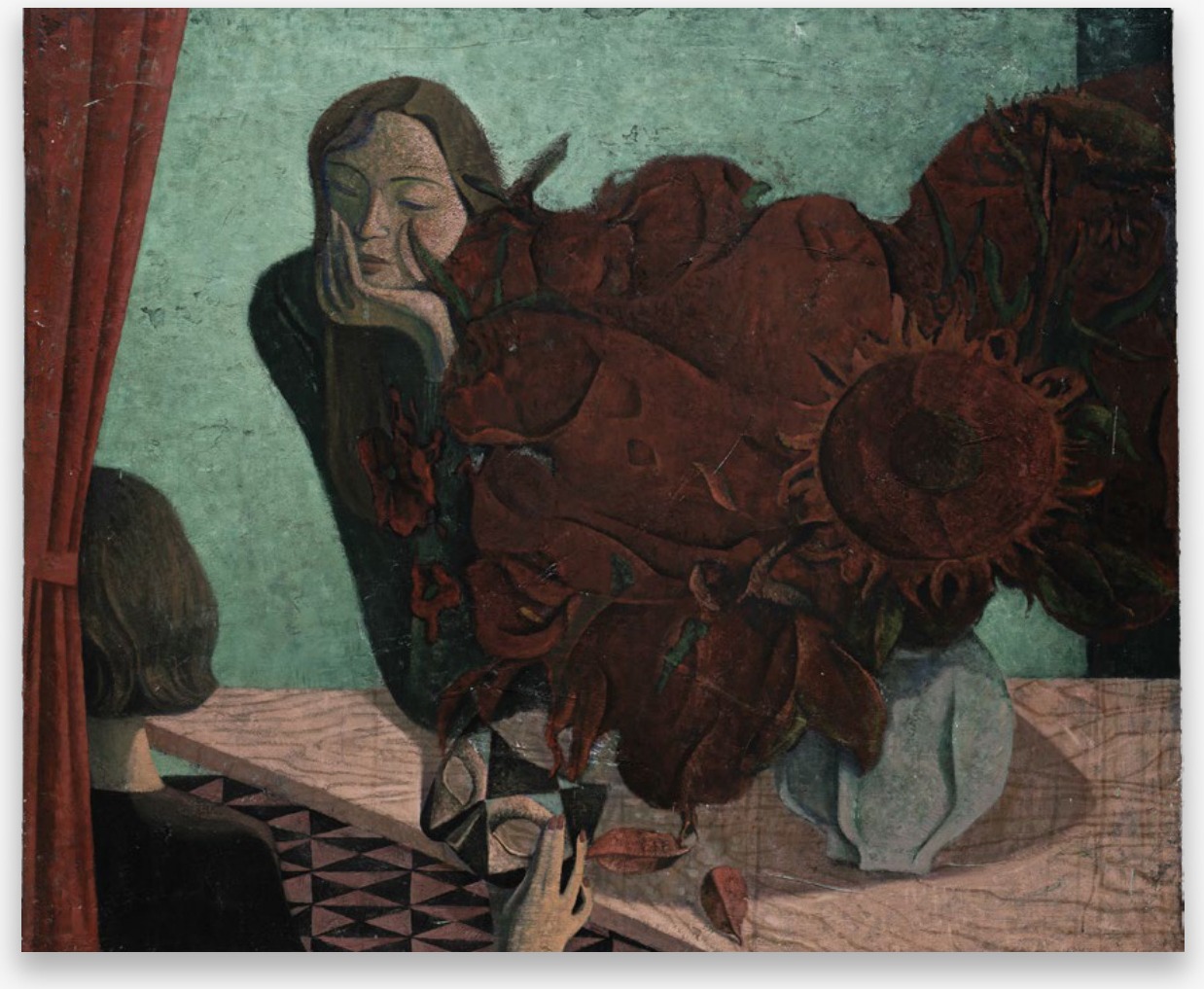
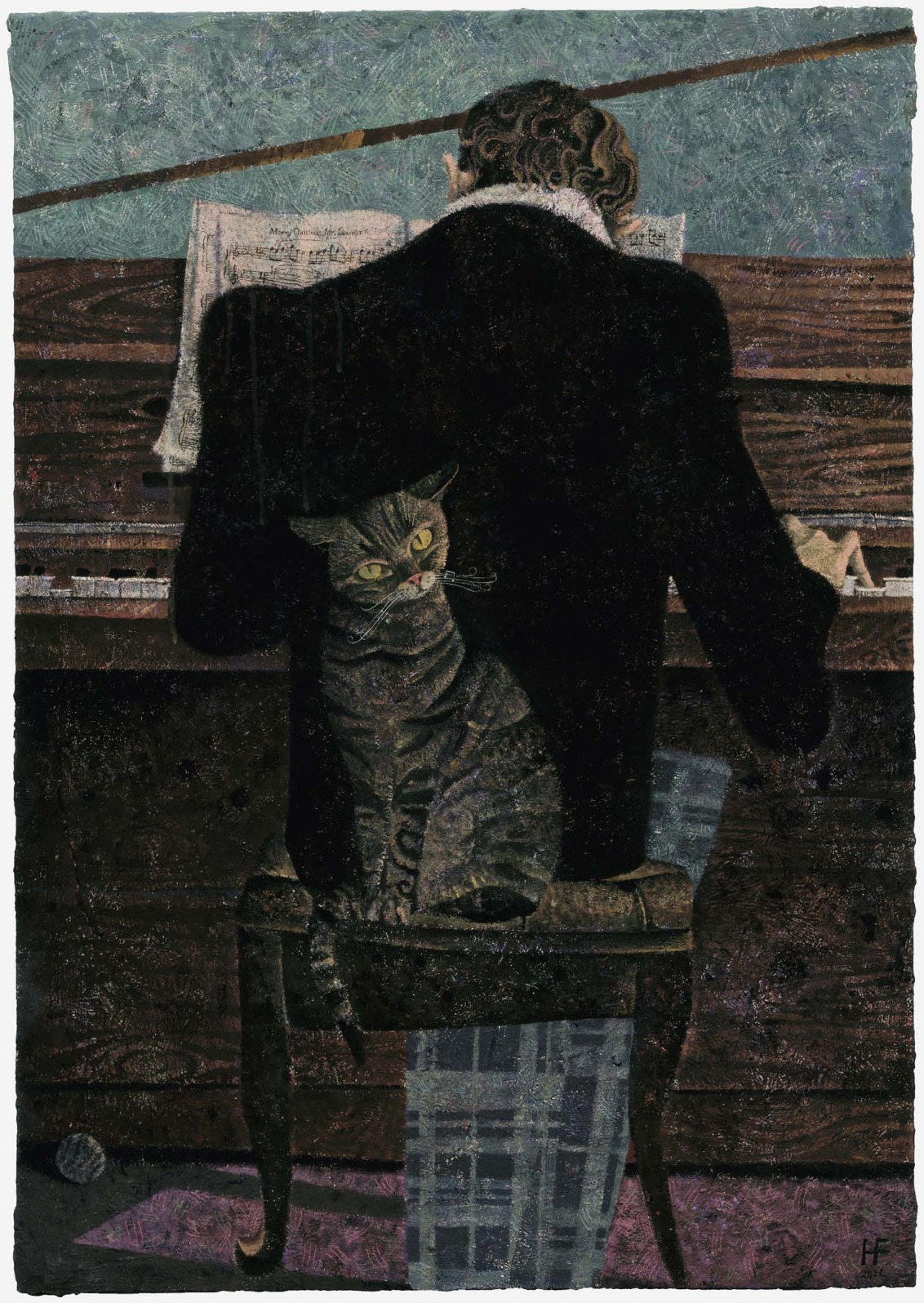
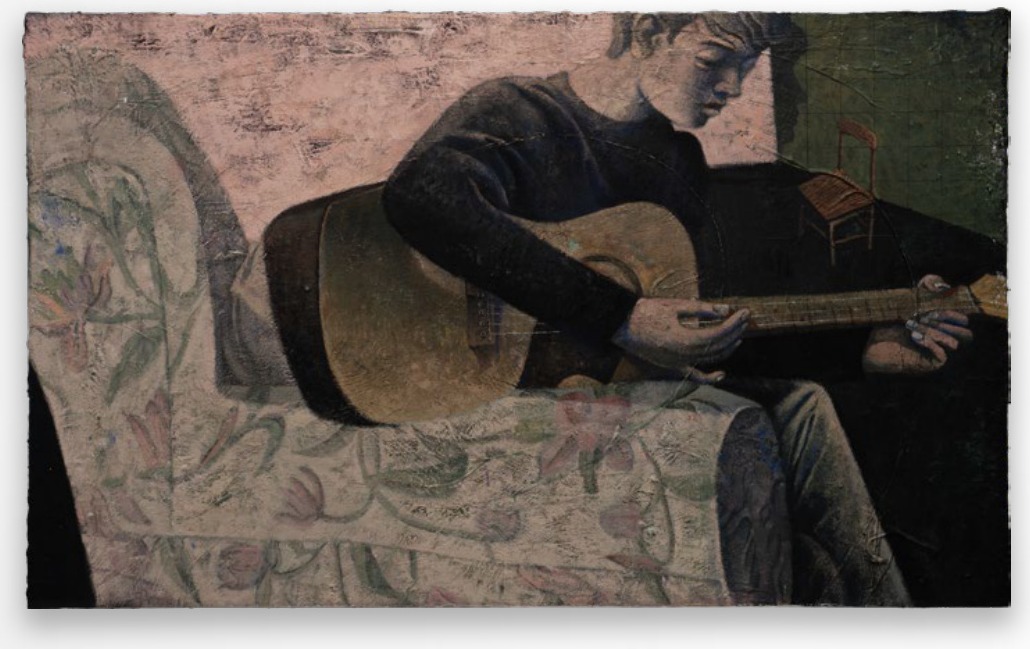
吴海峰(1997年出生)是一位以绘画为主要媒介的艺术家,其创作围绕时间、感知与向内沉浸的状态展开,通过人物、空间、植物与音乐性等元素构建画面,运用坦培拉缓慢而反复的覆盖过程,建立一种安静、克制且富有停顿感的视觉结构。音乐性元素贯穿其近年创作,钢琴、笛子、吉他等形象不仅是具体物象,也成为时间流动的隐喻;他关注音乐与绘画之间的关系,试图通过绘画承载原本属于听觉的经验。2025年,吴海峰参展蜂巢当代艺术中心群展“未介之时”,由陈宇滢策展。2026年,他在伯年艺术空间举办首次个展“空处余音”,由王垚力策展,呈现其新近创作的二十余件木板坦培拉作品。
WU Haifeng (b. 1997) is an artist who works primarily with painting. His practice revolves around time, perception, and states of inward immersion. Through elements such as figures, space, plants, and musicality, he constructs pictorial compositions. Employing the slow, repetitive layering process of tempera, he builds a quiet, restrained visual structure imbued with a sense of pause.
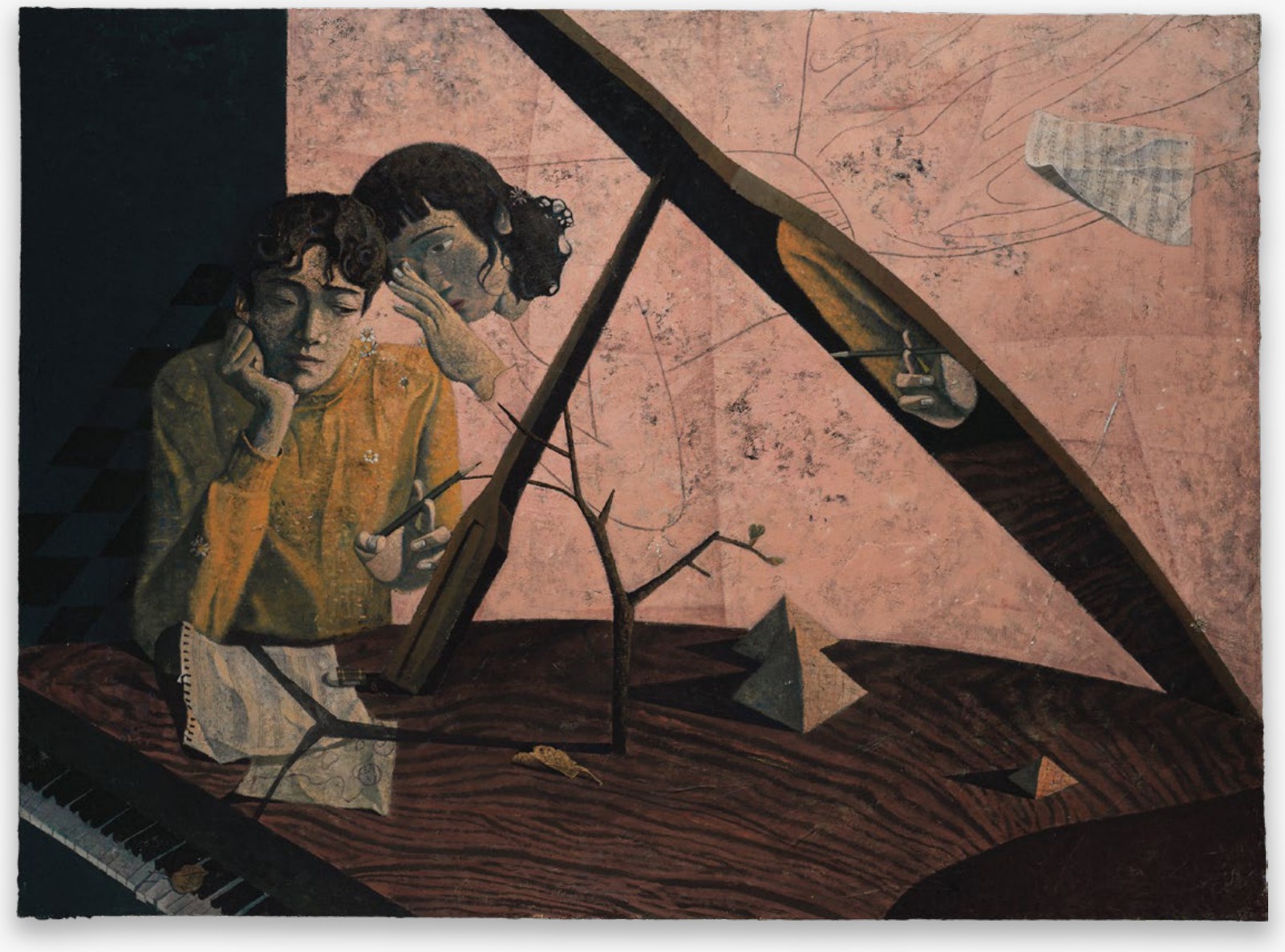
Musical elements run through his recent works. Images of piano, flute, guitar, and the like are not only concrete objects but also metaphors for the flow of time. He explores the relationship between music and painting, attempting to convey through the visual medium experiences that originally belong to the auditory realm. In 2025, WU Haifeng participated in the group exhibition “The Time Unframed” at Hive Center for Contemporary Art, curated by Chen Yuying. In 2026, he held his first solo exhibition “Echoes in Emptiness” at Bonian Art Space, curated by Wang Yaoli, presenting over twenty recent tempera on panel works.
代表作Selected Works
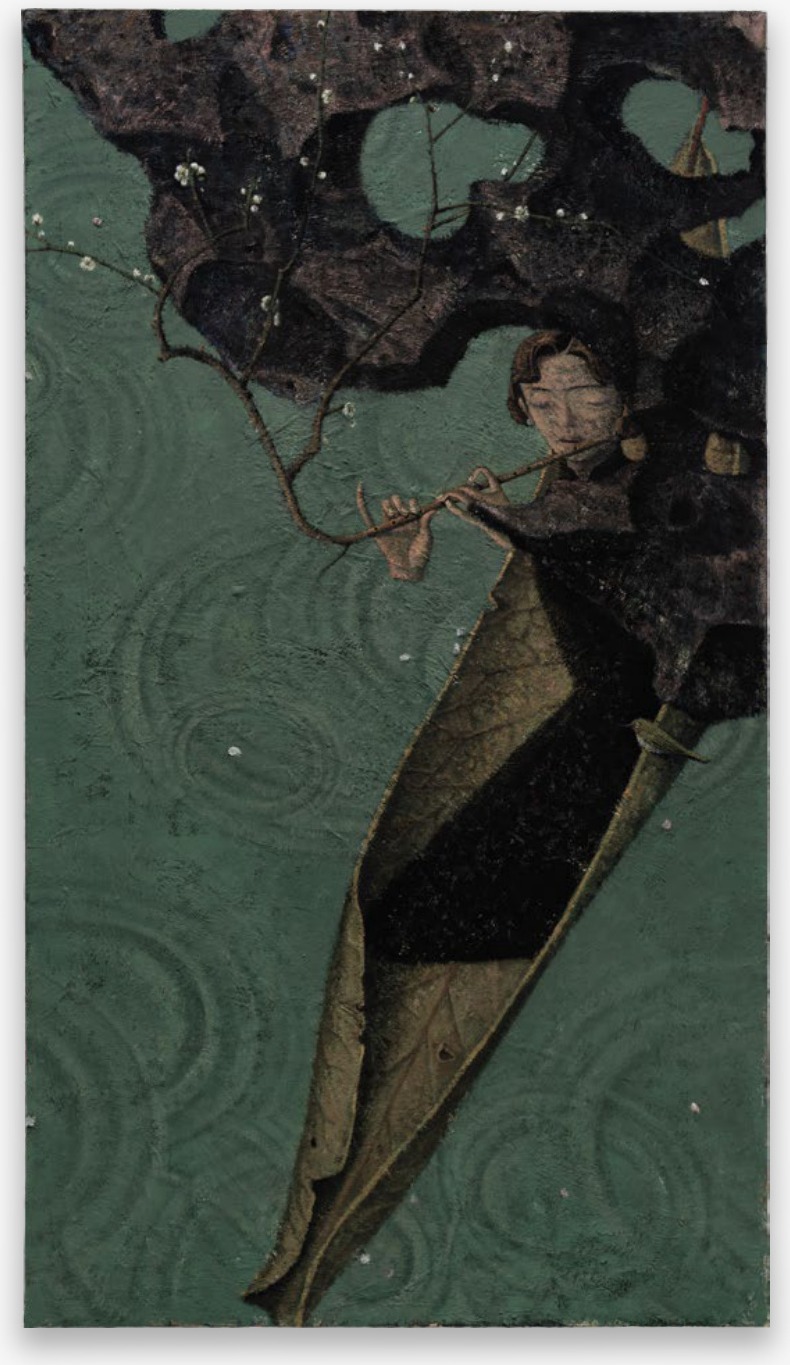
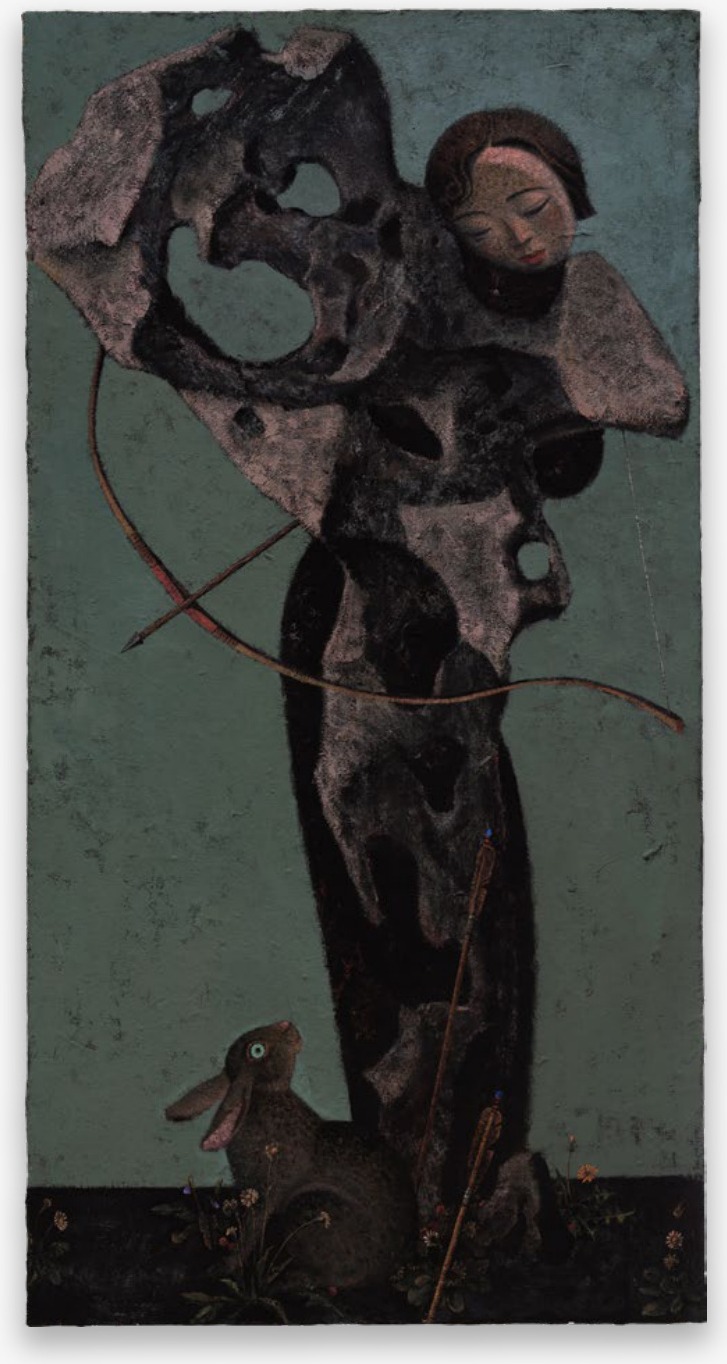
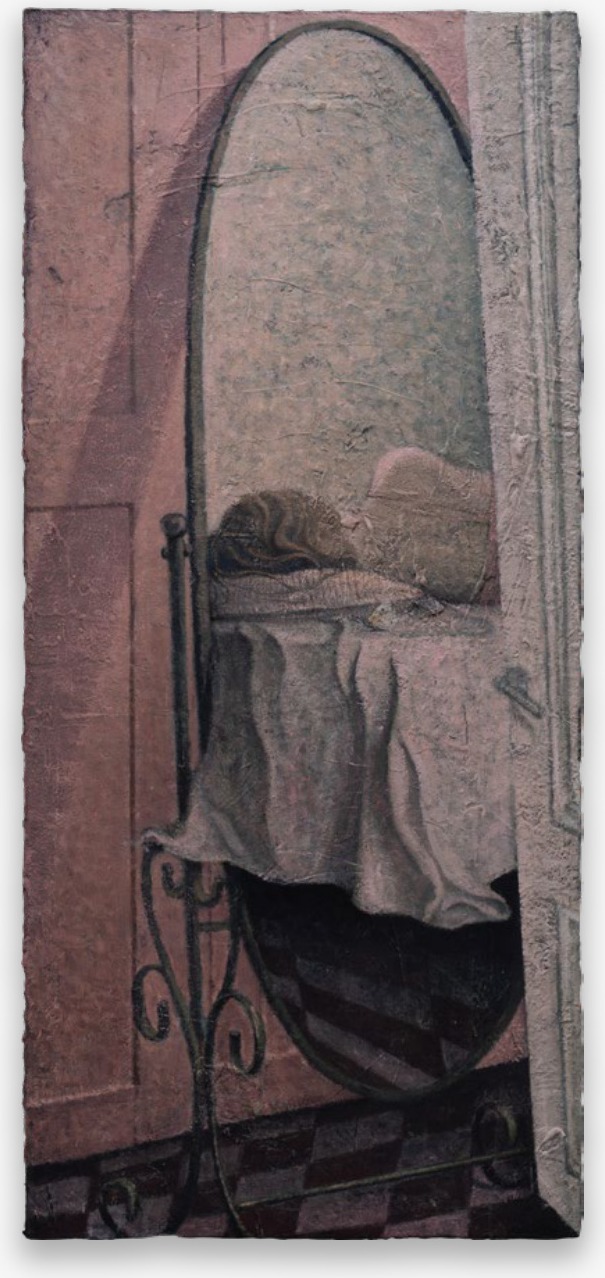
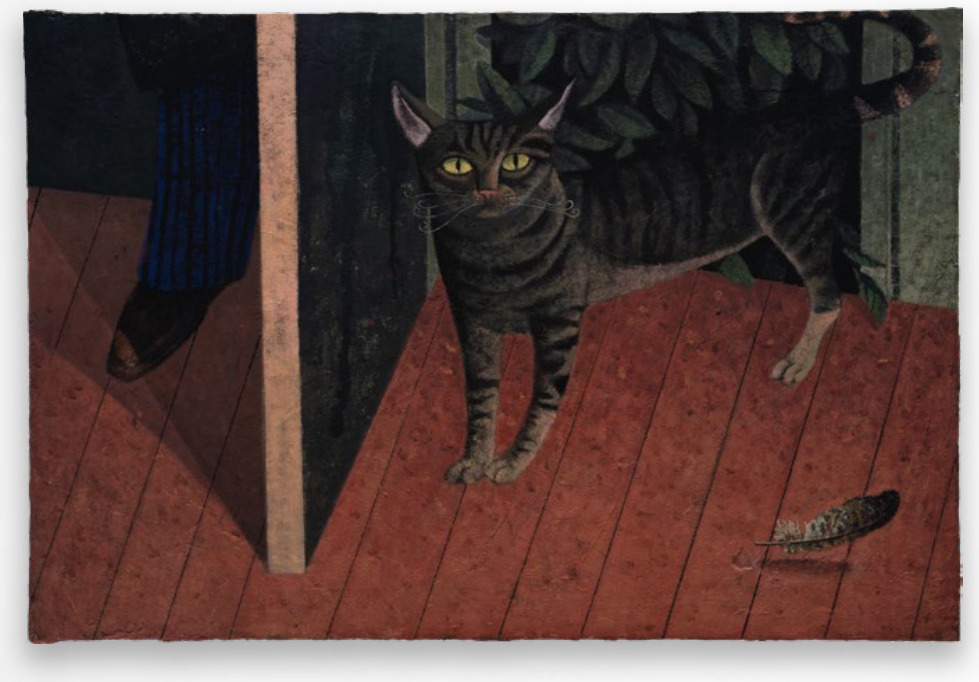
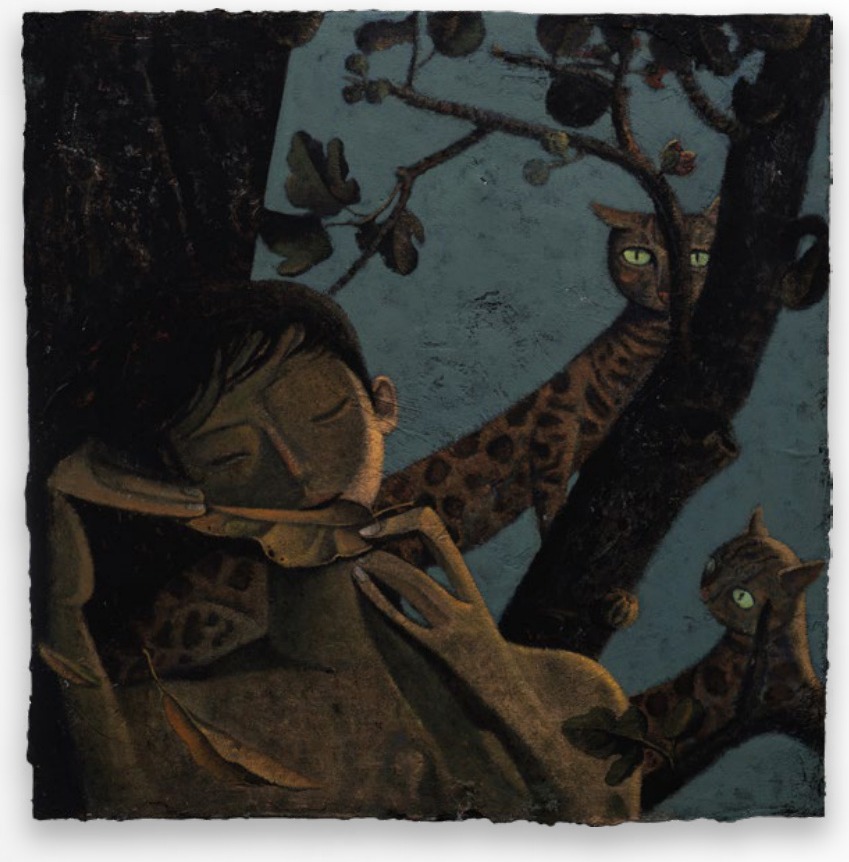
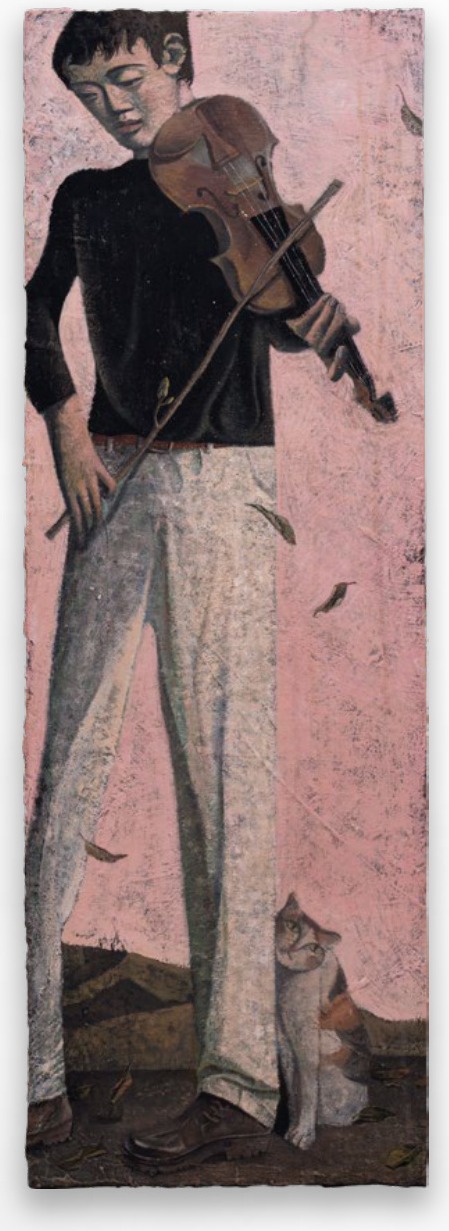
展览履历Exhibitions
- 2026海上计划 第二回:洄游上海圣佳艺术空间
- 2026空处余音伯年艺术空间
艺见洞察ArtMatters Insights
代表作与创作Selected Works & Style
吴海峰(WU Haifeng,1997年生)是一位以绘画为主要媒介的艺术家,其代表作与创作特点可概括如下:
**代表作(据平台档案)**
- 《降临》(2026,木板坦培拉)
- 《触》(2026,木板坦培拉)
- 《下午茶》(2026,木板坦培拉)
- 《介于其中》(2025,木板坦培拉)
- 《夜曲》(2026,木板坦培拉)
- 《对谈》(2026,木板坦培拉)
- 《坐忘虚舟》(2026,木板坦培拉)
- 《双喜图》(2026,木板坦培拉)
- 《浮梦》(2026,木板坦培拉)
- 《夜猫子》(2026,木板坦培拉)
- 《倾听者》(2026,木板坦培拉)
- 《春天奏鸣曲》(2025,木板坦培拉)
**创作特点**
吴海峰的创作围绕时间、感知与向内沉浸的状态展开,常以人物、空间、植物与音乐性元素构建画面。他运用坦培拉(tempera)缓慢而反复的覆盖过程,形成一种安静、克制、富有停顿感的视觉结构。音乐性元素贯穿其近年创作,钢琴、笛子、吉他等形象不仅是具体物象,也被作为时间流动的隐喻;他关注音乐与绘画之间的关系,试图以绘画承载原本属于听觉的经验。
**相关展览背景**
- 2025年,参展蜂巢当代艺术中心群展“未介之时”(策展人:陈宇滢)。
- 2026年,在伯年艺术空间举办首次个展“空处余音”(策展人:王垚力),呈现其新近创作的二十余件木板坦培拉作品。
WU Haifeng (b. 1997) works primarily in painting, especially tempera on wood panel. His practice centers on time, perception, and a state of inward immersion. He builds his images through figures, spaces, plants, and recurring musical motifs—such as piano, flute, and guitar—which function not only as concrete objects but also as metaphors for the flow of time. His interest lies in how painting can carry an experience that originally belongs to hearing, exploring the relationship between music and painting. Technically, he uses the slow, repeated layering process of tempera to create a quiet, restrained visual structure with a pronounced sense of pause.
His representative works include:
- *降临* (Jianglin), 2026, tempera on wood panel
- *触* (Chu), 2026, tempera on wood panel
- *下午茶* (Xiawucha), 2026, tempera on wood panel
- *介于其中* (Jieyu Qizhong), 2025, tempera on wood panel
- *夜曲* (Yequ), 2026, tempera on wood panel
- *对谈* (Duitan), 2026, tempera on wood panel
- *坐忘虚舟* (Zuowang Xuzhou), 2026, tempera on wood panel
- *双喜图* (Shuangxi Tu), 2026, tempera on wood panel
- *浮梦* (Fumeng), 2026, tempera on wood panel
- *夜猫子* (Yemaozi), 2026, tempera on wood panel
- *倾听者* (Qingtingzhe), 2026, tempera on wood panel
- *春天奏鸣曲* (Chuntian Zoumingqu), 2025, tempera on wood panel
In 2025, he participated in the group exhibition *未介之时* at Hive Center for Contemporary Art, and in 2026 he held his first solo exhibition *空处余音* at Bonian Art Space.
展览与收藏Exhibitions & Collections
根据平台“结构化艺术家档案数据”,吴海峰(WU Haifeng,1997年出生)的展出记录如下:
**展出机构**
- 2026年,参加群展“海上计划 第二回:洄游”,展览场地:上海圣佳艺术空间。
- 2026年,举办个展“空处余音”,展览场地:伯年艺术空间。
**被收藏机构**
- 平台现有艺术家档案中暂未提供吴海峰作品被哪些机构收藏的信息,因此目前无法确认相关收藏记录。
Based on the available artist profile:
**Exhibitions**
- **“空处余音” (Kong Chu Yu Yin)**, Bonian Art Space, 2026
- **“海上计划 第二回:洄游” (Hai Shang Ji Hua Di Er Hui: Hui You)**, Shanghai Shengjia Art Space, 2026
**Institutional collections**
- The available profile does not record any institutional collections of WU Haifeng’s work.