颜秉卿
简介Biography
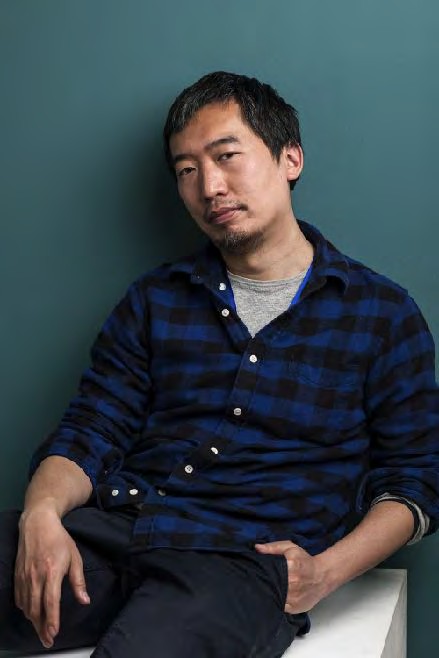
颜秉卿(1983年出生于上海),2009年毕业于中国美术学院油画系,获硕士学位,现工作居住于北京。他的创作融合了坦培拉的材料美学特性与文艺复兴前期的平面性和弱透视空间感,并将其转化为个人化的当代梦境剧场。重要个展包括:2015年“荷尔蒙”(Hi艺术中心,北京)、2018年“噱头”(玉兰堂,北京)、2020年“独角戏”(玉兰堂,北京)、2021年“迷魂记”(浙江美术馆,杭州)。群展经历有:2009年“青涩创想巨人杯大学生年度提名展”、2012年第三届新星星艺术节、2013年第三届青年艺术100、2014年hi21青年艺术及第五届新星星艺术节、2015年“青春叙事--当代艺术家邀请展”(三未艺术中心)。
Yan Bingqing was born in Shanghai in 1983 and graduated from the oil painting department of China Academy of Art with a master's degree in 2009. Now he lives and works in Shanghai. Institutional collections include China Art Museum, Shanghai and Zhejiang Art Museum. In recent years, Yan Bingqing's creations have mainly focused on tempera painting on wooden panels. He has always been trying to find a state of "authenticity" in his paintings - to face things truthfully and to face oneself truthfully. The figures in the artist's works usually appear in front of the viewers in an unnatural posture and are often naked. He admits that he can precisely control the expression of a figure's body, but often cannot imagine what these people would look like when dressed; to be precise, clothes inherently carry too many hidden attributes - gender, age, era, preferences, culture, class, nationality. Therefore, when a figure is dressed, the expression may deviate from the pure state of the body itself, and expressing this pure state is very important - painting is the way for the artist to resist these external forces that he fundamentally doesn't need, and this seemingly insignificant resistance is part of his practice. In addition to painting, Yan Bingqing has also created many clay sculptures, pouring his most carefree state into them, exploring the act of "creation" as freely as a child.
代表作Selected Works
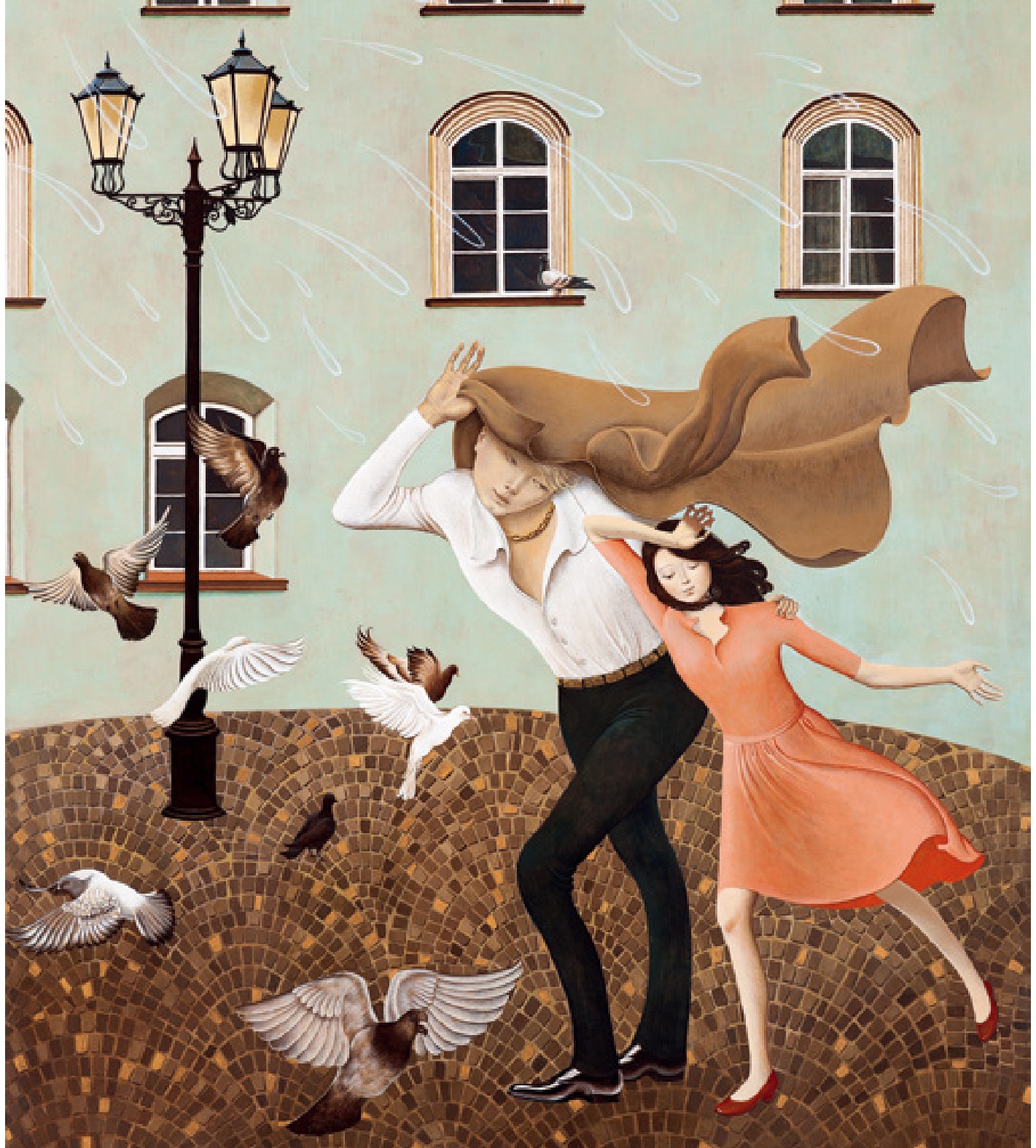
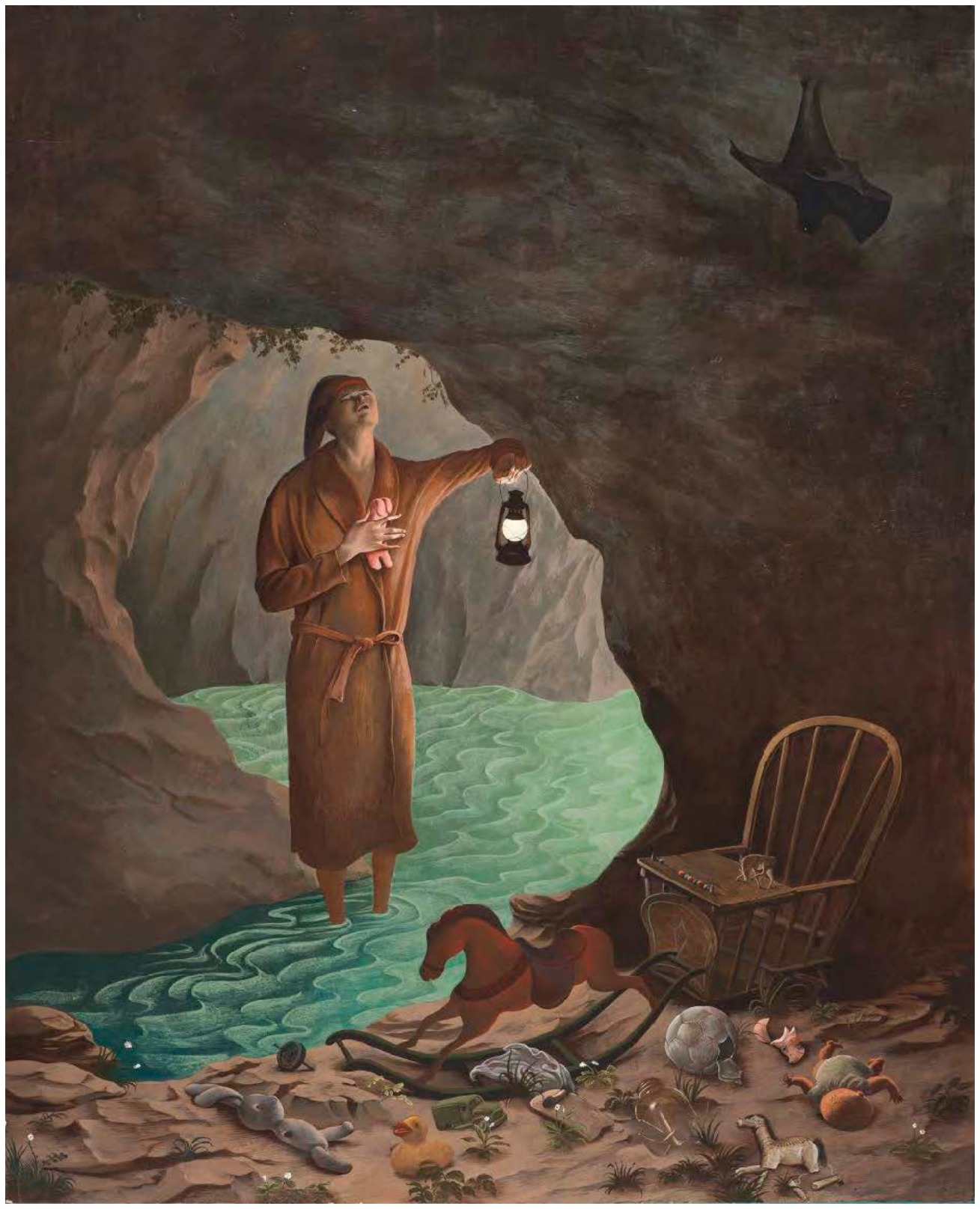
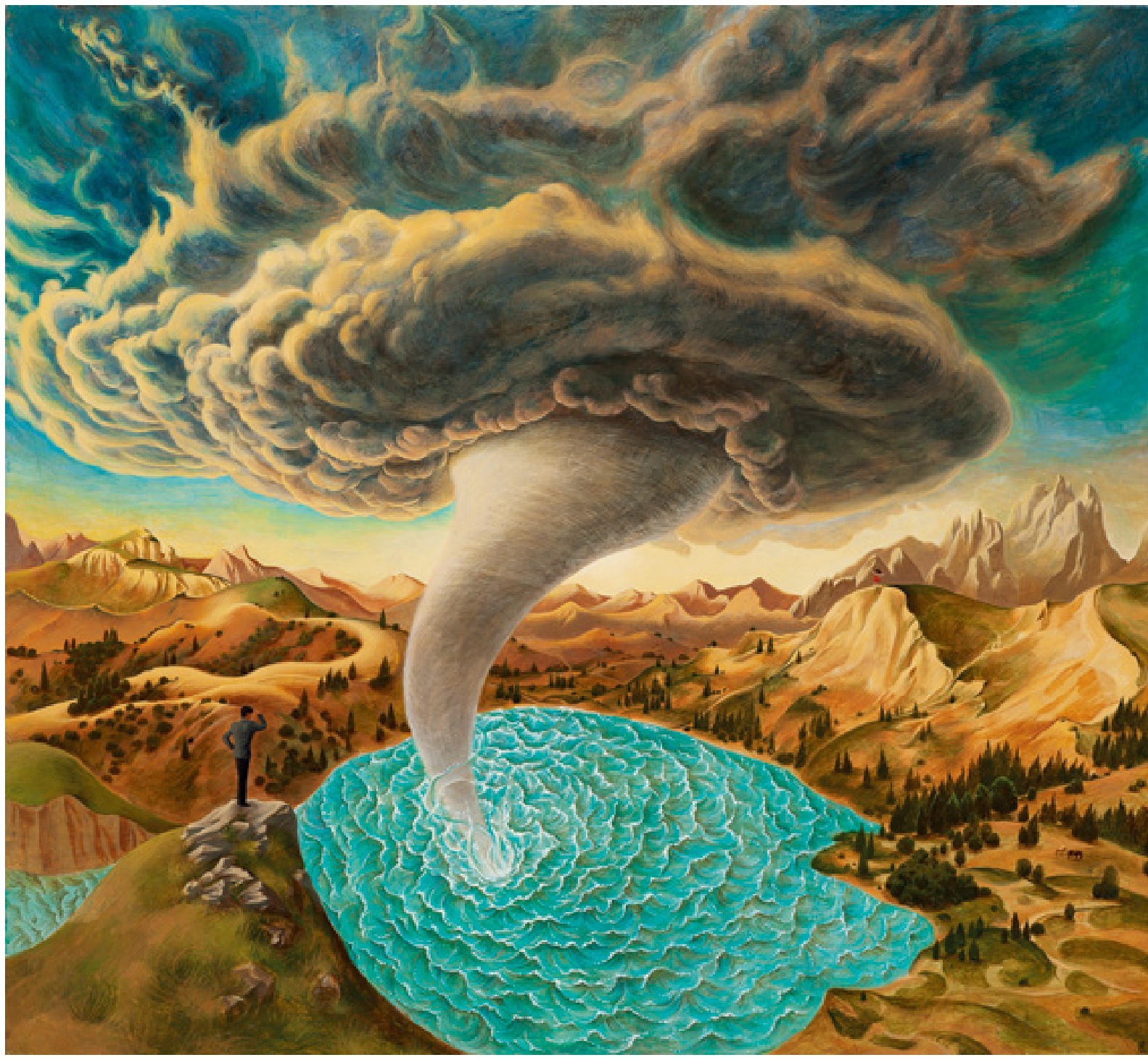
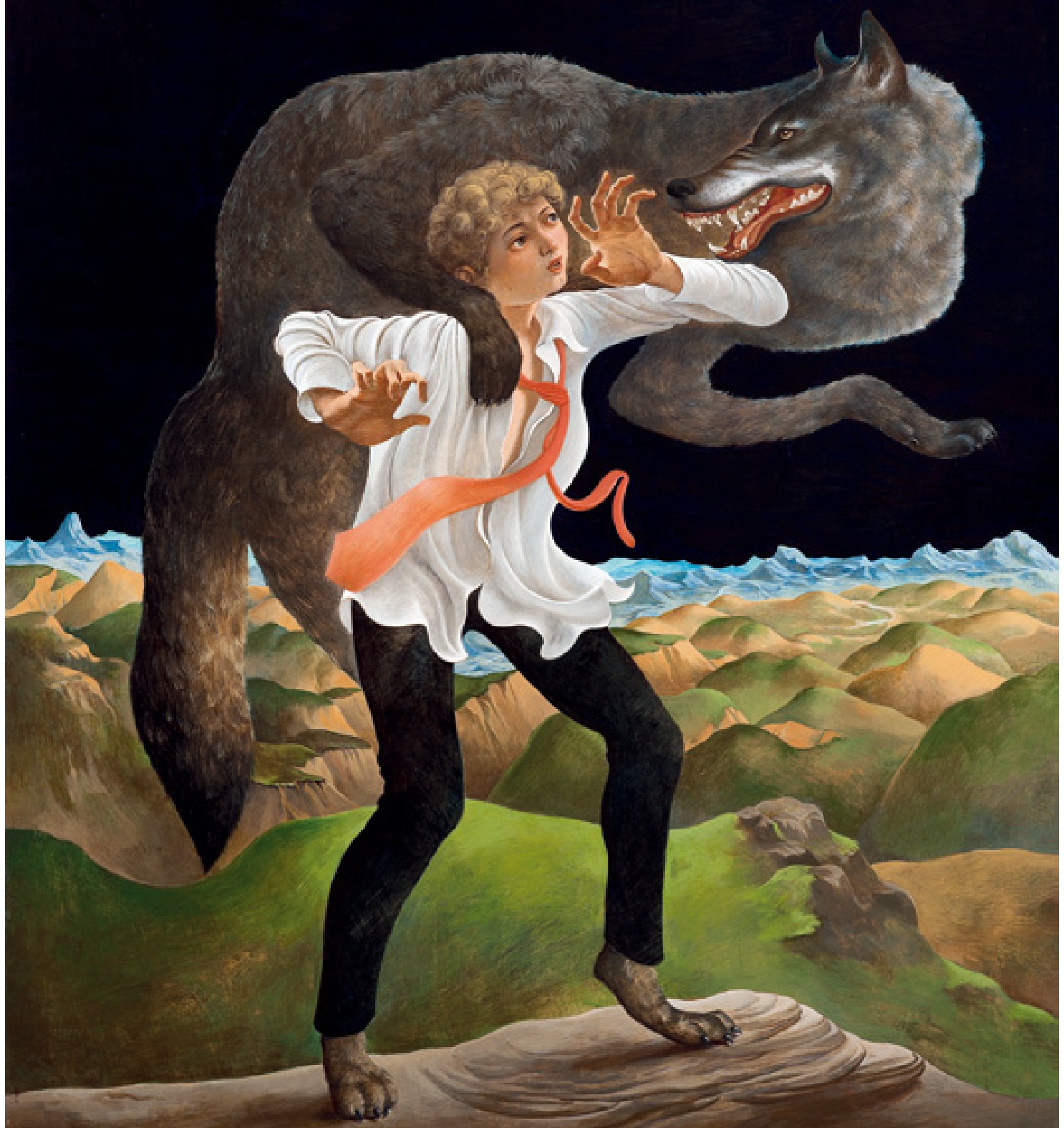
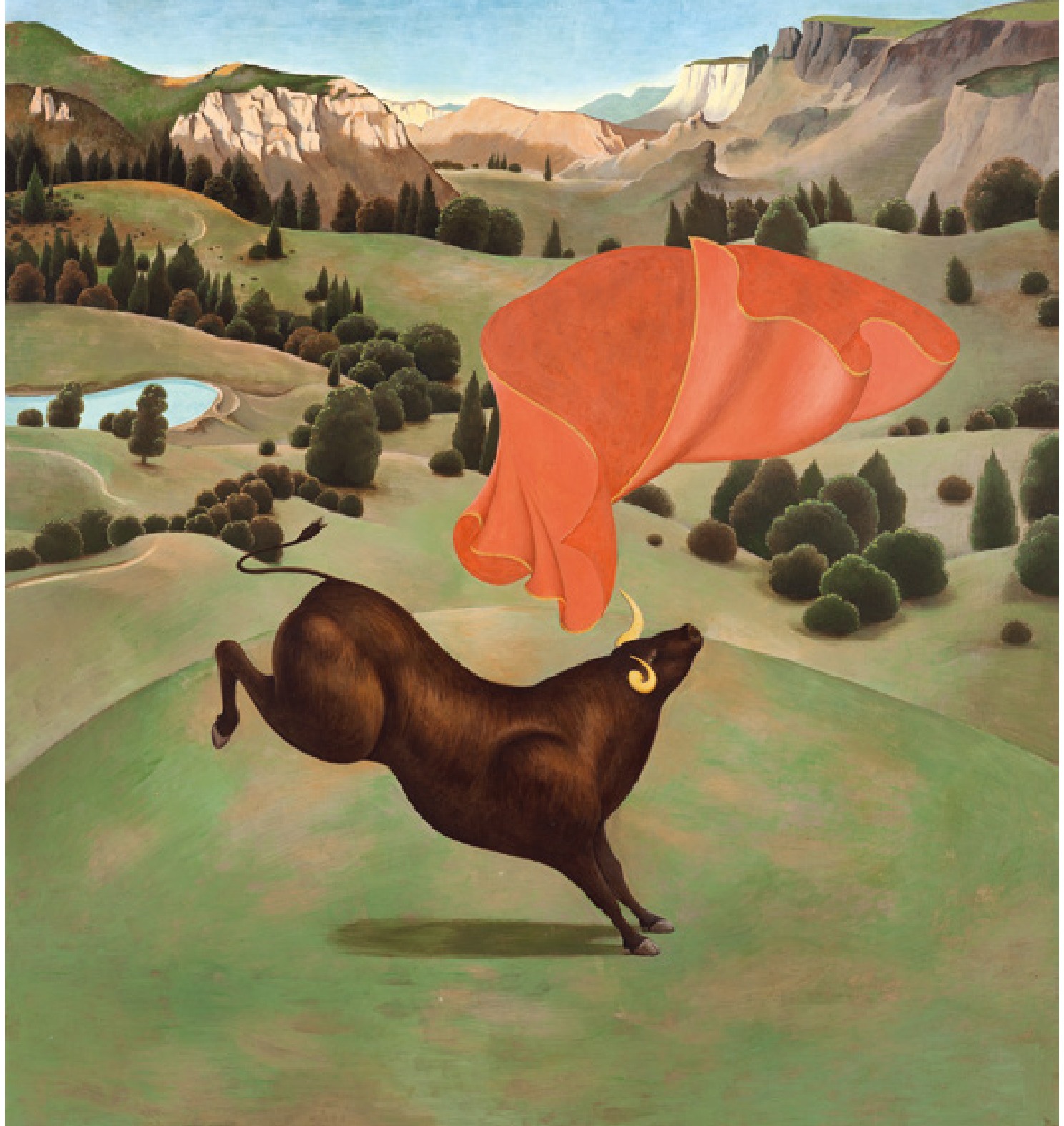
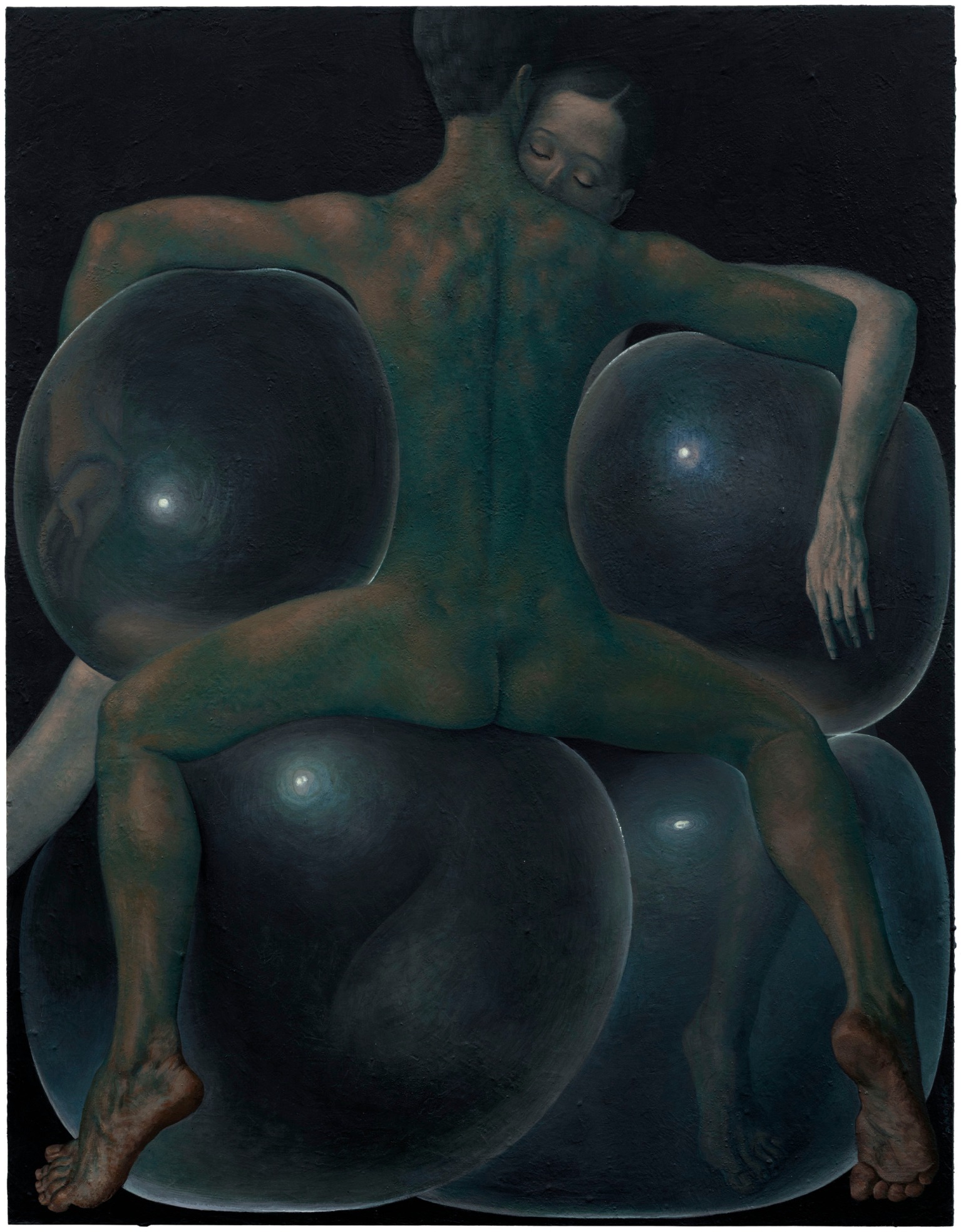
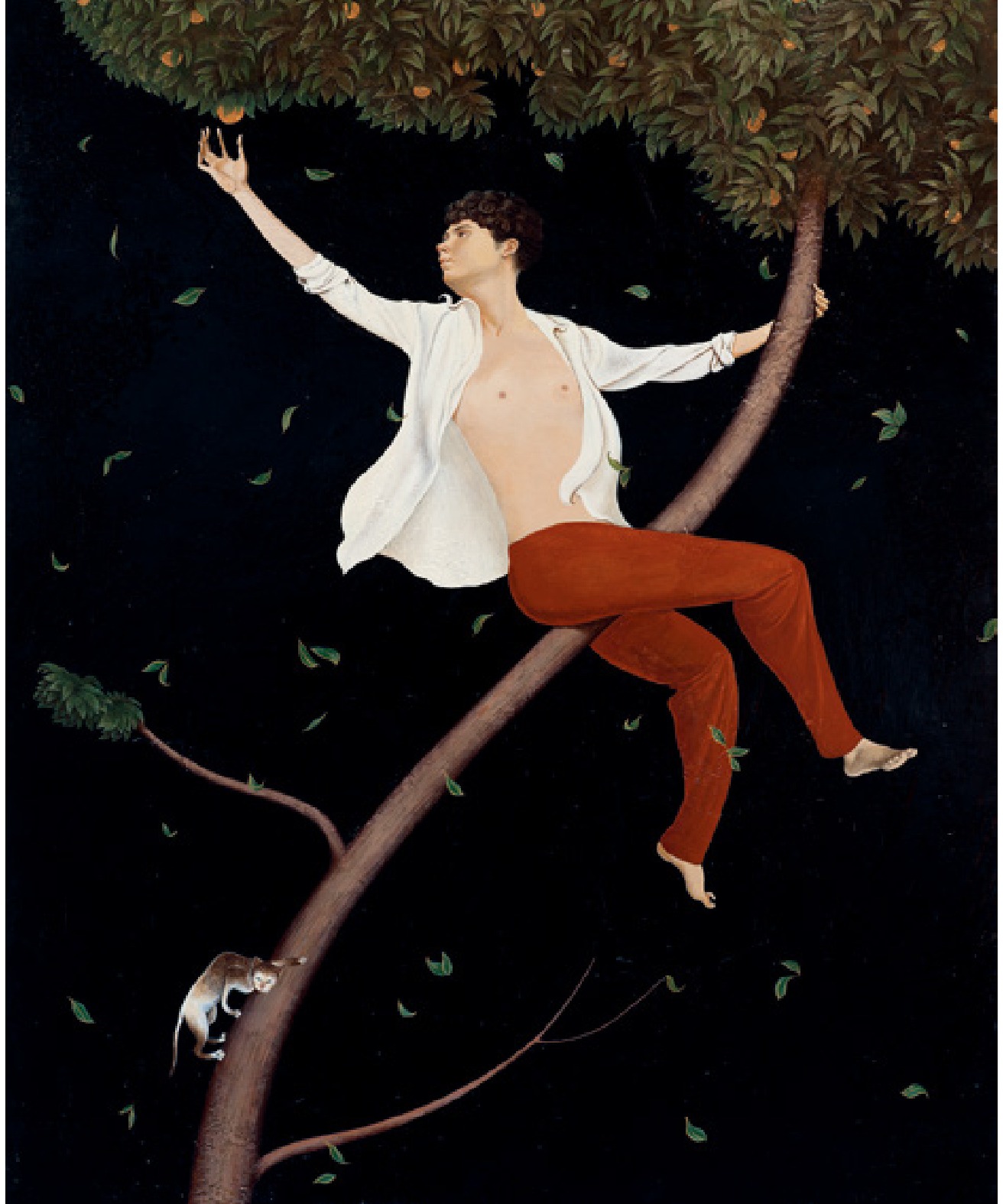
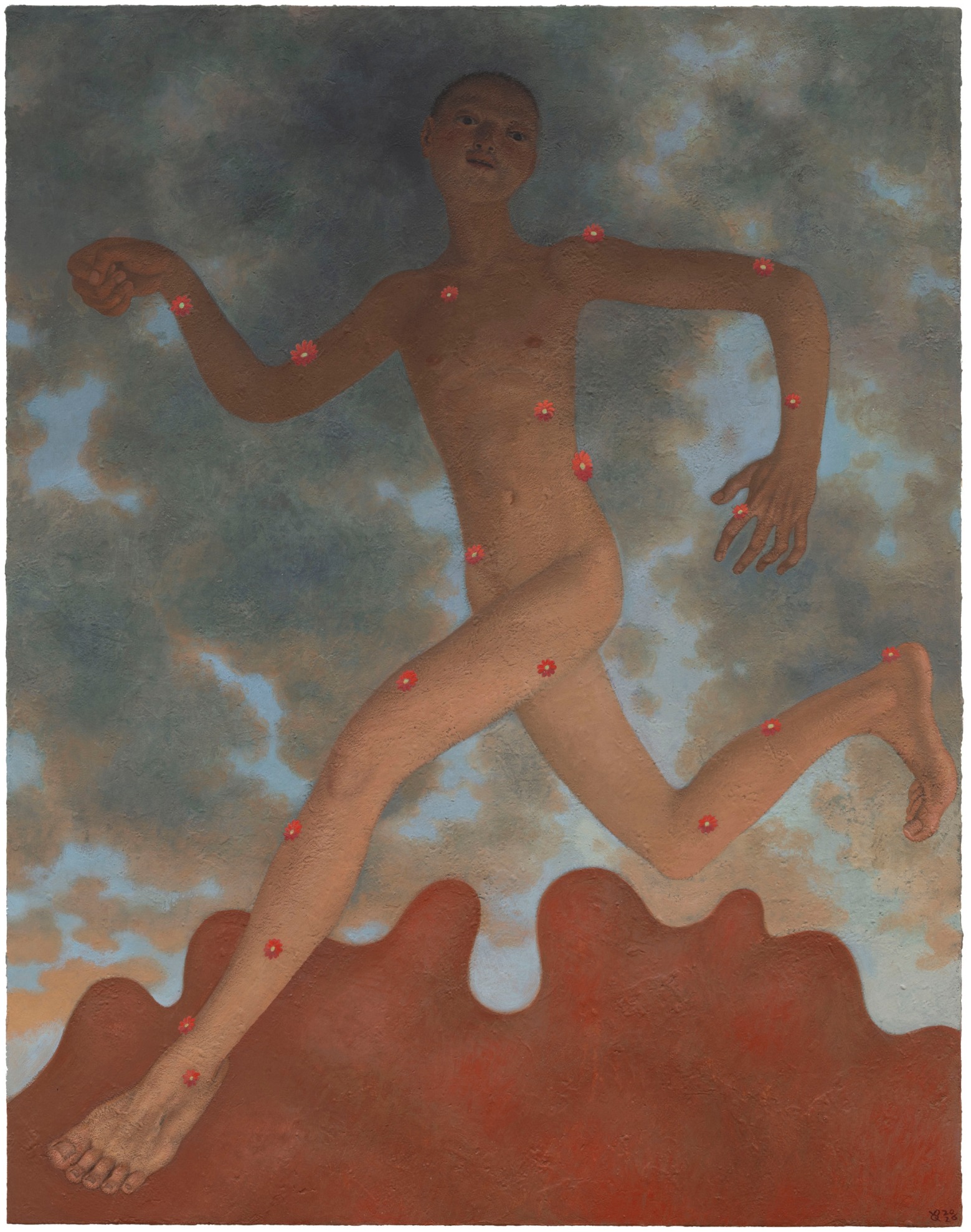
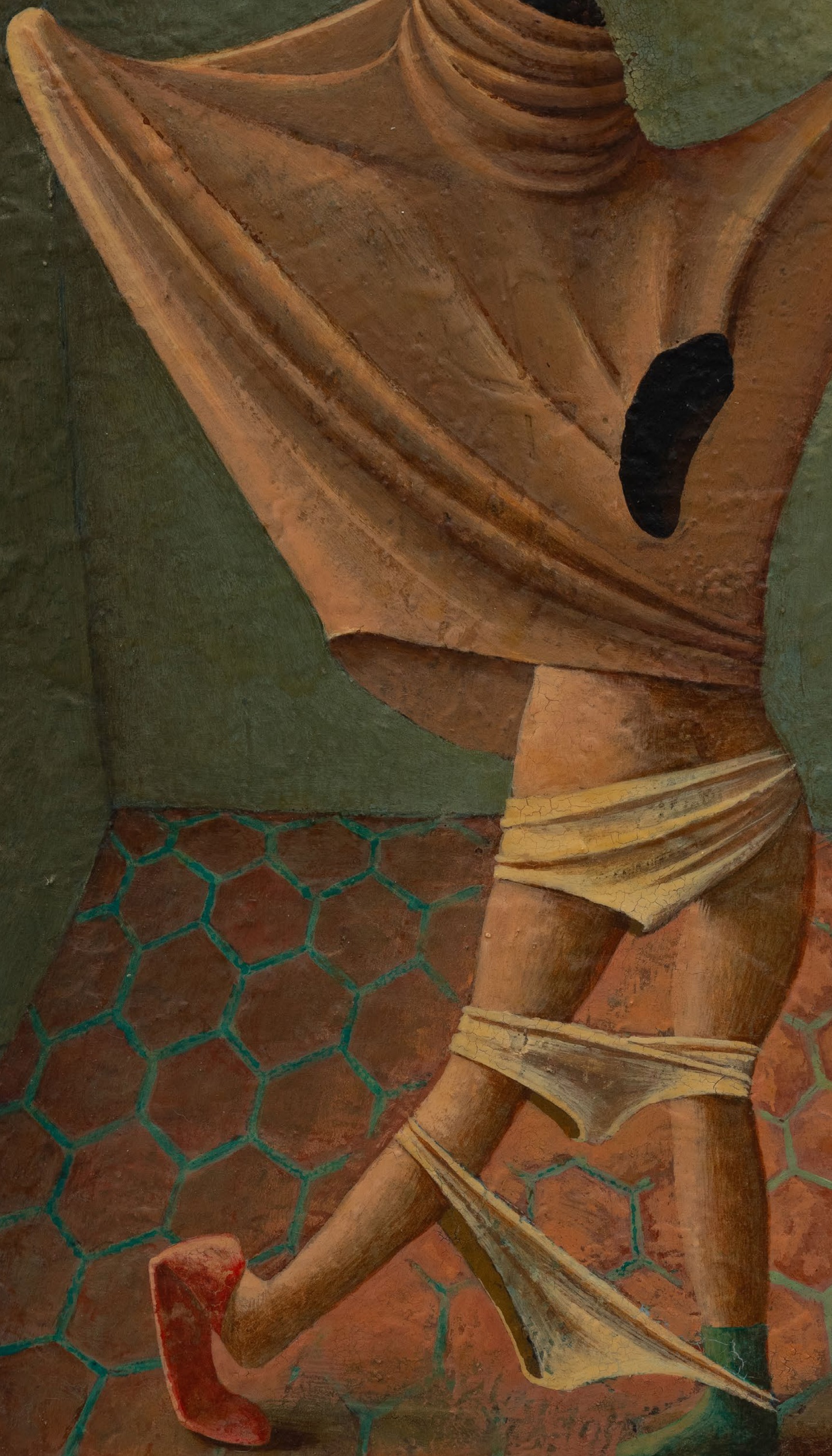
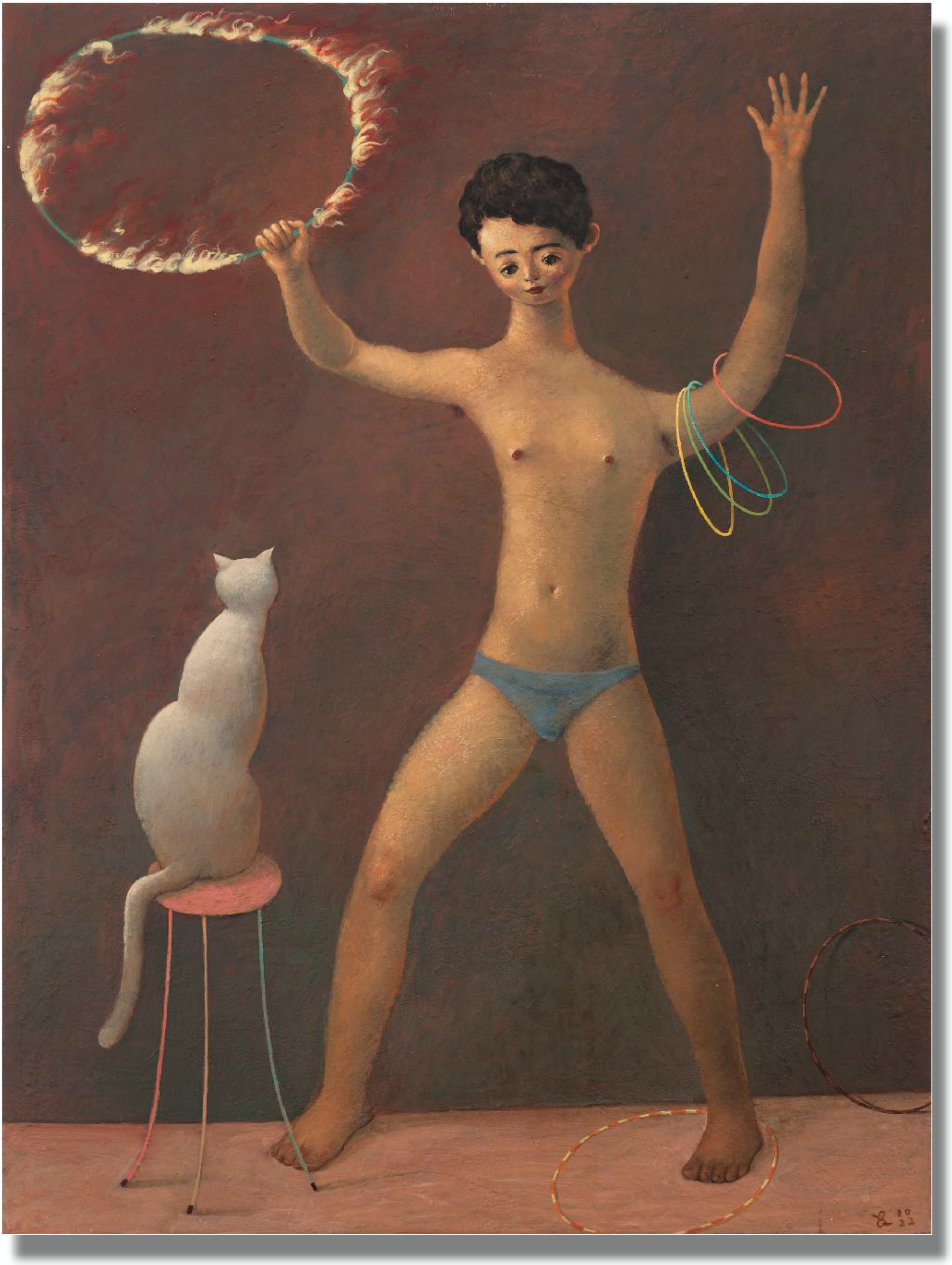
展览履历Exhibitions
- 2026坐标 —— JUSTART第四幕年度展利星行文化艺术中心 · JUSTART
- 2025于目光处上海市黄浦区四川中路33 号201-205 · 库比森画廊
- 2025利立浦特理想国又生空间
- 2025如此而过麦勒画廊
- 2023簇生 山与秋季群展ISLE Gallery · ISLE Gallery 山与艺术
- 2021迷魂记浙江美术馆10号展厅 · 玉兰堂
- 2020独角戏 个展Hi艺术中心
- 2019独角戏玉兰堂
- 2018噱头北京市朝阳区酒仙桥路10号恒通商务园B36-B座Hi艺术中心 · 玉兰堂
- 2018荷尔蒙 个展Hi艺术中心
- 2015荷尔蒙 个展Hi艺术中心
艺见洞察ArtMatters Insights
代表作与创作Selected Works & Style
颜秉卿(1983年生于上海,2009年毕业于中国美术学院油画系,获硕士学位,现居北京)是一位以坦培拉为主要媒介的当代具象艺术家。
**代表作**
其作品多集中于木板坦培拉,重要作品包括:
- 《平衡》(2017)
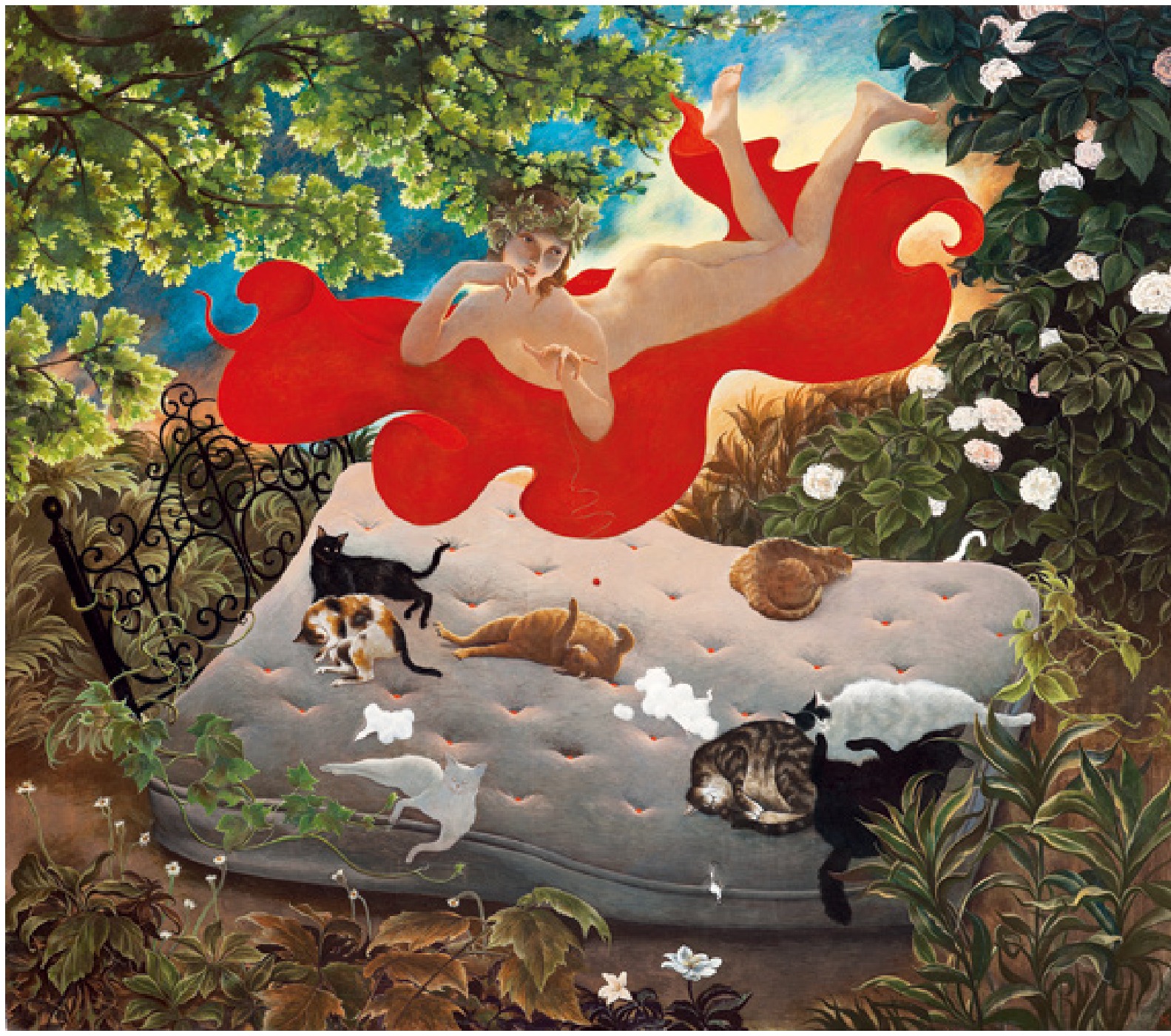
- 《猫园》(2018)
- 《大雨滴》(2016)
- 《洞穴》(2018)
- 《大龙卷》(2017)
- 《东郭狼》(2018)
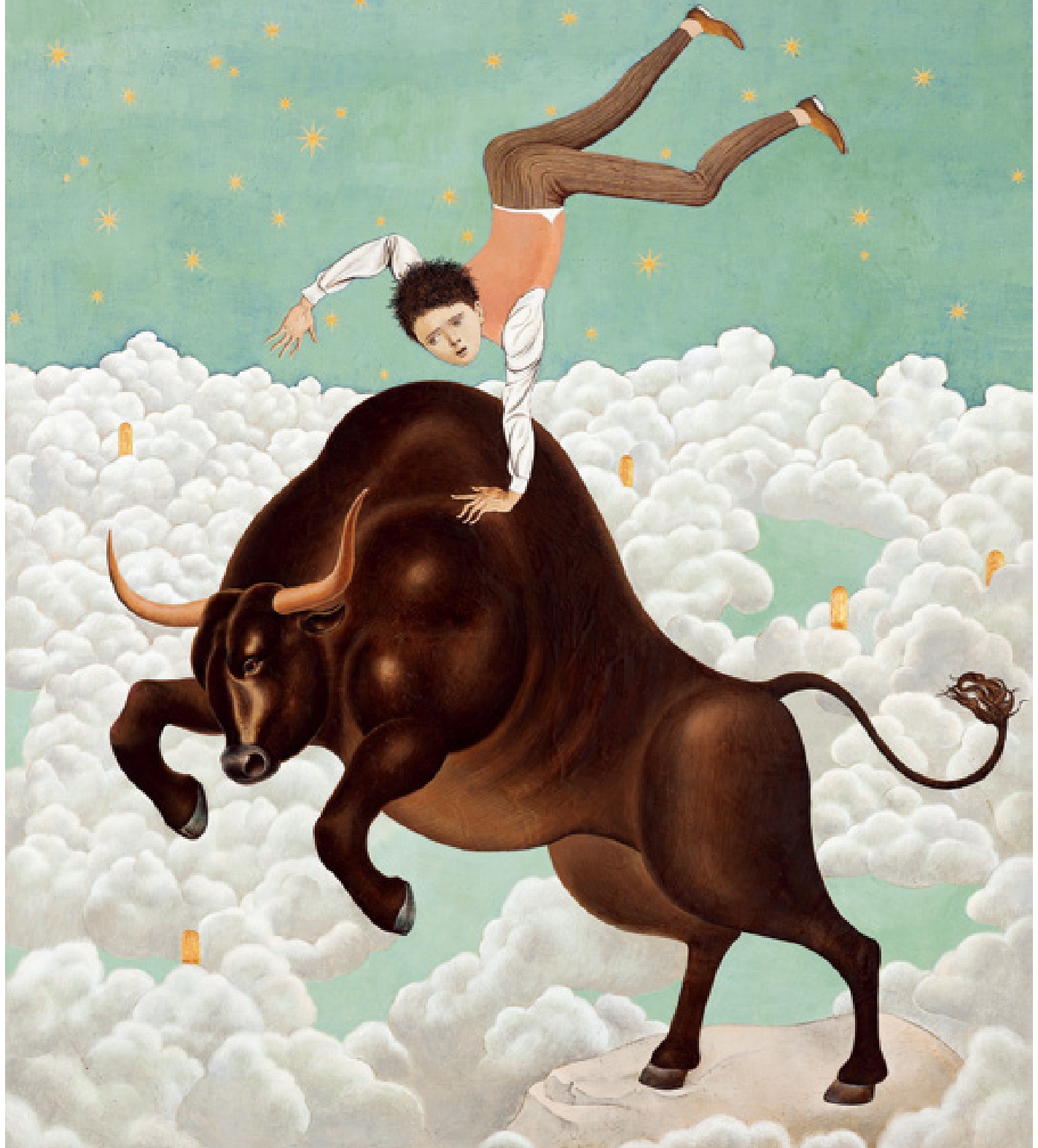
- 《牛斗》(2017)
- 《摘果》(2017)
- 《火圈》(2022)
**创作特点**
颜秉卿的创作融合了坦培拉的材料美学特性,以及文艺复兴前期绘画的平面性与弱透视空间感,并将其转化为个人化的“当代梦境剧场”。其风格涉及具象艺术、表现性具象、装饰性与象征主义,题材常围绕人物、身体、情感、记忆与时间、梦境展开。
在画面处理上,他常描绘细长、扭曲的人物形象,夸张的手掌与失衡的肢体在静谧背景中形成强烈视觉张力,使作品兼具古典质感与当代荒诞气息,冷幽默与梦幻氛围交织,具有很高的个人识别度。
重要个展包括:《荷尔蒙》(2015年,Hi艺术中心,北京)、《噱头》(2018年,玉兰堂,北京)、《独角戏》(2020年,玉兰堂,北京)、《迷魂记》(2021年,浙江美术馆,杭州)等。
Yan Bingqing (b. 1983, Shanghai) works primarily in tempera on wood, as well as oil and acrylic on canvas. His representative works include:
- *Balance* (*平衡*, 2017, tempera on wood)
- *Cat Garden* (*猫园*, 2018, tempera on wood)
- *Big Raindrops* (*大雨滴*, 2016, tempera on wood)
- *Cave* (*洞穴*, 2018, tempera on wood)
- *Great Tornado* (*大龙卷*, 2017, tempera on wood)
- *Dongguo Wolf* (*东郭狼*, 2018, tempera on wood)
- *Bullfight* (*牛斗*, 2017, tempera on wood)
- *Picking Fruit* (*摘果*, 2017, tempera on wood)
- *Ring of Fire* (*火圈*, 2022, tempera on wood)
- *Waves Rush* (*浪奔*, 2026, tempera on wood)
- *Untitled* (*无题*, 2025, oil on canvas)
His creative style merges the material aesthetics of tempera with the flatness and weak perspective of pre-Renaissance painting, transforming them into a personal, contemporary dream-like theatre. Yan’s works are characterized by everyday motifs and over-exaggerated depictions of human figures, often featuring nude bodies that emphasize rhythmic movement and corporeal curves. Drawing inspiration from scenes of daily life—such as children playing with animals—he creates fable-like, jolly images that balance humor and emotional immediacy. By combining Renaissance visual references with contemporary subjects, his paintings occupy a distinctive space between art-historical awareness and intimate, symbolic narrative.
展览与收藏Exhibitions & Collections
根据平台结构化艺术家档案数据,颜秉卿(1983年生于上海,2009年毕业于中国美术学院油画系并获硕士学位,现工作居住于北京)的展出机构记录如下:
**个展/合作机构:**
- Hi艺术中心,北京(2015,“荷尔蒙”)
- 玉兰堂,北京(2018,“噱头”;2019/2020,“独角戏”——档案中该展年份分别有2020年与2019年两种记录,并列供参考)
- 浙江美术馆10号展厅,杭州(2021,“迷魂记”,合作画廊为玉兰堂)
**群展/项目涉及机构:**
- 三未艺术中心(2015,“青春叙事——当代艺术家邀请展”)
- 利星行文化艺术中心(2026,“坐标——JUSTART第四幕年度展”)
- 库比森画廊,上海(2025,“于目光处”)
- 又生空间(2025,“利立浦特理想国”)
- 麦勒画廊(2025,“如此而过”)
- ISLE Gallery 山与艺术(2023,“簇生 山与秋季群展”)
- 以及“青涩创想巨人杯大学生年度提名展”、第三届新星星艺术节、第三届青年艺术100、hi21青年艺术、第五届新星星艺术节等群展/项目。
**关于被哪些机构收藏:**
平台现有档案未收录颜秉卿作品被哪些机构收藏的明确信息;公开拍卖成交数据中也不含收藏机构字段。因此,目前无法列出其确切的收藏机构名单,需以画廊、美术馆或艺术家官方提供的收藏记录为准。
Based on the provided artist archive for **Yan Bing Qing** (Yan Bingqing, b. 1983, Shanghai), the recorded exhibition venues include:
**Solo exhibitions**
- Hi Art Center, Beijing – *Hormones* (2015)
- Yulangtang / Line Gallery, Beijing – *Gimmick* (2018)
- Yulangtang, Beijing – *One-Man Show* (listed as 2019 in the exhibitions section; the biography also mentions 2020)
- Zhejiang Art Museum, Hangzhou – *Vertigo* (2021)
**Group exhibitions / other listed shows**
- Lixinghang Cultural and Art Center / JUSTART – *Coordinates: JUSTART Fourth Act Annual Exhibition* (2026)
- Cubison Gallery / 库比森画廊, Shanghai – *At the Gaze* (2025)
- Yousheng Space / 又生空间 – *Lilliputian Utopia* (2025)
- Galerie Urs Meile / 麦勒画廊 – *Passing By* (2025)
- ISLE Gallery / 山与艺术 – *Cluster: Mountain and Autumn Group Exhibition* (2023)
- Earlier group exhibitions listed in the biography include: *Qingse Chuangxiang Giant Cup University Student Annual Nomination Exhibition* (2009), the Third New Star Art Festival (2012), the Third Youth Art 100 (2013), hi21 Young Art and the Fifth New Star Art Festival (2014), and *Youth Narrative – Contemporary Artists Invitational Exhibition* at Sanwei Art Center (2015).
**Institutional collections:**
The available archive does **not** list any specific institutions that collect Yan Bing Qing’s work. Therefore, that information is not available in the current source.