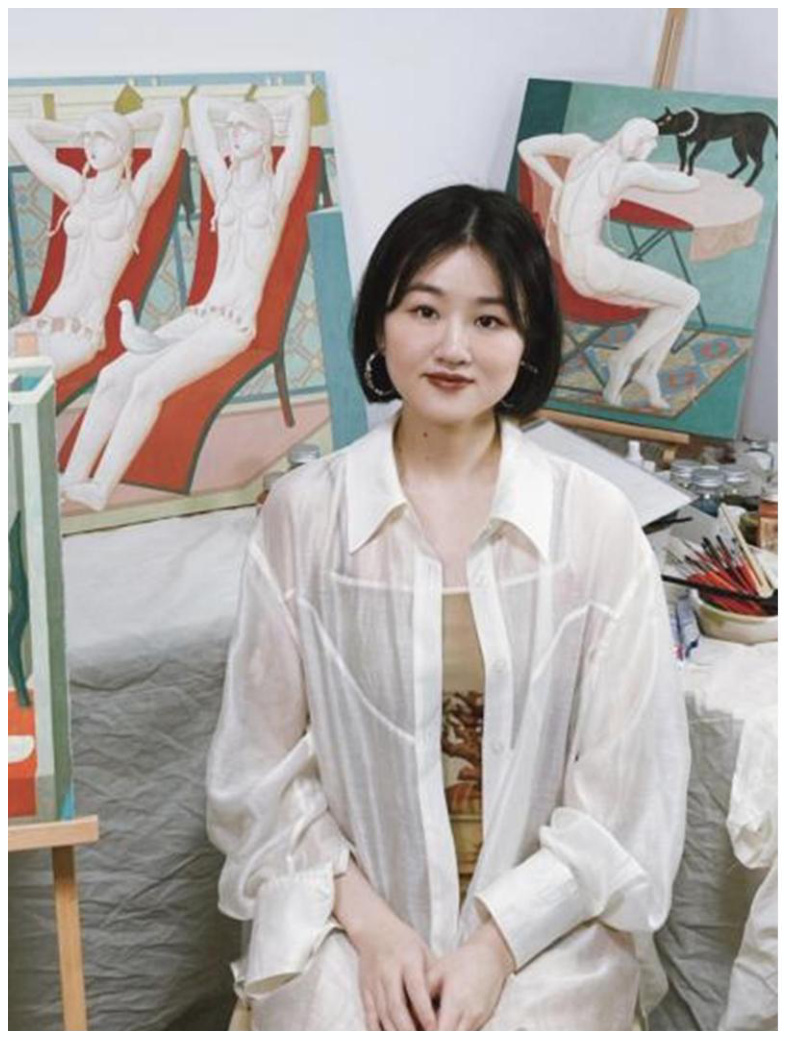
郑丽晶
简介Biography
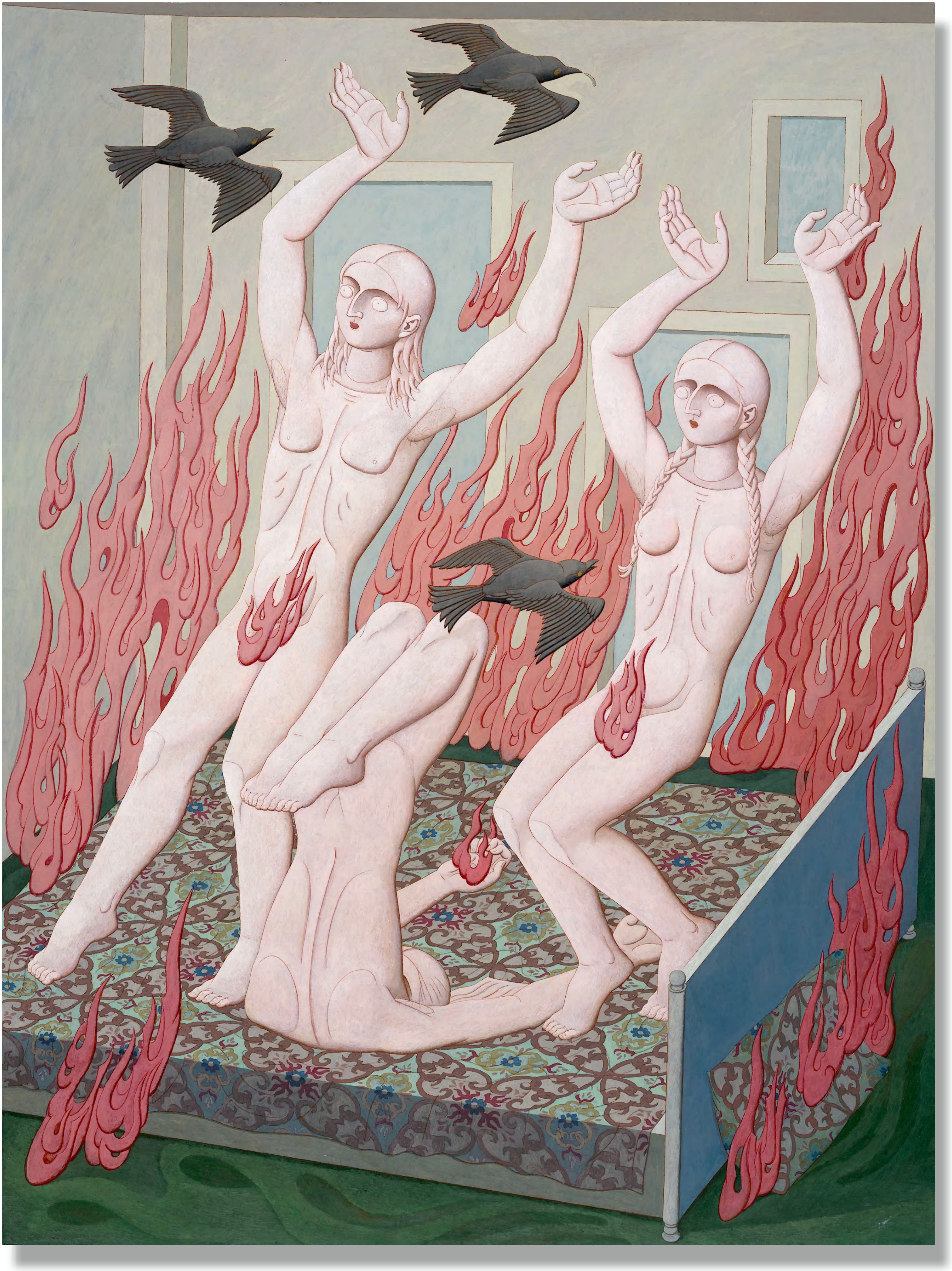
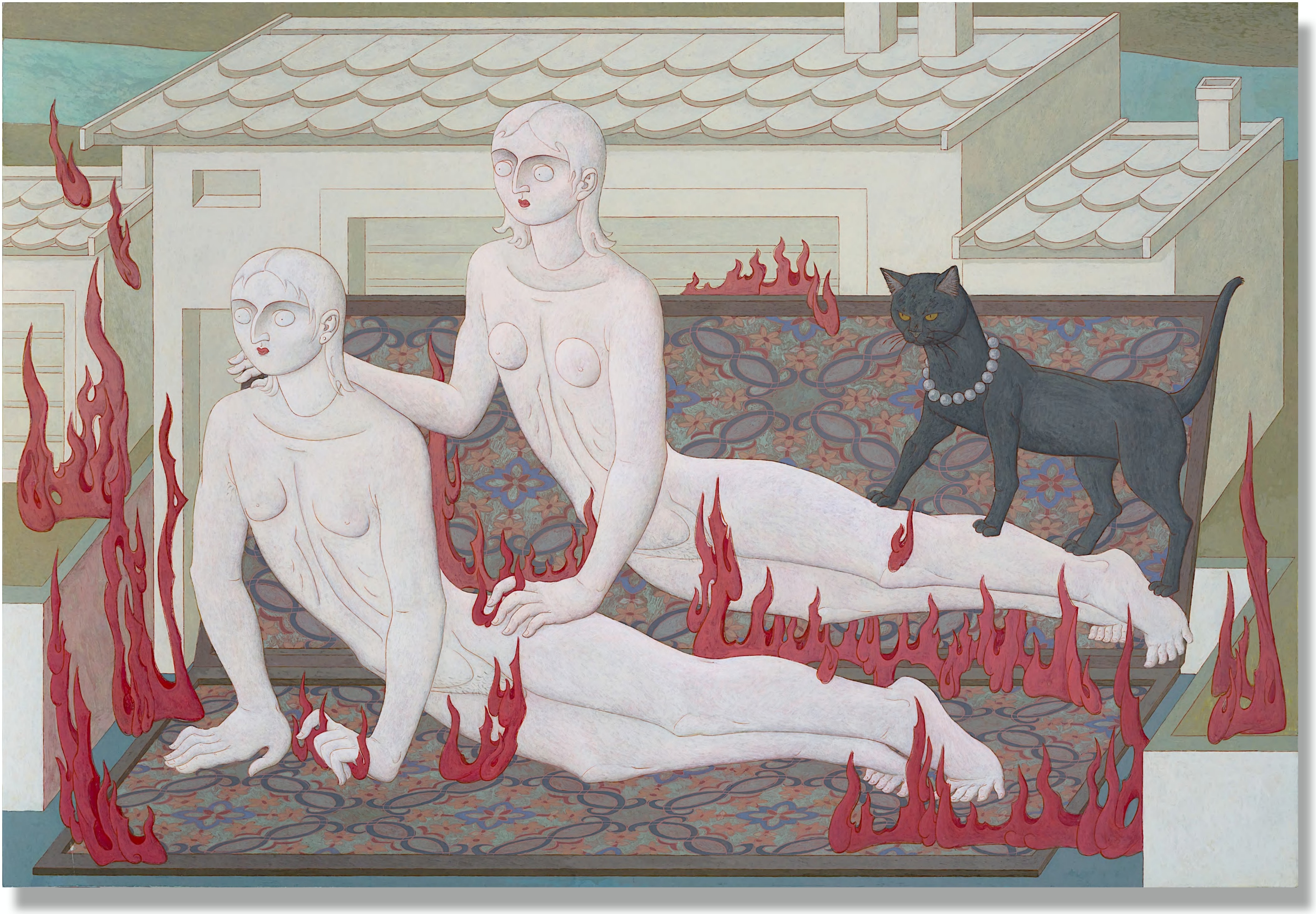
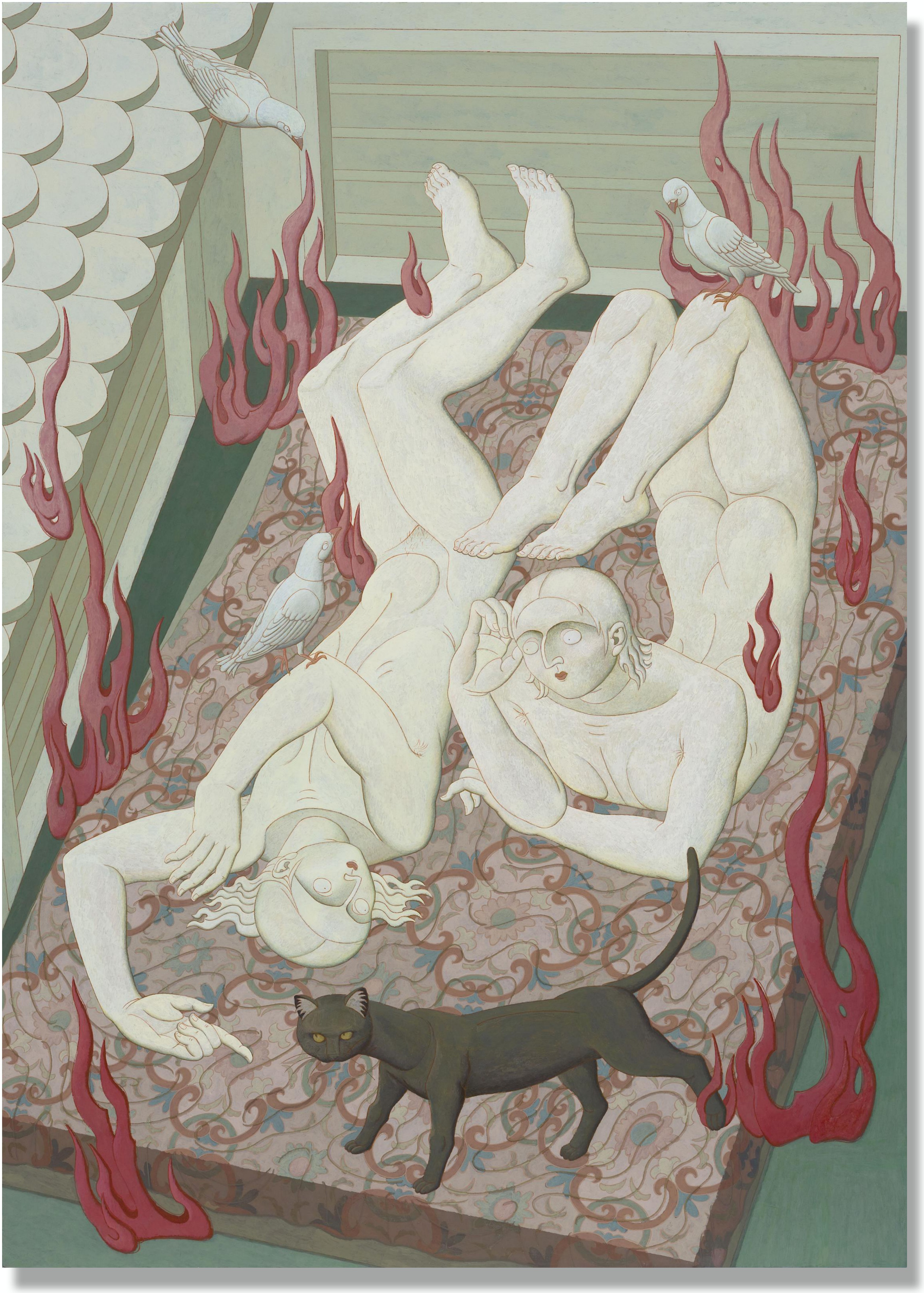
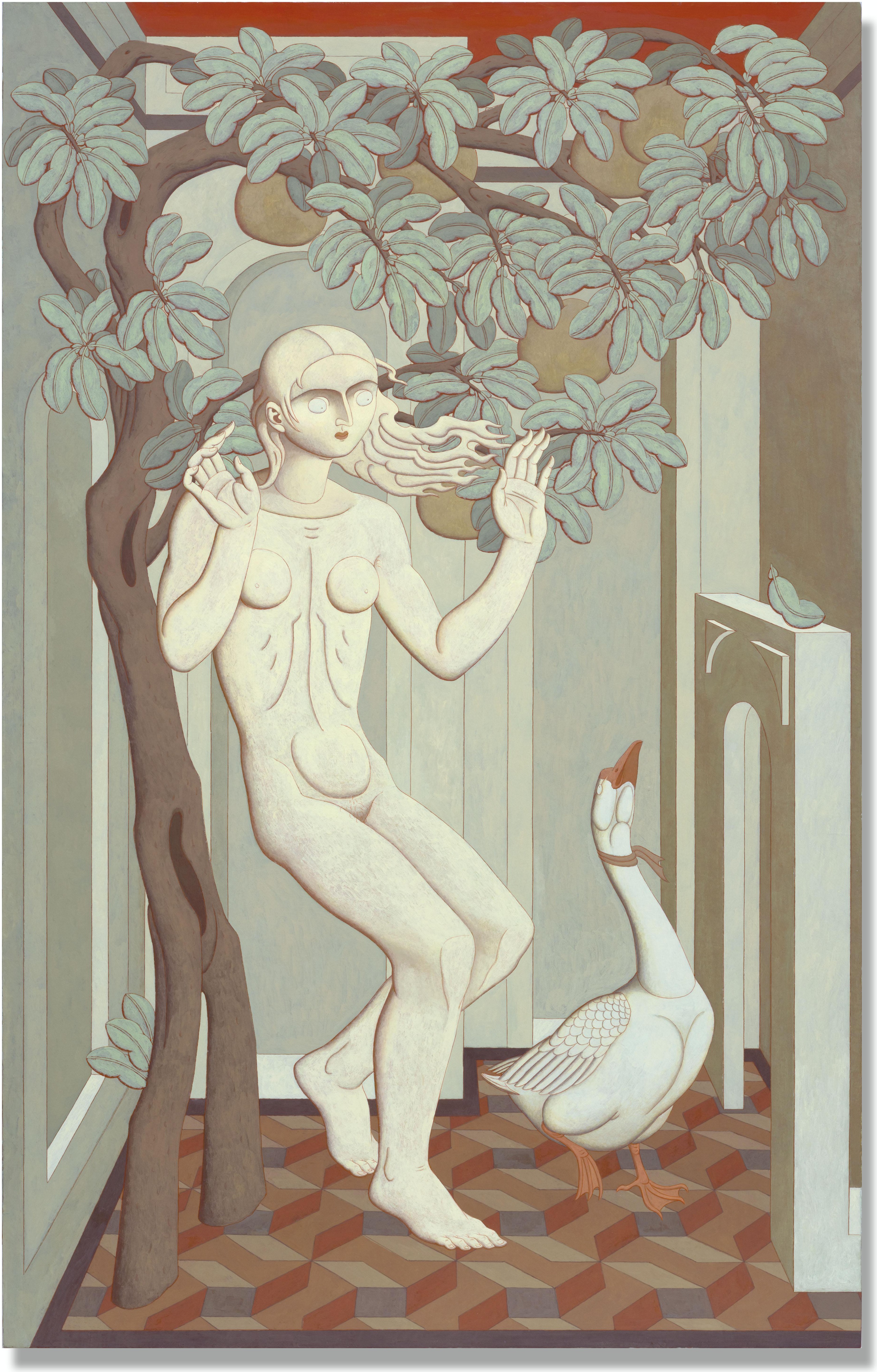
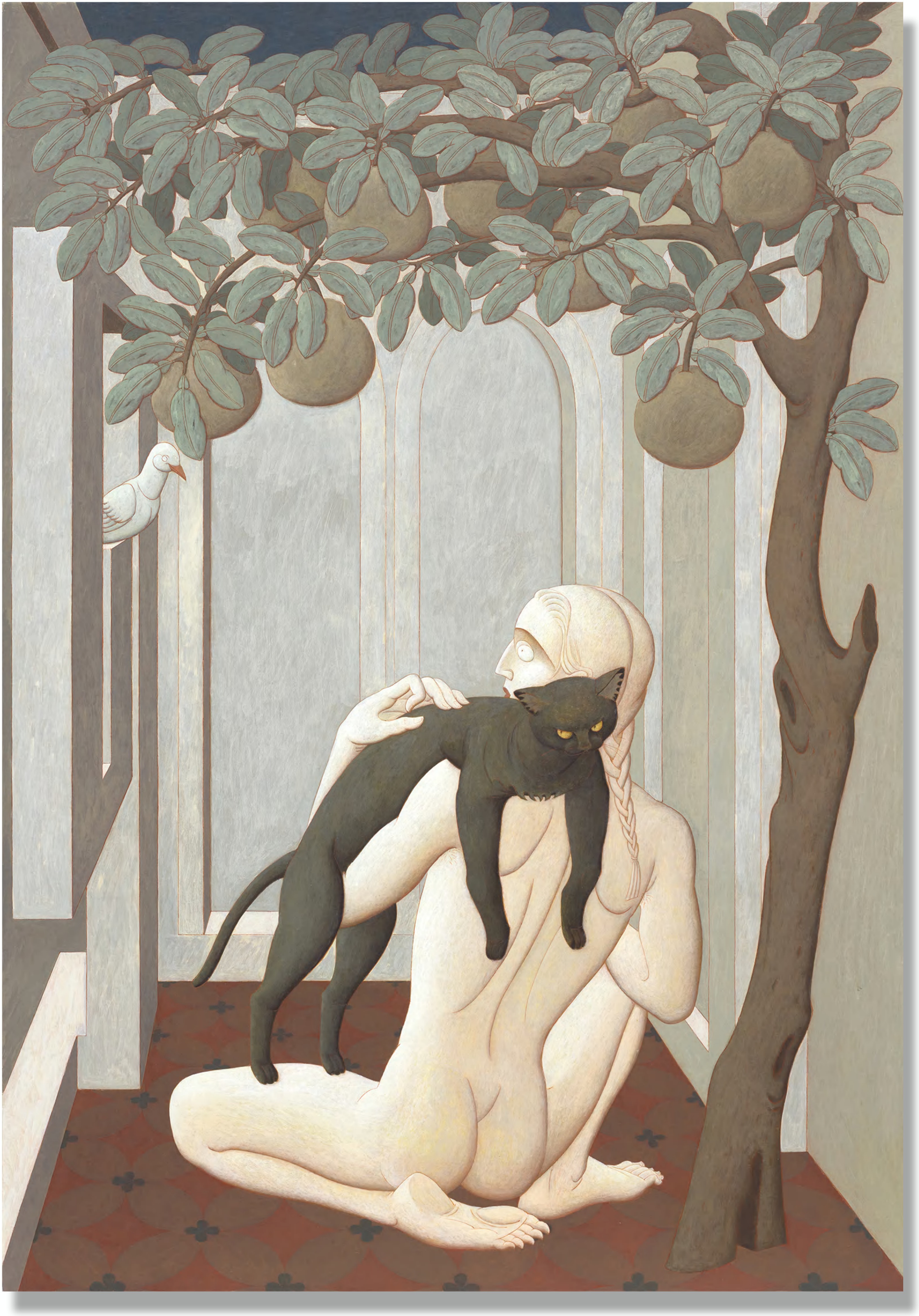
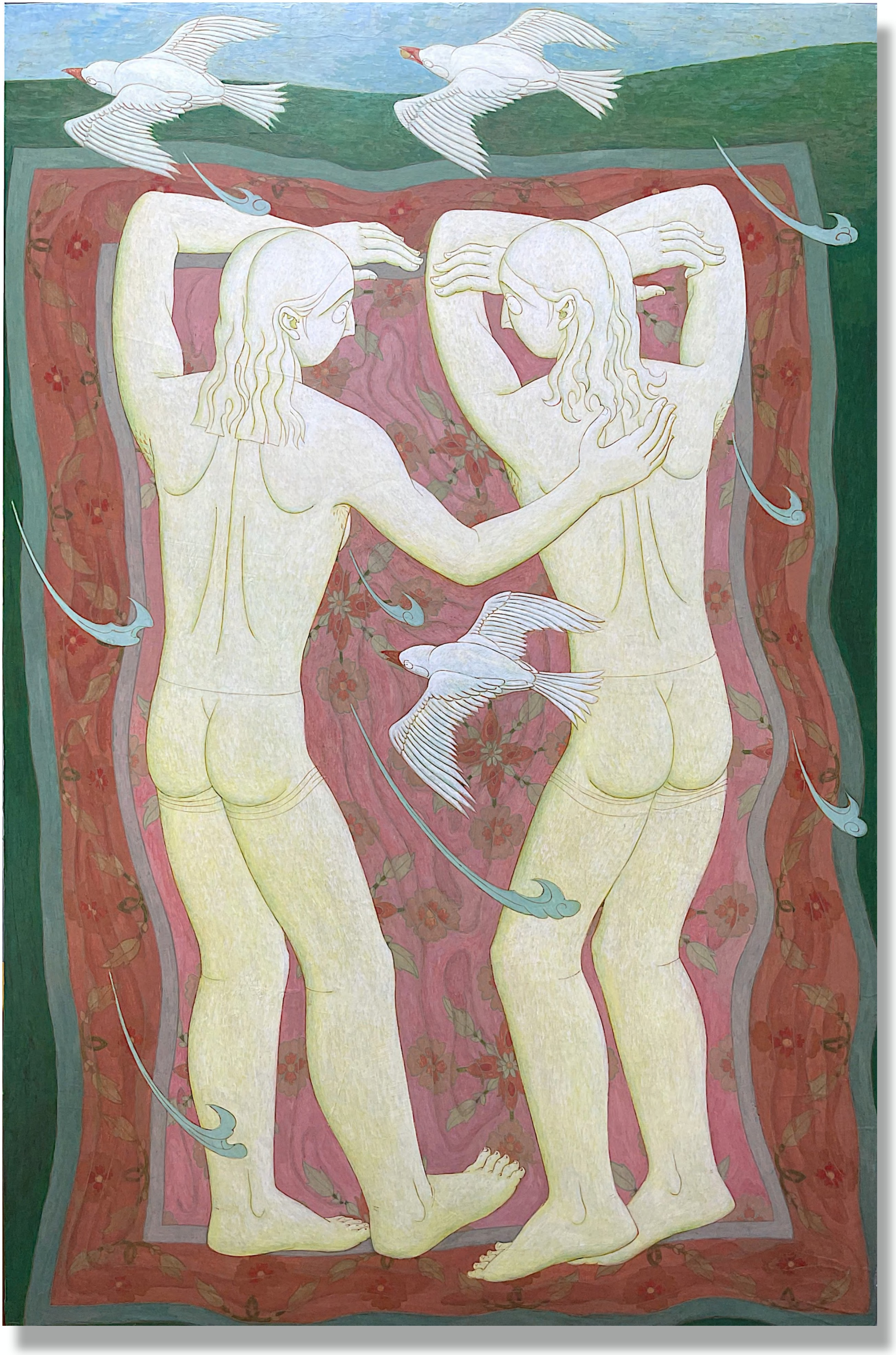
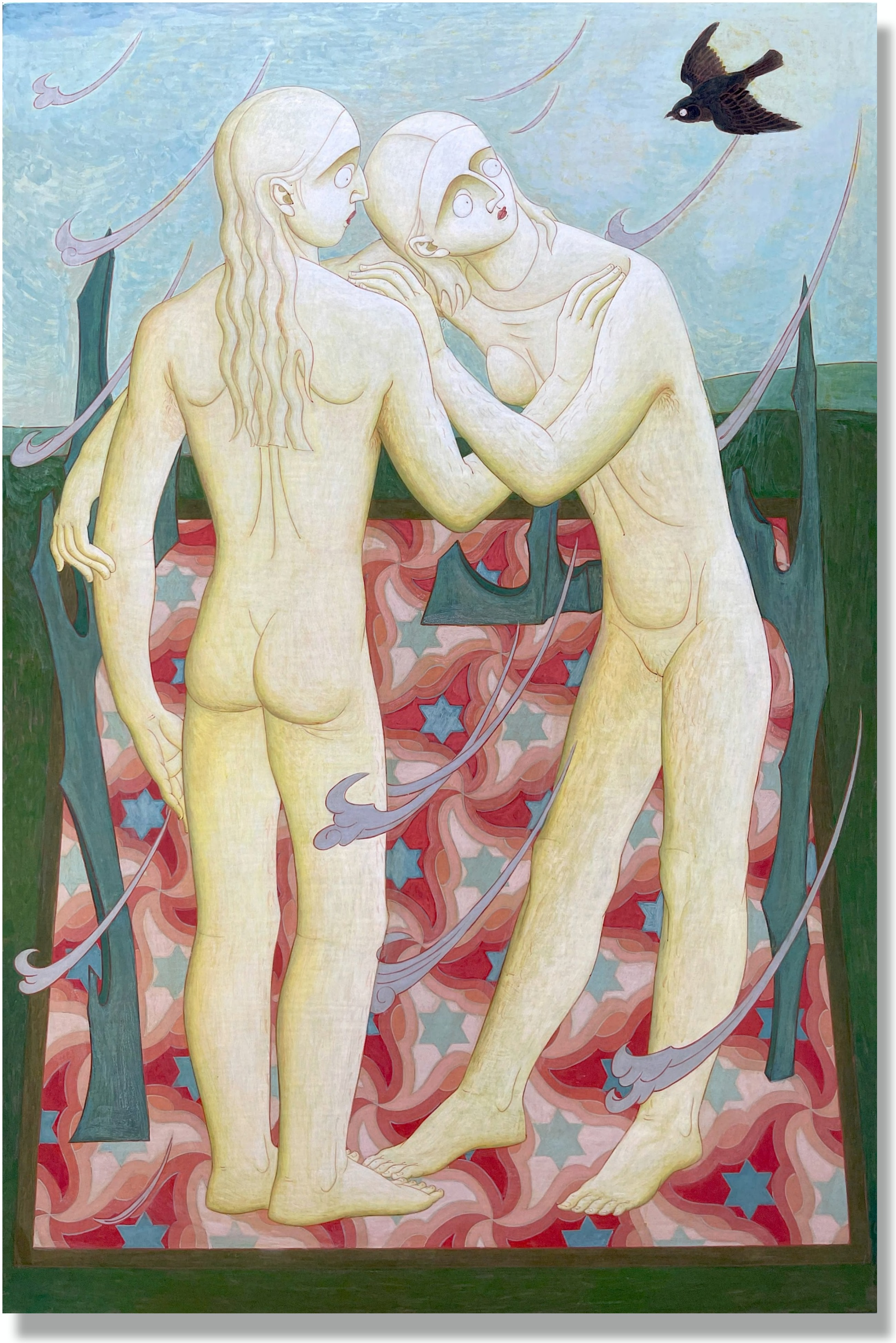
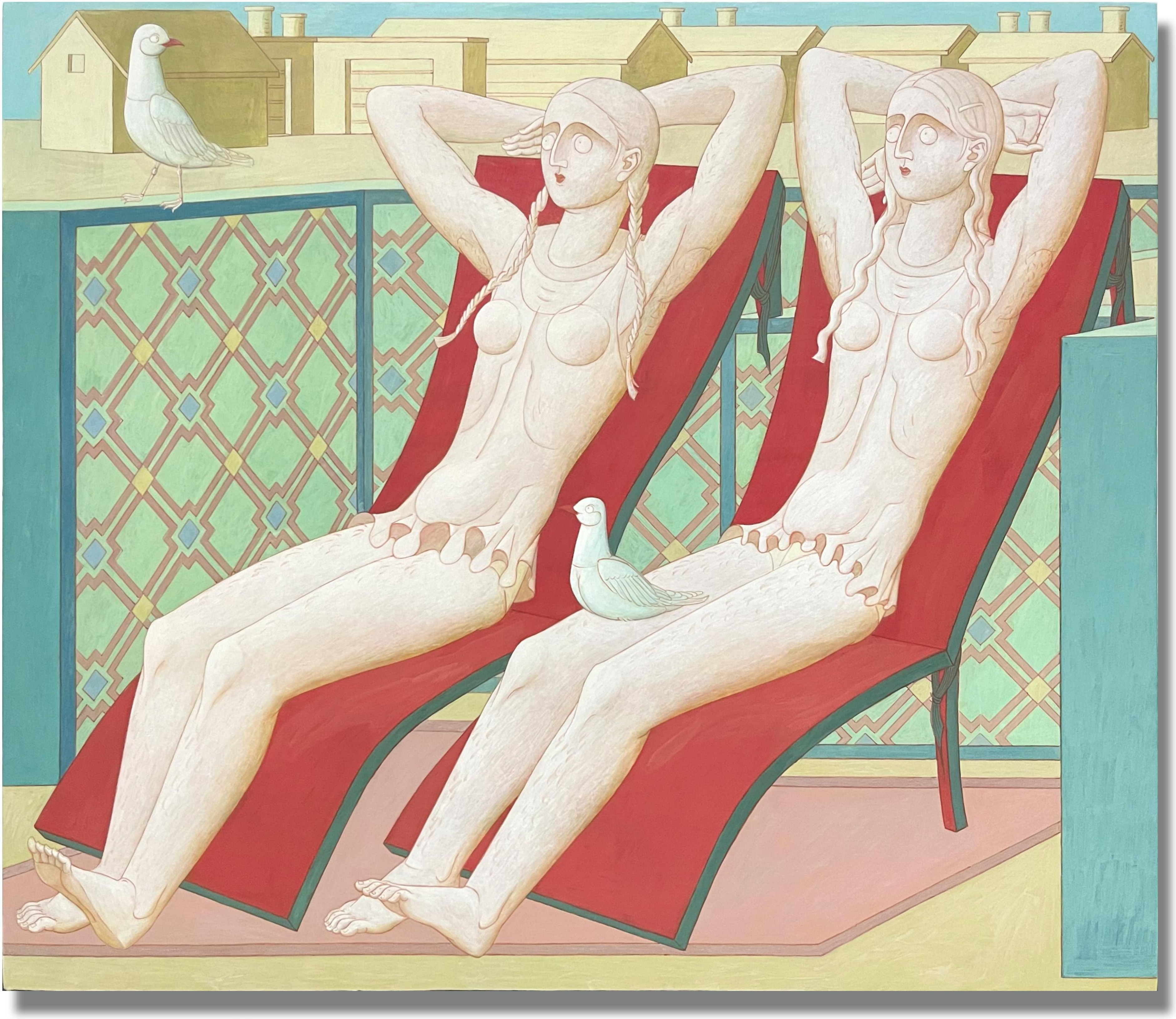
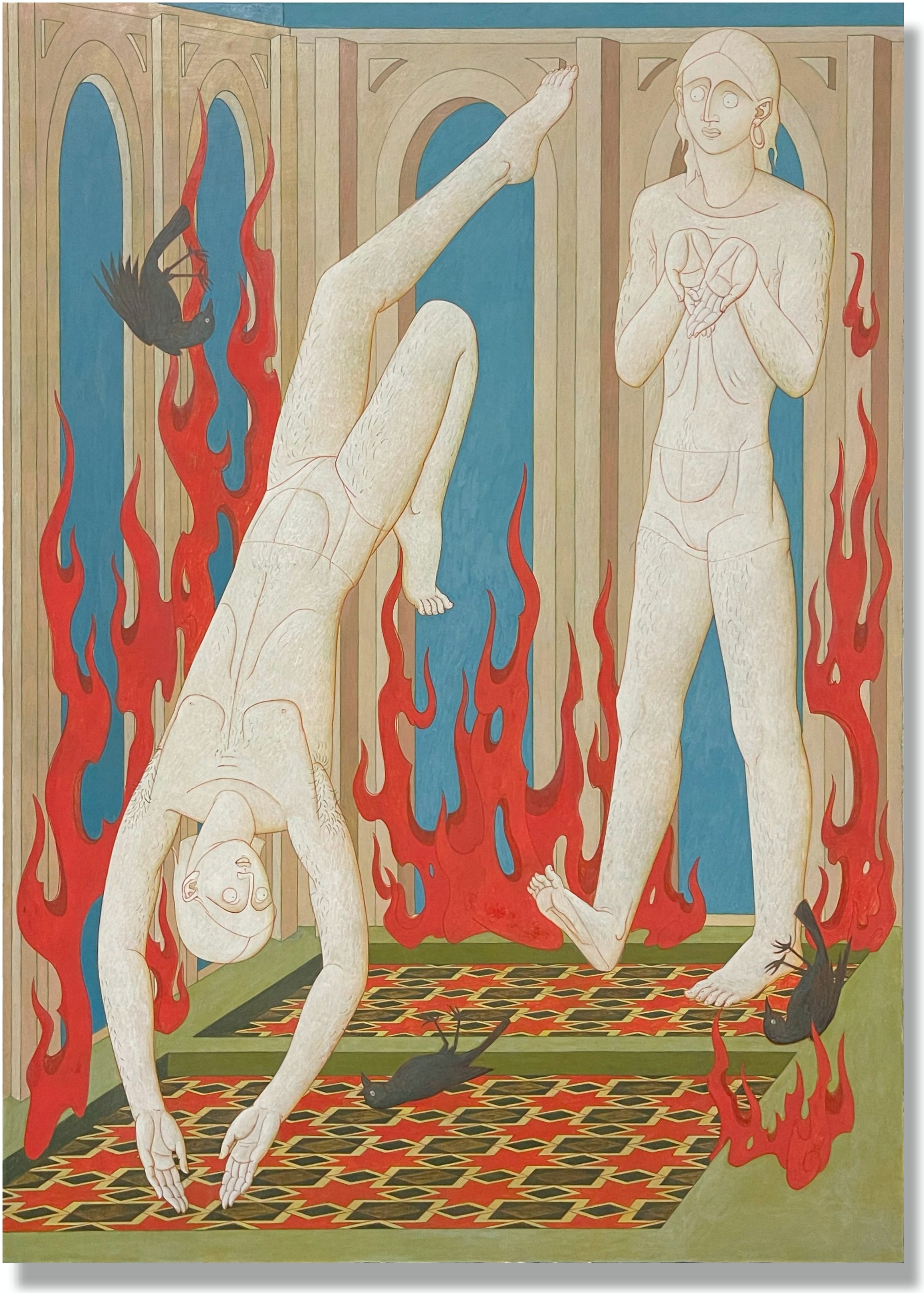
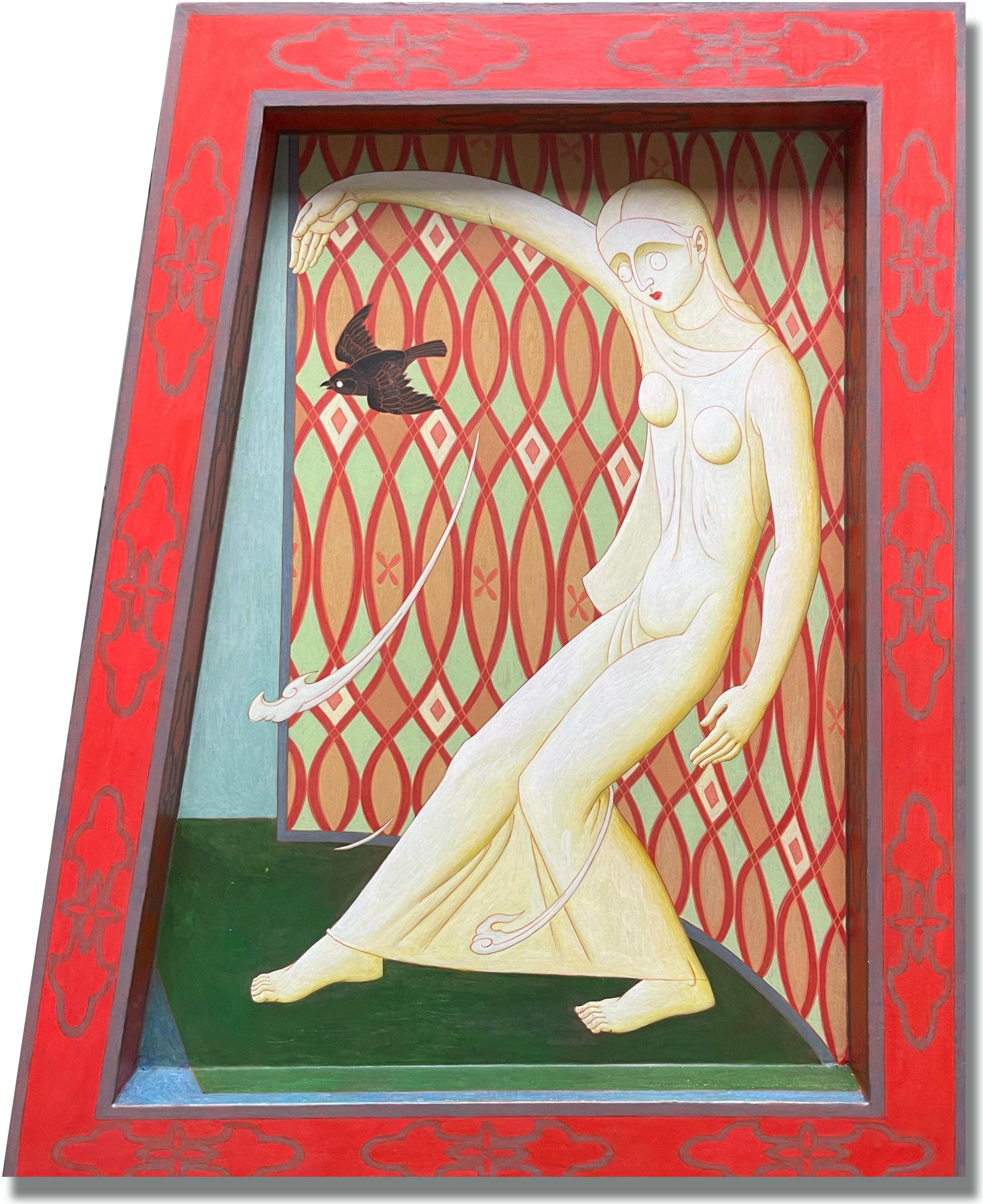
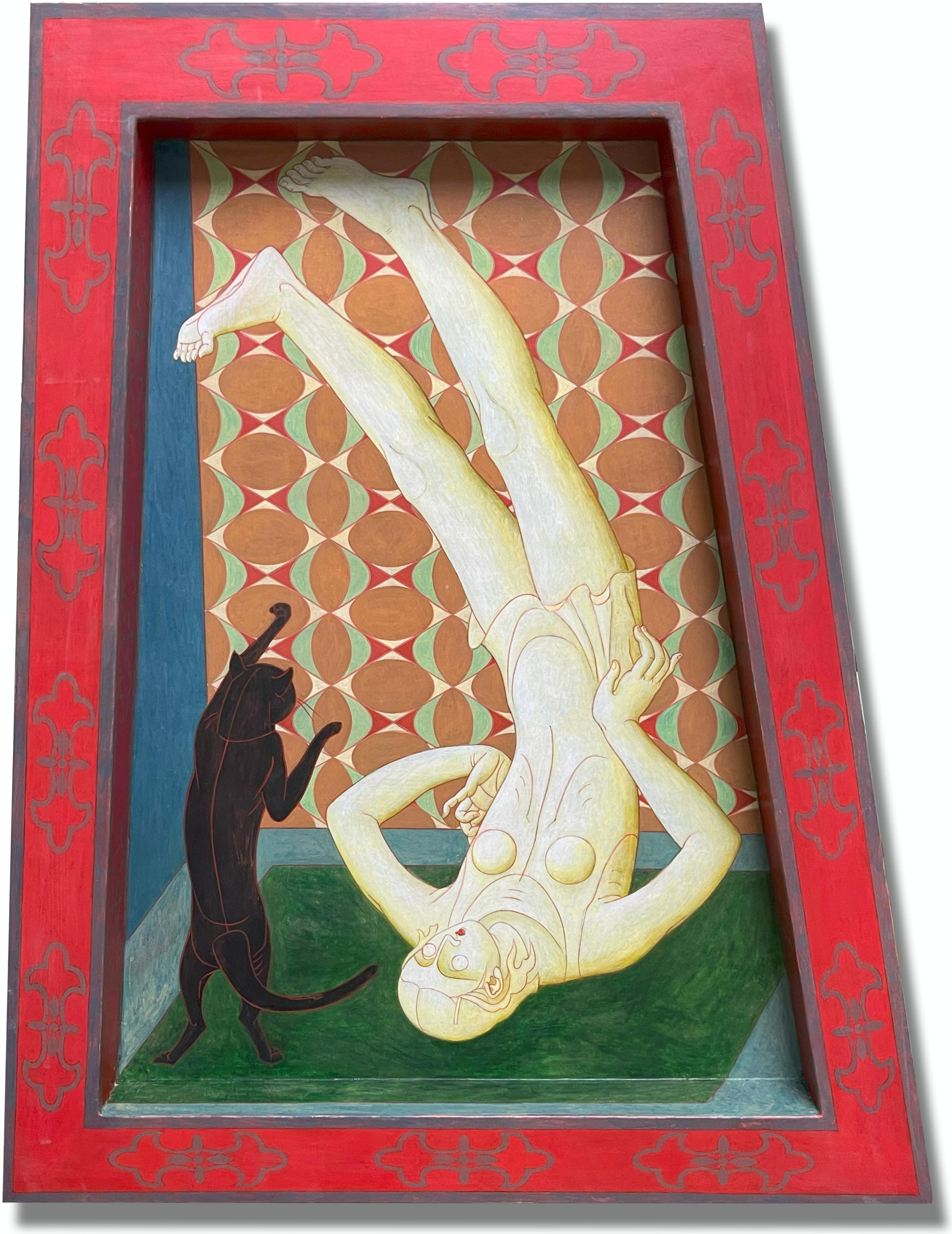
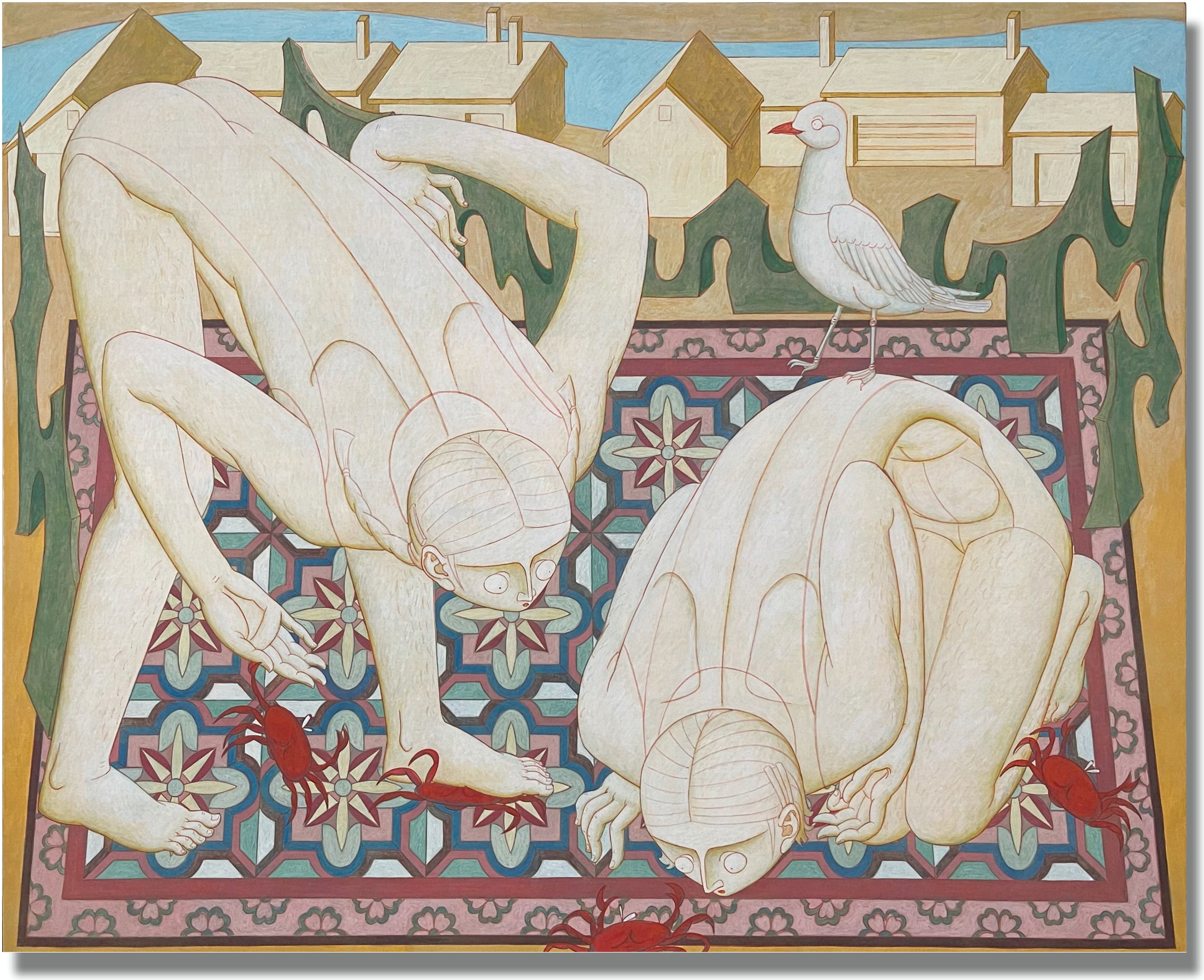
郑丽晶(Zheng Lijing)是一位当代艺术家。她的创作以东方传统壁画艺术为根基,通过对敦煌莫高窟、麦积山石窟、炳灵寺等古代石窟艺术的实地考察与研究,深入探索壁画中浅浮雕形式的独特表现力。她从石窟壁画与浮雕相接的边界中,提炼出一种绘画与薄塑共生的形态,并以坦培拉这一古老技法为媒介,将其转化为个人化的视觉语言。她尤其关注麦积山北周“薄肉塑”案例——裸露处以薄浮塑造形,衣饰以绘画完成,二者在同一壁面彼此嵌合,由此发展出浅浮雕坦培拉系列作品,使形象处于浮雕与绘画在同一个平面上相互生成的“居间”地带。其创作的核心追问是:在世俗评价体系之外,个体如何建立内在的秩序,以抵抗精神的虚无。童年记忆中的灶神年画、剪纸窗花、皮影戏、田野小庙等民间艺术元素,以及少数民族文化的田野调查经历,构成了其创作的重要精神养分。2025年,作品参展于“静态流痕”(又生空间);2026年,作品参展于“绿野的风”(又生空间)及“翎羽集 II”(又生空间)。
Zheng Lijing is a contemporary artist. Her work is rooted in Eastern traditional mural art. Through on-site study and research of ancient grotto art at sites such as the Dunhuang Mogao Caves, Maijishan Grottoes, and Bingling Temple, she explores the unique expressive potential of bas-relief forms within murals. From the boundary where cave mural painting meets relief, she extracts a state in which painting and thin sculpture coexist, and uses the ancient technique of tempera as a medium to transform this into a personal visual language. She is particularly drawn to the Northern Zhou “thin flesh sculpture” (薄肉塑) at Maijishan—where exposed body parts are modelled in shallow relief while clothing is rendered in painting, the two interlocking on the same wall surface—and from this has developed a series of bas-relief tempera works that situate the image in an “in‑between” zone where relief and painting generate one another on a single plane. The core question driving her practice is: beyond secular systems of evaluation, how does an individual construct an inner order to resist spiritual void? Childhood memories of folk art—Kitchen God New Year prints, paper-cut window decorations, shadow puppetry, small shrines in the fields—and fieldwork experiences among ethnic minority cultures form essential spiritual nourishment for her work. In 2025, her works were shown in “Static Flow Marks” at You Sheng Space (又生空间); in 2026, in “Wind of the Green Field” at You Sheng Space (又生空间) and “Feather Collection II” at You Sheng Space (又生空间).
代表作Selected Works
展览履历Exhibitions
- 2026绿野的风北京市朝阳区酒仙桥路4号北京798艺术区七星东街 · 又生空间
- 2026翎羽集 II北京市朝阳区酒仙桥路4号北京798艺术区七星东街 · 又生空间
- 2025静态流痕北京市朝阳区酒仙桥路4号北京798艺术区七星东街 · 又生空间
艺见洞察ArtMatters Insights
代表作与创作Selected Works & Style
根据艺术家档案资料,郑丽晶的创作特点与代表作如下:
**创作特点**
郑丽晶的创作以东方传统壁画艺术为根基,通过对敦煌莫高窟、麦积山石窟、炳灵寺等古代石窟艺术的实地考察与研究,深入探索壁画中浅浮雕形式的独特表现力。她尤其关注麦积山北周“薄肉塑”案例——裸露处以薄浮塑造形,衣饰以绘画完成,二者在同一壁面彼此嵌合,由此发展出**浅浮雕坦培拉系列作品**,使形象处于浮雕与绘画在同一个平面上相互生成的“居间”地带。
她从石窟壁画与浮雕相接的边界中,提炼出一种绘塑共生的形态,并以坦培拉这一古老技法为媒介,将其转化为个人化的视觉语言。其创作的核心追问是:在世俗评价体系之外,个体如何建立内在的秩序,以抵抗精神的虚无。
此外,童年记忆中的灶神年画、剪纸窗花、皮影戏、田野小庙等民间艺术元素,以及少数民族文化的田野调查经历,构成了其创作的重要精神养分。
**代表作**
郑丽晶的代表作均为木板坦培拉作品,主要包括:
- 《过堂风》(2026)
- 《等待》(2026)
- 《庭院》(2026)
- 《停滞》(2026)
- 《对峙》(2026)
- 《绿野的风-2》(2025)
- 《绿野的风-4》(2026)
- 《假日 1》(2025)
- 《假日 2》(2025)
- 《跳》(2025)
- 《掠过》(2025)
- 《倒立》(2025)
这些作品集中体现了她将传统壁画语言、浅浮雕形态与坦培拉技法相融合的独特创作路径。
Zheng Lijing’s representative works include a series of egg tempera on panel paintings such as *过堂风 (Through the Breeze)*, *等待 (Waiting)*, *庭院 (Courtyard)*, *停滞 (Stagnation)*, *对峙 (Confrontation)*, *绿野的风-2 (Wind of the Green Field–2)*, *绿野的风-4 (Wind of the Green Field–4)*, *假日 1 (Holiday 1)*, *假日 2 (Holiday 2)*, *跳 (Jump)*, *掠过 (Skimming)*, and *倒立 (Handstand)*. Many of these were exhibited in solo and group shows at CYCLE SPACE (又生空间), notably “静态流痕” (2025), “绿野的风” (2026), and “翎羽集 II” (2026).
Zheng Lijing’s creative style is rooted in the language of traditional eastern mural art, particularly the low‑relief sculptural forms found in ancient grotto sites like Dunhuang, Maijishan, and Bingling Temple. She draws from the borderline where mural painting and shallow relief meet, developing a symbiotic mode in which painting and thin sculpture coexist. Working primarily in the ancient medium of egg tempera, she personalizes this intersection into her own visual language. A key inspiration is the *thin‑flesh sculpture* technique from the Northern Zhou period at Maijishan, where exposed skin is modeled in low relief while drapery is painted—both blending on the same surface. Zheng Lijing pushes this concept to create shallow‑relief tempera works where the image occupies an “in‑between” zone, constantly generated by the interplay of relief and painting on a single plane. Her practice is driven by a core inquiry: beyond external systems of judgement, how can an individual establish an inner order to resist spiritual emptiness? The spiritual nourishment for her work also comes from folk art elements of her childhood—kitchen‑god prints, paper‑cuts, shadow puppetry, small field shrines—and fieldwork among ethnic minority cultures.
展览与收藏Exhibitions & Collections
根据平台现有档案资料:
**展览经历**
郑丽晶近期展览均在以下机构举办:
- 又生空间(北京798艺术区七星东街):
- 2026年 《绿野的风》
- 2026年 《翎羽集 II》
- 2025年 《静态流痕》
**收藏情况**
平台档案中暂无关于郑丽晶作品被机构收藏的公开记录。
According to the available artist profile, Zheng Lijing has exhibited at CYCLE SPACE (又生空间), located at Qixing East Street, 798 Art District, Beijing. Specific exhibitions include:
- "绿野的风" (2026)
- "翎羽集 II" (2026)
- "静态流痕" (2025)
As for institutional collections, the available records do not list any public or private institutions that currently hold her work.