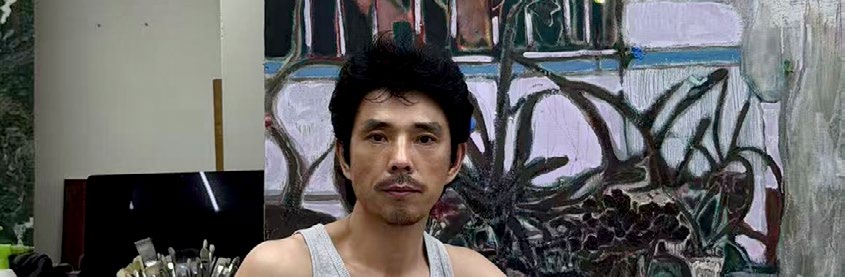
朱新宇
简介Biography
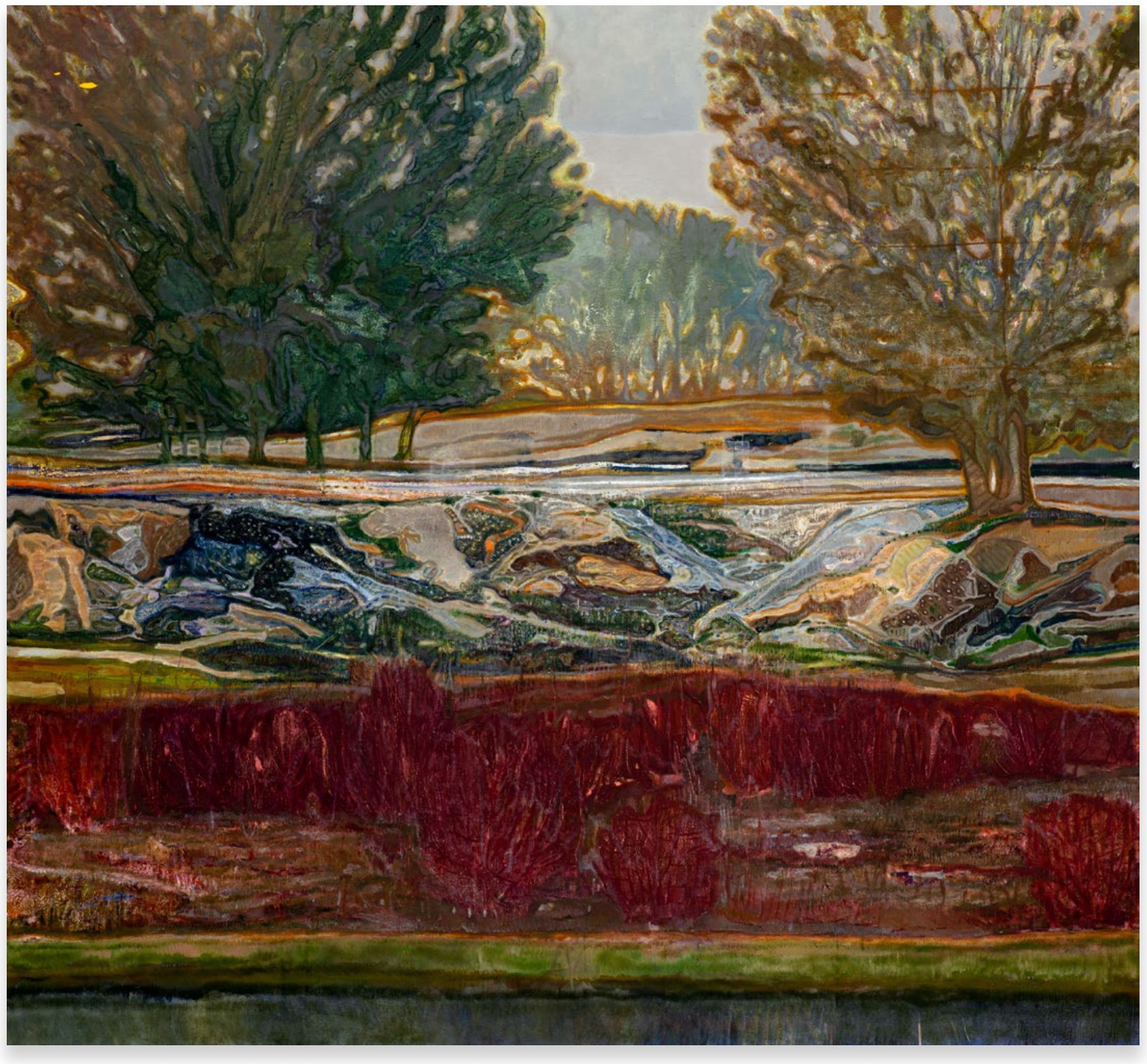
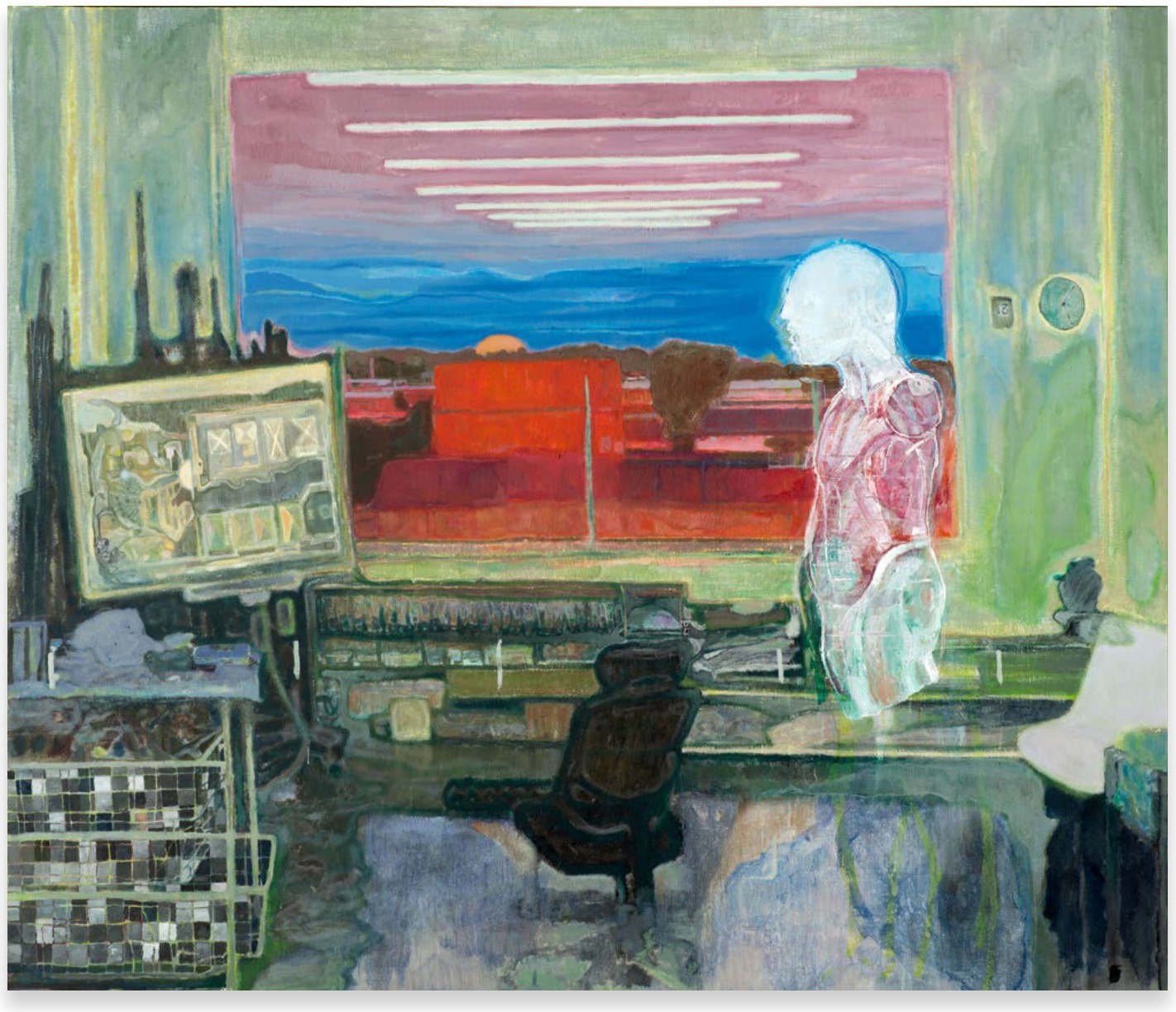
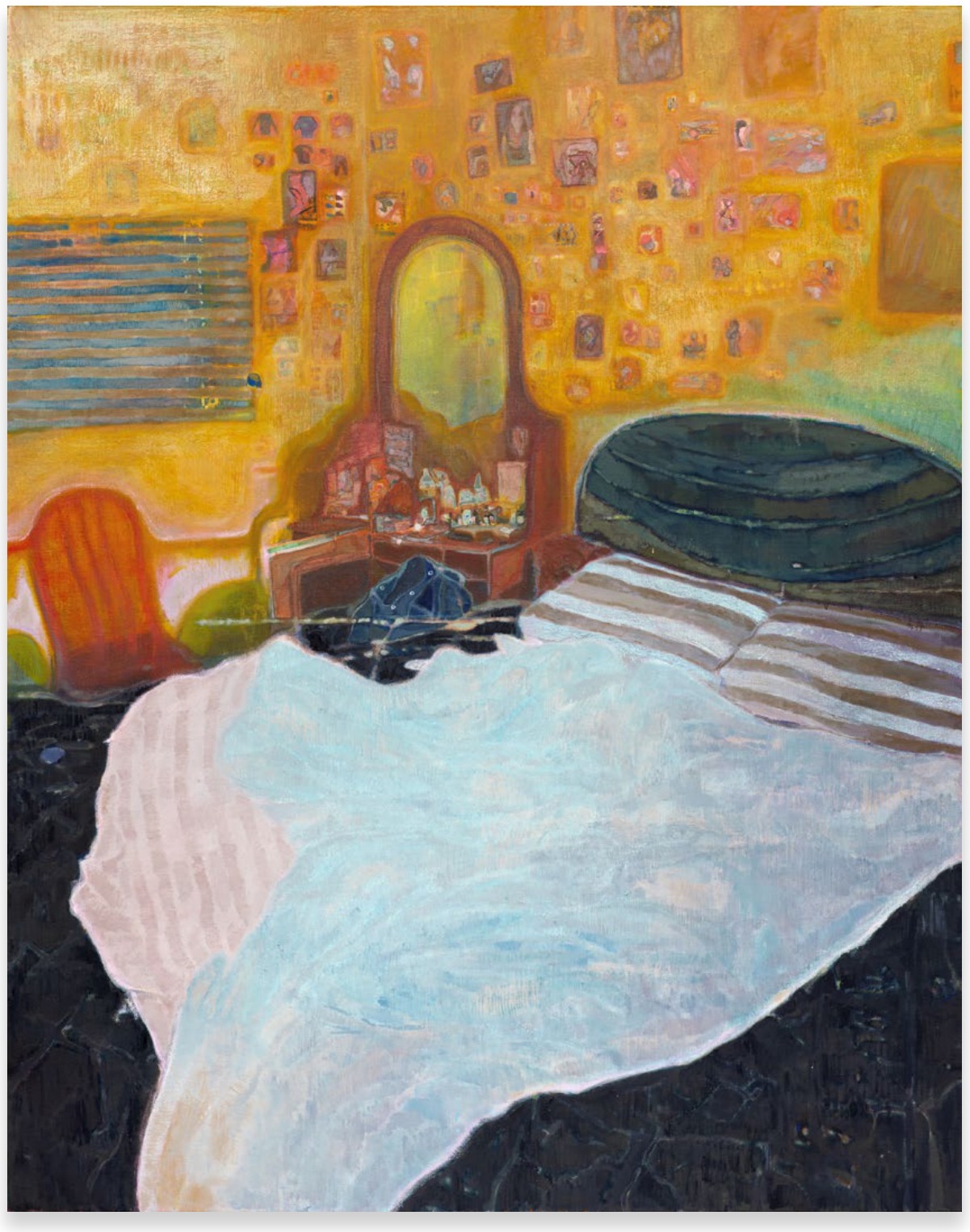
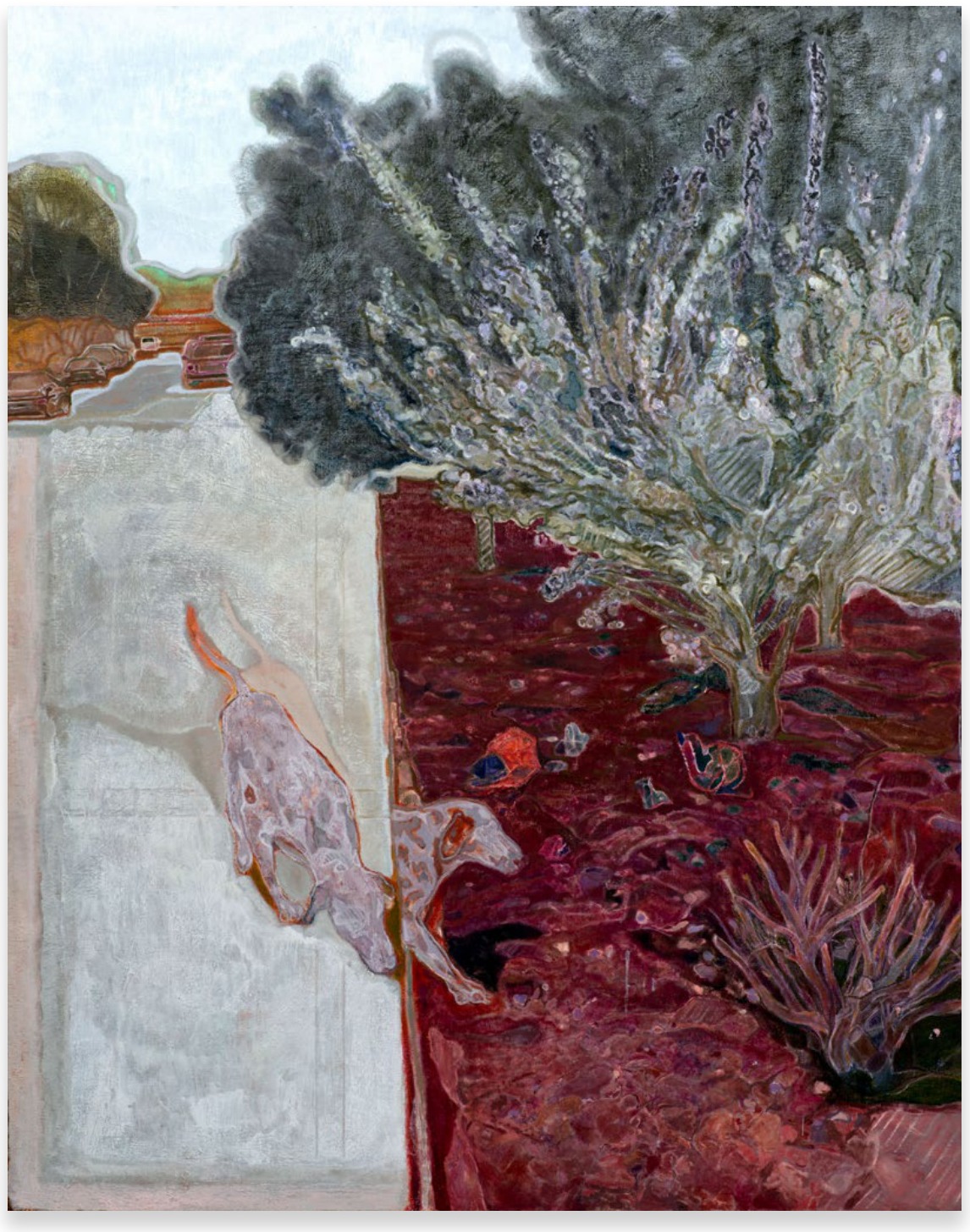
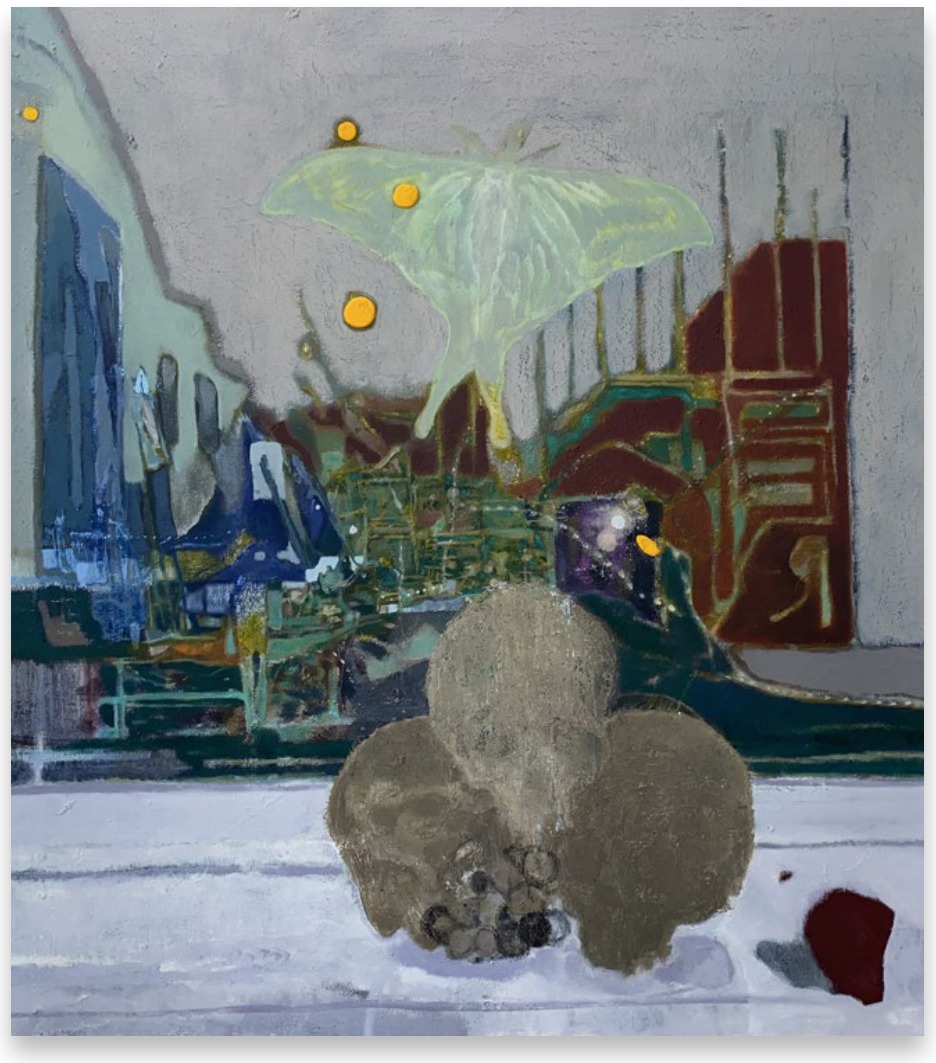
朱新宇(ZHU Xinyu),1980年出生于中国辽宁省海城,现生活和工作于中国北京。2004年本科毕业于沈阳鲁迅美术学院油画系第二工作室(新具象工作室)。他的绘画长期围绕日常空间展开,不强调对场景的直接再现,而更关注人与物在环境中的停留方式,以及空间如何被观看、感受和回忆。无论是道路、窗景还是室内角落,他都会通过切分、叠置与结构化的处理,使原本稳定的空间关系产生轻微错位。画面中近似几何化的边缘、线条与色块,来自他对现实环境的持续观察与提炼,而非单纯抽象形式的介入。这种创作方式使作品保留生活经验的真实感,同时呈现介于记忆、感知与建构之间的空间状态。朱新宇也描绘自然景观,使用微妙的色彩营造阴冷的图像基调,画面中强烈的明暗对照技法让人想起文艺复兴时期卡拉瓦乔的画作。东北是他出生、成长和求学的地方,他对大自然场景或陈旧的建筑空间充满兴趣。尽管他未经历过重大社会事件,成长过程无忧,但视觉经验仍将工业文明的痕迹带入创作表达。在这个体系中,场景和空间只是视觉借用,情感的释放才是主线,他的作品看似平和安静,实则是一个巨大的情感容器。
ZHU Xinyu, born in 1980 in Haicheng, Liaoning Province, China, currently lives and works in Beijing. In 2004 he graduated from Studio No. 2 (New Figurative Studio) of the Oil Painting Department at the Lu Xun Academy of Fine Arts in Shenyang. His paintings have long centred on everyday spaces, not emphasising direct representation of scenes but instead focusing on how people and objects reside within environments, and how space is seen, felt and remembered. Whether depicting roads, window views or indoor corners, he employs segmentation, superimposition and structural treatment to introduce slight dislocations into otherwise stable spatial relationships. The quasi-geometric edges, lines and colour blocks in his compositions derive from persistent observation and distillation of real surroundings, rather than from the intervention of purely abstract form. This approach preserves the authenticity of lived experience while presenting a spatial state suspended between memory, perception and construction.
ZHU Xinyu also paints natural landscapes, using subtle colour to build a sombre, cold visual tone; the strong chiaroscuro in the images recalls the paintings of Caravaggio from the Renaissance. Northeast China is where he was born, grew up and studied, and he is drawn to natural scenery and to time-worn architectural spaces. Although he has not experienced major social upheavals and his upbringing was untroubled, his visual experience still carries traces of industrial civilisation into his creative expression. Within this system, scenes and spaces are only visual borrowings; the release of emotion is the main thread. His works appear calm and quiet, yet they are in fact immense vessels of emotion.
代表作Selected Works
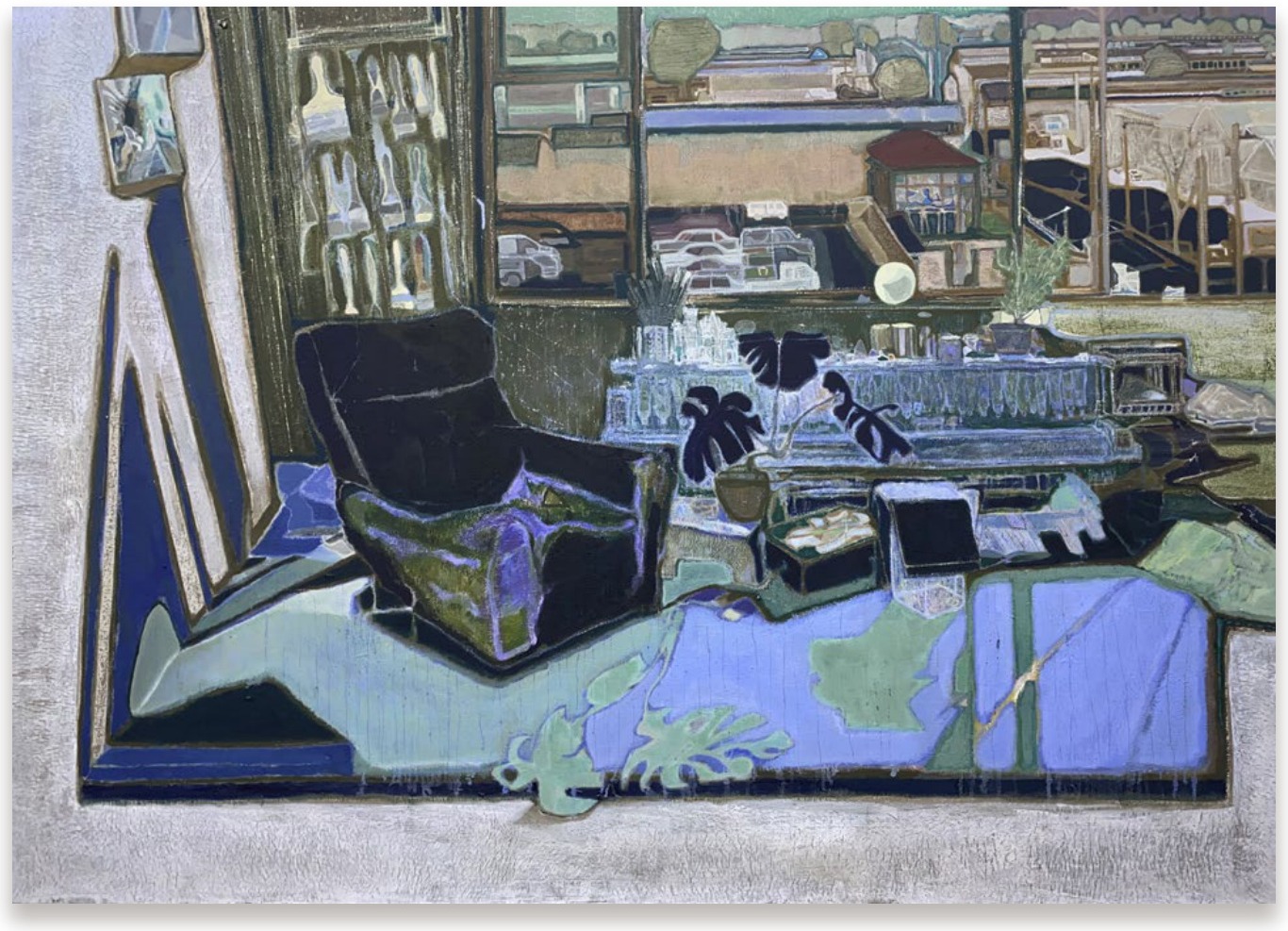
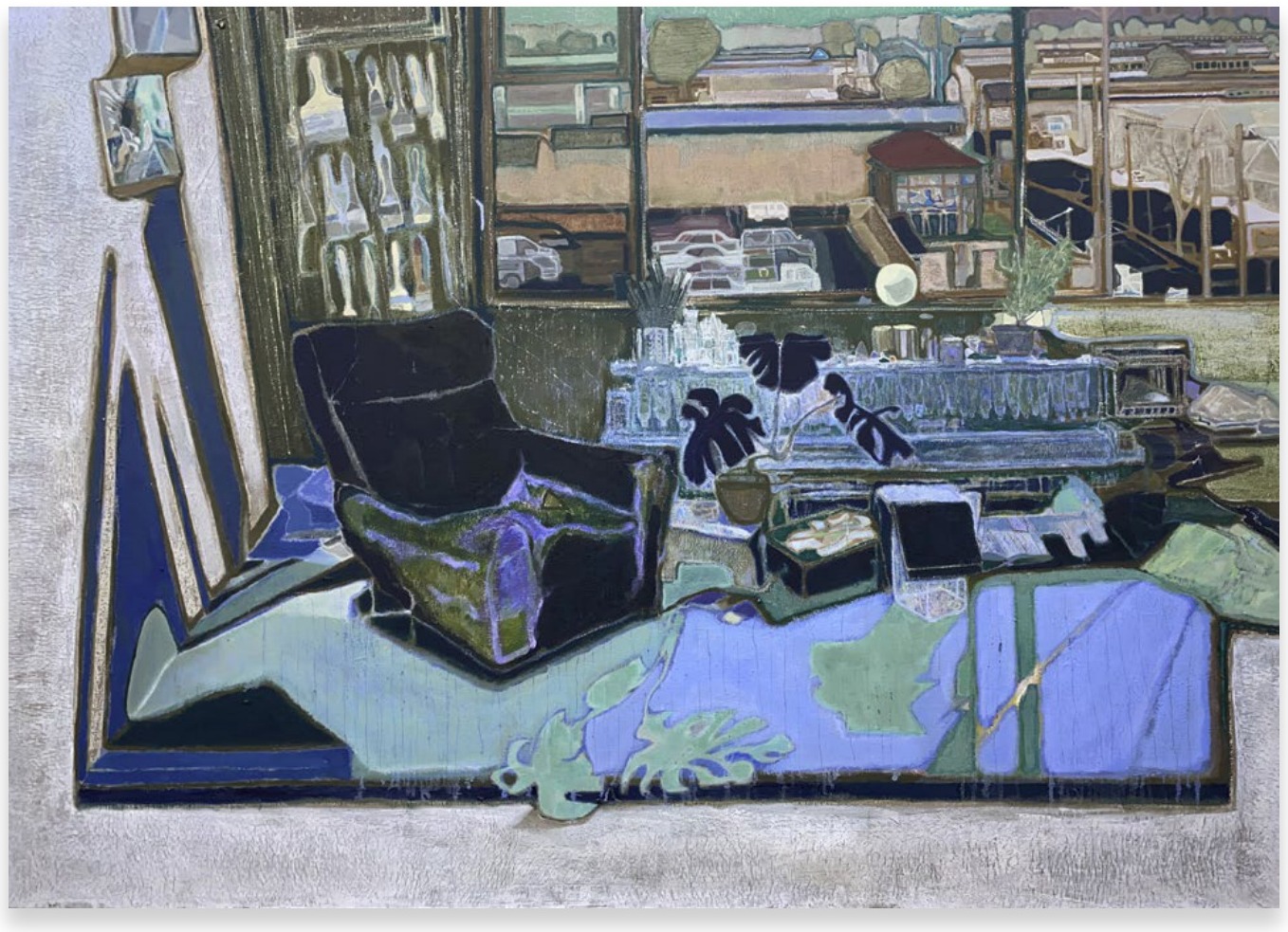
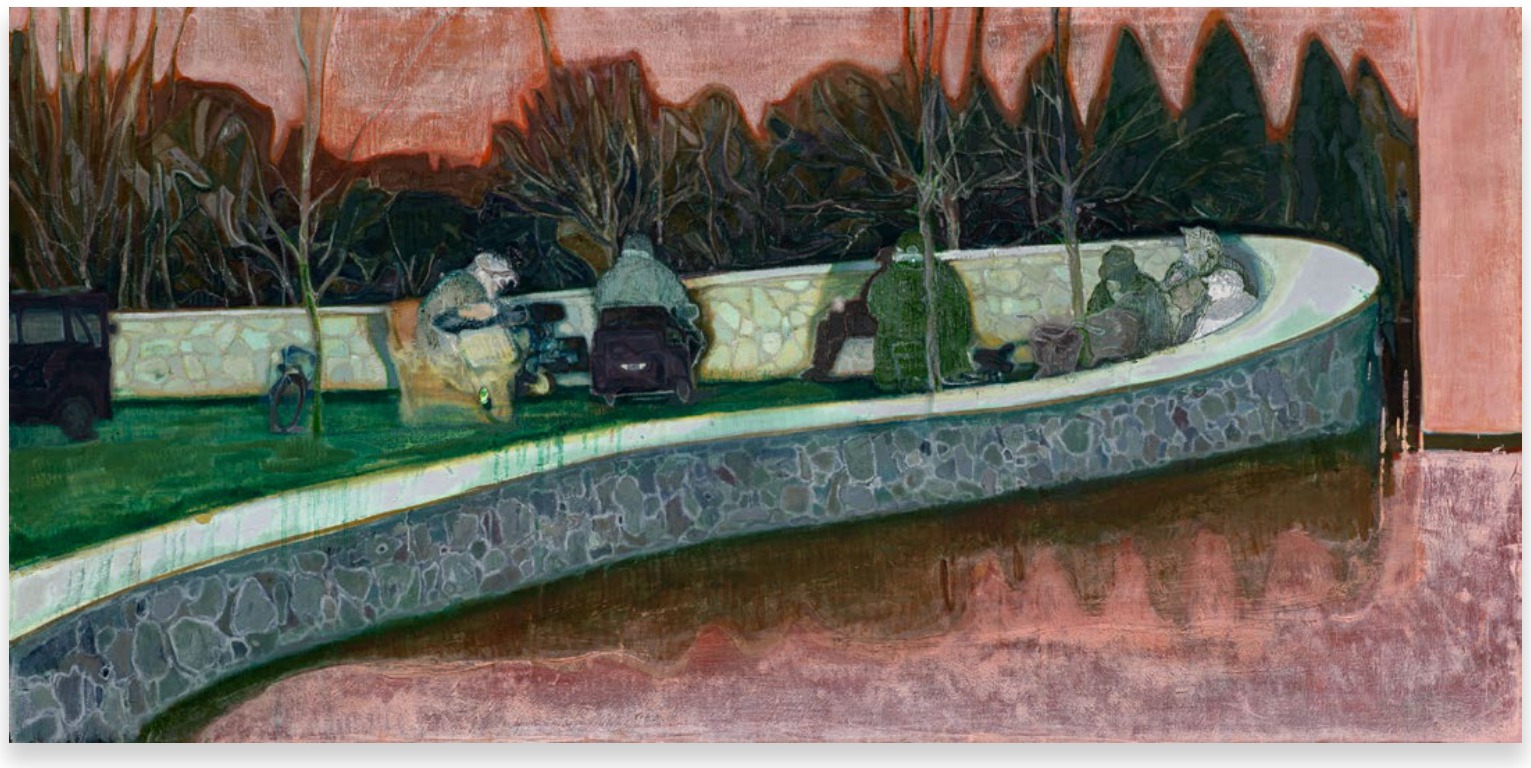
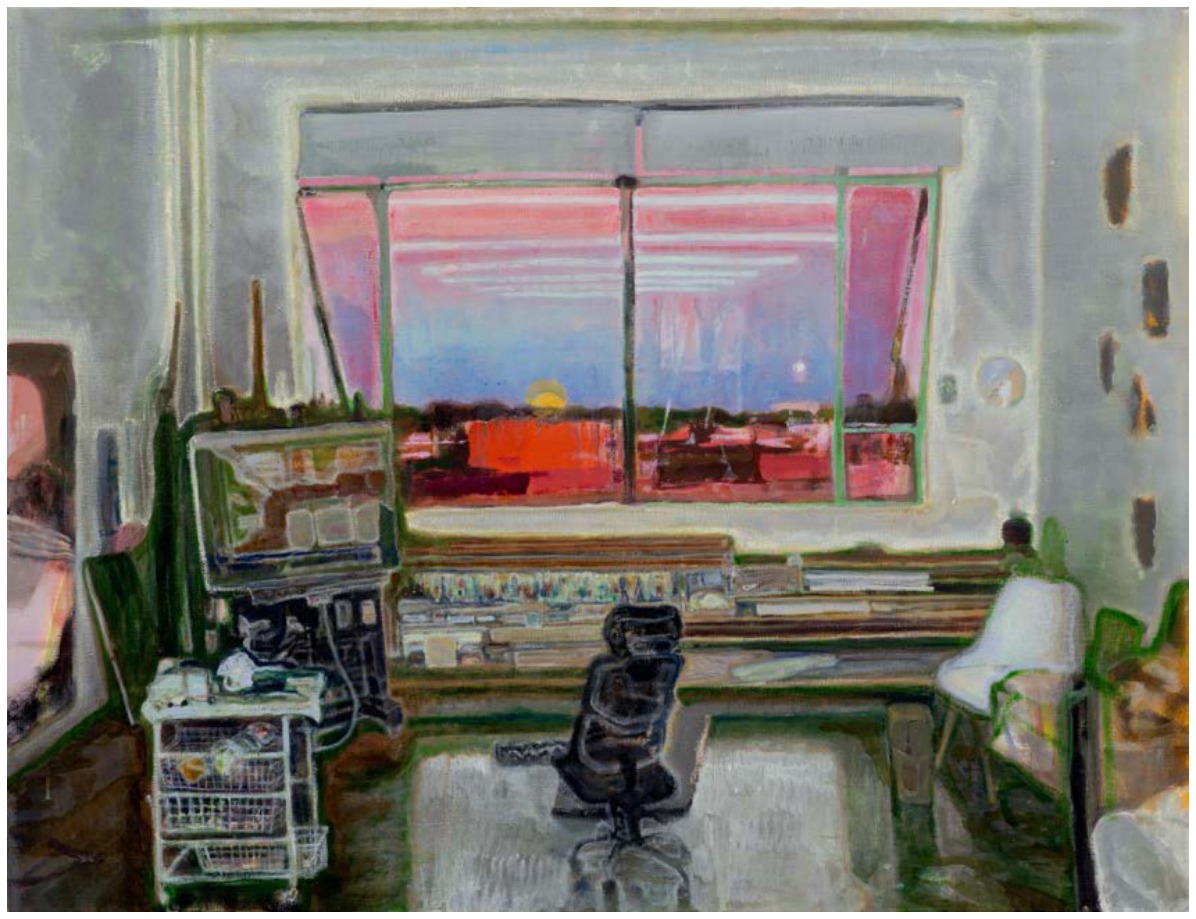
展览履历Exhibitions
- 2026无边光景玉兰堂(上海) · 玉兰堂
- 2026世界伯年艺术空间
- 2026北京当代2026伯年空间伯年艺术空间
- 2026ART021 2026 玉兰堂上海展览中心 · 玉兰堂
艺见洞察ArtMatters Insights
代表作与创作Selected Works & Style
据平台艺术家档案,朱新宇(ZHU Xinyu),1980 年生于辽宁海城,2004 年毕业于鲁迅美术学院油画系第二工作室(新具象工作室),现工作生活于北京。他长期以布面油画为主要媒介,也涉及丙烯、综合材料,题材集中在风景、城市景观、记忆与时间、自然生态等方向。
**代表作**
档案收录的代表作包括(均为布面油画):
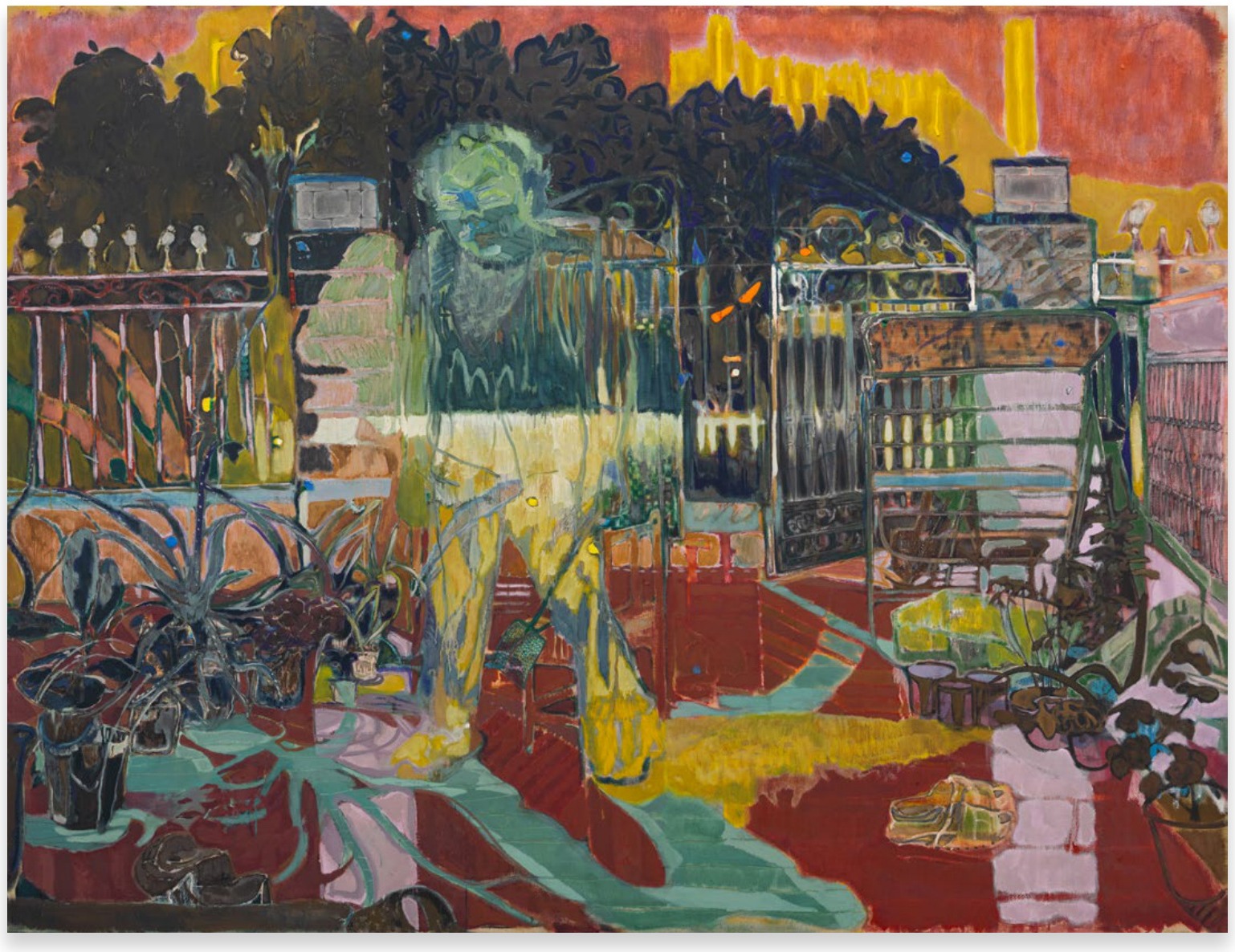
《庭院猎手》《世界尽头》《缓步急青》《第三层注视》《九月》《花与狗》《DX3906》《白银胶囊》《无题》《大兴艺术B区末日前八十天》等。
**创作特点**
朱新宇的绘画围绕日常空间展开,但并不追求对场景的直接再现,而是关注人与物在环境中的停留方式,以及空间如何被观看、感受和回忆。他的画面常见道路、窗景、室内角落等场景,通过切分、叠置与结构化处理,使原本稳定的空间关系产生轻微错位。画面中近似几何化的边缘、线条与色块,来自他对现实环境的持续观察与提炼,而非单纯的抽象形式介入。因此,他的作品既保留了生活经验的真实感,又呈现出介于记忆、感知与建构之间的空间状态。
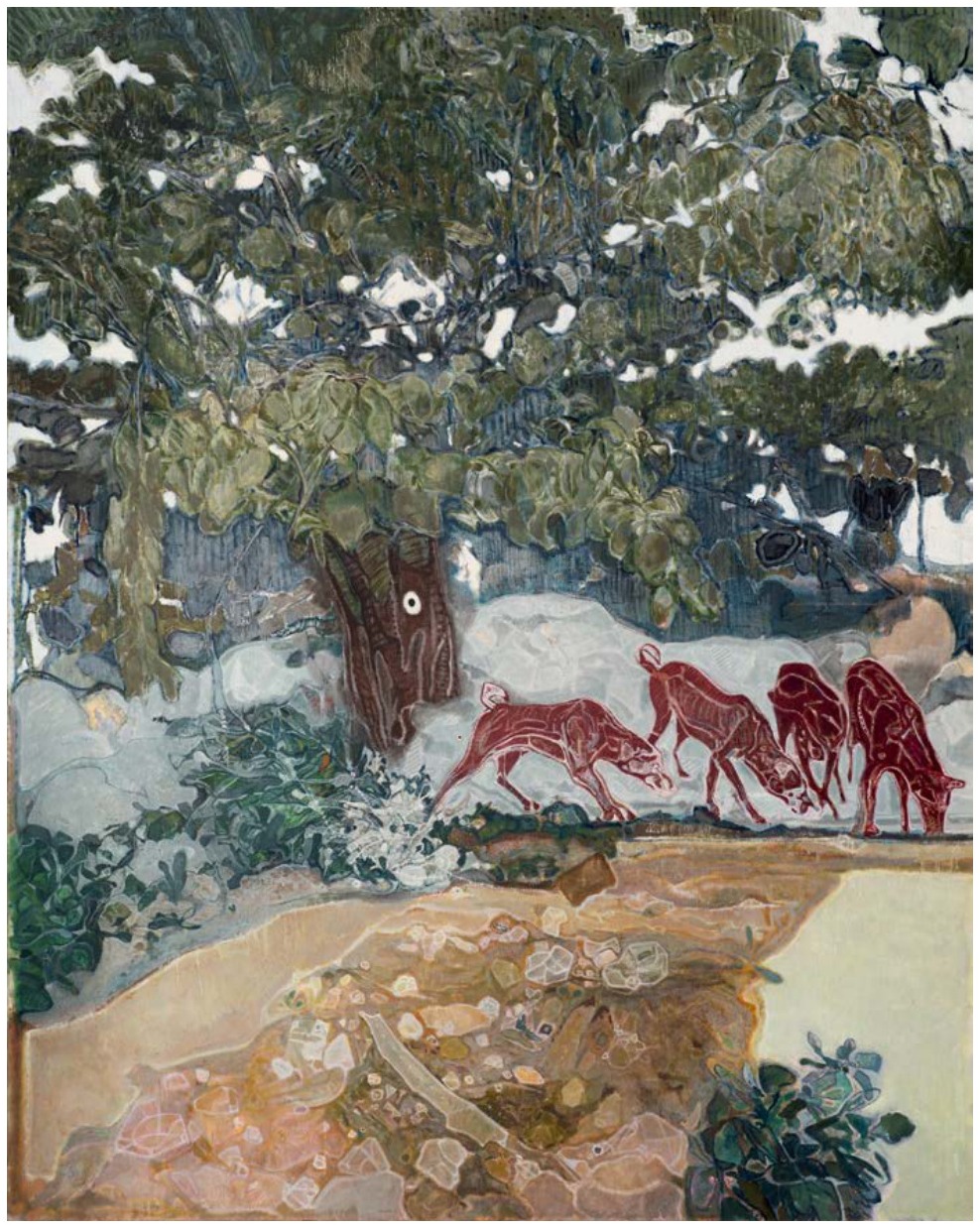
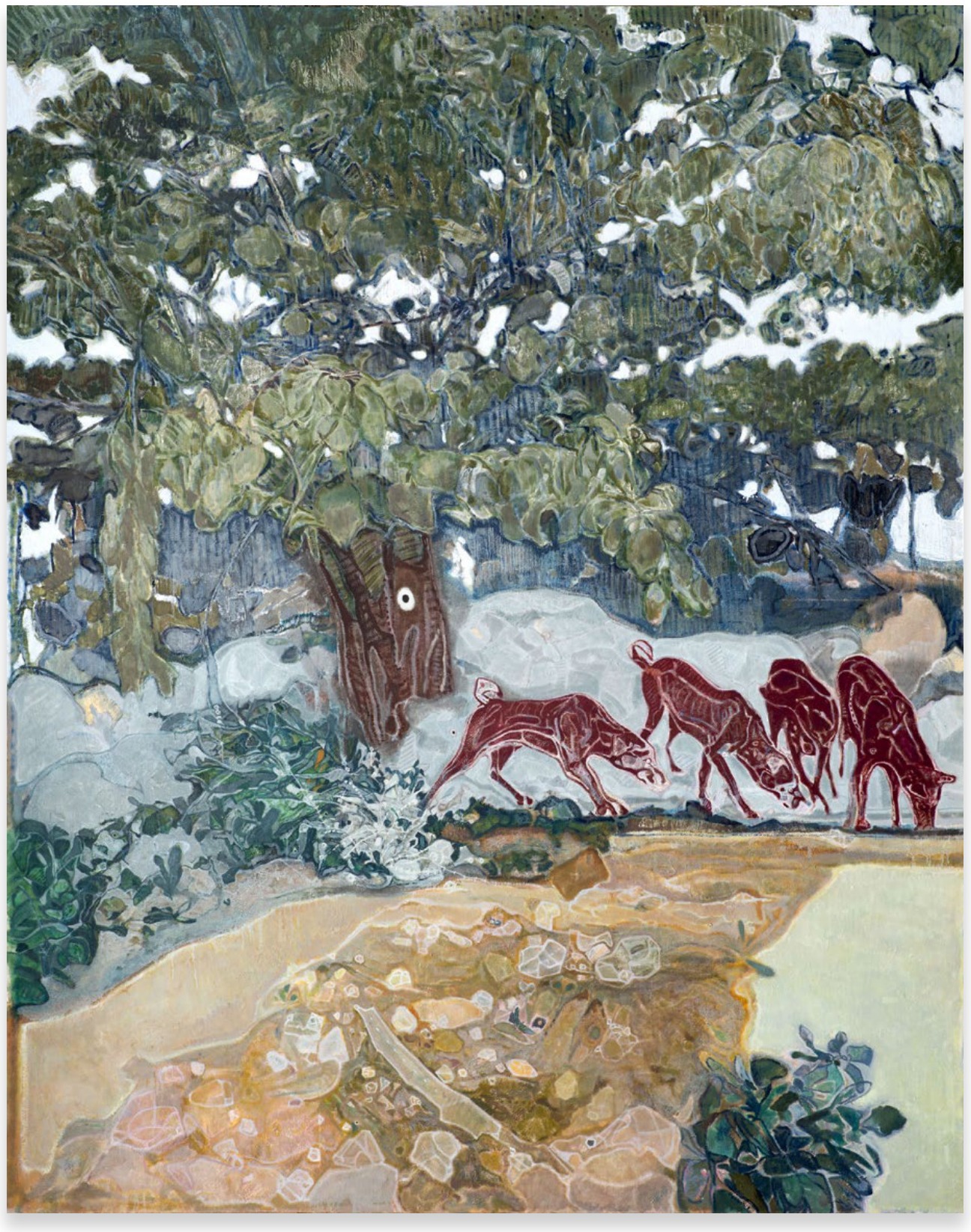
在自然景观题材中,他善于用微妙色彩营造阴冷的图像基调,画面中强烈的明暗对照手法带有文艺复兴时期卡拉瓦乔式的气质。东北的自然场景与陈旧的建筑空间是他反复处理的视觉来源。对他而言,场景和空间只是视觉借用,情感的释放才是主线;作品表面平和安静,内部却像一个巨大的情感容器。
**ZHU Xinyu (ZHU Xinyu, b. 1980, Haicheng, Liaoning Province, China; lives and works in Beijing)** is a painter whose practice centers on everyday spaces, memory, and perception.
**Representative works** listed in the artist archive include:
- *Courtyard Hunter* (庭院猎手), 2026, oil on canvas
- *The End of the World* (世界尽头), 2026, oil on canvas
- *Walking Slowly in Urgent Green* (缓步急青), 2026, oil on canvas
- *The Third Gaze* (第三层注视), 2026, oil on canvas
- *September* (九月), 2026, oil on canvas
- *Flowers and Dog* (花与狗), 2026, oil on canvas
- *DX3906*, 2026, oil on canvas
- *Silver Capsule* (白银胶囊), 2026, oil on canvas
- *Eighty Days Before the End in Daxing Art Zone B* (大兴艺术B区末日前八十天), 2026, oil on canvas
- *Untitled* (无题), 2026, oil on canvas
**Creative style**
Zhu Xinyu’s work is often described as figurative, expressive, and symbolic, with a strong focus on landscape, urban landscape, memory and time, and natural ecology. His primary media are oil on canvas, acrylic, and mixed materials.
Rather than directly reproducing a scene, he is concerned with how people and objects inhabit and linger in a space, and how space is seen, felt, and remembered. He often uses segmentation, overlay, and structural arrangement to create subtle displacements in otherwise stable spatial relationships. The quasi-geometric edges, lines, and color blocks in his paintings derive from sustained observation and distillation of real environments, rather than from purely abstract formalism.
This approach keeps a strong sense of lived experience while producing a spatial state suspended between memory, perception, and construction. In his landscapes, he uses delicate color to build a cold, somber tonality, and his dramatic chiaroscuro has been compared to Caravaggio. Born and raised in Northeast China, he is drawn to natural scenes and aging architectural spaces; traces of industrial civilization enter his visual language even without direct autobiographical drama. In his system, scene and space are visual borrowings, while emotional release remains the central thread. As a result, the paintings often appear calm and quiet, yet function as large emotional containers.
展览与收藏Exhibitions & Collections
根据平台结构化艺术家档案数据,朱新宇的展出机构信息如下:
**展出机构/场地**
- 玉兰堂(上海)
- 伯年艺术空间
- 上海展览中心(ART021 2026 玉兰堂项目)
- 北京当代2026伯年空间(伯年艺术空间)
**收藏机构**
平台结构化档案数据中暂未收录朱新宇作品被公共或私人机构收藏的具体信息,因此无法从权威档案确认。文章上下文中出现的收藏机构属于其他艺术家,不能安到朱新宇名下。
According to the available artist profile, **ZHU Xinyu** has exhibited at the following venues:
- **玉兰堂 / Yulangtang (Shanghai)** — solo exhibition *Boundless Scenery* (2026)
- **伯年艺术空间 / Bonian Art Space** — exhibition *World* (2026)
- **Beijing Contemporary Art Expo 2026** — presented by Bonian Art Space (2026)
- **ART021 2026** — presented by Yulangtang, Shanghai Exhibition Center (2026)
As for institutional collections: **the available profile does not list any specific institutions that collect ZHU Xinyu’s work**, so that part cannot be confirmed from the current archive data.