展览信息
前言Introduction
BEAK AND COAL
鸟喙与煤
" I stand in the cold kitchen, everything wonderful around me—
I hear the bird call out to the tree, and the tree answer. "
— Mary Oliver, Goldfinch The American poet Mary Oliver once wrote in her poem
“Goldfinch”, “I stand in the cold kitchen everything won-
derful around me. I hear the bird call out to the tree, and the three answer”. When life's bird's song falls into the retina and stirs the brain inward, a logical chain of “evi-
dence”is instantly established, before the left side of the brain begins to be utilized for rational thought. On November 23rd, Nan Ke Gallery will present “Beak and Coal”, a dual exhibition by Lingrou Xie and Zhi Qiu . A hundred years ago, coal miners would carry a canary with them in order to detect unknown dangers in the mines with their keen sense of poisonous gas. Historically, the materialized metaphor of the canary has been associated with the limitations and expectations placed on women. For the two women artists, the senses that they constant-
ly send out to the outside world are like canaries with dex-
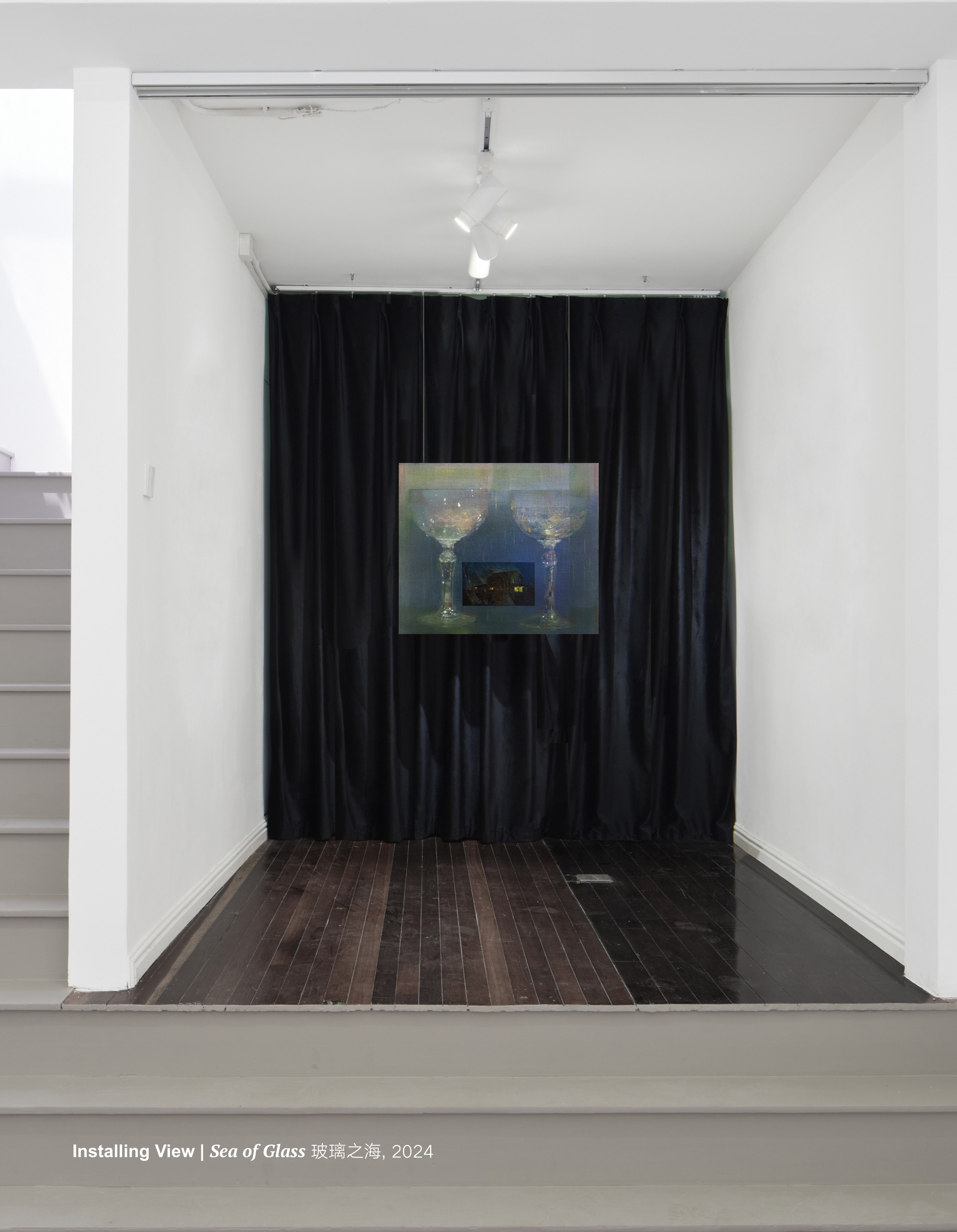
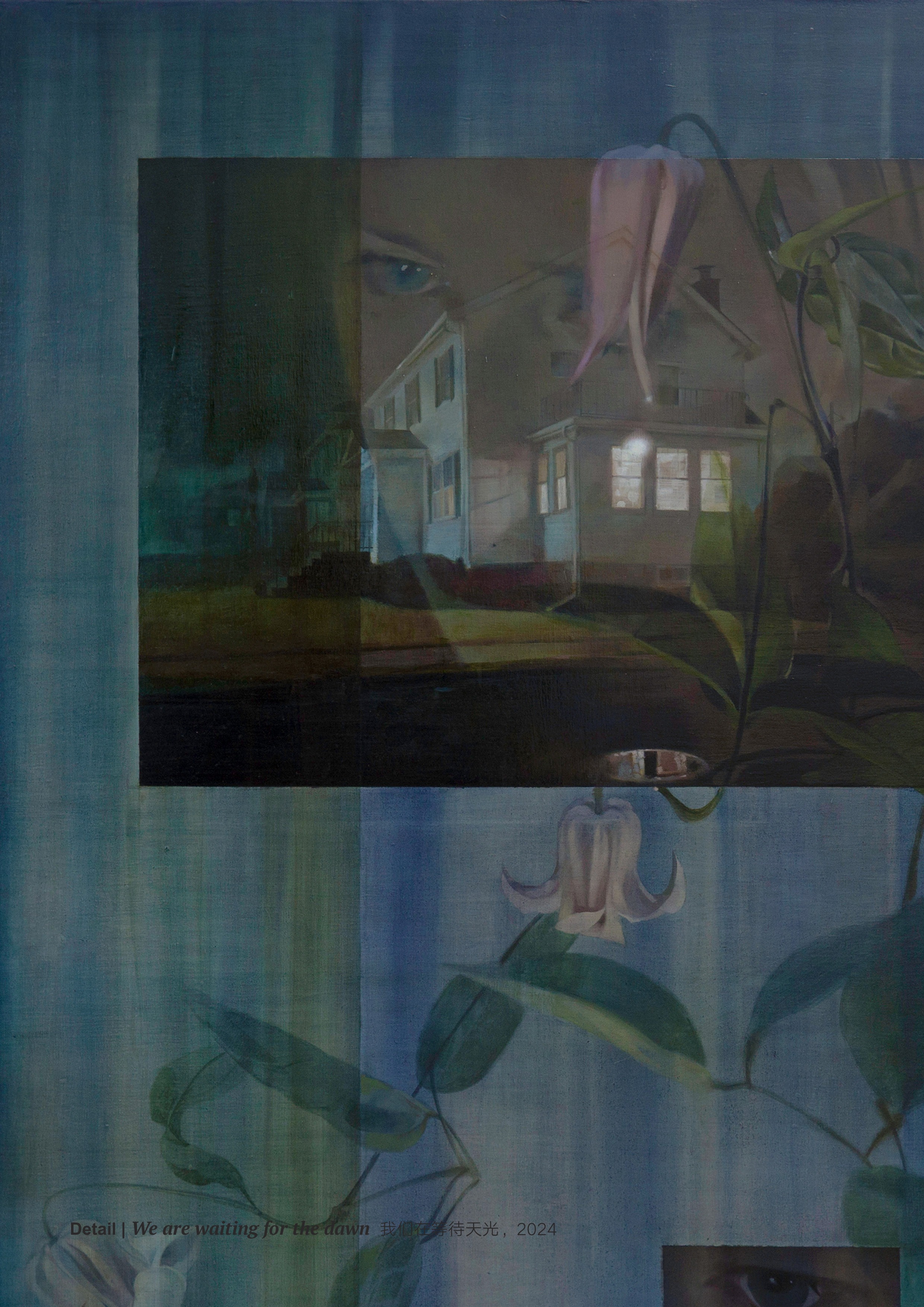
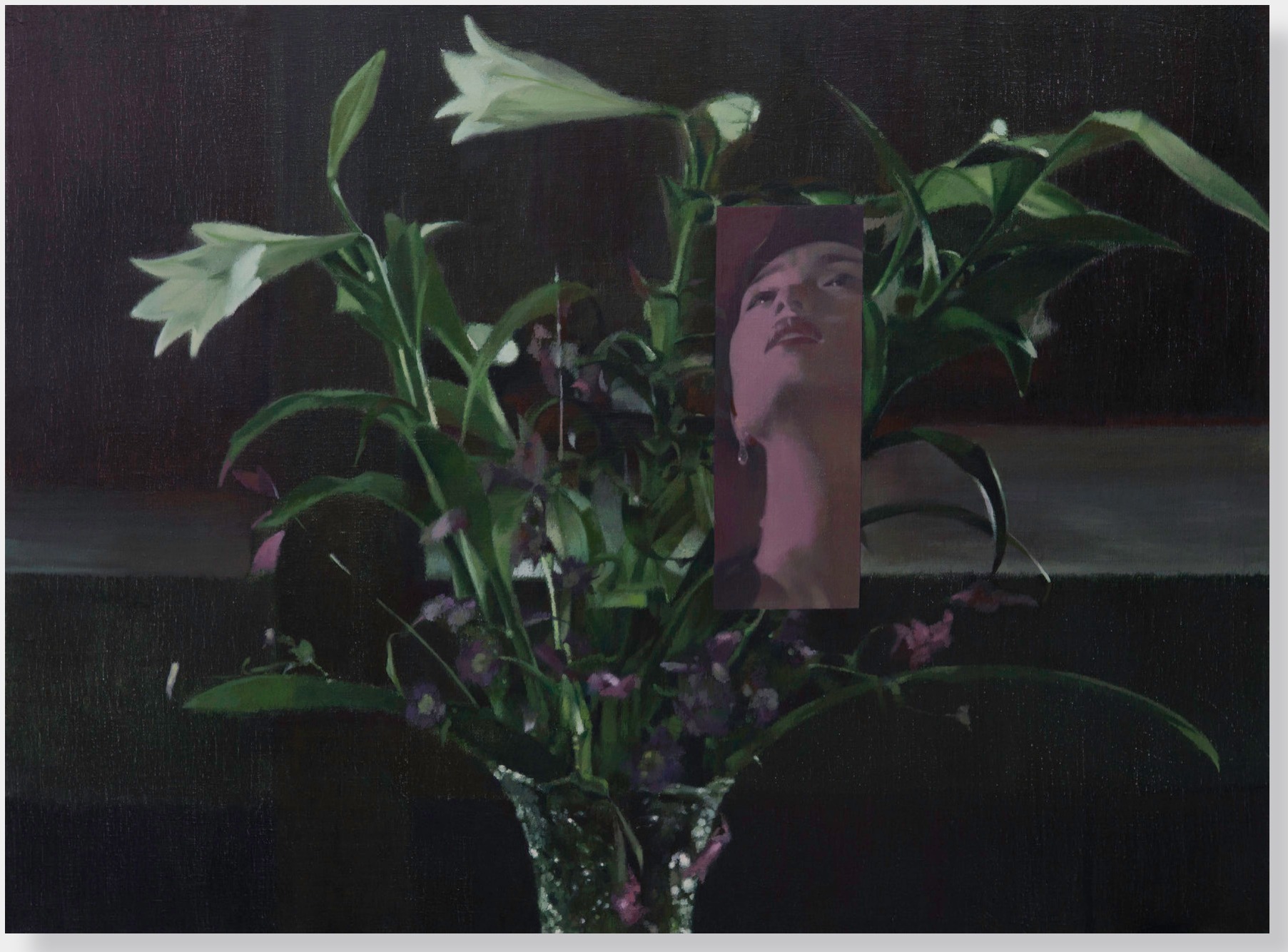
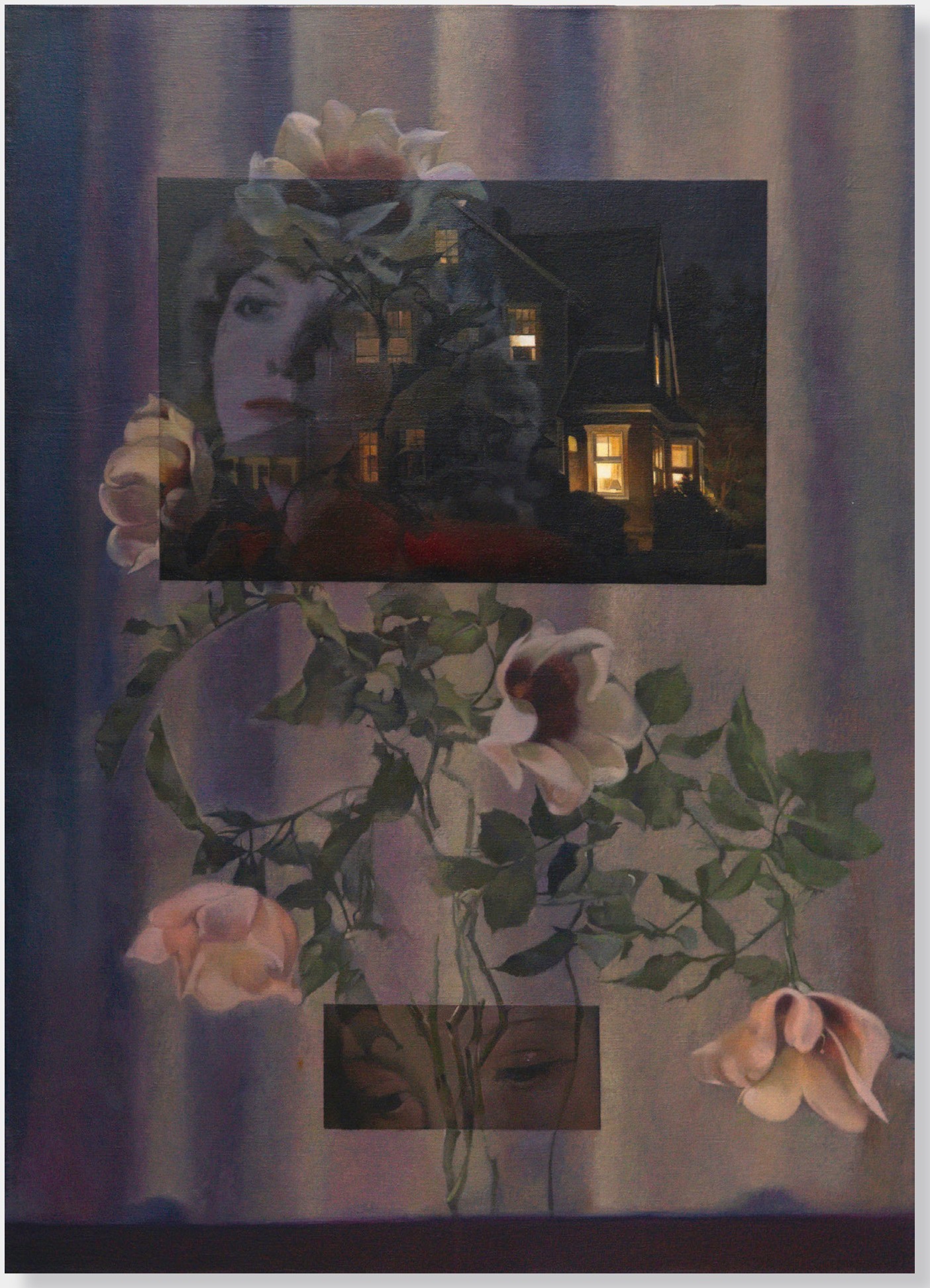
terous, soft and swift wings, crowing and leaving visible proofs next to the mine that they have detected. In the images of Lingrou Xie's works, the blurred back-
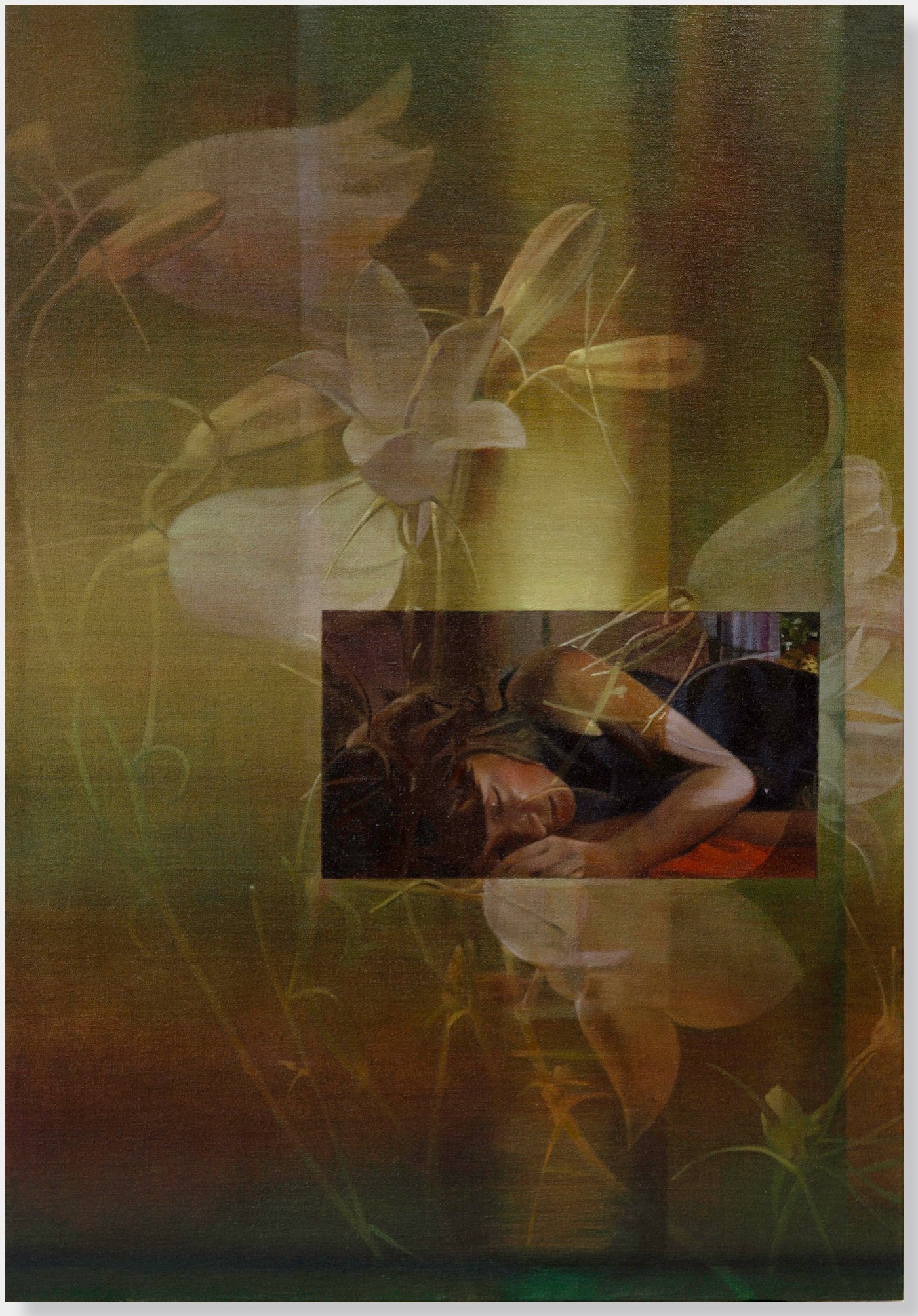
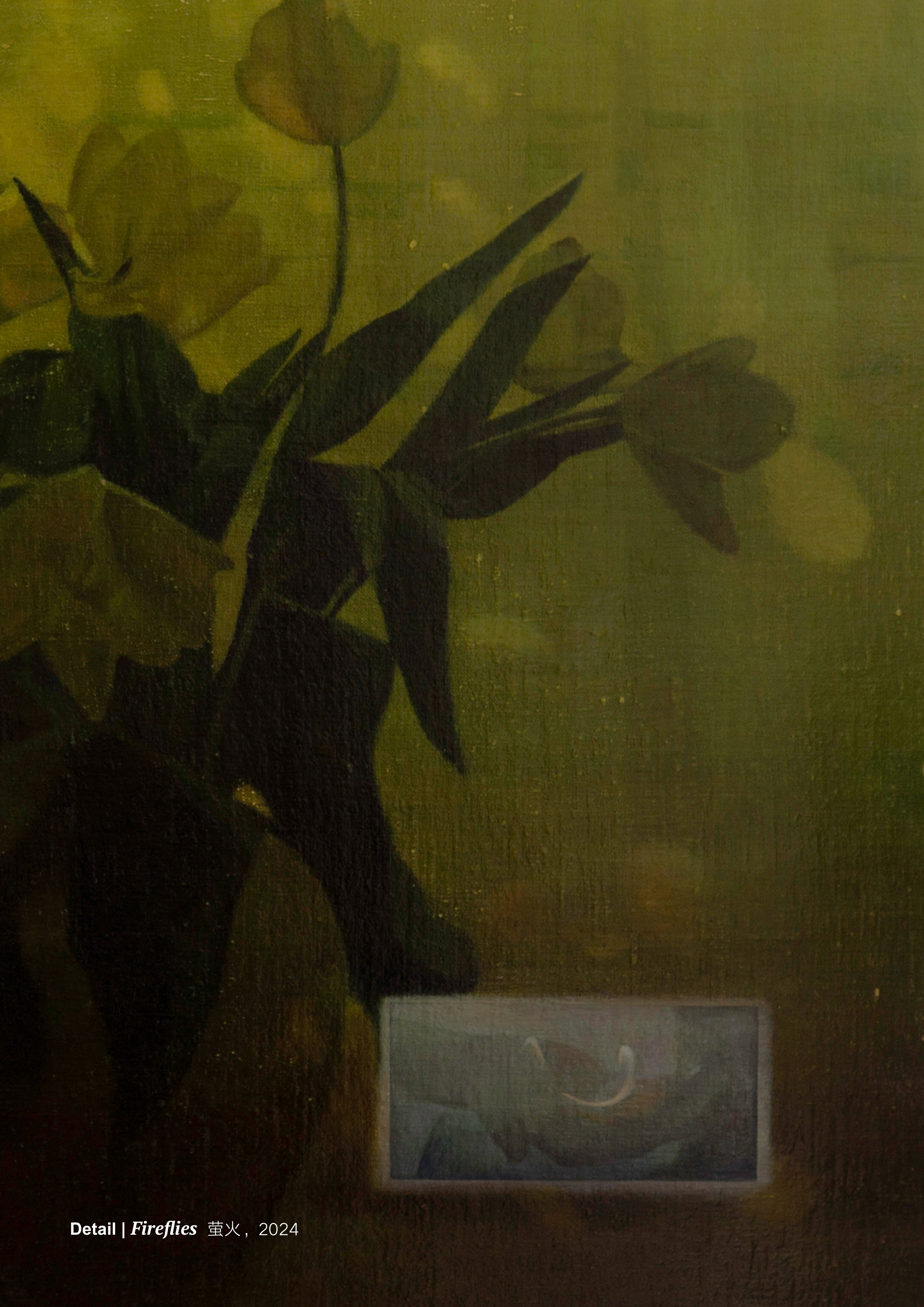
ground of skimming light and the speeding film negatives are constantly overlapping, as if the double exposures are witnessing the intersection of parallel time and space. However, in the midst of the continuous changes, what is always clear is the existence of a “variable-size”square, a “picture within a picture”that seems to be a symbolic or metaphorical title, and through which the tenderness and resilience of a woman's point of view is used to dig out memories buried under the skin of the subconscious mind and to elicit information about the hidden secrets of the blurred images. Through their tenderness and re-
silience from a female perspective, they tap into memo-
ries buried under the skin of the subconscious mind and evoke empathy about the situation of women's roles in contemporary society as metaphorically represented in the blurred images. The small square of the piece strays and is fixed within the boundaries of the frame, as Marcel Proust describes it in “À la recherche du temps perdu”, “something that has been embedded like an anchor at a great depth”. Original-
ly, the idea came from old family photos. Often pressed under glass table tops or held in albums of flimsy plastic film, these thin sheets of paper have become totems of shared memories of the millennial generation. She metic-
ulously depicts the faces of the people in the images and experiments with the possibilities of combining them with still lifes or plants as if they were collages. The logic of such “attempts” is “perception”, which over-
rides the logic of reason. Lingrou Xie once mentioned that she always seems to be attracted by human relationships, especially intimate relationships. The ambiguous tension between proximity and repulsion naturally draws her at-
tention and exploration, and from this she makes realiza-
tion and creation beyond the scope of language transla-
tion. As she becomes more familiar with her perceptions, her scope of expression gradually expands from figura-
tive photographs to abstract visual elements-emotional shadows, flames, gestures, and glances-constructing an intertwined galaxy of galaxies that converge around the mother-theme of “women”. Emotional ups and downs will also disturb Zhi Qiu's atten-
tion. However, she is more adept at exploring the univer-
sal connections and disconnections between the surface and the interior of the individual human being than the interplay between different individuals. Guided by a child-
hood preference, she transforms animals into symbols of expression and explores the pleasure or fear they can evoke in one's worldview.
Zhi Qiu uses “karma” as a clue in oriental philosophy and values to link up the maps of her creations and systema-
tize her thoughts. It also guides her to re-examine the life infused in different physical containers with an empathet-
ic eye, and to contemplate how its appearance in different forms can create diametrically opposed provocations to the watching consciousness. The artificially given para-
digm of “imagery” wraps itself around the essence of life, forming hard and fixed symbols that serve as short refer-
ences to the complex labyrinth of thought. When different animals are simplified into strongly sug-
gestive patches and rearranged together, the artist's inner complexity, desires, perceptions and insights are also bro-
ken down and translated, thus forming an effective intui-
tive communication to the external world. Under Zhi Qiu's brush, the chaotic world of entangled threads and strands is keenly found to be the source of the outline, and then melted into an undecipherable flow of the heart, connect-
ing to any familiar or unfamiliar people with more or less common understanding. In Qiu's keen perception, the sentiment of “species femi-
nism” grows naturally and permeates every animal figure she observes and depicts. Species Feminism focuses on the intertwined relationship between humans, animals and the environment, emphasizing the potential for wom-
en to demonstrate a more caring, compassionate and cooperative attitude towards non-human animals and the environment. Under an almost compassionate cross-spe-
cies perspective, she uses her gifted female sensitivity to explore the cracks between appearance and substance, and expands the transient perceptions she acquires with intense and highly charged color and compositional ex-
pressions that continue to sing to the outside world. The artist touches the entire exhibition space with instan-
taneous perception, it seems that the vertical three-di-
mensional structure can also be viewed by the unsteady eyes as a carefully installed birdcage, forming a safe or restrictive division from the outside world. The same wrapping and boundaries fall into Lingrou Xie 's paint-
ings as regular frames and lines, and into Zhi Qiu's brush-
strokes as the skin of the animals, which together protect or constrain their contents. However, when the viewer has complete trust in the closed environment in which he or she lives, narrow and arbitrary meanings of praise or degradation cease to exist, and the criteria for judging the good and the bad are temporarily invalidated, each individual will be like a canary in a mine, relying only on intuition to interact with the outside world, with each other, and with the self. Text by Roxane Fu BEAK AND COAL
鸟喙与煤
参展艺术家Artists
作品