涅羽未竟 | Don't Fall Before We Fade
展览信息
前言Introduction
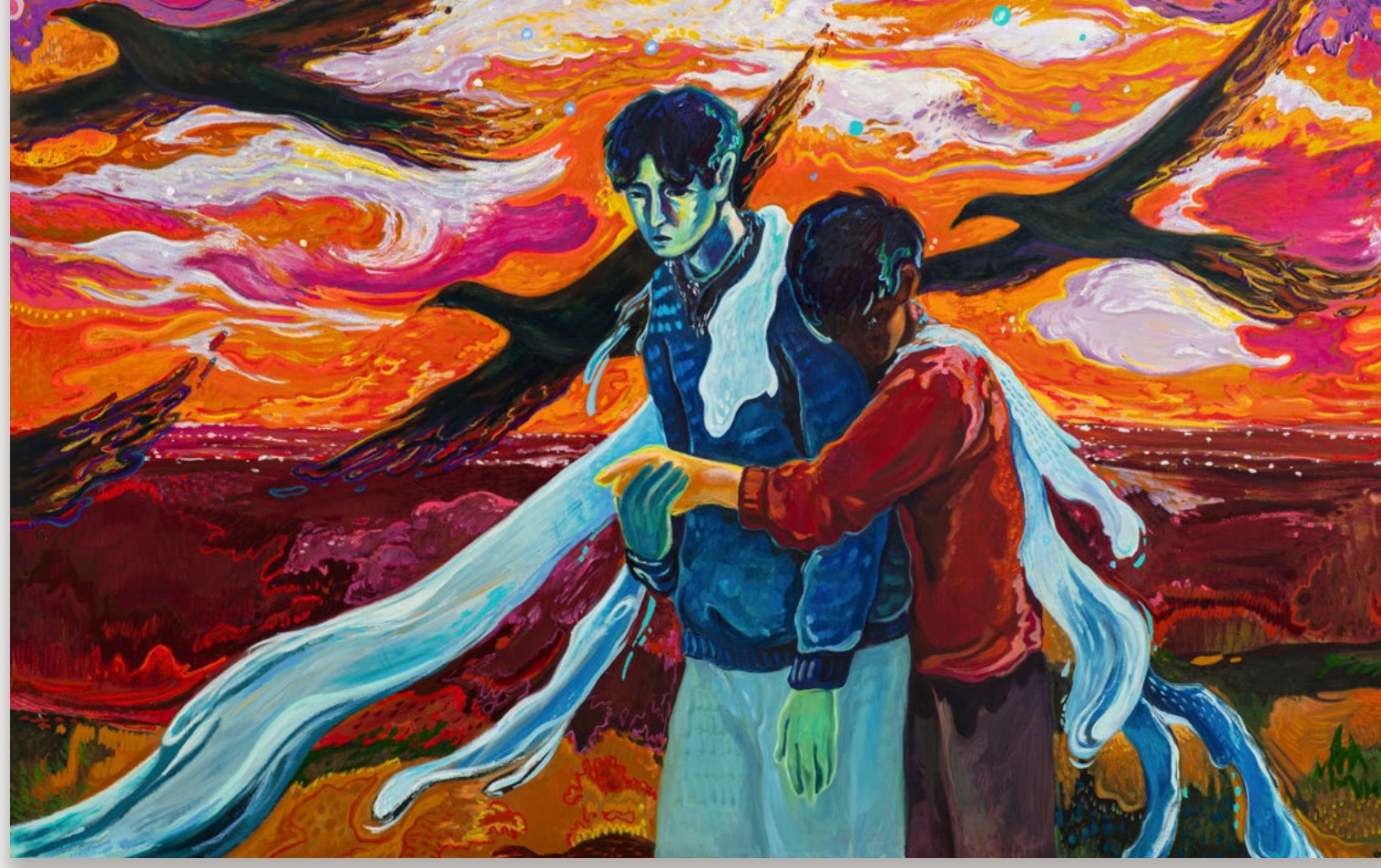
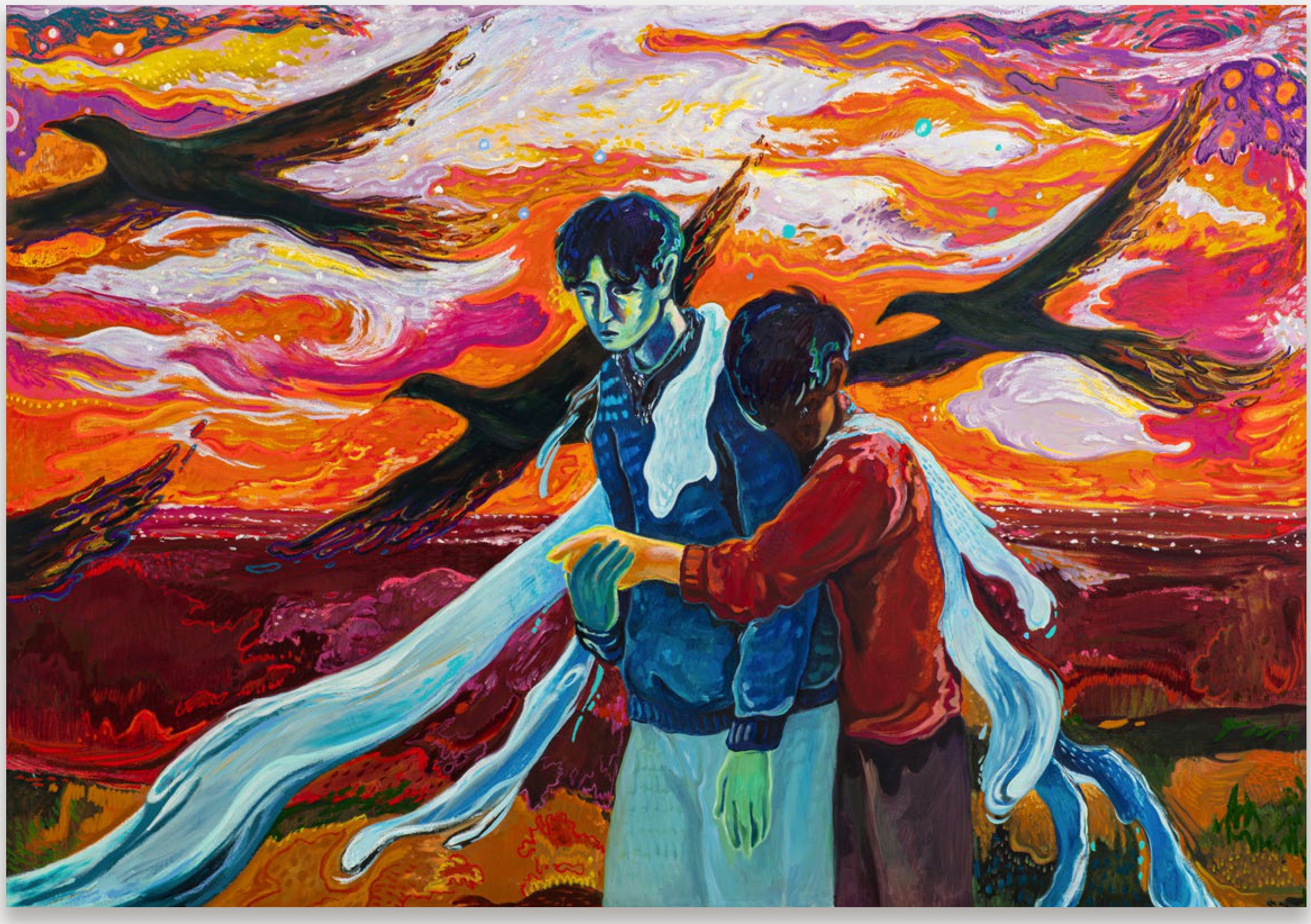
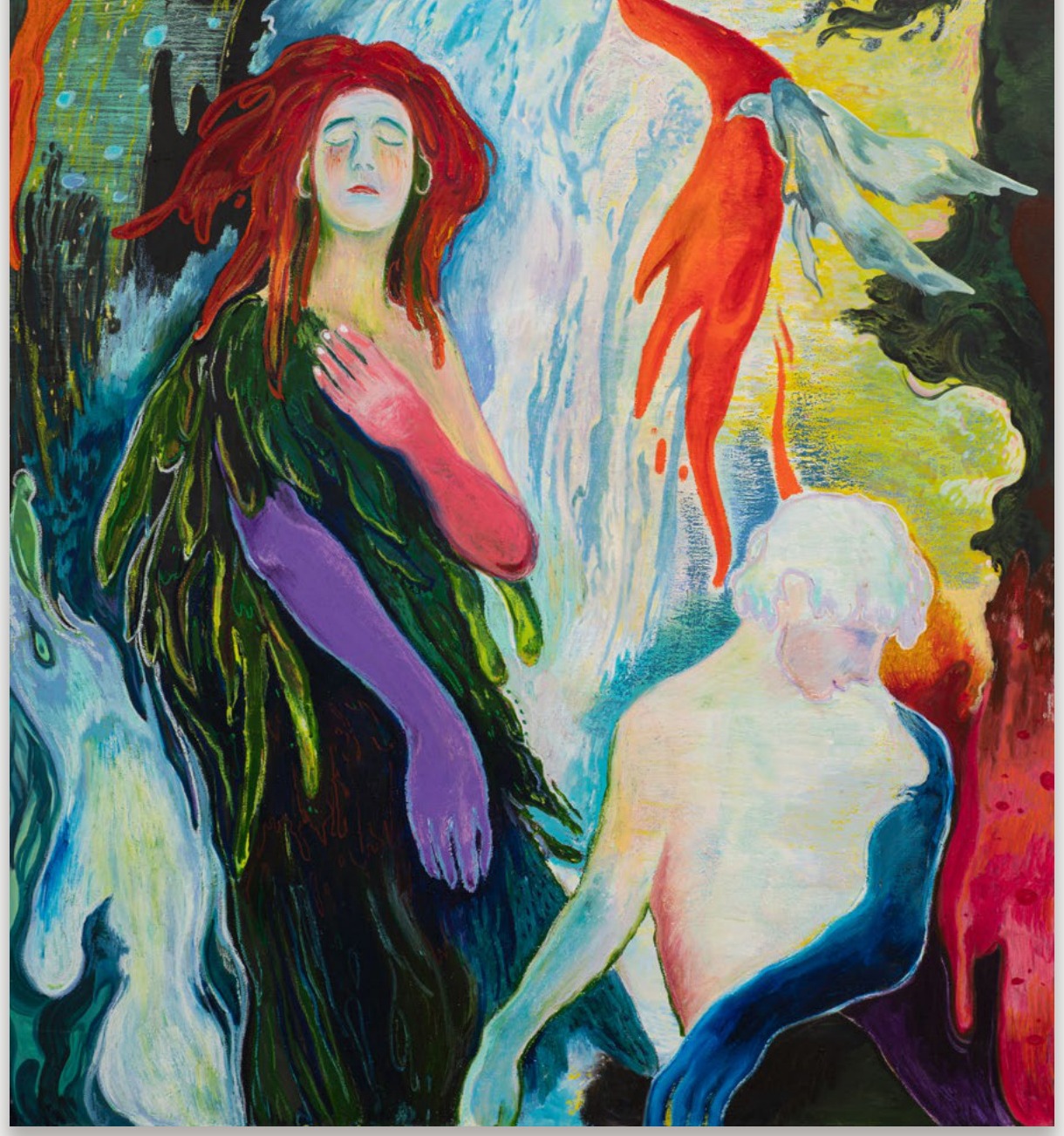
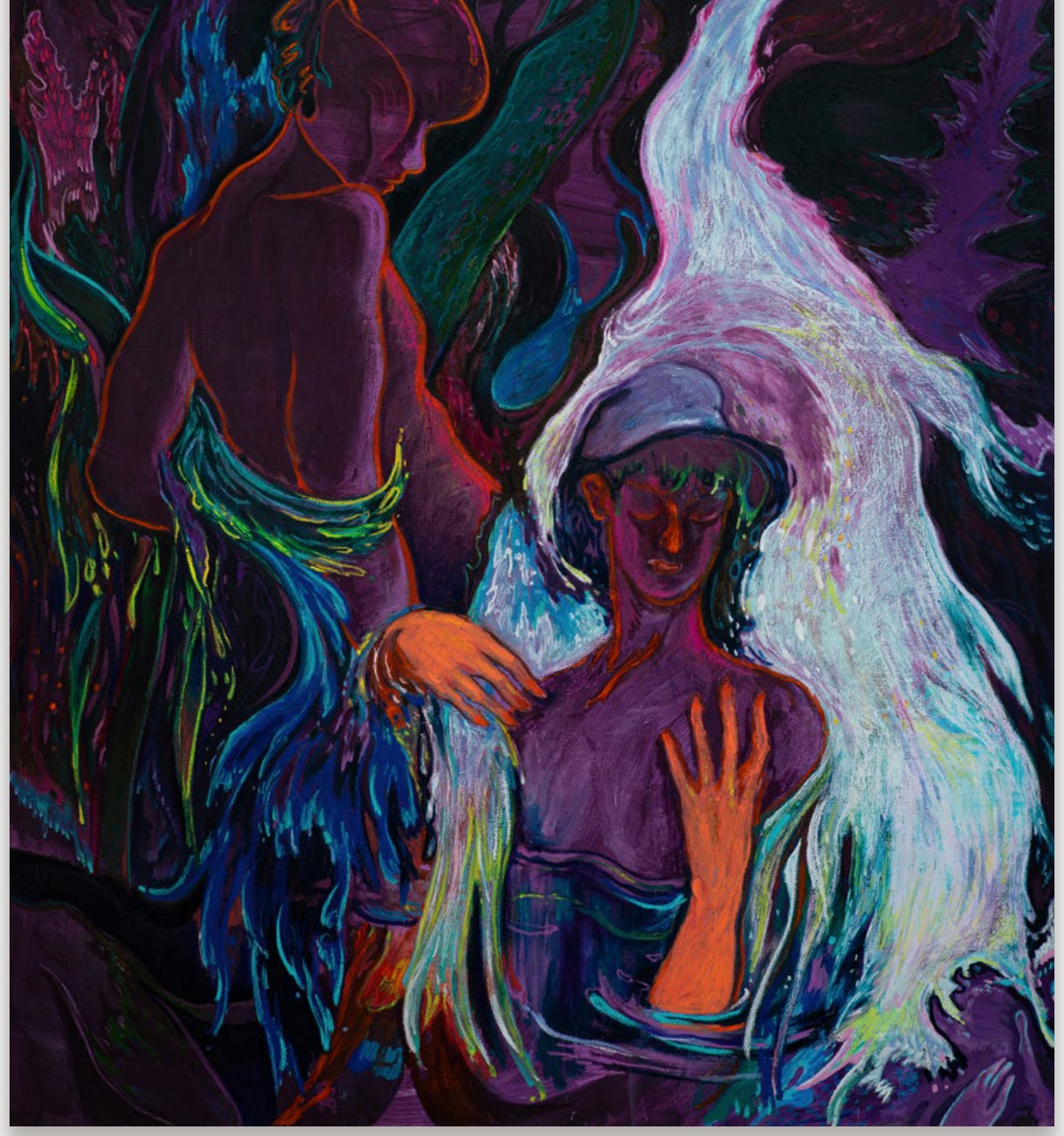
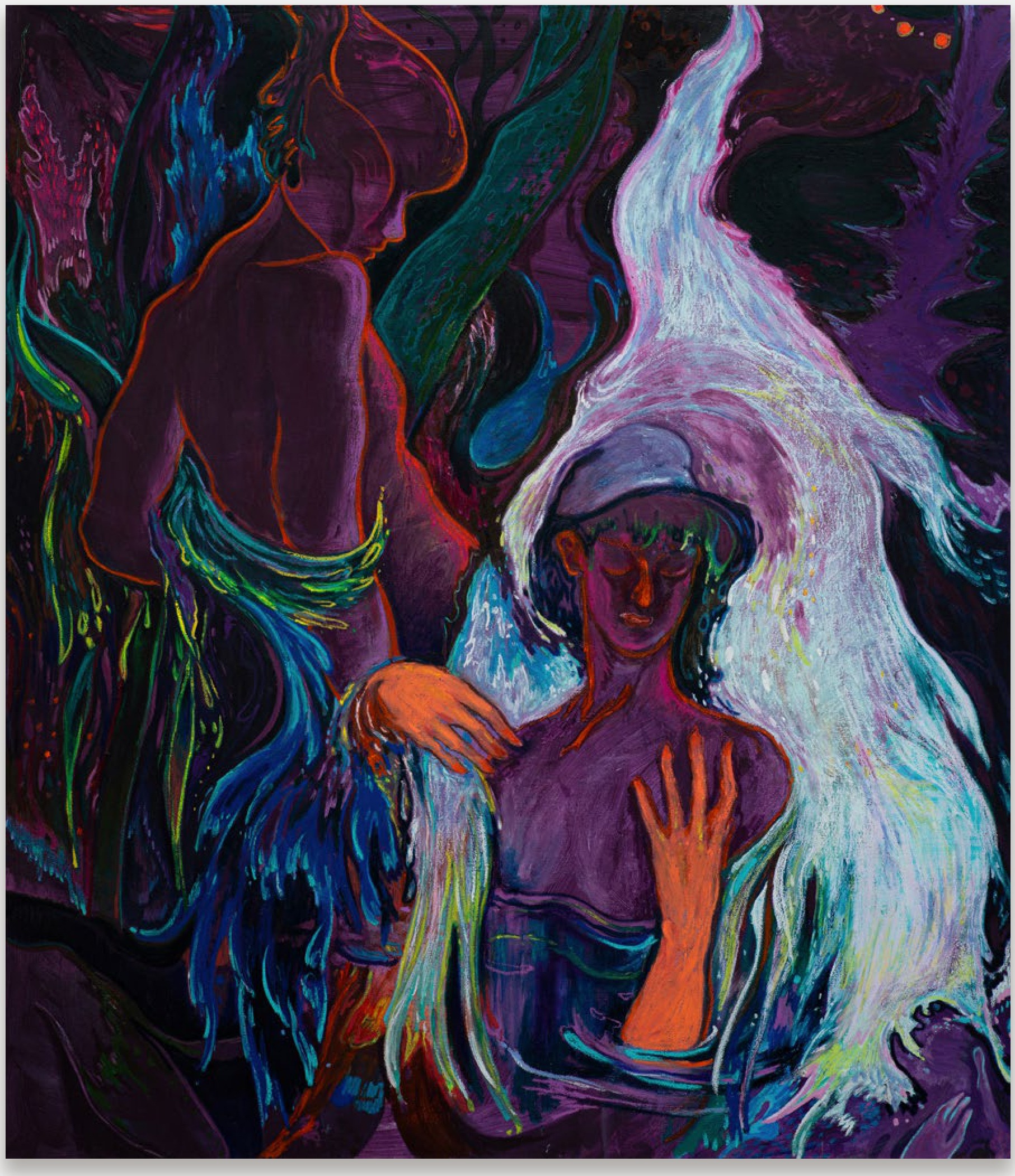
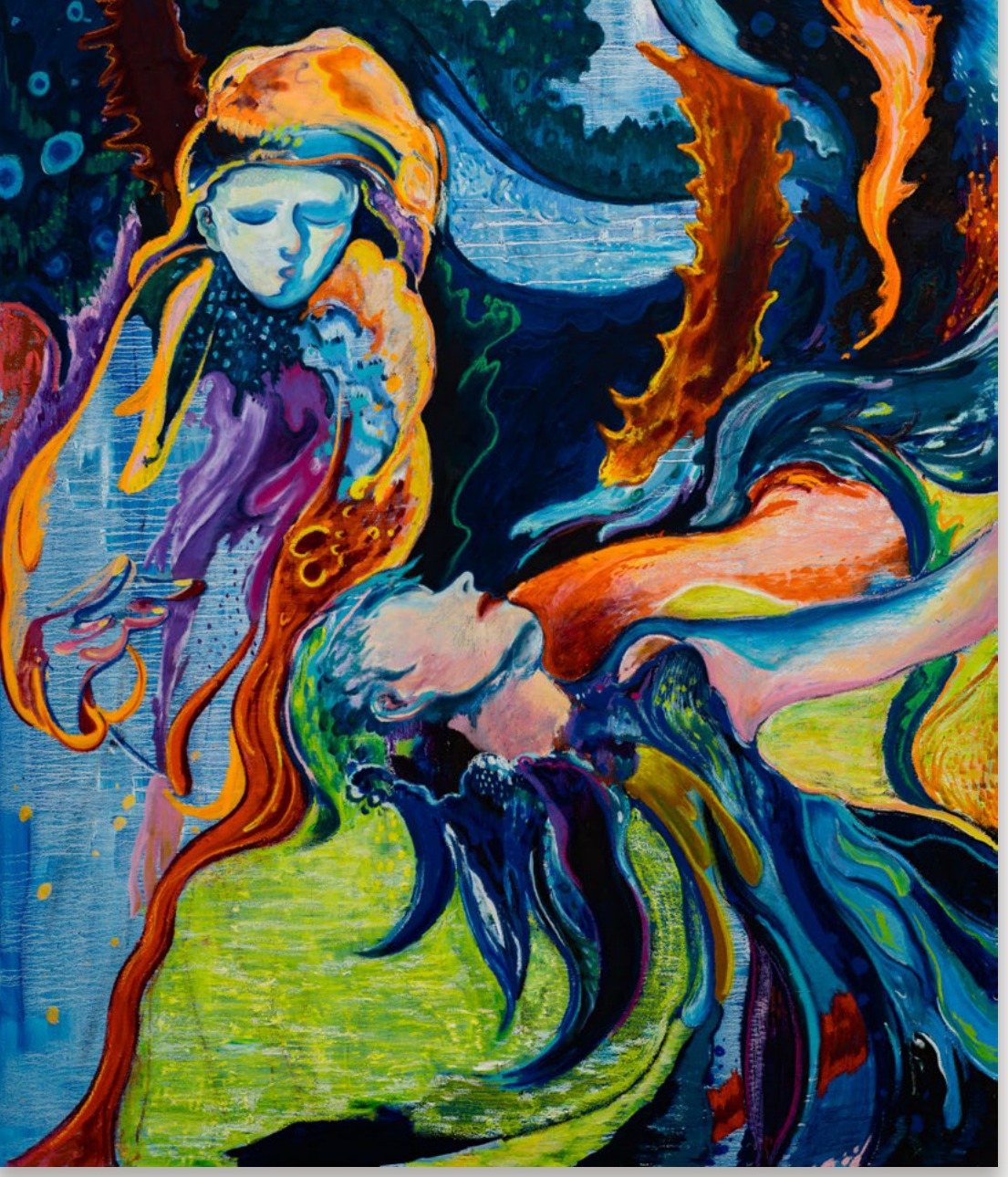
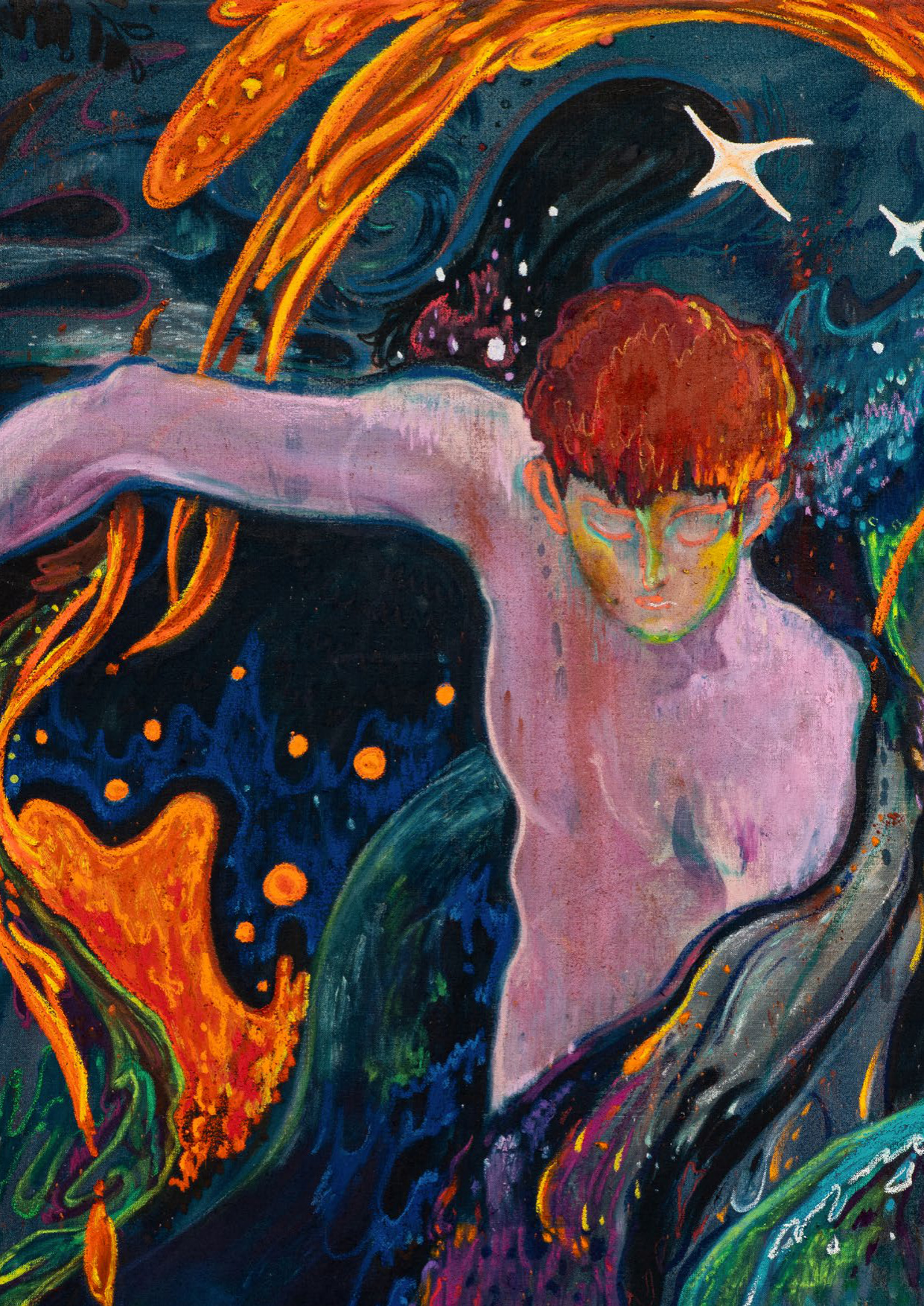
Across different works, CHEN continuously adjusts the positioning and dynamics between his figures, allowing for multi-referential possibilities within the frame. He does not impose definitive narratives upon these figures, whose identities and genders are intentionally attenuated; instead, he places them within open and ambiguous structures. Between gazes and misalignments, the figures maintain a subtle distance between proximity and alienation, keeping their relationships in a state of perpetual tension. In this sense, the paintings function as a manifestation of relational structures, echoing the tenets of “relational ontology”—the notion that individuals are not isolated entities but are continuously shaped and transformed through relationships, interactions, and processes. CHEN’s practice shifts the focus from
“being” to “becoming,” transforming the image into a visible form of this ongoing process. As CHEN Haoxuan said, that state of “not-yet-arrived” is always accompanied by fervor and contradiction: the storm has not receded but continues to resonate internally, causing life to oscillate between embers and light. Within this recursion, flight is no longer a singular motif of rising, but a capacity that requires constant practice—maintaining direction amidst uncertainty and seeking provisional points of anchorage within states of weightlessness. The exhibition Don’t Fall Before We Fade unfolds precisely such an unfinished process; it is not a confirmation of arrival, but a momentary pause within a continuous state of becoming.
参展艺术家Artists
作品