猎
展览信息
前言Introduction
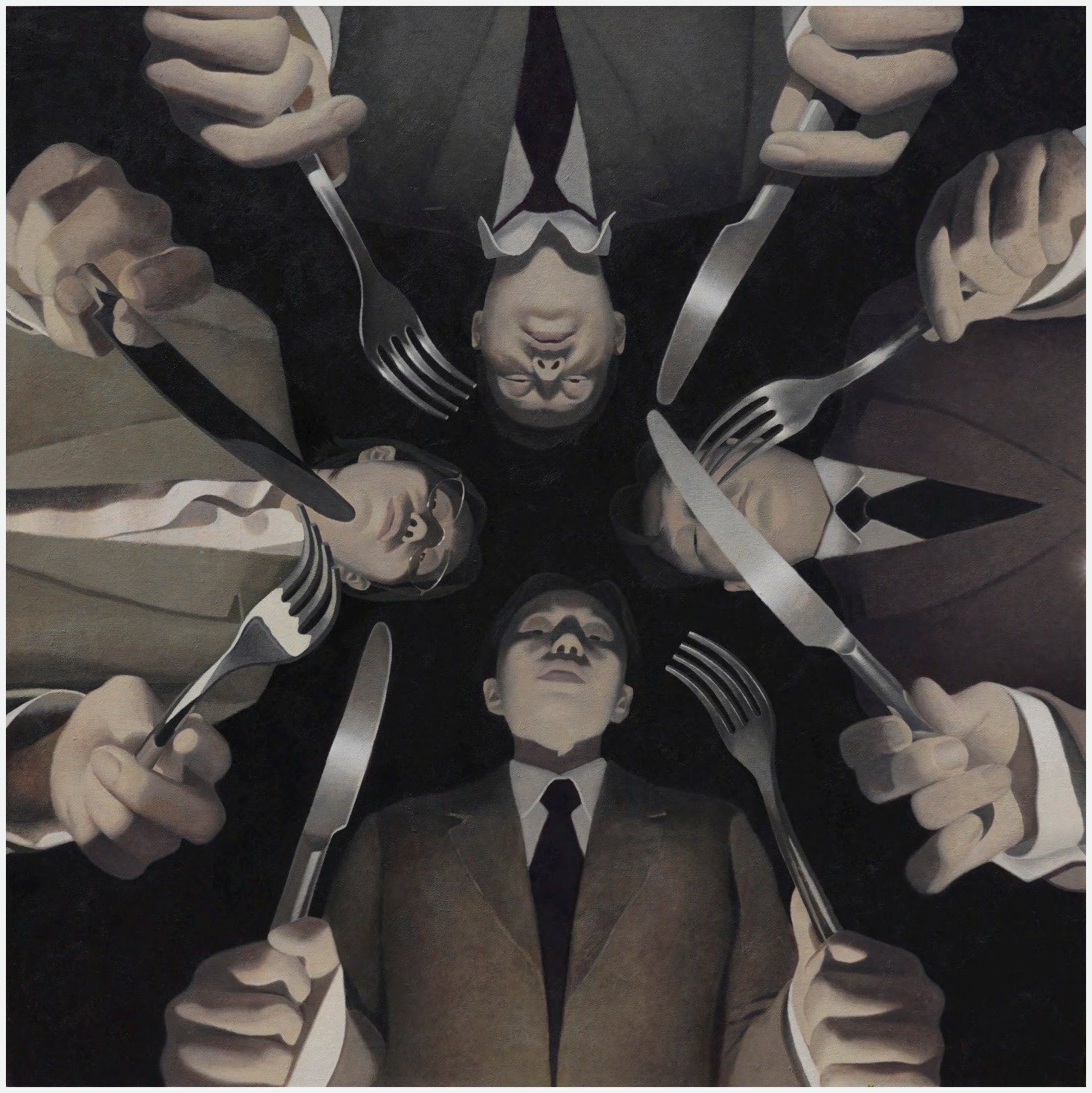
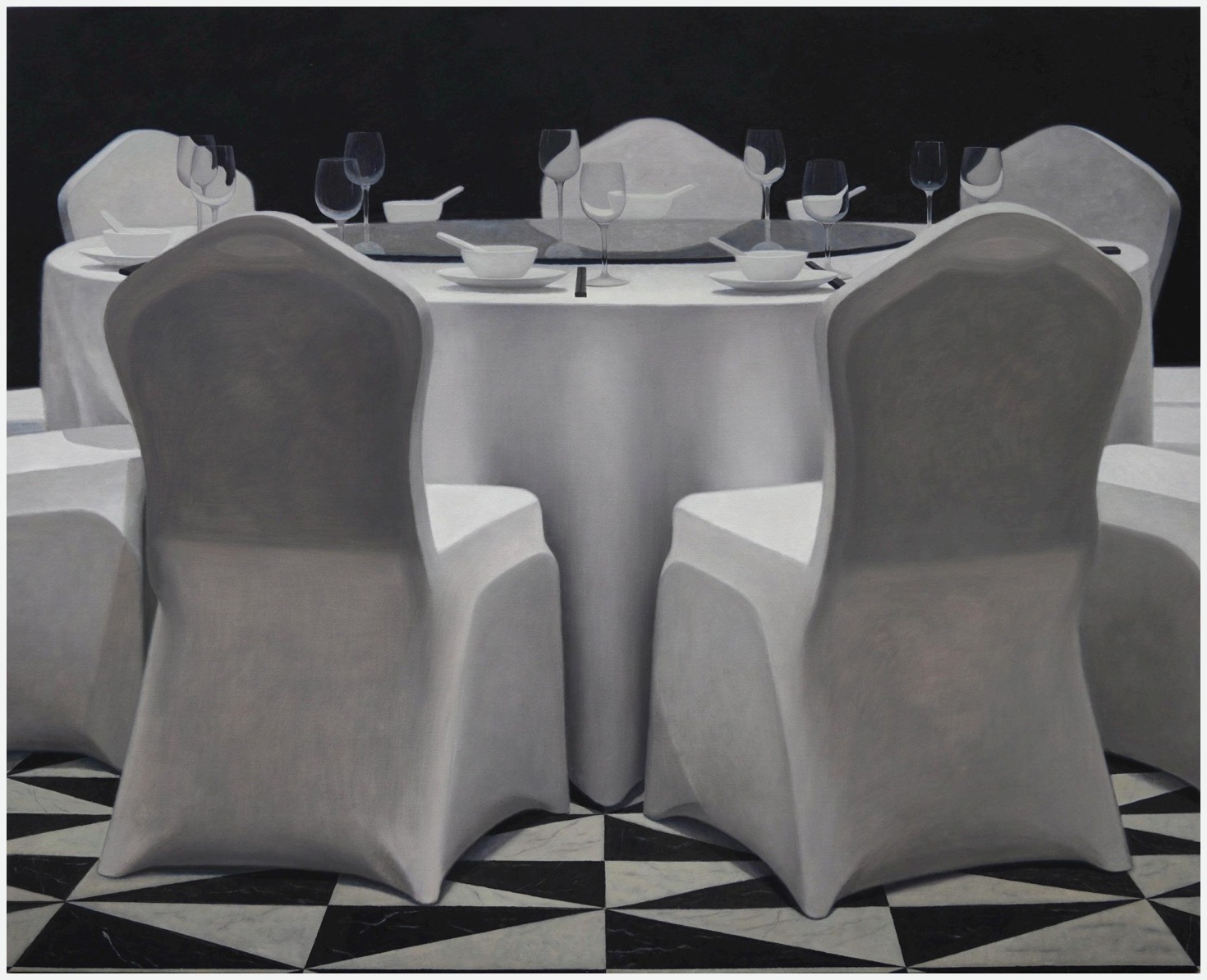
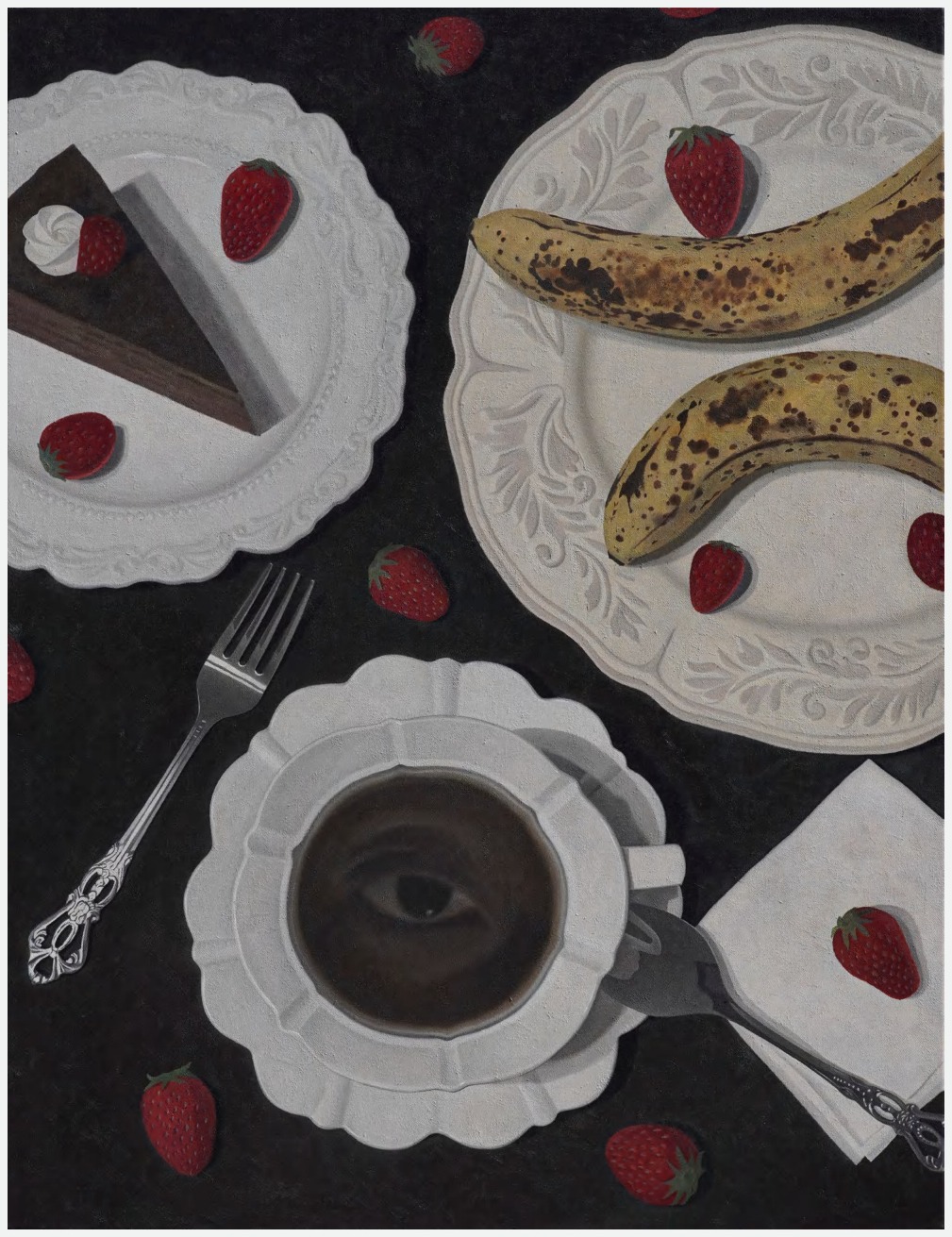
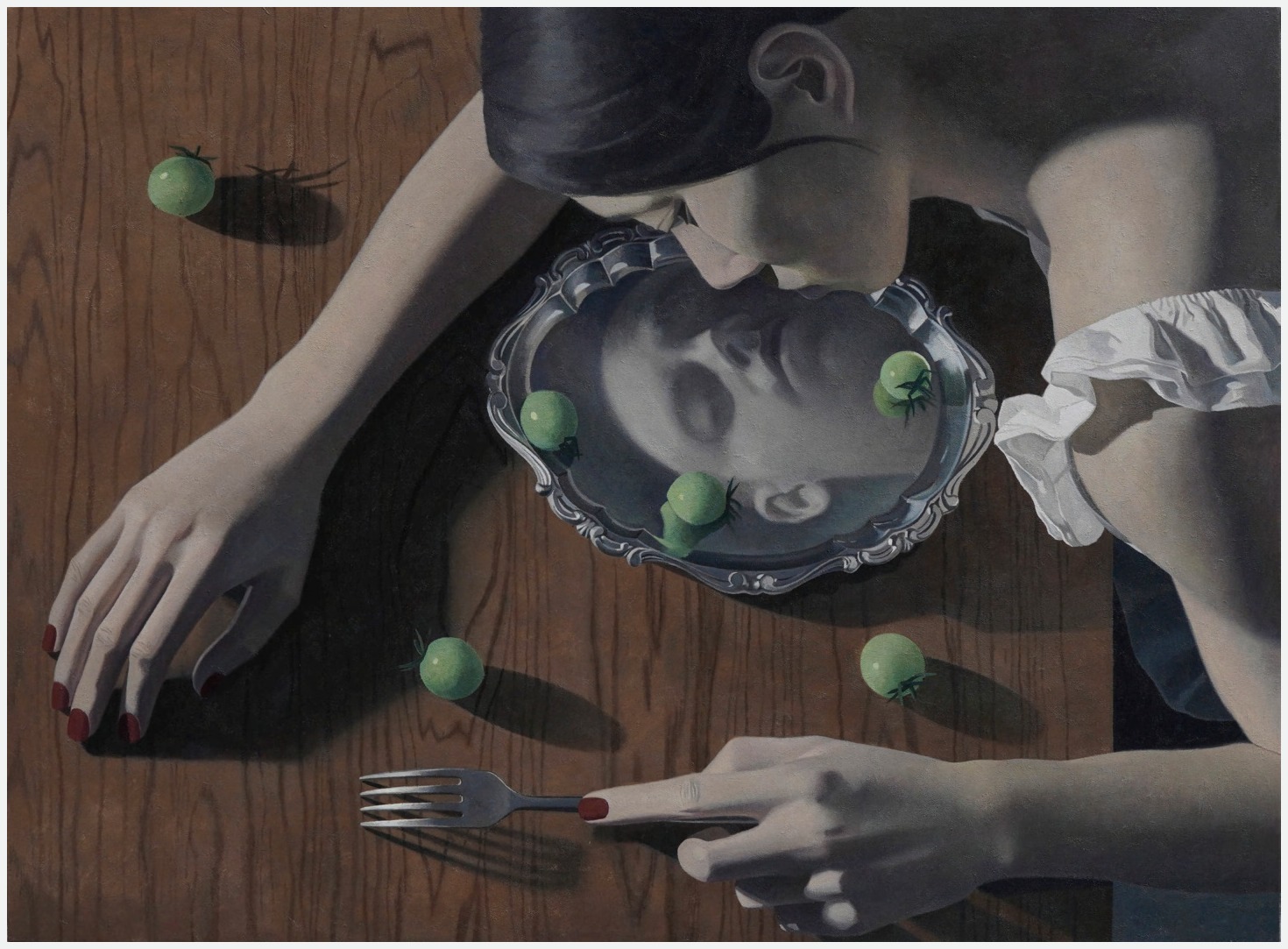
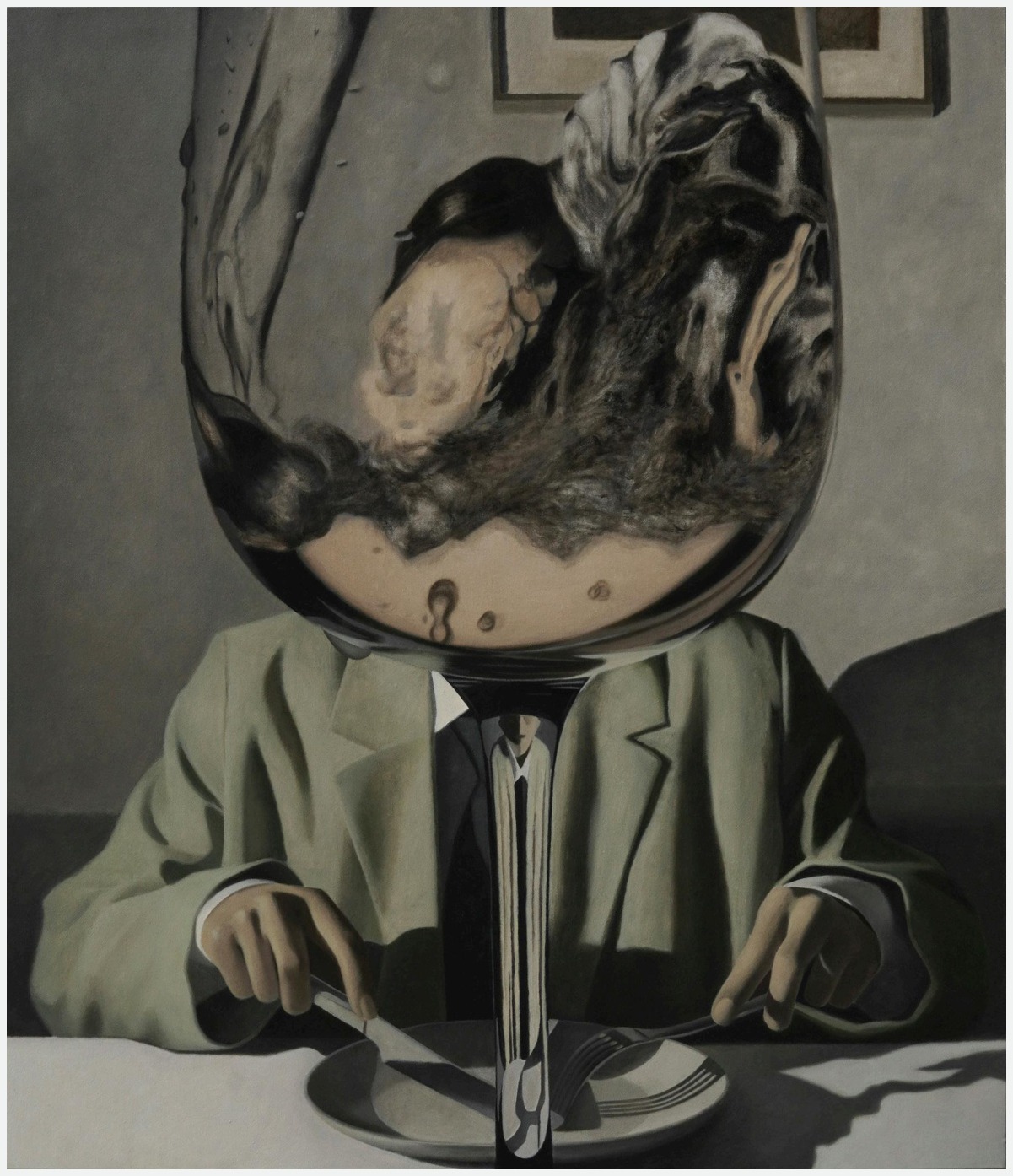
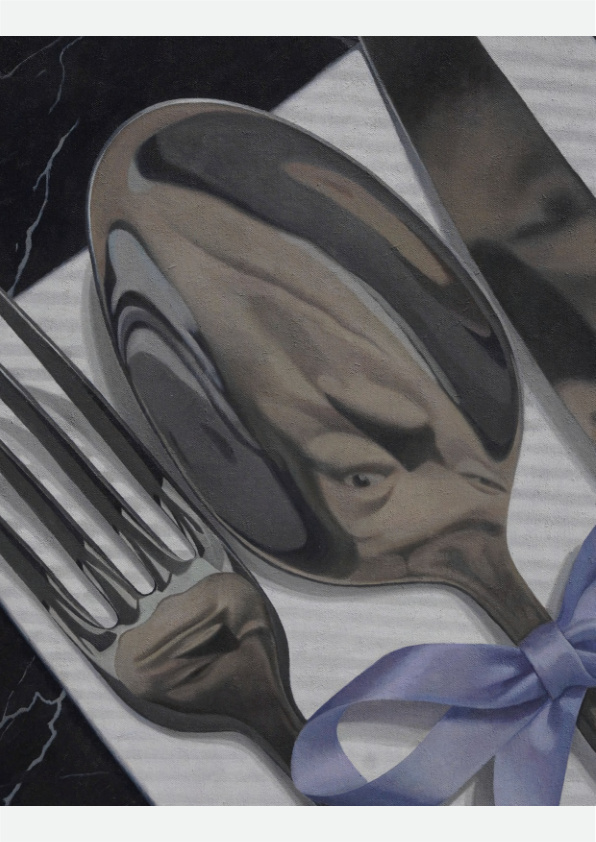
关于展览About the ExhibitionARR Gallery 很荣幸地宣布将于2026 年7 月5 日呈现艺术家全能琪在ARR Gallery 的首个个展《猎》,展览将持续至8 月5 日。从2024 年至2026 年,艺术家全能琪的创作围绕着作为日常关系缩影的餐桌所展开。在她的作品中,酒杯、银器与餐盘原本服务于人的使用,却借由反光、折射与变形,反过来捕捉、切割甚至扭曲人的面孔。人们衣着体面,坐姿克制,欲望却在这份静默与秩序之下缓慢苏醒。
她的作品往往停留在行动尚未真正发生的瞬间:刀叉悬而未落,目光短暂停顿。紧张感并不来自已经爆发的冲突,而来自某种即将发生之事的预感。也正是在这种被延长的时间里,“猎”显露出比捕获更复杂的含义——它包含寻找、辨认、试探、等待,也包含每个人对自身与他人位置的持续判断。
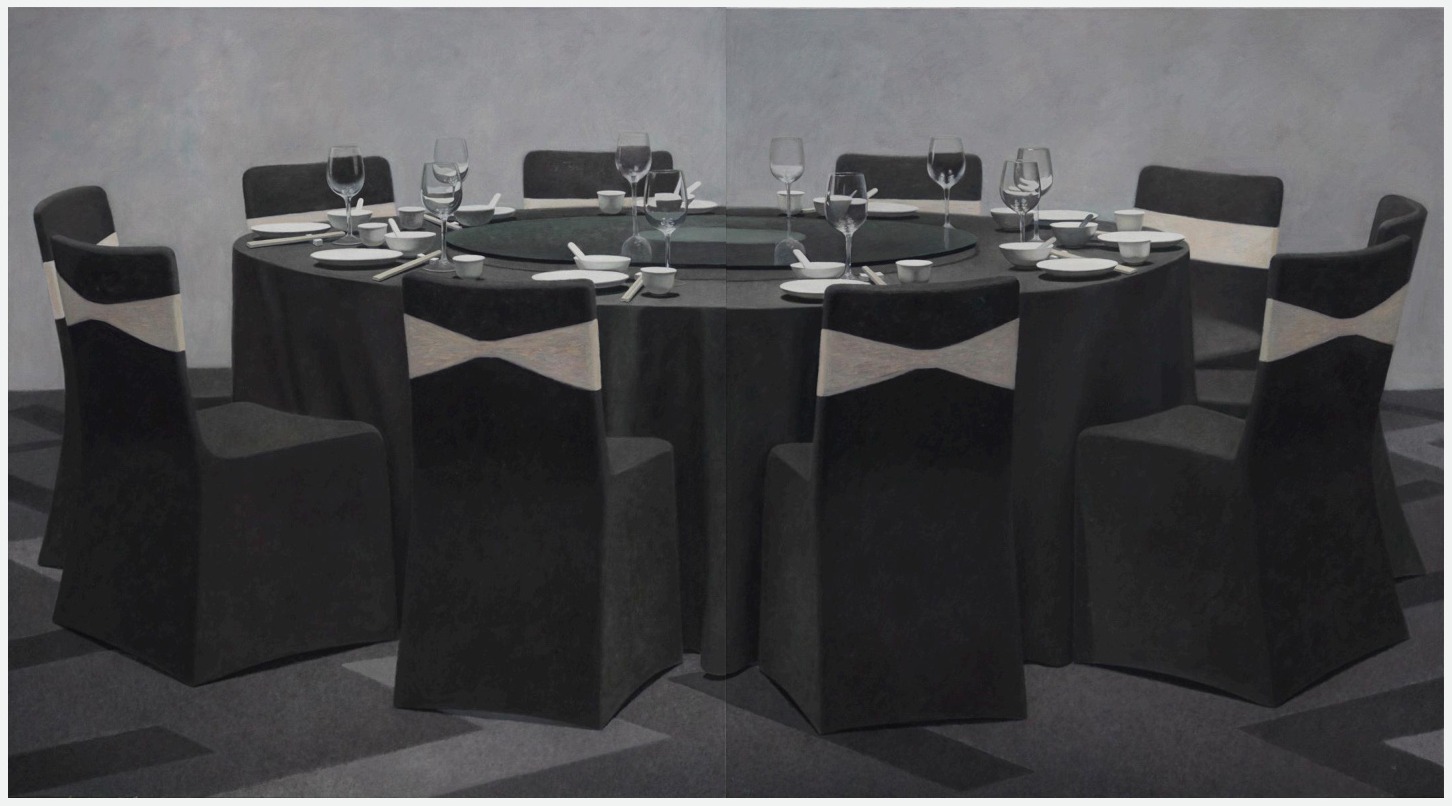
对于全能琪而言,餐桌不是中性的日常空间中的所属物。婚宴、年夜饭、升学宴、满月酒……一次次宴饮既维系关系,也确认身份、伦理与秩序。亲密的人围坐一桌,却未必真正靠近;一句寒暄、一次举杯、一个眼神,都可能包含试探、沉默或无声的压力。
因此,“猎”不是一场征服游戏,而是一种存在于日常关系中的相互审视。我们审视或定义他人,却也不断被年龄、性别、家庭角色和社会期待所定义。餐盘、转盘与圆桌形成层层边界,反光的银器则让人的面孔变得陌生而扭曲。猎手与猎物并非固定身份,每个人都可能在观看他人的同时,成为被观看目光所规训的人。最终,“猎”
指向的不是某个对象,而是社会如何借由最熟悉的日常仪式,重塑关于身份定义。
ARR Gallery is pleased to announce Hunting, Quan Nengqi’s first solo exhibition, opening onJuly 5, 2026, and running through August 5. From 2024 to 2026, Quan’s practice has centredon the dining table as a microcosm of everyday relationships.In Quan Nengqi’s paintings, wineglasses, silverware, and porcelain plates—objects designed to serve the body—begin insteadto capture, fracture, and distort the faces reflected upon their polished surfaces. Elegantlydressed figures sit with measured composure, while desire quietly stirs beneath an atmosphereof restraint and order.
Her paintings often linger in the moment before an action unfolds: a knife and fork suspendedin anticipation, a gaze held for a fraction too long. The tension arises not from conflict alreadyerupted, but from the premonition of something about to happen. It is within this extendedmoment that Huntingcomes to signify something far more complex than the act of pursuititself—a process of searching, recognizing, testing, waiting, and continually negotiating one’sposition in relation to others.
For Quan Nengqi, the dining table is far from a neutral domestic setting. Wedding banquets,Lunar New Year feasts, graduation celebrations, and full-month gatherings—each shared mealnot only sustains relationships but also reinforces identity, kinship, and social order. Thosegathered around the same table may be bound by intimacy, yet remain emotionally distant. Acasual greeting, the raising of a glass, or a fleeting glance can all carry hesitation, silence, orunspoken pressure.
Hunting, therefore, is not an act of domination, but a condition of mutual scrutiny embedded ineveryday life. We observe and define others while continually being defined in return—by age,gender, family roles, and social expectations. Plates, lazy Susans, and the circular table establishconcentric boundaries, while reflective silverware renders familiar faces strangely distorted.Hunter and prey are never fixed identities; in the very act of looking, one is simultaneouslysubjected to the gaze of others. Ultimately, Huntingis less about pursuing a particular targetthan about the ways in which society, through its most familiar rituals, continually reshapes ourunderstanding of identity and belonging.
参展艺术家Artists
作品