闷热的白天
展览信息
前言Introduction
关于展览
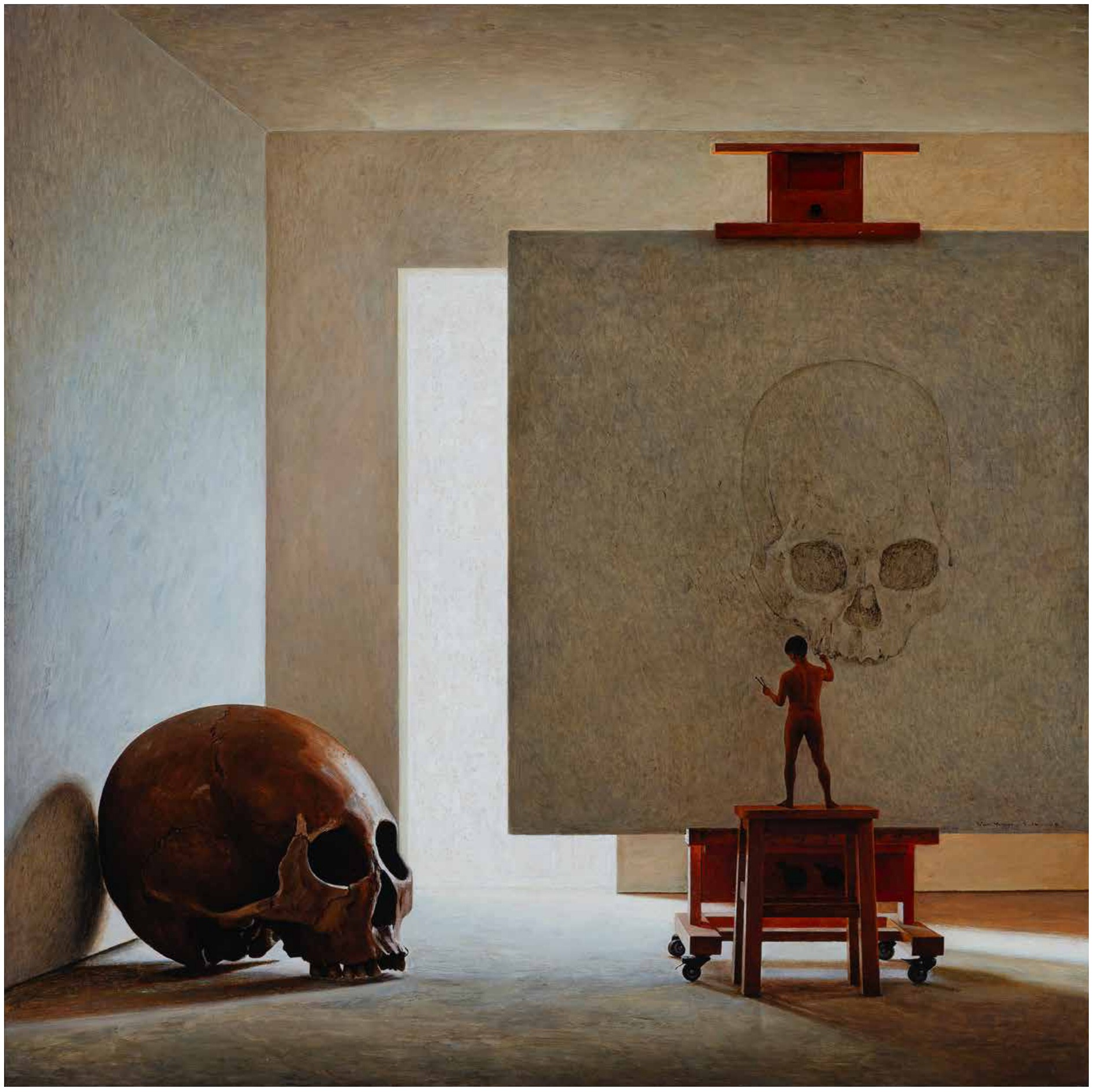
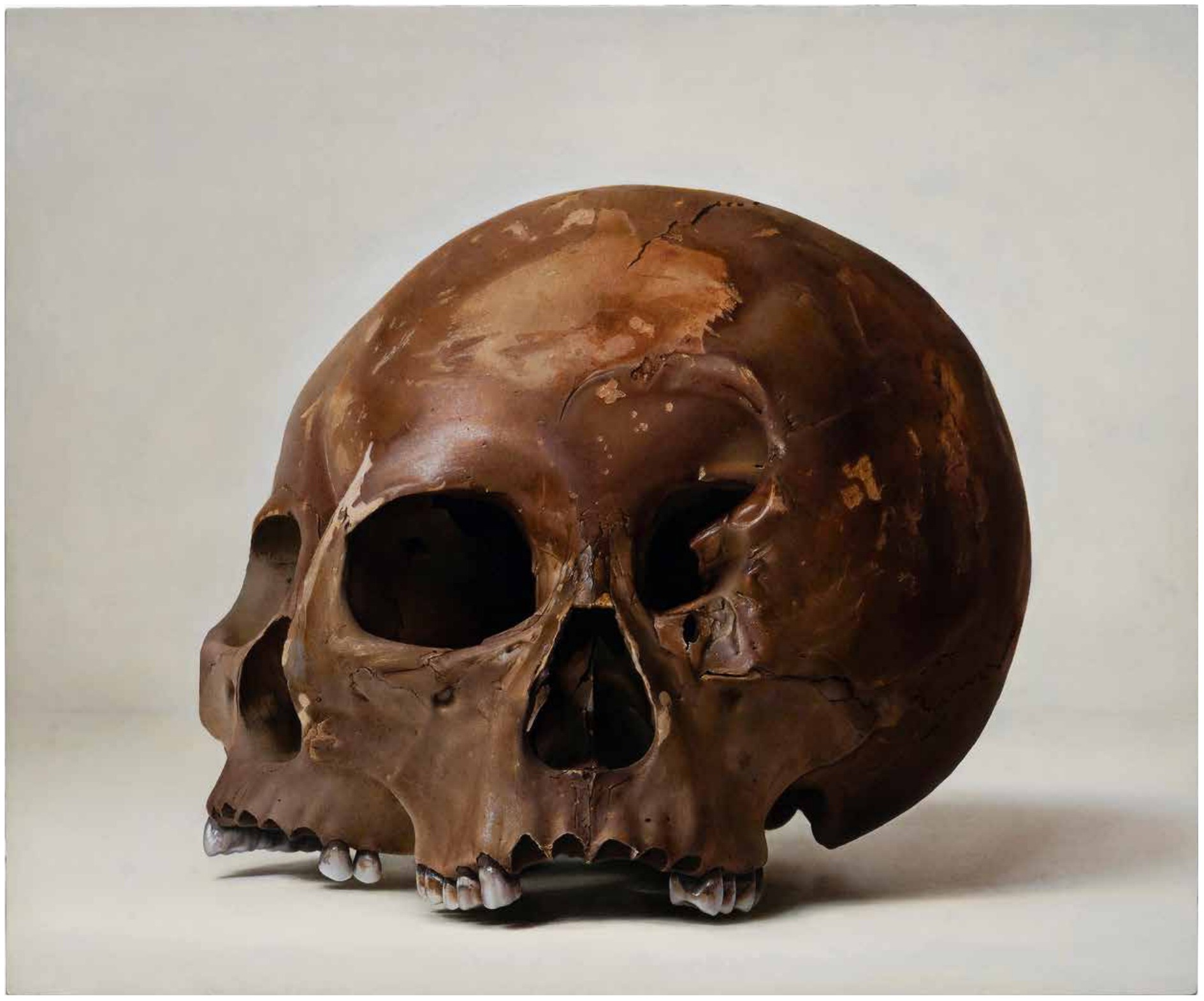
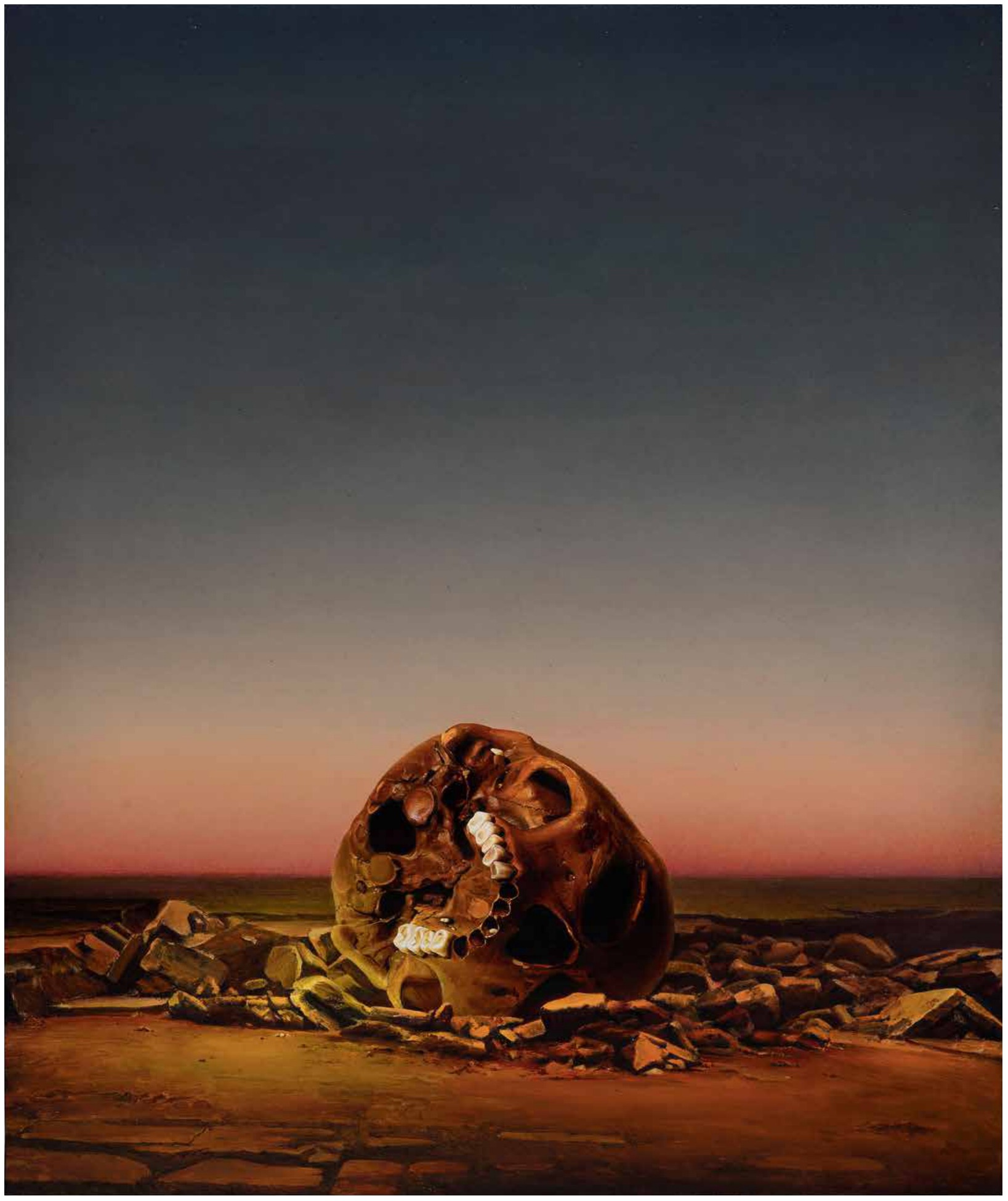
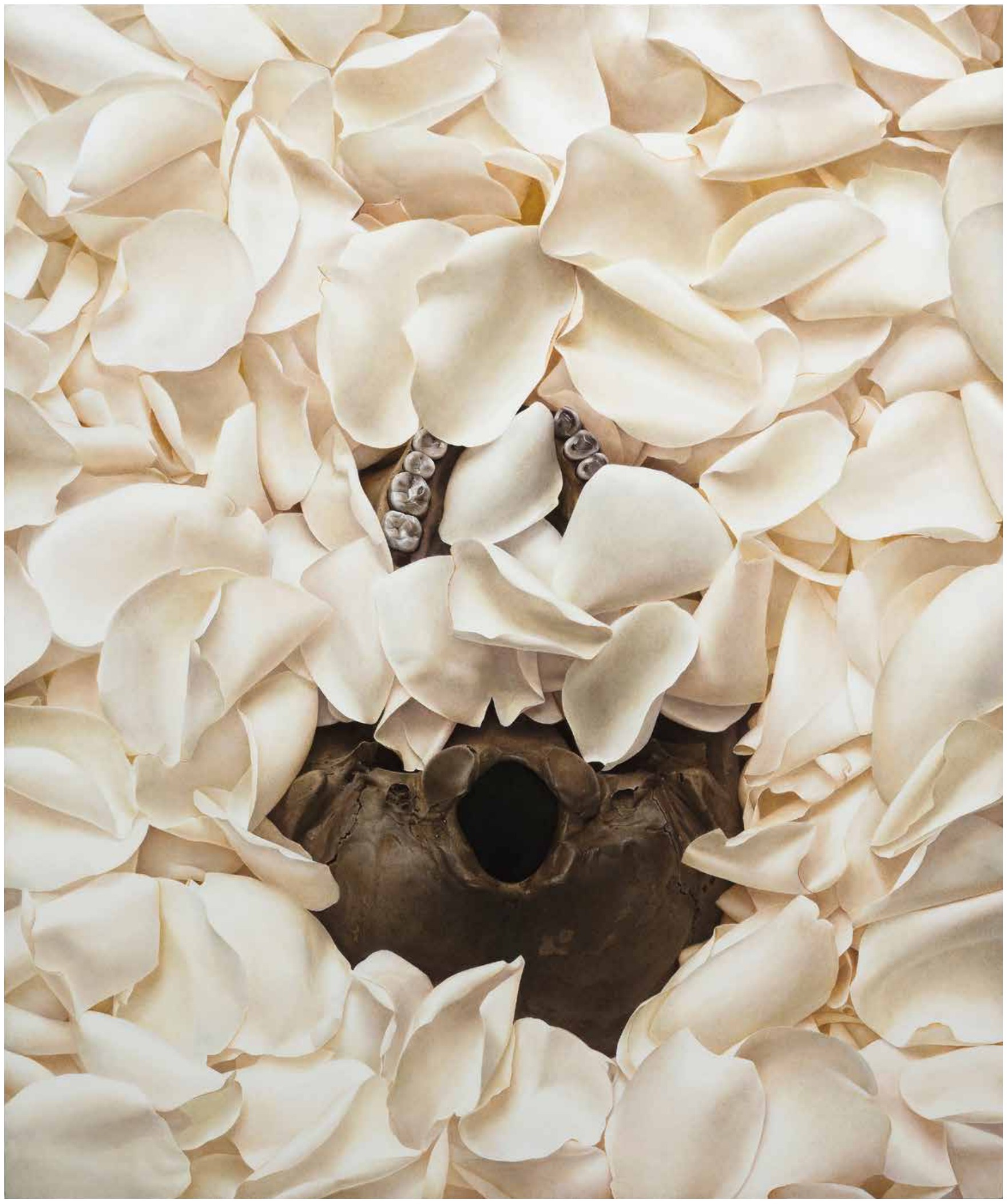
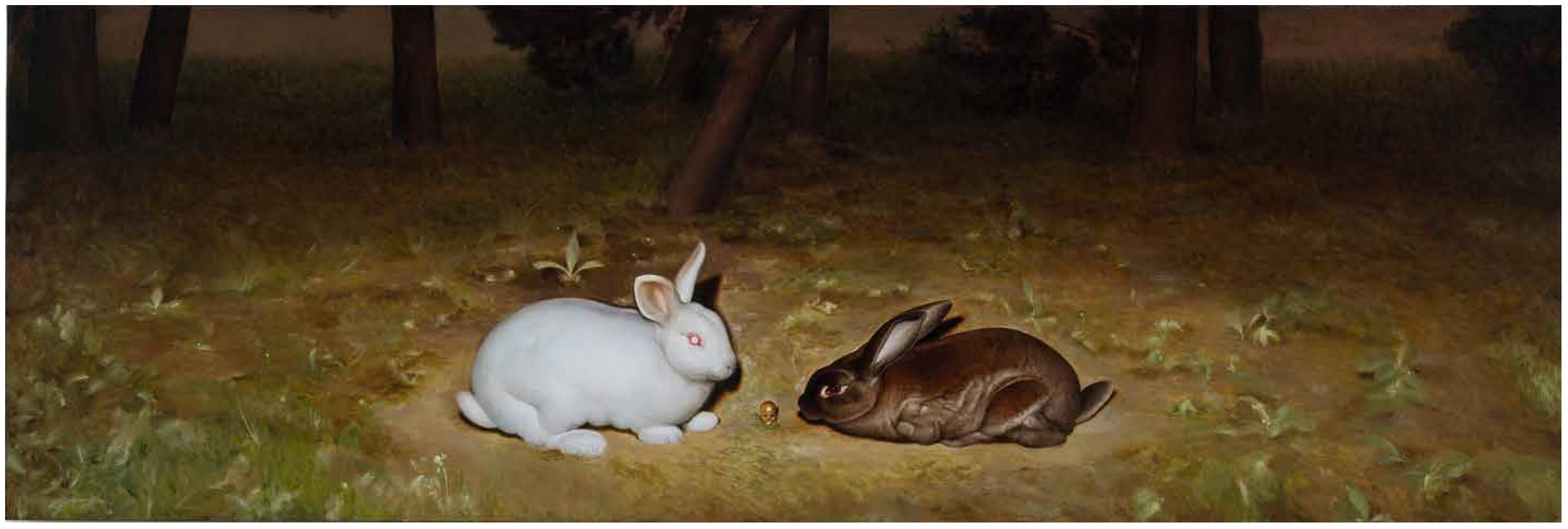
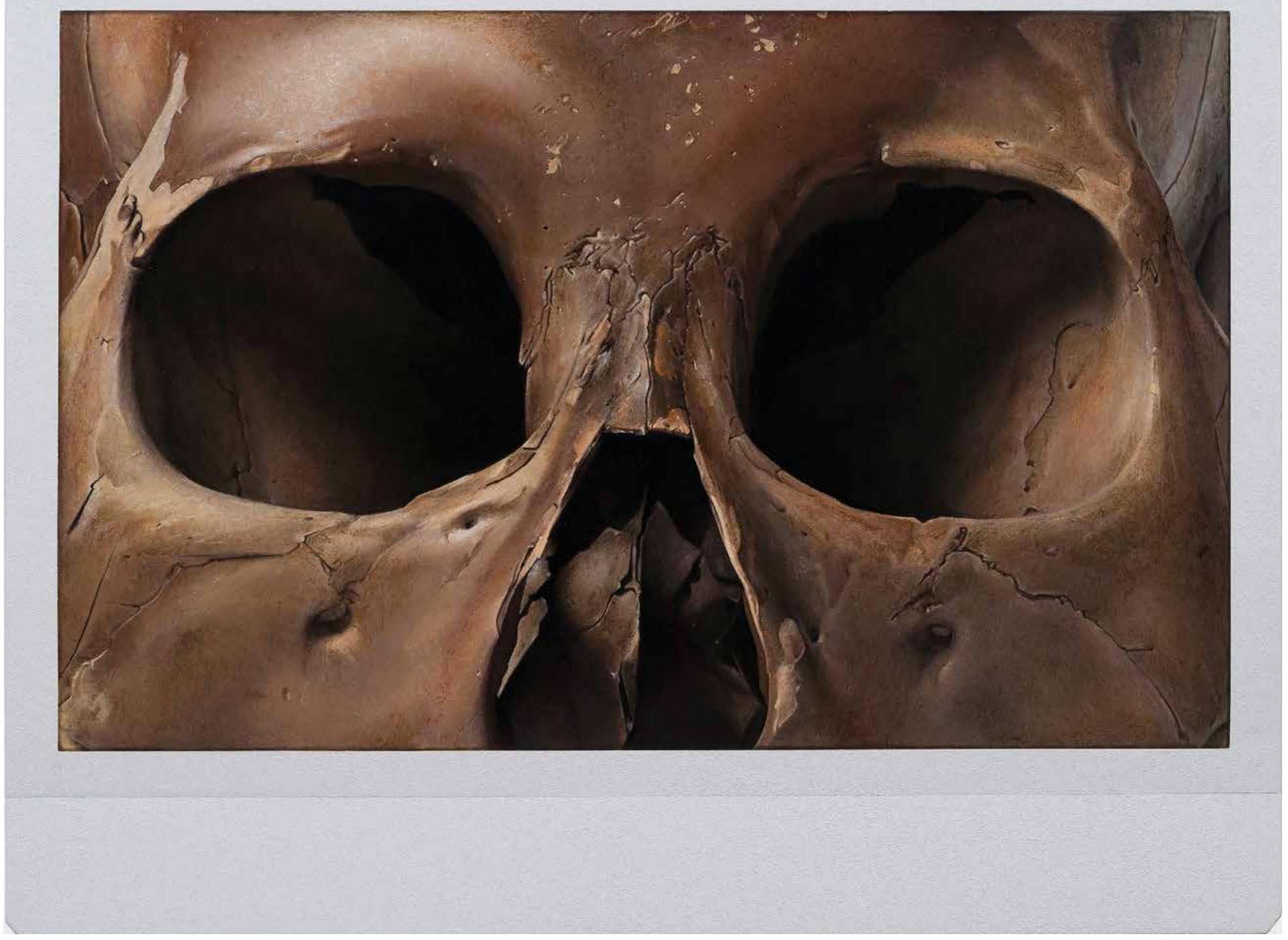
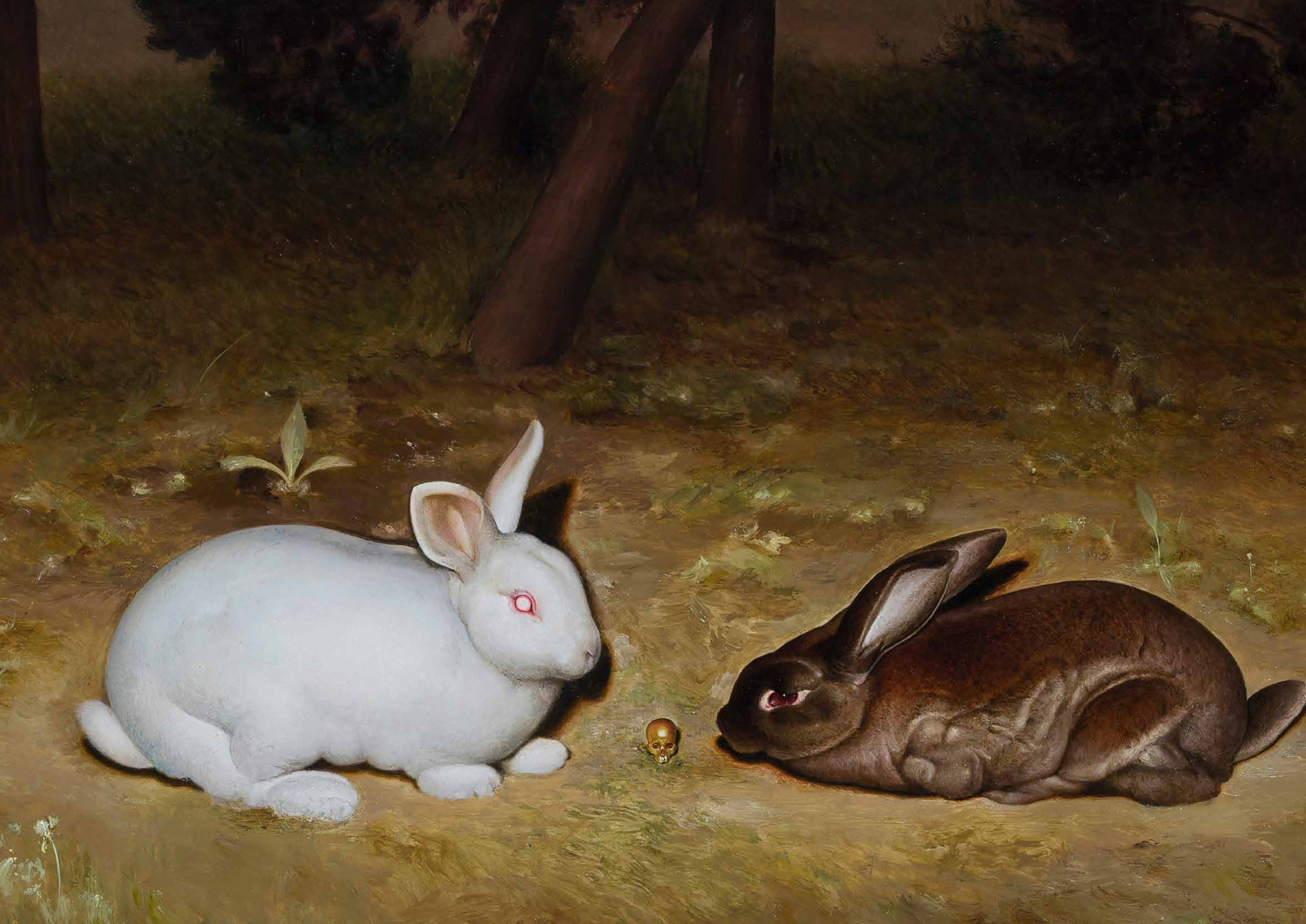
HdM 画廊欣然宣布将于2024 年9 月13 日举办艺术家云永业个展《闷热的白天》。此次展览他延续一贯严谨的古典写实主义绘画风格,辅以戏谑、诡谲的故事性,描绘了一场他对“ 生死之事” 的臆想:令人讳莫如深的辩题正发生在轻松惬意的光线里、一个人生命正旺盛之时。展览将持续至10 月19 日。关于这些“ 生死之事” 的创作始于两年前一个闷热的午后:艺术家云永业正盯着一枚人类头骨模型发呆,他漫无边际地幻想,抱着这颗头骨在画室里散步,并尝试把它与其他物件摆在一起、用拍立得的取景框调整可能用得上的构图。而他放在桌边的诗集中,海涅的那一页《还乡曲》在成了此时画外的旁白:
“ 死是清凉的夜,生是闷热的白天”
“ 天黑我方能安息,白日使我心中困倦”
他开心地想着,不如用这些想法画出几张“ 好” 画,即使早在184 年前保罗· 德拉罗什(Paul Delaroche)就已宣称:“ 从今天起,绘画已死”。“ 生死之事” 之于一位艺术家,往往不仅局限于肉体,而更深刻地存在于表达是否足够特立独行、手段是否生猛鲜活。而这种对于创作生命延续性的担忧,会终生伴随着一位艺术家,就像人类对于死亡的恐惧永远如影随形。在更早的伊壁鸠鲁学派(Epicureanism)眼中,他们将“ 死”、“ 死亡” 区分成两件事:“ 死” 被解释为过程(“ 生”
的尾巴);“ 死亡” 被解释为一切的终结。这同样与绘画和当代艺术之间的关联类似,断崖式的转折不会总是出现,都需要时间。当然,可能是因为一部分人坚信“ 死亡不是真正的逝去,遗忘才是永恒的消亡”,绘画和祖先们才被人记住。生命有限,而显得弥足珍贵;情思易逝,而更愿封存珍藏,无论彼时的摄影与此时的绘画皆如是。古典绘画中,虚空派传递的“ 生亦是死,死亦是生”,是在纸醉金迷间保持一份政治正确般的清醒:愈鲜嫩的食材愈易腐败,贪食也无法穷尽筵席如山,人生自是短暂。云永业用画面展现他的看法:死亡可以正式地发生在群花环绕中,亦可随机地降临在草坪上被双兔目击;可以令人产生幻觉无法看清有几个黑洞般的眼眶,亦可被里希特、书本、模糊的滤镜隔绝至毫无威胁,只剩温情。生死事大,无需明辨,尽情即可。
ABOUT THE EXHIBITON HdM Gallery is pleased to announce the opening of artist Yun Yongye's solo exhibition, "In the Pool of Day," on September 13th. In this exhibition, Yun Yongye continues his exploration of classical realism, blending playful and enigmatic narratives to delve into the profound themes of "life and death." This existential theme is subtly woven into compositions bathed in a gentle light, capturing the vitality of life. The creation of the "life and death" series started two years ago on a sweltering afternoon when artist Yun Yongye found himself captivated by the model of a human skull. He wandered through his studio, carrying the skull and contemplating its presence. He placed it alongside various objects, using a Polaroid to explore potential compositions. Meanwhile, a page of poetry lay on the table, with Heinrich Heine's "Death" providing a narrative backdrop beyond the canvas:
"Our death is in the cool of night, our life is in the pool of day."
"The darkness glows, I’m drowning; the day has tired me with light." He delighted in the idea that he could still create a few "fair" paintings, despite Paul Delaroche having sentenced painting to death 184 years ago. For an artist, the life and death of a painting is never physical. It's about whether their expression is distinctive enough and whether their technique remains vibrant and fresh. This concern for "the continuity of creativity" accompanies artists throughout their life, much like humanity's enduring fear of death. Even earlier, when Epicurus differentiated the concept of "death" and "dying," that "dying" becomes a part of "living" while
"death" signifies the ultimate end. It echoed the relationship between painting and contemporary art, where dramatic shifts don't always occur suddenly, but on the contrary require time.
Perhaps it’s because some people firmly believe that "death is the eternal oblivion," which is why the old masters and our ancestors are remembered. Life is fleeting, making it exceptionally precious. Emotions may fade away, yet we choose to preserve cherished memories through photography and paintings. As the notion "vanity of vanities, saith the preacher,
云永业:关于“生死”主题的作品我很想画些关于“ 生死” 主题的作品。在初步的想象中,它们可能是单色的,笔触是明确、简练而轻快的,但一直没有达成动笔的契机。也许是对“ 生死” 一事理解的还不够深刻,导致先贤们惊世骇俗的作品也没能成功唤醒我的知觉。我十分想找到这个契机,哪怕它只能让我有信心草率的先涂抹几下。因此,在不少无所事事的傍晚,又或者是执笔工作的深夜,我脑袋里总盘旋着这个几乎没有正确答案的问题。绘画,特别是写实绘画,在目前“ 当代艺术” 的世界中是一个几乎已经被宣判死亡的东西。每每想到,我都感觉自己似乎躺在一具骸骨上酣睡,一点也不硌人,反而清凉又踏实,甚至觉得有点好笑。用一个死掉的东西去描绘死亡,就像从南方随机选中一株活的野草然后带进展厅,告诉所有人:“ 这是生命,我将拾得物与贫穷主义的概念并置,表达一种东亚地缘政治正在生长出不安定的隐喻”,一样的诙谐幽默。两年前夏季的一个下午,我盯着一颗人类头骨模型发呆,与他黑洞洞的两个眼眶对视,周身环绕着令人燥热烦闷的空气。想起在《全真青玄济炼铁罐施食》中,有一段“ 叹骷髅”,大意是说:南华真人遨游楚国,在路边看到一个骷髅。他心生悲悯的吟诵道:“ 百岁光阴一刹那,莫蹉跎,早求出离苦海,苦海劫磨。” 这种被生死苦难牵绊颇深的心境,相较于游世坐忘的庄子而言就好像落入了下乘。在他的世界中,头骨只是一只会说话的枕头,一觉睡醒后即可面色淡然的离去。但是我总觉得,他似乎有种对于“ 天地”、“ 造化” 深藏的不忿与敌意。好像越来越严肃了。过去种种譬如昨日死,将来种种譬如今日生,谁晓得格里菲斯决定献祭整个骑士团的时候,脑海中是否有出现我眼前的这两个眼眶黑洞?Adriaen van Utrecht 在思索下一幅作品的隐喻之时,又会不会苦恼找不到足够黑、足够死亡的黑色?很可惜,他没有办法找Anish Kapoor 讨要几克。我找到拍立得,用它的取景框提前试探可能用的上的构图。此后,我抱着这颗头骨在画室里散步,并尝试把它当作花瓶一样与其他的物件摆在一起,玩到了夕阳逐渐变成血红,天气也逐渐凉下来,手边的书刚好翻在这句“ 死是清凉的夜,生是闷热的白天” 上,一切都恰到好处。于是这颗象征死亡的头骨,成了正在诞生的新作前的静物,既不代表生死,也不代表成败,也许代表一些笑谈。我静观其变。
YUN YONGYE: PAINTINGS ABOUT "LIFE AND DEATH" I would love to paint something about "life and death." In my initial imagination, the piece might be monochromatic, with clear, concise, and brisk brushstrokes, but I never got the chance to embark on that painting journey. Perhaps my understanding of "life and death" is not deep enough, which is why the profound works of the sages have failed to awaken my consciousness. I really wanted to find this opportunity, even if it only gave me the confidence to apply a few hasty strokes first. Therefore, on many idle evenings or late at night when I am working on my own creative endeavours, this question—one that may have no answer—which swirls in my head over and over again. When it comes to painting, especially realistic painting, it’s almost as if it has been sentenced to death in the world of
"contemporary art." Every time I think about it, I feel as if I’m lying on a full-body skeleton. It doesn’t feel uncomfortable at all; instead, it’s cool and solid. And you know what? I even find it a bit funny. Using something dead to depict death is like picking a live weed from southern China, randomly placing it in an exhibition hall, and then telling everyone with the same wit and humour: "This is life. I juxtapose found objects with the concept of poverty to express how East Asian geopolitics is developing metaphors of instability." About two years ago, on a summer afternoon, I found myself staring at a model of a human skull, gazing into its two dark eye sockets, surrounded by hot, stuffy air. I recalled a passage from "Quanzhen Qingxuanji Making Iron Pots and Giving Food" (a Taoist text based on a traditional ritual of the Quanzhen sect of Taoism). In the passage "Sighing at the Skull," it says: Nanhua Zhenren (which refers to Zhuangzi, the Taoist spiritual master)
was traveling in the state of Chu when he saw a skeleton by the roadside. He recited with compassion: "Don't waste your time in the hundred years you have; seek to escape from suffering and calamity as soon as you can." This state of mind, deeply entangled in the suffering of life and death, contrasts with that of Zhuangzi, who wandered freely and let go of all burdens. In Zhuangzi's mindset, the skull is just a pillow with the ability to talk, allowing him to leave peacefully after waking up from his dream. But I always feel that he seems to have deep hostility towards "heaven," "earth," and
"creation."
It’s getting solemn and quiet. yesterday's death is coming from the past, and the future is sourced from today's life. Who knows if the hollow in front of me whether appeared in Griffith's imagination when he decided to sacrifice the entire Knights? Or perhaps when Adrian van Utrecht is thinking about the metaphor of his next work, will he struggle to find a black color that is not black enough or death-like enough? Unfortunately, he couldn't find Anish Kapoor to ask for a few grams. I found a Polaroid and used its viewfinder to try to capture the possible compositions. After that, I took the model of a skull for a walk in the studio and tried to put it together with other objects like a vase. I played with it until the sunset gradually turned blood red and the weather started cooling down. I opened a book the page just flipped to the that page which is written down "Death is a cool night, life is a sultry day", everything is just right. So this skull, symbolizing death, became a still life in front of a new work being born. It neither represented life or death, nor success or failure, but perhaps some jokes. I will stay still and see.
参展艺术家Artists
作品