2023-2006.个展
展览信息
前言Introduction
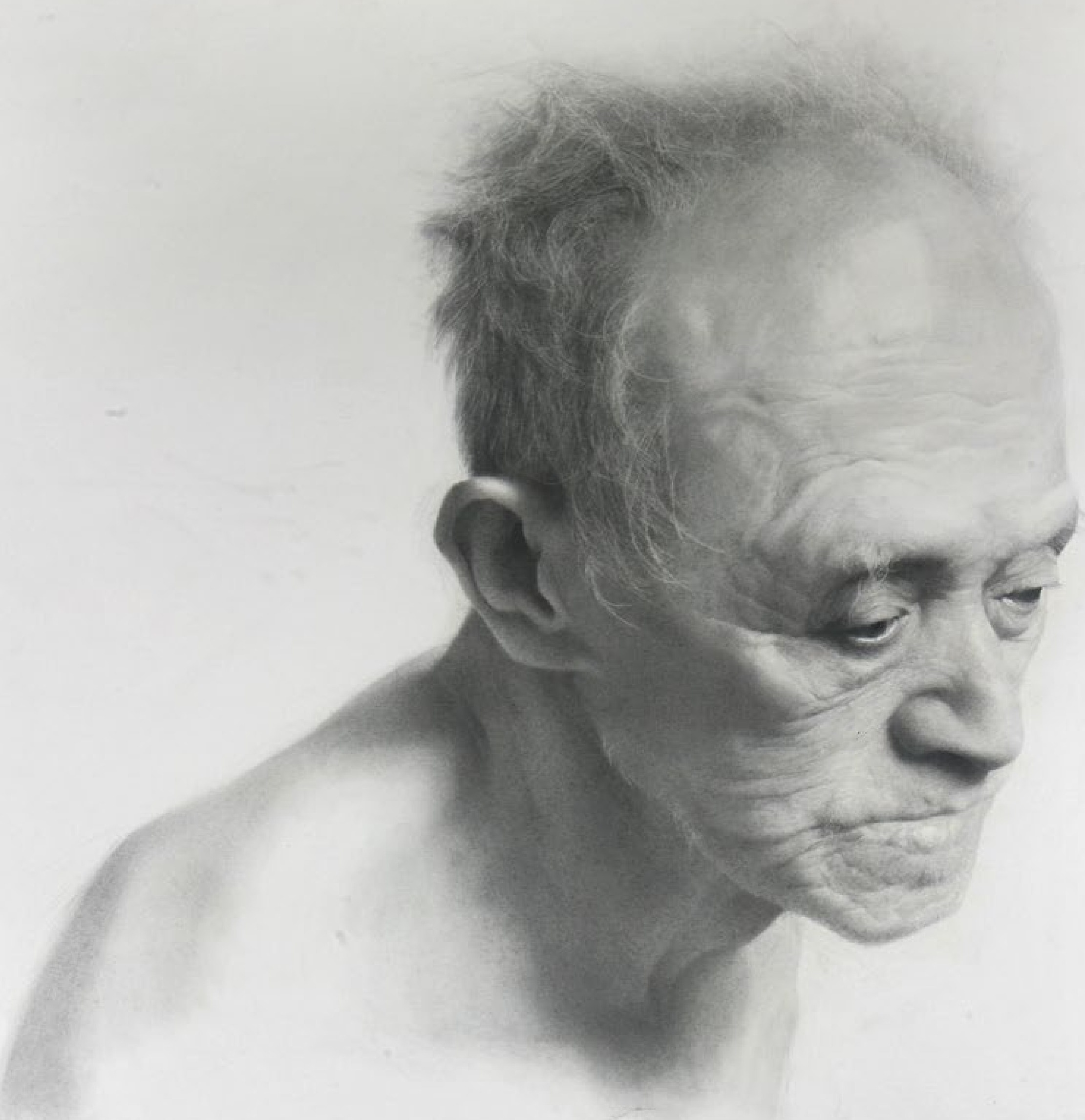
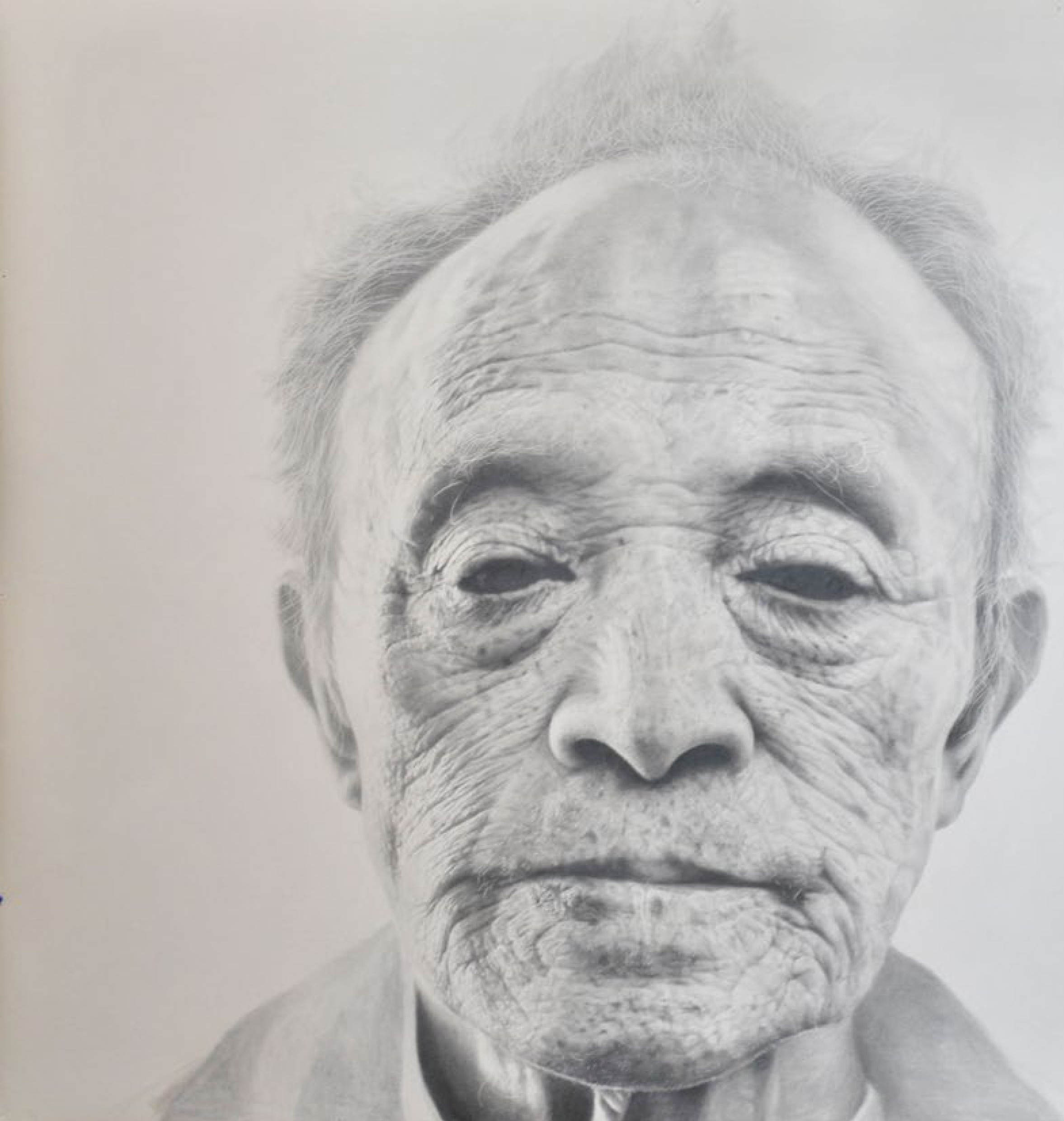
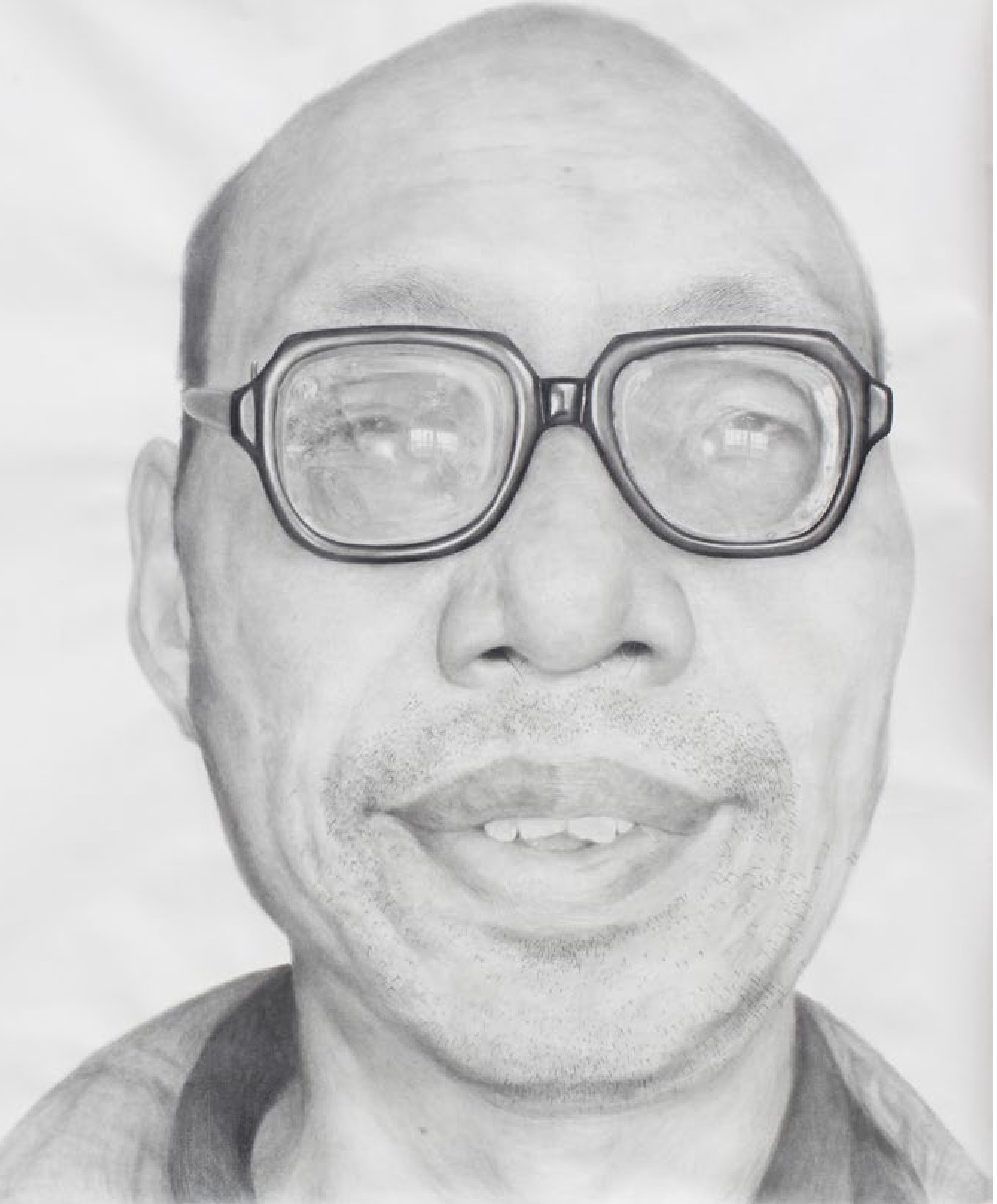
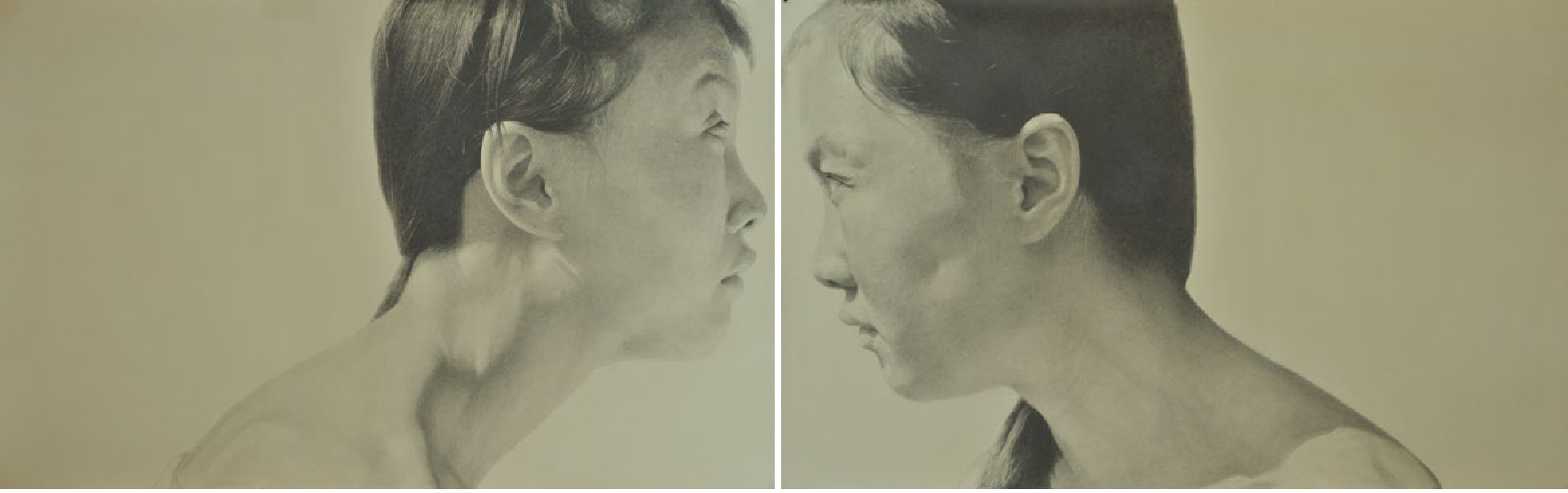
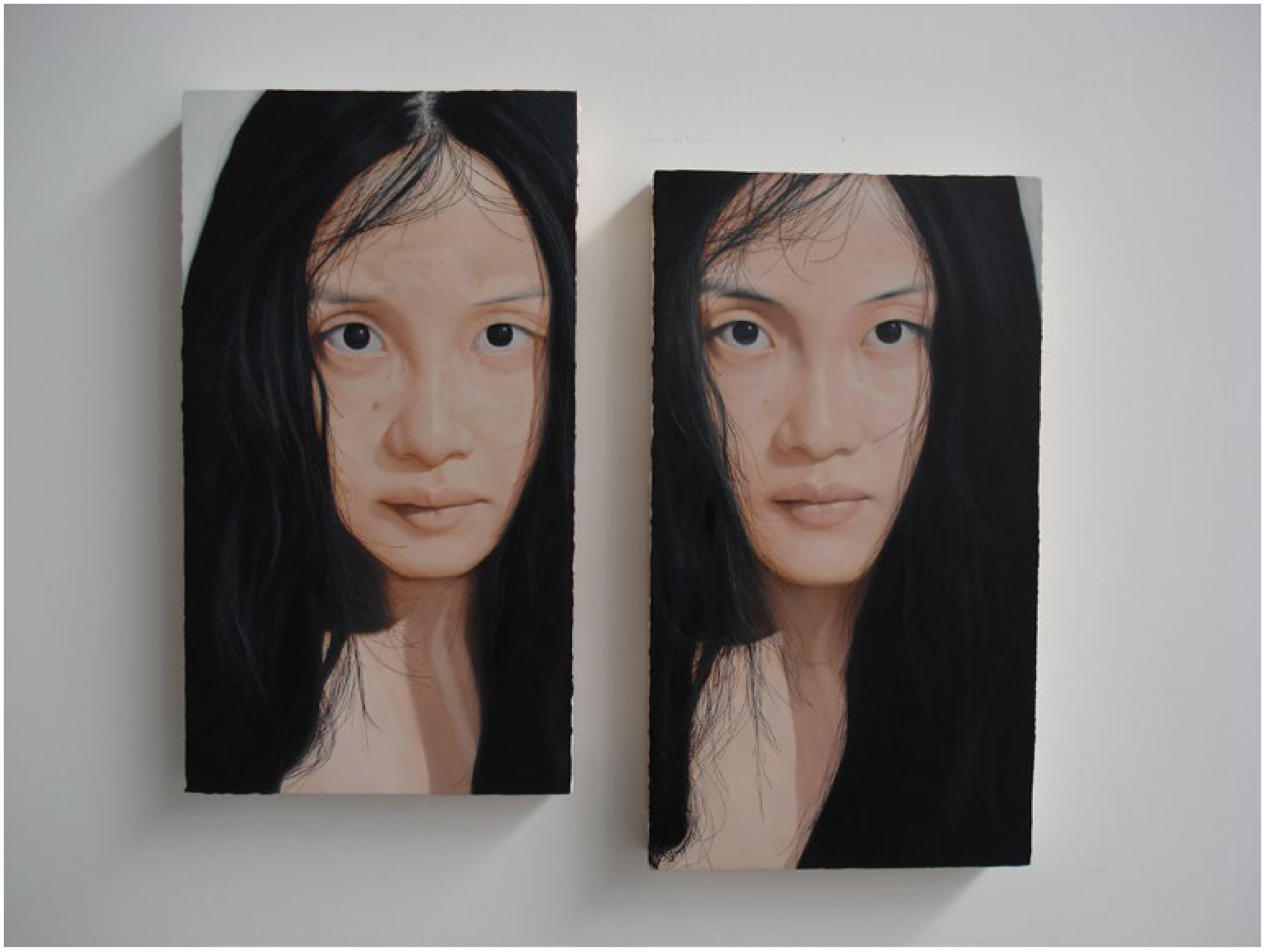
这次展览是对张书笺近期作品的集中展示,它们延续了“织皮”系列的创作手法,艺术家对表皮进行细微刻画的趣味继续得到释放,而以中外大师的作品为蓝本,实际上只是为了让他们显得更加异化、更加陌生,这正呼应了“变容”的主题。在这一笔墨游戏的过程中,不管是对写实性的刻板认识,还是对现代主义大师们绘画性的空洞模仿,这两种做法同时遭遇来自张书笺的揶揄;在画面中暴露一种不同笔法“强行缝合”的痕迹,犹如蓄意带bug 的美颜相机,意在说明一个网络化的图像时代里,人们的观看习惯已被一再重塑,一切都将是表面化的、可随意拼接的图像,宣称艺术能够洞见“真实”的现代主义信念早已摇摇欲坠。也只有放在媒介迭代的语境中进行观察,才能看出张书笺这一系列人像作品,拥有“反- 肖像”
的激进气质。放大肌肤质地的高清效果、裁切掉环境信息后的微表情呈现,这都得益于摄像机的发明,也非常符合今天在移动电子设备上随时缩放、截屏的视觉习惯。如果说摄像机诞生曾经引发了图像史上的认知革命,被投射在巨幅屏幕上的面容特写无疑是其中之一,回溯早期的电影院体验,美国人会直接称之为“无声的巨人”(dumb giants),以表明视觉新经验带来的震撼。在机械之眼的观察下,被放大的面容,固然拥有了一种更加强调其物质质感的魅力,但也使之去人性化,这显然消解了传统肖像画所欲建立的核心价值:即通过肖像画保留下个体的社会身份与性格特征。在张书笺的作品中,我们正好能清晰地看到艺术家对媒介迭代的敏锐感知。另外,在其缩小的画面尺幅和放大的皮肤肌理之间,比大屏幕更加富有张力的部分在于,它们要求一种非常贴近的观看距离,在现实世界中,往往是亲密状态下的距离。在这种距离之下,隐藏在面容之下的非人性的、异常的部分被进一步放大,导致陌生化的审美效果,使我们得以重新去想象他者;同时,也激发对网络世界无限美化的一种批判性审视,毕竟它们也都是一些被蓄意制造的图像。而鉴于图像生产对日常生活的裹挟程度正在不断加深,我们或许确实到了一个必须“反- 肖像”的时间节点,事实上是反对肖像画背后的观看逻辑,不再试图在表象与内在之间建构必然联系。本次展览名为“变容”,是借自跨文化研究的一个词汇,意指不同文化碰撞、交汇时所产生的有益革新。在直观的层面上,它指向张书笺系列作品中对这些肖像面容的“改写”;在引申的层面上,则试图指出在媒介迭代的视觉文化语境下,今日的感知方式已无可辩驳地发生了改变,而能否忠实地应对变化,是艺术“变容”的关键所在。变容撰文/ 姚斯青
Zhang Shujian's recent artworks, presented in this exhibition, extend from his approach applied in the "skin weaving" series, where the artist continues to unleash a subtle portrayal of the skin, and his appropriation of Chinese and Western masterpieces as the meta-picture intends to alienate further and bewilder, to resonate with the subject of "transfiguration." In this game of brush and ink, the stereotypical understanding of realism and the superficial imitation of modernist masters' painterliness simultaneously became Zhang Shujian's deride. He reveals the traces of "forced stitching" different types of brushstroke in the picture, reminding one of deliberately setting up bugs in facial filters. This effect aims to demonstrate that in the age of the online image, the way of looking is constantly reshaped when everything is superficial and collaged, and the modernist belief that art allows the perception of the "real" has long been shaken. Only when viewed in the context of media renewal, can Zhang Shujian's series of portraits be perceived to manifest qualities that undermine such genre. The high-definition effect of zooming in on the texture of the skin and the presentation of subtle expressions after cropping out surrounding information is attributed to the invention of the camera, which predates today's visual habits of zooming in and out or taking screenshots on mobile electronic devices. If the birth of the camera once triggered a cognitive revolution in the history of images, close-ups of faces projected on giant screens were undoubtedly one of them. Looking back on the early movie theater experience, Americans called them "dumb giants" to convey their shock at such a new visual experience. The blown-up face, viewed through the mechanical eye, embodies an appeal that emphasizes its material texture. Still, it also dehumanizes it, undermining the essential feature of traditional portraiture, which is eternalizing an individual's social status and personality. In Zhang Shujian's artworks, we get a sense of the artist's keen awareness of media renewal. In addition, his reduced picture size and magnified skin texture – a combination that offers more tension than the big screen – demand an up-close viewing distance, which suggests intimacy in the physical world. Hence, such a way of viewing amplifies the non-human and abnormal parts hidden beneath these faces to the extent of alienation. While such a viewing experience allows us to reimagine the "other," it aims to activate a critical examination of the infinitely embellished virtuality. After all, they are images produced with intentions. Given the extent to which image production profoundly impacts our daily life, we may have reached a point of undermining conventional approaches to portraiture, in other words, to question the logic of viewing behind portraits and cease to construct an inevitable connection between the apparent and the internal. The exhibition title, "Transfiguration," adapted from a common cross-cultural studies term, refers to the beneficial innovations resulting from the collision and intersection of various cultures. On an intuitive level, it relates to Zhang Shujian's "reiteration" of these portrait series; by extension, it points out that in the visual cultural context of media advancement, the ways of perception have irrefutably changed. Whether or not one can adjust to the changes truthfully is at the core of "Transfiguration." Transfiguration by Yao Siqing
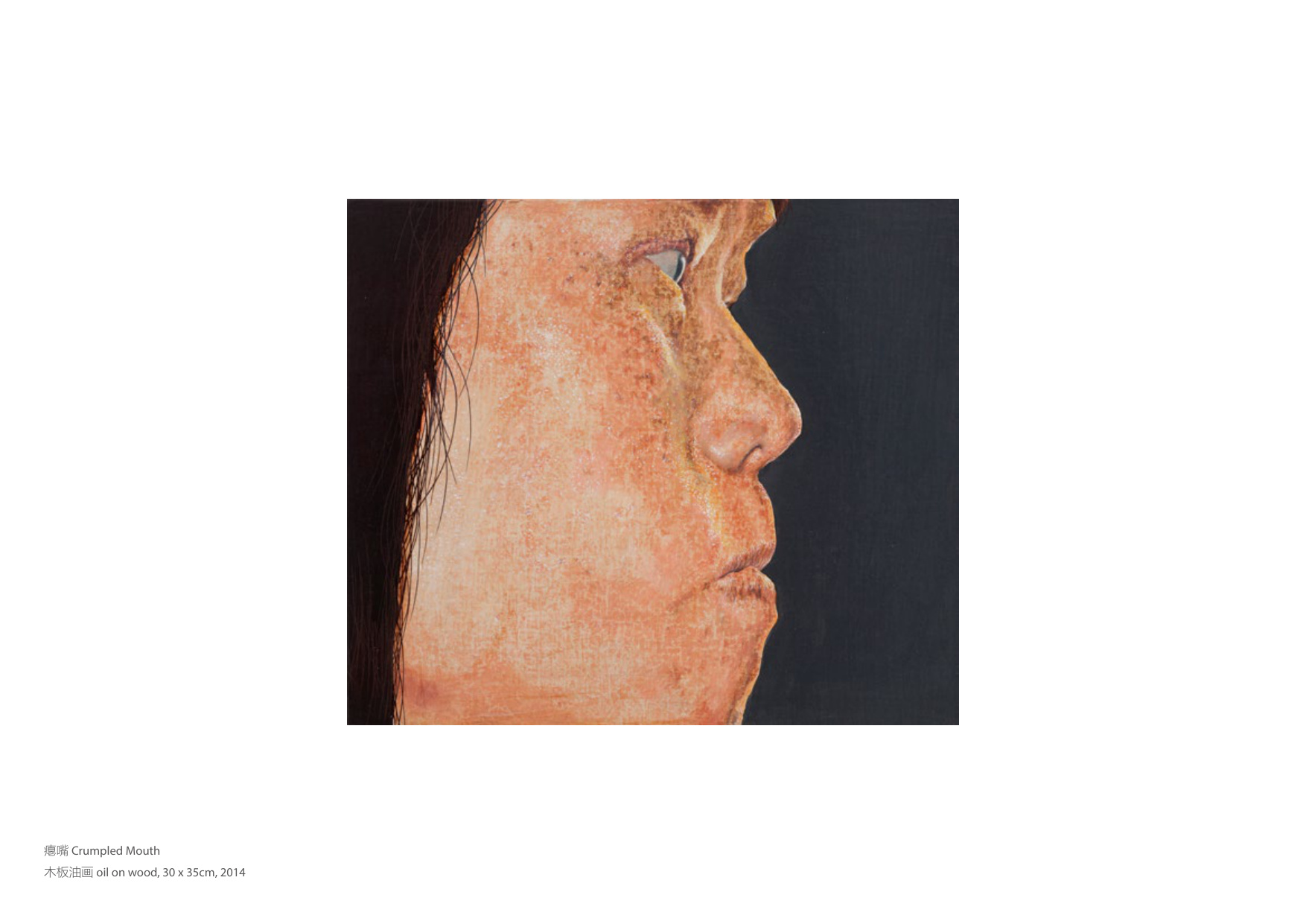
张书笺的创作执着地聚焦于人,对人类无情的审视和零距离扫描带给画家表达的乐趣,但作为一个真心关心身边生存现实的人,在美颜相机崛起的今天他依赖“恶毒”的快感反而减弱了。近期创作像口袋书大小的画布启发他从自己的身体记忆中发现治愈。想要造一些可以拿在手里玩的画,画家自己这样讲。张书笺的创作态度一直具有宅文化特征,在表达冲动完成之后对回馈没有真正的兴趣。他绘画中流露出对人性的鞭挞未必意图批评现实,而多是出于手痒的自我满足,或许与网上 Up 主们创作鬼畜视频的冲动类似。观众对他的作品似乎只能窥视,好处则是对从作品中所得到的任何快感不必有丝毫心理负担。本次展览中最新的三张叫做《通道》的作品画了三个人的鼻子。把人看作一个孤立的器官,用于觅食的嗅觉器官,帮助我们这些对末日缺乏想象力的人去想象一个鼻孔中的,只有生存和无意识的绝对黑暗。触觉相比视觉更连结记忆,手的尺度给他近期的作品注入些许温情的意味。以把玩物件的预设去创作绘画,对题材的选择是更放松的,这些新作中他保持着对画人的唯一兴趣,切入真实,恐怖与荒诞的转换,也开始尝试有距离感的属于私人范畴的题材。
Zhang Shujian's paintings obsessively close in on the subject of people, his ruthless examinations and close-up scans have afforded the painter much satisfaction, but as he is someone who cares deeply about our realities, his reliance on "meanness" for thrill is dwindling, despite the prevalence of beauty camera. The recent pocketbook-sized canvasses inspired him to find possible healing inside himself:
"I want to make paintings that can be handled like a comic". Zhang Shujian's painting practice possesses essential qualities of the nerd culture, marked by his lack of real interest in feedback once his impulse to express is satisfied. The scourge of humanity in his paintings may not be his intention to criticize, and it may very well be a self- serving act of dissing out opinions in an indisputable manner, perhaps similar to the motives of Autotune Remix video up-loaders online. The viewer may be reduced to voyeurism, while the positive side being whatever pleasure one finds there will be no bearings on the conscience whatsoever. The latest three paintings at this exhibition feature [delete s] three noses. Man is represented here by an isolated organ, an organ associated with the function of foraging. The artist seems to want to help those of us who lack the imagination for the end of humankind, to see inside the nostrils the monstrous darkness of subconscious and survival. The hands are more connected to memory and the pocket book scale endows the works with a sentimental touch. On the basis of the feel of objects, the recent images continue to focus on his one and only subject of interest-people, the joy of cutting into the texture of reality, turning horror into absurdity, extreme close ups as well as venturing into the subject of social distance, the realm of private feelings.
快拍与动态—张书笺近作
Story and Feed — Recent Works by Zhang Shujian
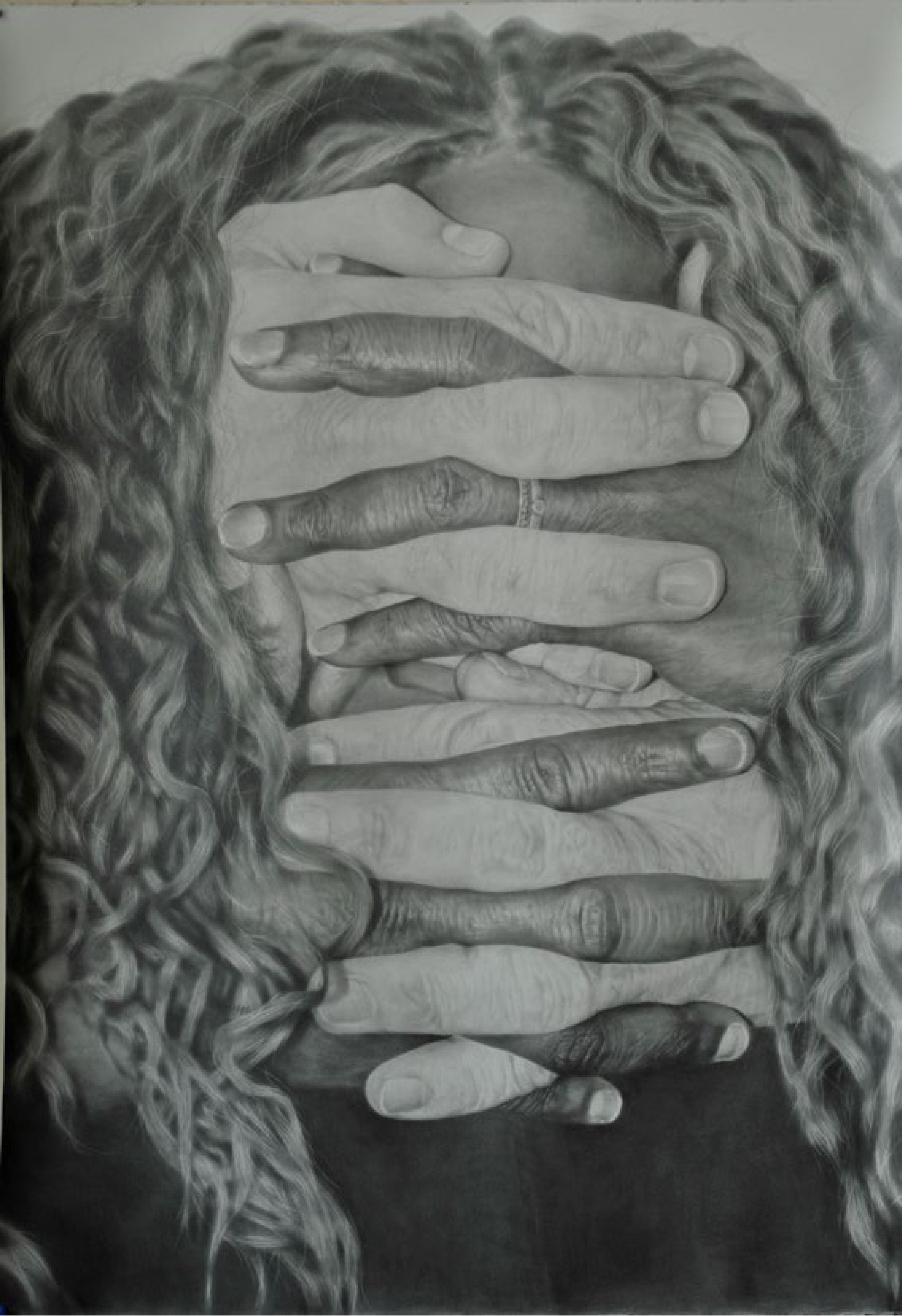
“织皮”是张书笺在画廊的第三次个展, 本次展览是艺术家首次集中展示他的素描创作,而素描是其自我表达最游刃有余的领域。张书笺的作品不易被归类。乍看之下很逼真,再进一步观察,观者很快会感到不安。 他画中的人物在让人感到熟悉的同时让人产生幻想,并让观众去关注那些扭曲和强化的面部元素。在“织皮”系列中,张书笺借鉴于东西方大师的视觉元素,并深入了研究他们之间的异同。然而,他的研究对象并不完全是古典主义,而是通过将各种自然的或夸张的面部元素变成“模特”,赋予它们生命,使它们完全处于当下。他的主要兴趣不在于形式主义,且其目的并不是为了以东西方元素的巧妙技巧融合取悦他人。相反,他的作品是一种旨在让人们感到不安和对抗的现实主义,向人们展示一个也许难以接受的事实。张书笺曾表示,他的目标是:“为了实现一种令人厌恶的现实主义。让所有现实细节把我们想象中的人物变得栩栩如生。这些细节就像证据一样摆在眼前,使我们无法去怀疑它的真实性。”
张书笺心存人道主义,因此,画中的夸张丑陋可以作为他在政治和周围社会中所发现的腐败和残酷的一种投射。但同时,通过毫不留情地揭露主题,暴露出其中某种脆弱性和隐藏的美,从而强调了人类尊严的普遍价值,而这些价值是永远无法被抹去的。张书笺就是这样处理周围世界,以及向我们呈现他独特的社会评论的。如此一来,艺术家让我们知道,现实主义和当代艺术其实并不相互排斥。
"Skin Weave" is the third solo exhibition of Zhang Shujian but the first focusing on his practice of pencil drawing, which is the field he has expressed himself to be most comfortable in. Zhang Shujian's works cannot easily be categorized. Realistic at first glance the spectator quickly feels a sense of unease upon further inspection. The figures in his drawings feel familiar and fantastical at the same time and one recognizes distortions and a strong focus on gravely exaggerated facial elements. In his "Skin Weave" series Zhang Shujian borrows from Western and Eastern masters and researches differences and similarities between them. His subjects however remain not at all classical and by his process of morphing all kind of natural and often exaggerated facial elements into the "models" he brings them alive and makes them utterly contemporary. But his main interest is not a formalistic one and the goal is not to please people with a clever technical mix of Eastern and Western elements. Instead his is the kind of realism that is meant to unnerve and confront people. To show them a truth that might be difficult to accept. Zhang Shujian once stated that his aim is: "To achieve a kind of realism that would disgust people. To let all the realistic details make figures of our imagination come alive. These details are placed in front of our eyes like evidence, making it impossible for us to doubt its authenticity." A humanist at heart Zhang Shujian's exaggerated ugliness can thus serve as a reflection on the corruptions and harshness he finds in politics and the society around him. But at the same time by mercilessly exposing his subjects he brings to light a certain vulnerability and hidden beauty in them, thus emphasising universal values about human dignity which can never be erased. This is how Zhang Shujian deals with the world around him and how he presents us with his unique social commentary. By doing so the artist shows us that realism and the contemporary are not mutually exclusive.
织皮
Skin Weave
参展艺术家Artists
作品