展览信息
前言Introduction
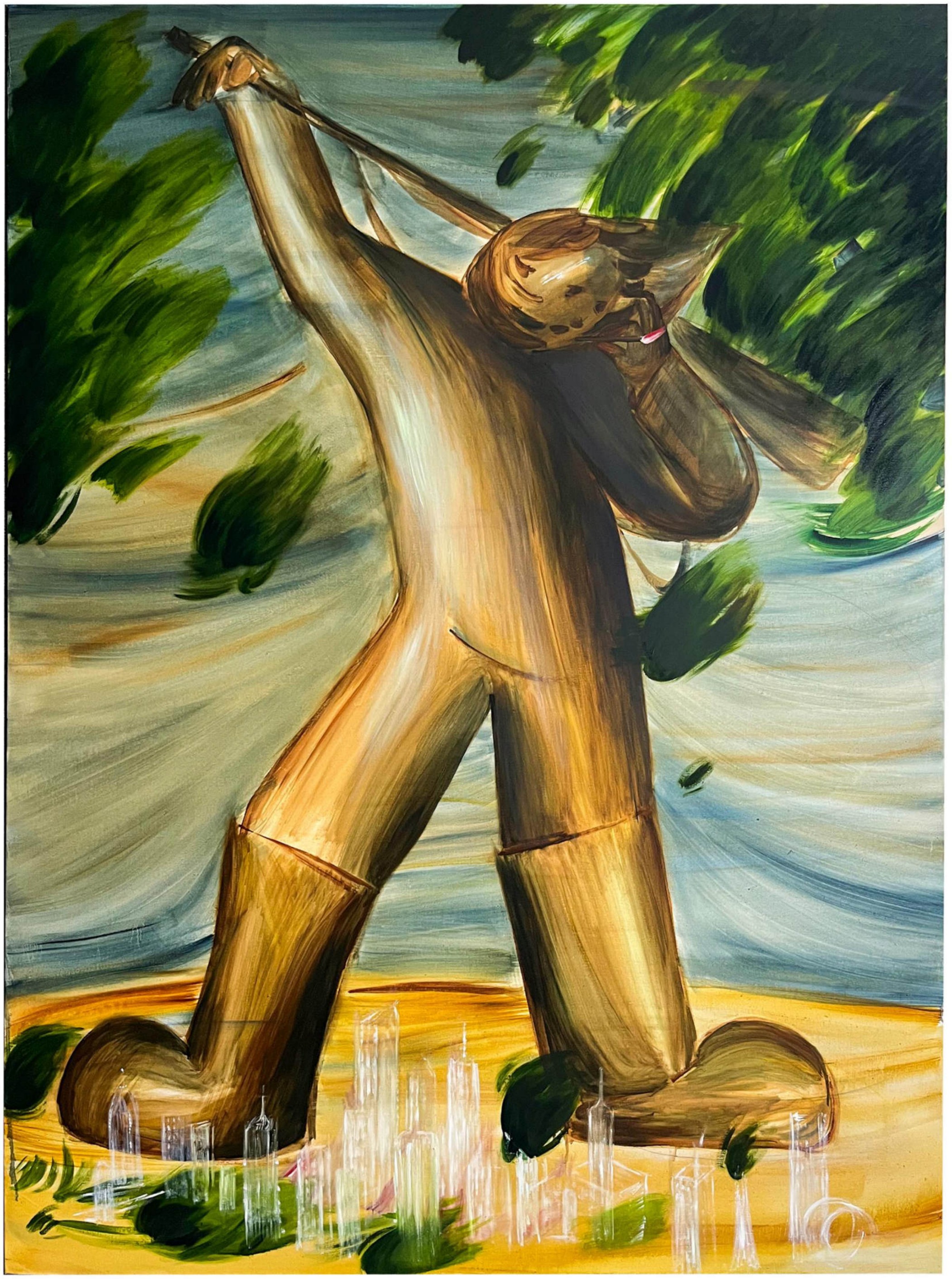
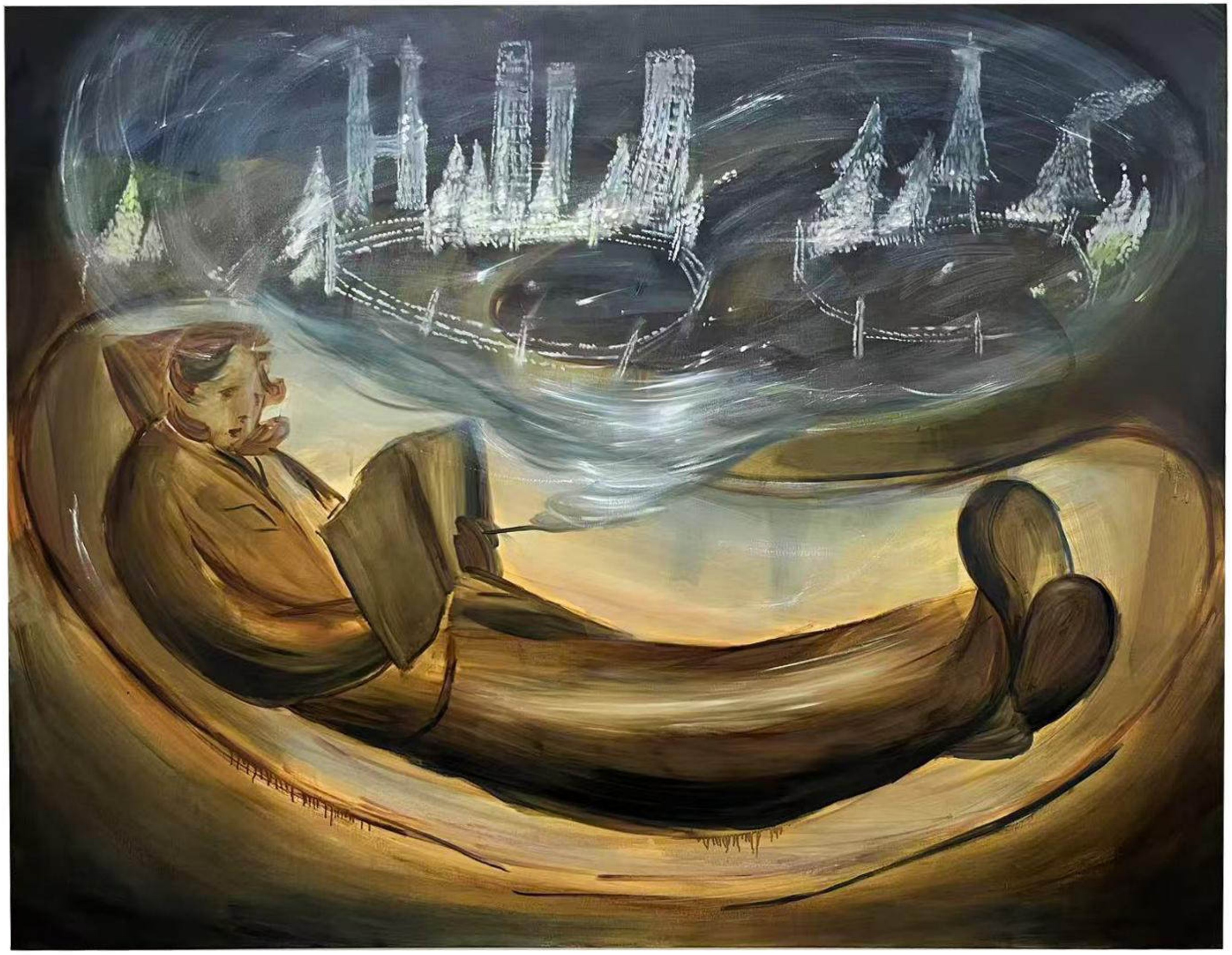
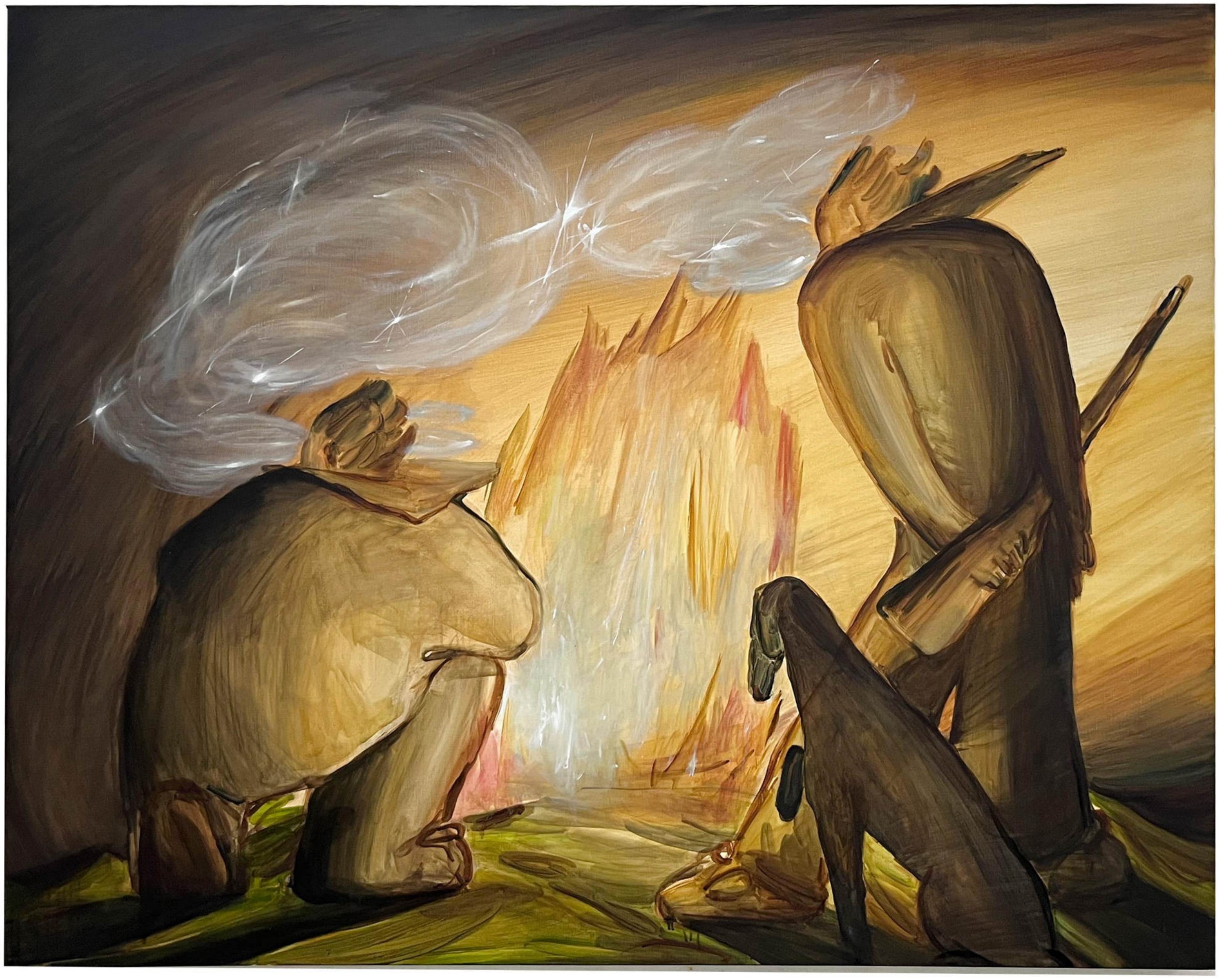
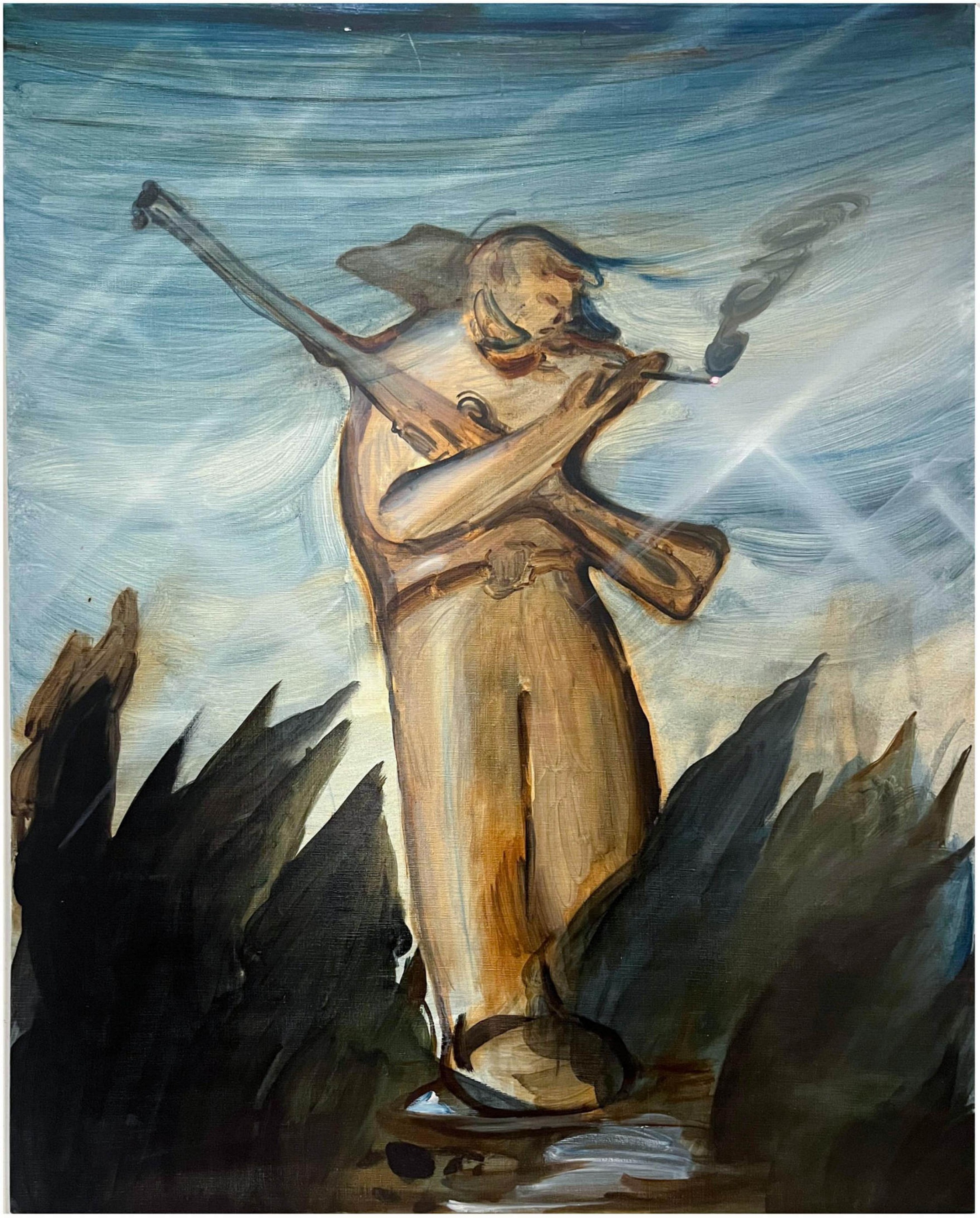
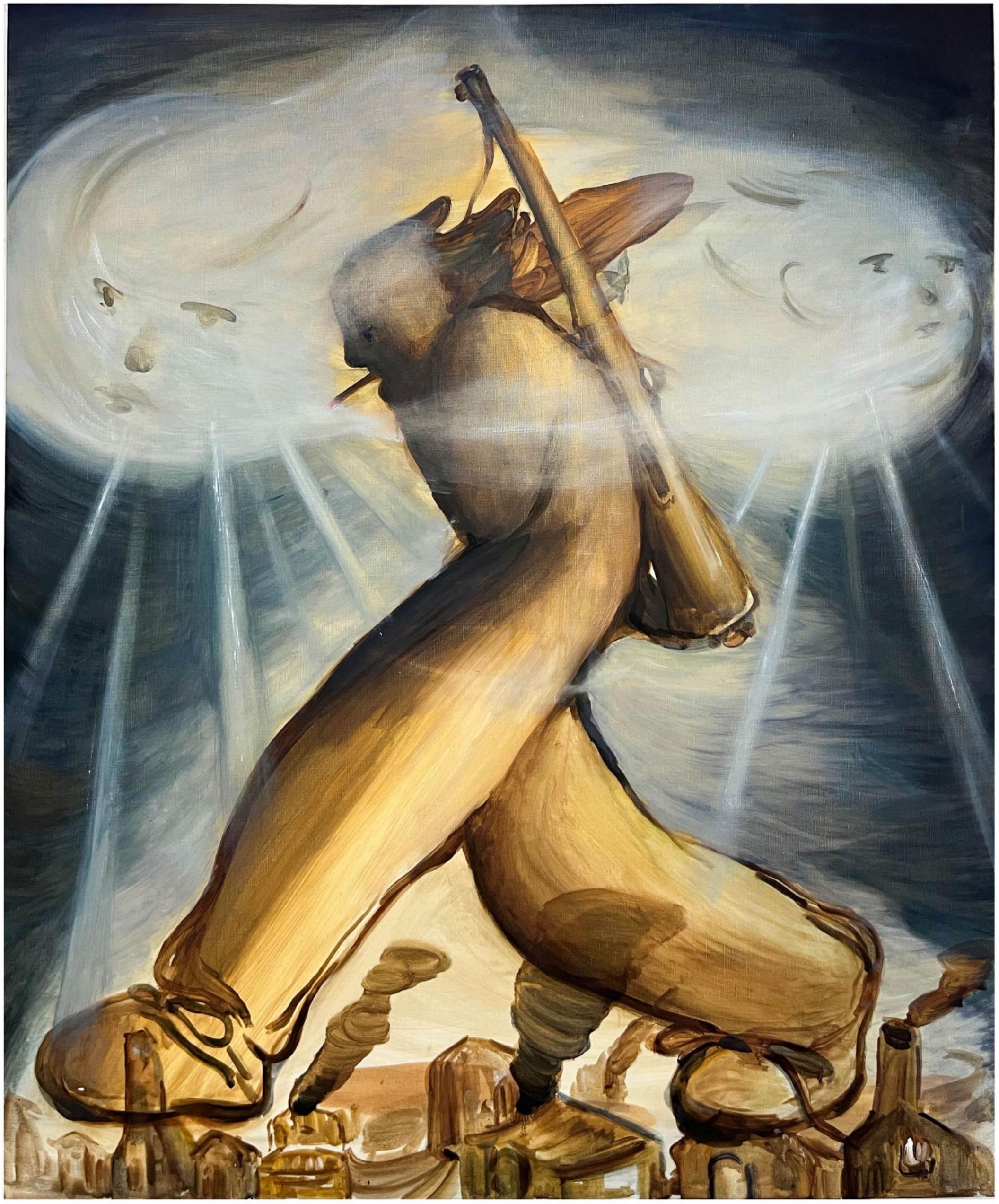
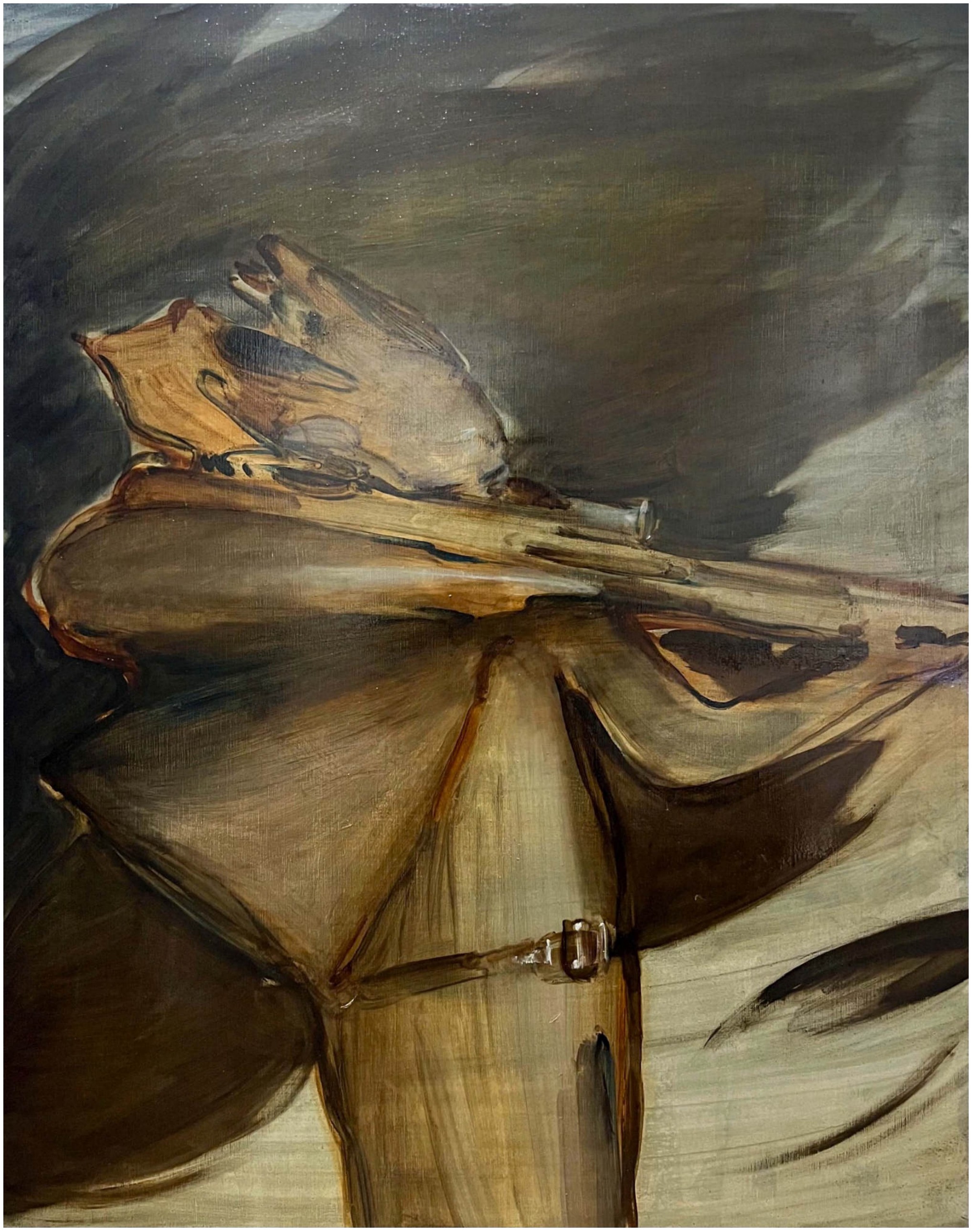
TANG+YAO 欣然推出新展"地脉遗身(The Lost Landscape)",呈现艺术家钱宁越与王浩旭的双人联展。本次展览由陈鋆尧策展,聚焦土地政治和身体劳作,通过两位艺术家独特的创作视角,探讨当代社会变迁中的空间叙事。钱宁越和王浩旭,两位扎根于中国江南与东北,并分别求学于英国和意大利的艺术家,他们对于土地政治和身体劳动所产生的共同关注,为艺术实践介入土地流转、社会更替与身体行动间的关联提供了绝佳视域。书写现代化的过程,也是书写关于土地与身体的辩证史的过程,农业的精耕细作、工业的滚滚轰鸣、后工业的结构性转型,土地的肌理记录着时代的每一次高歌猛进和剧烈转向,让个体的身份、劳动与命运在土地上锲刻下新的痕迹。艺术家则用她/他的具身化参与勾勒了两个清晰的个体侧写——扎根于二人生长和创作所面向的中国江南与东北地区,两片承载着不同历史᯿ᰁ的土地,分别见证了中国城市化激流的奔涌和工业化浪潮的退却。在江南,推土机的轰鸣与脚手架的攀升改写了土地的基因;在东北,曾经的钢铁森林逐渐让位于复苏的田ᰀ与生态。与此同时,无数劳动者的汗水与迁徙化作沉默和韧性,构成了城市的背面,也成为这场剧变中细微却深刻的注脚。两位艺术家所展开的艺术实践,成为了安插在这一宏大议题中的两枚探针,以他们各自所属的地缘和文化为坐标,以个人经历为采样的横截面,探针所掘取的具象集合,成为了勘探“地脉遗身”的成果。
TANG+YAO Gallery is pleased to present the new exhibition "The Lost Landscape", featuring a dual-artist exhibition by Qian Ningyue and Wang Haoxu. Curated by Chen Junyao, this exhibition investigates land politics and embodied labor through two singular artistic approaches, revealing spatial narratives embedded in contemporary societal transformation. Rooted in China's Jiangnan and Northeast regions respectively, and tempered by their studies in Britain and Italy, Qian Ningyue and Wang Haoxu share a profound engagement with the politics of land and bodily labor. Their practices offer critical lenses through which to examine the interplay between land transformation, societal shifts, and physical action. To narrate modernity is to trace a dialectical history of land and body. The meticulous rhythms of agriculture, the thunderous machinery of industrialization, and the structural ruptures of post-industrialization—
each era's triumphs and upheavals are etched into the land's texture, reinscribing individual identities, labor, and destinies. Through their embodied practices, Qian and Wang sketch two distinct yet interconnected portraits, anchored in their respective regions:
Jiangnan, where the surge of urbanization rewrites the land's DNA with bulldozers and scaffolding, and the Northeast, where the ebbing tides of industry reveal resurgent fields and ecosystems. The sweat and silent resilience of countless workers form the undercurrents of these transformations—subtle yet profound footnotes to upheaval. Their multidisciplinary works function as twin probes inserted into this grand narrative. Geographically and culturally grounded, these artistic
"instruments" extract material fragments from personal experience—
sampling cross-sections of what might be termed The Lost Landscapes:
traces of land and flesh intertwined.
参展艺术家Artists
作品