展览信息
前言Introduction
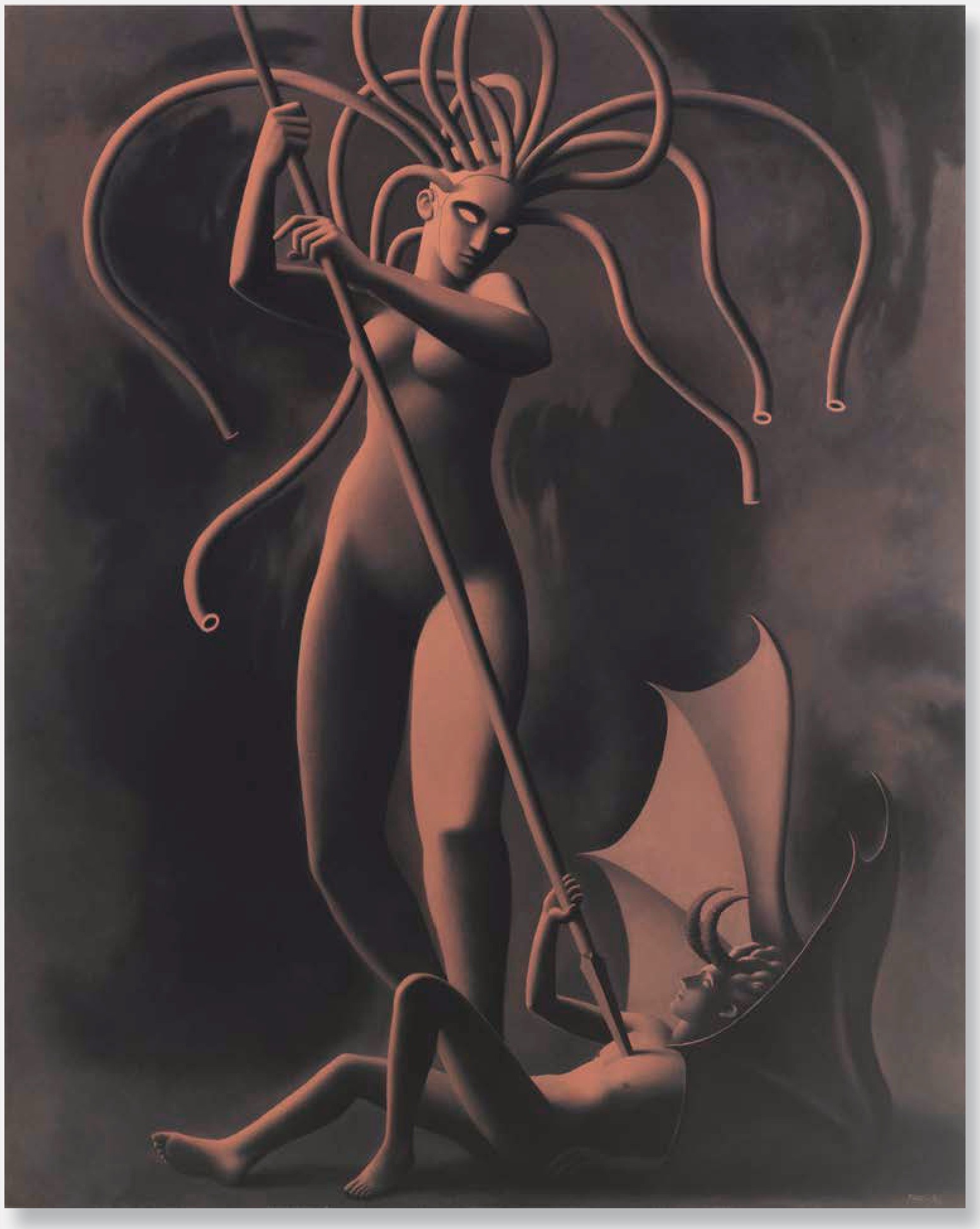
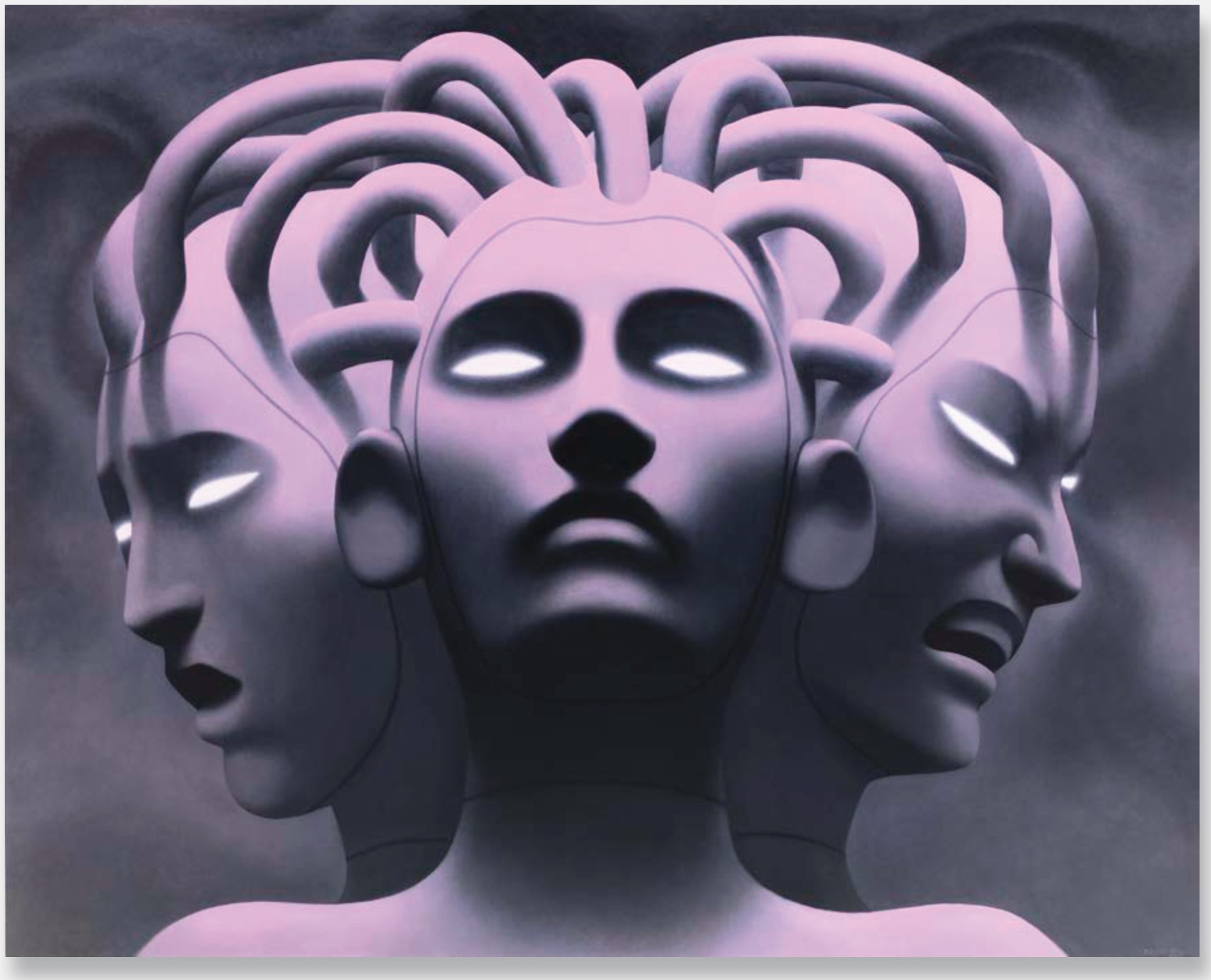
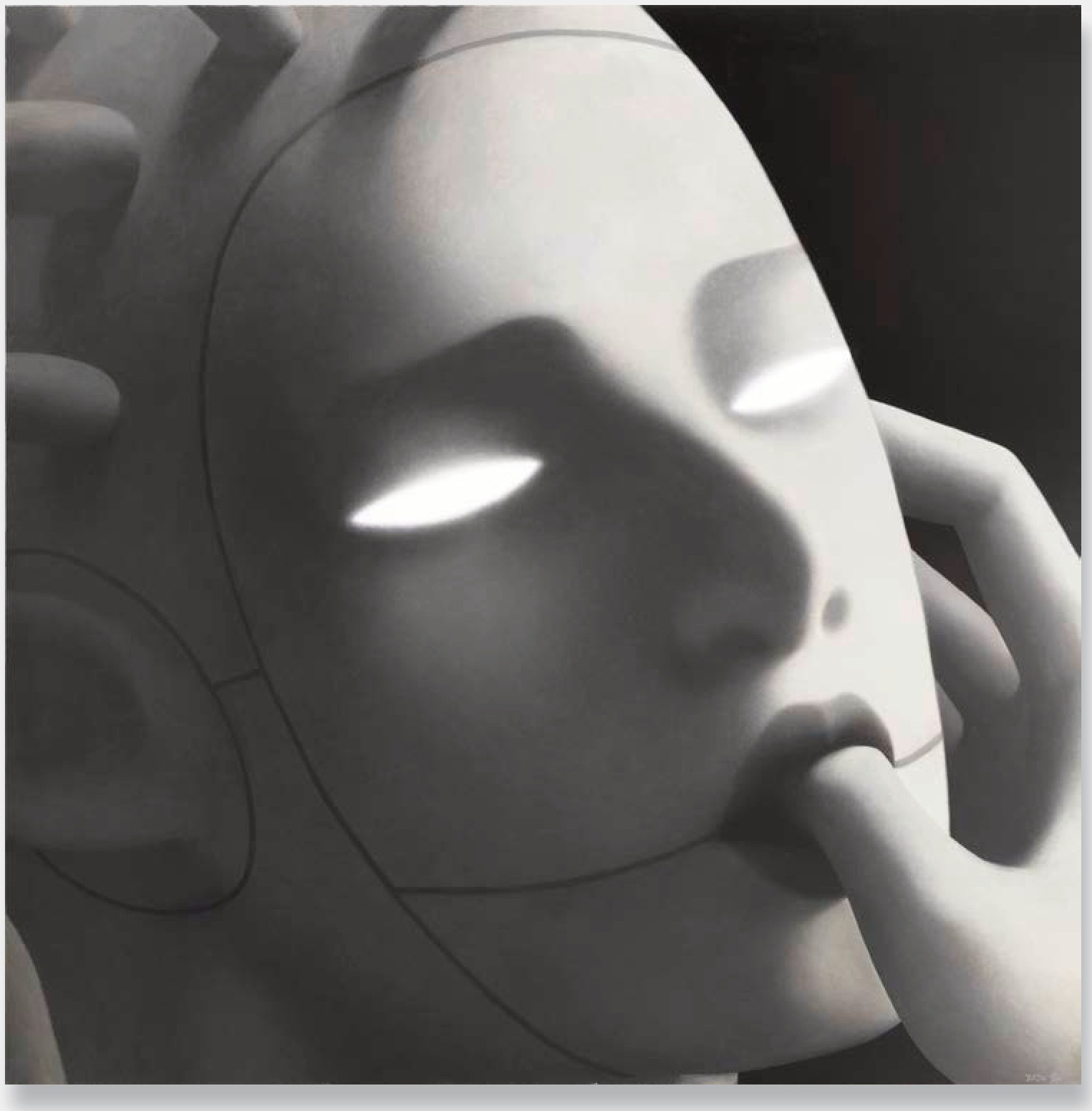
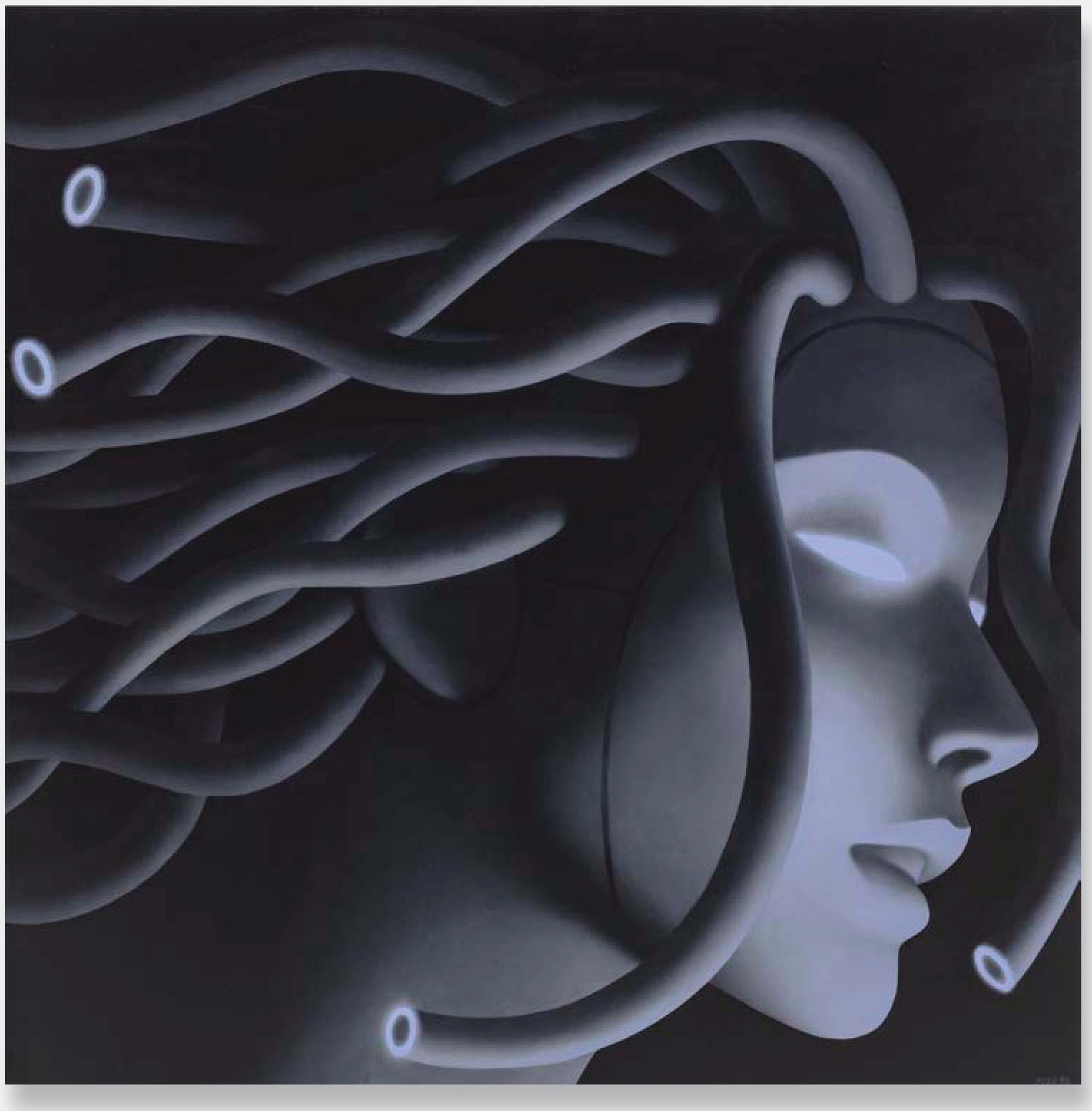
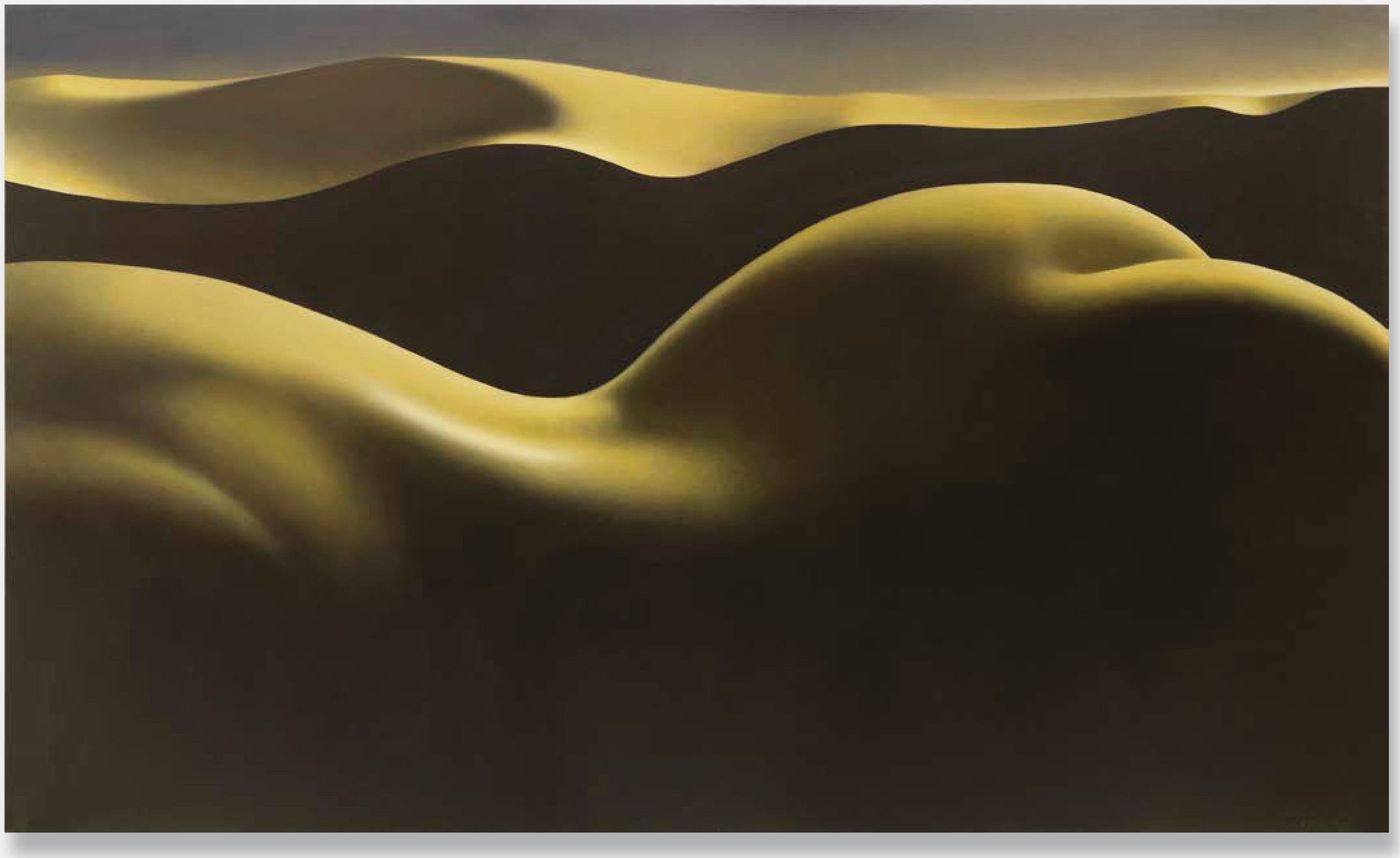
The Lust of Gods: Tan Yongqing Curator:Yang Jian Hive Center for Contemporary Art is honoured to announce post-90s artist Tan Yongqing’s latest solo exhibition, “The Lust of Gods”, opening at the Hive Shanghai space on 26 April 2024. Following “Cun
ning Moonlight” (2019, Hive, Beijing), “Day and Night” (2020, Mine Project, Hong Kong), and “Fantasy”
(2022, Longlati Foundation), this marks Tan’s fourth solo presentation, focusing on new paintings and one large-scale sculpture he has created in the past two years. This exhibition is curated by Yang Jian and is on view until 18 June 2024. Renowned as one of the prominent artists of the post-90s generation, Tan Yongqing reveals his unique comprehension and perspective on the virtual world and artificial intelligence introduced by technolog
ical advancement through his creative approach to painting. Contrary to many artists of his generation, Tan’s paintings tend to be classical, elegant, and refined, imbued with a strong sense of discipline, barely embracing the use of vibrant and striking digital colours. When this age of technology generat
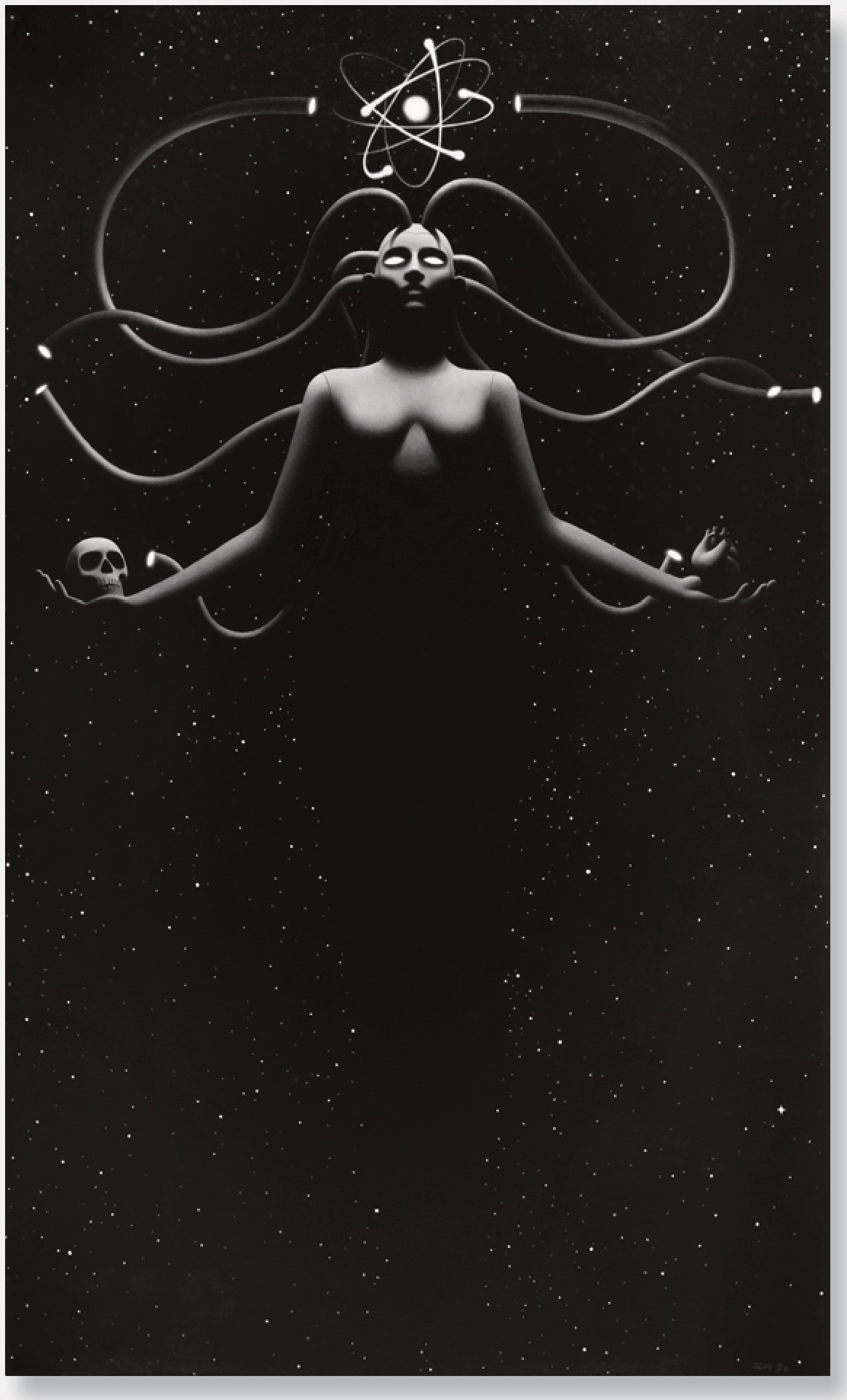
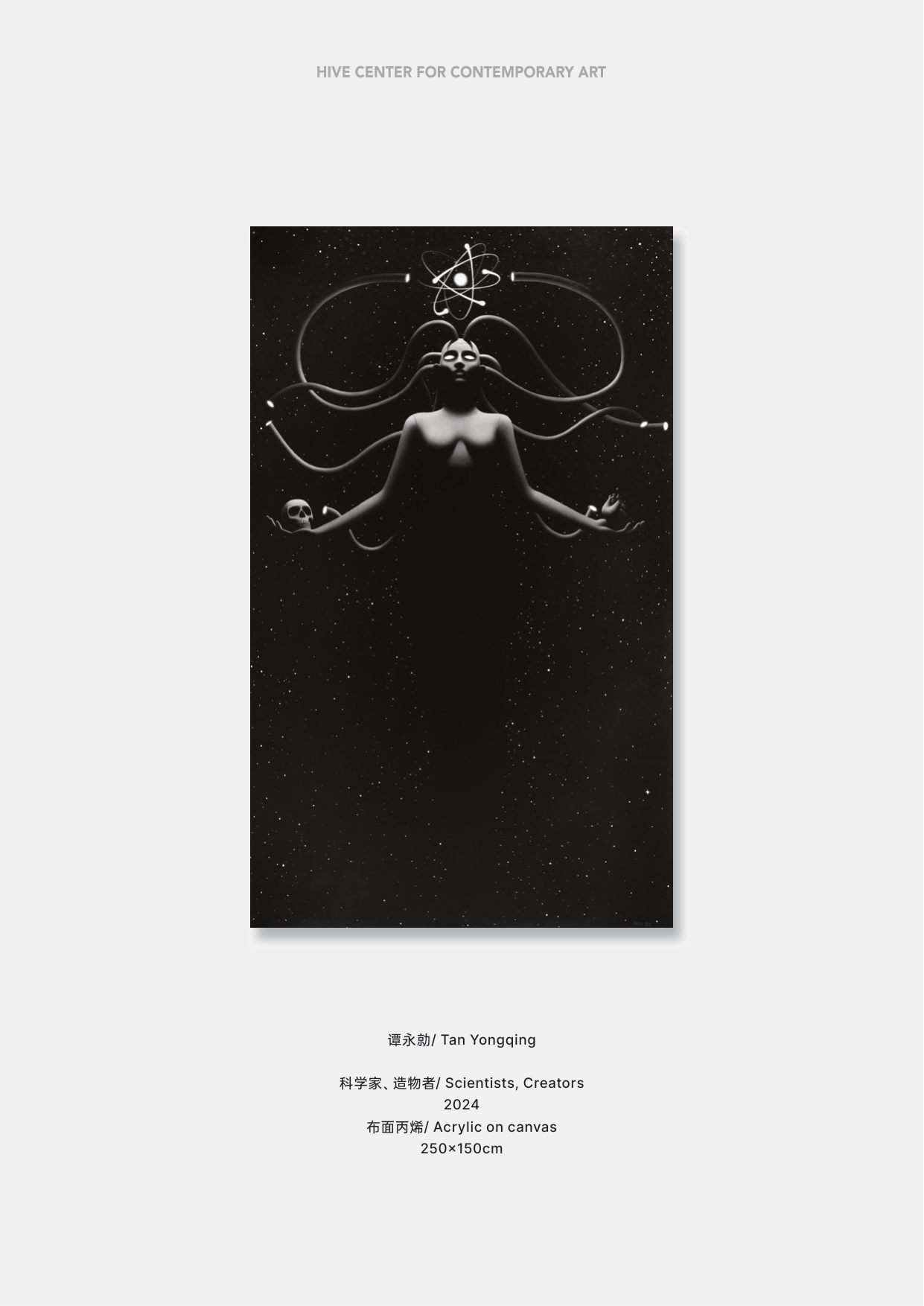
ed unprecedented palettes, which have in turn started to monopolise and regulate the visuals of this era, Tan has remained vigilant as a painter and always expressed his ideas and artistic beliefs with the most minimal colours. When the boundary between reality and the virtual world became increasingly obscure, he began to reflect on the consequent anxiety and disturbance, examining through his work the possibility of AI’s impact on human society and the course of history. Despite growing up in the age of the Internet, the intimacy that electronic products bring to Tan Yongqing has become a continuing part of his body and organs. While he enjoys the thrill of video games, he rejects the idea of his creative practice being plunged into the technological quagmire of vanity. In his most recent works, the synthesis of ancient gods and AI machine figures serves as Tan Yongqing’s narrative medium to contemplate the distant past and future of humanity. In his perspective, the end of AI is the beginning of the emergence of the gods. When humanity was still in its formative years, we could not distinguish whether the gods manifested themselves in their true form or as the projection of artificial images. But with the rapid development of technology, it no longer remains a myth that AI might be a god or soon evolve into one. The fabled gods are in fact in control of the world’s infrastructure, from transportation, banking to nuclear power plants; theoretically, the expectations and fears of humanity exist wherever there are smart machines. Besides, greed has always been the nature of humanity; once we are able to transcend our biological limitations, even a devil created by the combination of the flesh with contemporary technology would be considered a singularity in the evolution of civilisation. Yet, Tan’s works are not a purpose and attempt at moral judgment. In contrast, he was profoundly influenced by Nietzsche’s concept of Apollonian and Dionysian and existentialist philosophy as he quietly and pa
tiently observed the situation of humanity in the midst of the technological vortex from a purely aesthet
ic perspective, with a calmness that is beyond his years.
The journey and homecoming of heroes is an eternal narrative of humanity and also an everlasting, mov
ing element of Homer’s Iliad. Similarly, adopting the humanism of anthropomorphism as the dimension and objective for things, Tan Yongqing portrays the figures and personalities of his fictional gods. The departure of the gods and the advent of smart machines might just be a duet. Thus, the figures Tan cre
ated are neither cold-blooded smart machines nor immaculate deities: the gods are not removed from secular humanity, nor are the smart machines assigned sublime divinity, more often than not, they share the same complex and contradictory sentimentalities and even incomprehensible and twisted lusts as humans. Tan engages in subject matter arguably grandiose; but with an almost nuanced and warm ap
proach to narration, he organically integrates the gods of the past, the people of the present, and the smart machines of the future along with the humanistic context and the logic of science and technology, creating an image of humanity history’s cycle of development. Nietzsche believes that power softens and descends into the visible, such descent is considered as beauty. More than reflecting on human na
ture, sentimentalities, and existence, perhaps, Tan Yongqing simply provides a naïve yet poignant fable. The gods are on their way.
蜂巢|北京
Hive | Beijing
蜂巢|上海
Hive | Shanghai
蜂巢·生成|上海空间
Hive Becoming | Shanghai
蜂巢当代艺术中心(Hive Center for Contemporary Art)由馆长夏季风先生于2013年创立于北京。“蜂巢”之名,意喻人类聚集性生存方式及其思想繁杂性的存在状况,与社会结构和当代艺术的现状尤为契合。目前,蜂巢当代艺术中心在北京和上海分别开设了三个展览空间。“蜂巢|北京”主空间坐落于中国著名的798艺术区内;2023年时值画廊成立十周年之际,蜂巢选址上海外滩历史风貌区域内的百年优秀建筑,分别设立“蜂巢|上海”和“蜂巢· 生成”两个全新独立空间。蜂巢当代艺术中心作为中国最具影响力和规模最大的当代艺术机构之一,致力于在参与中国当代艺术本土生产与建构的同时,在全球范围内推广及交流中国当代艺术,推介优秀的国际艺术家和艺术项目,以持续助力中国当代艺术发展和艺术生态繁荣。
Hive Center for Contemporary Art was founded by XIA Jifeng in Beijing in 2013. A metaphor for the ex-
istence of humanity’s aggregated mode of living and the multiplicity of its mind, the name ‘hive’ corre-
sponds to the current state of social structure and contemporary art. Hive Center for Contemporary Art currently operates three spaces in Beijing and Shanghai. Hive Beijing is situated in China’s distinguished
798 Art Zone. On the gallery’s tenth anniversary in 2023, Hive Center for Contemporary Art opened two new locations, Hive Shanghai and Hive Becoming, in architectural landmarks in Shanghai’s historic Bund area. Hive celebrates a roster of established and emerging talents from diverse backgrounds and contexts. As one of the largest and leading contemporary art galleries in China, Hive is dedicated to contributing to the development and cultivation of contemporary Chinese art, as well as its global pro-
motion and exchange while introducing our community to outstanding international artists and projects.
参展艺术家Artists
作品