作品2024
展览信息
前言Introduction
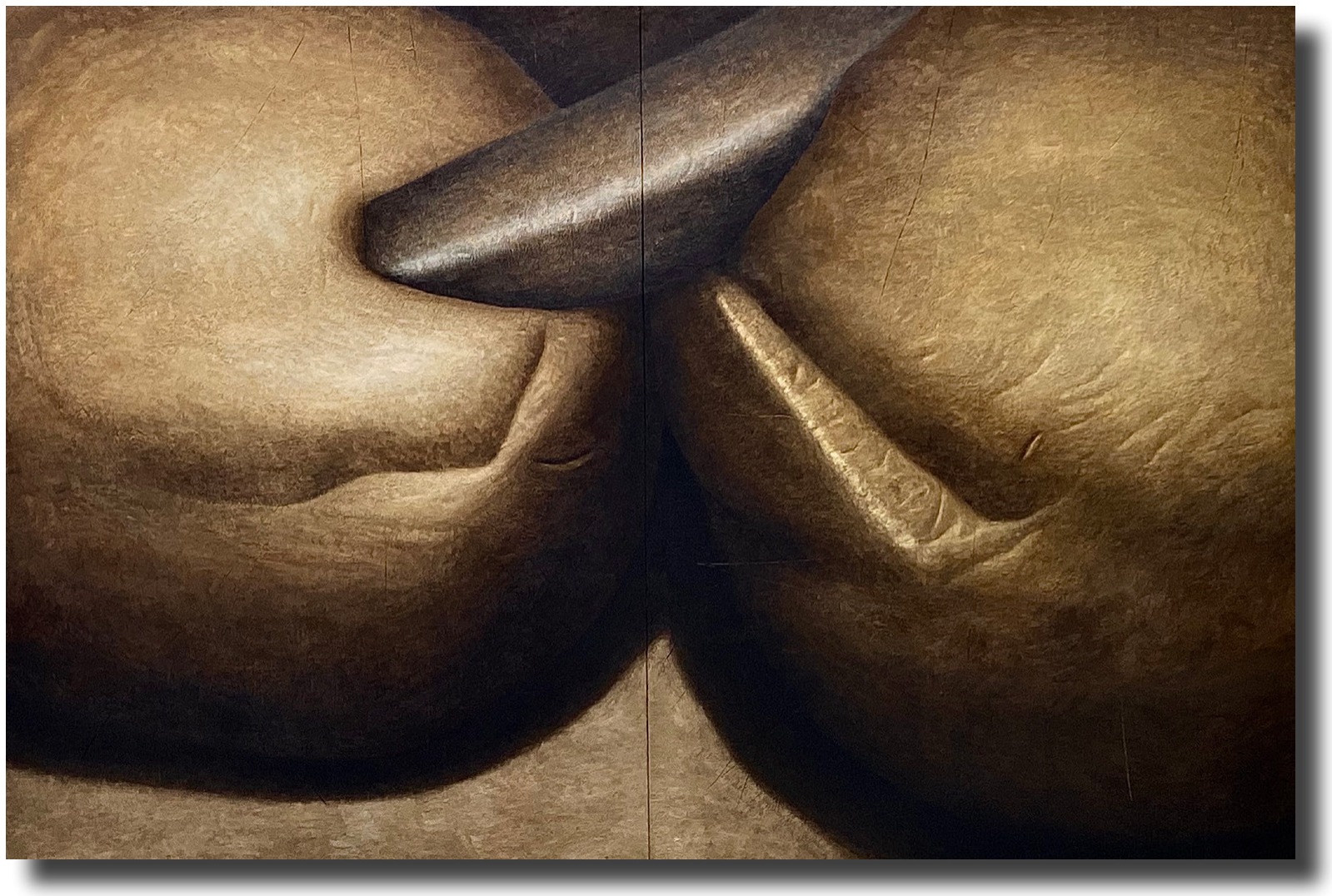
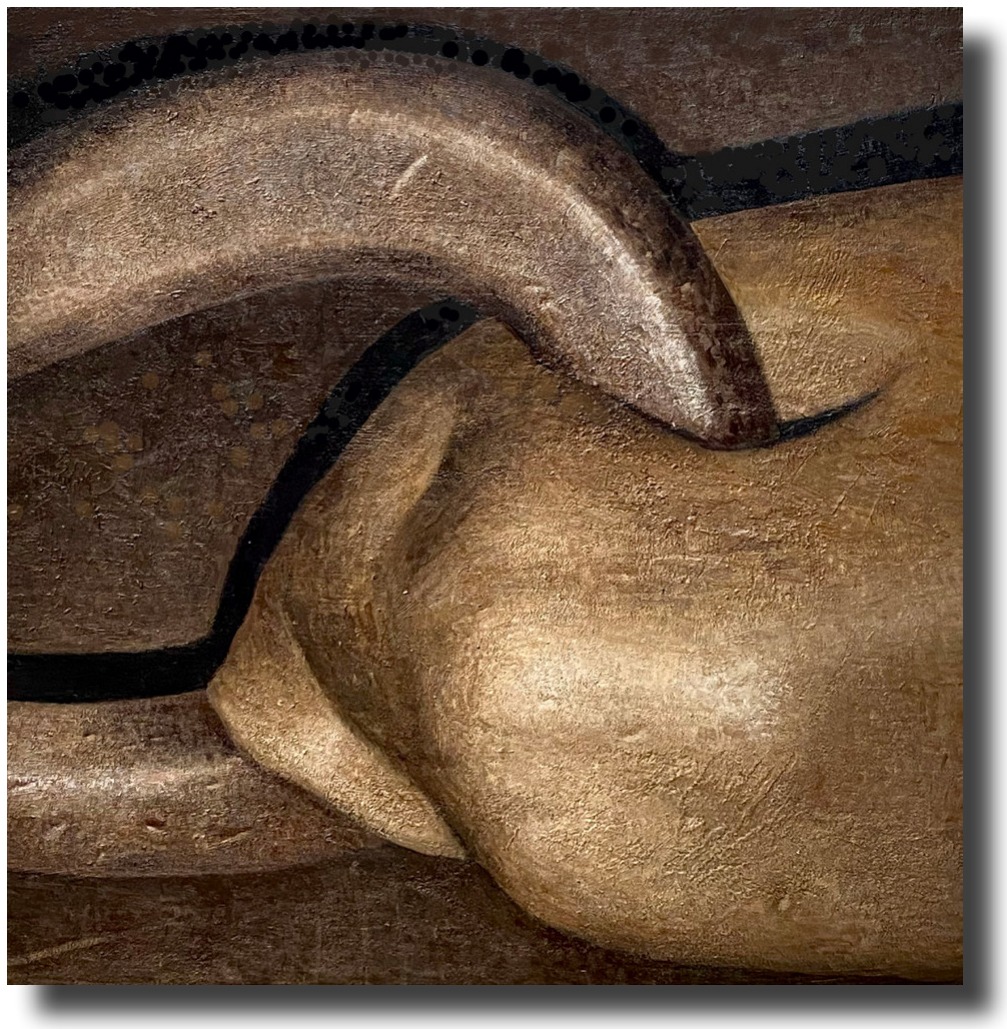
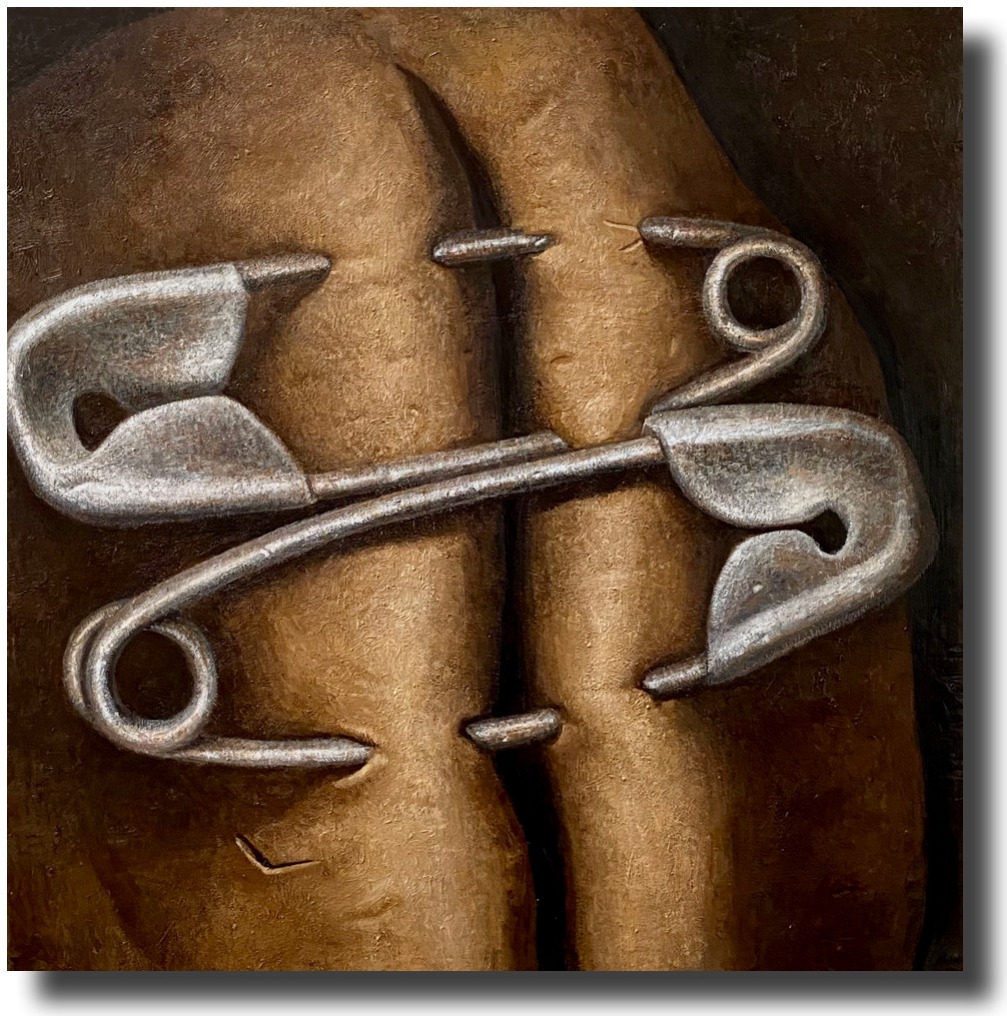
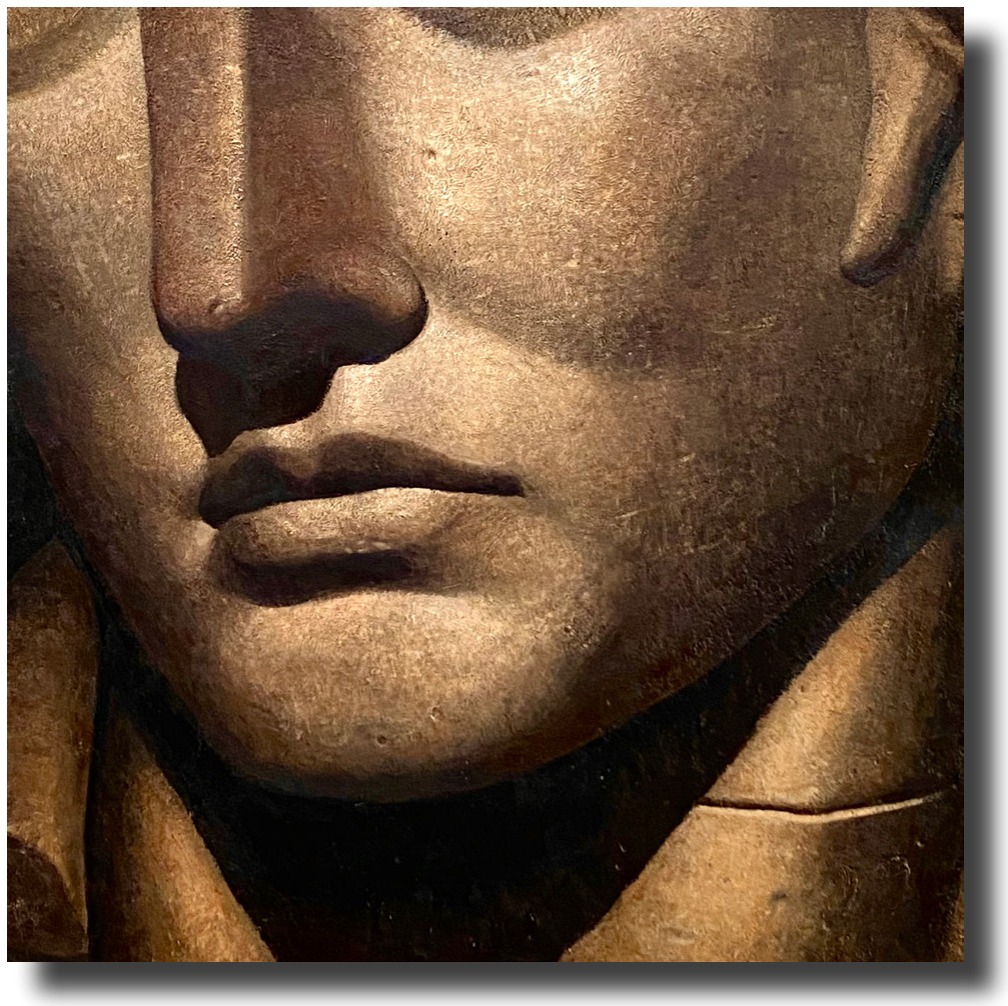
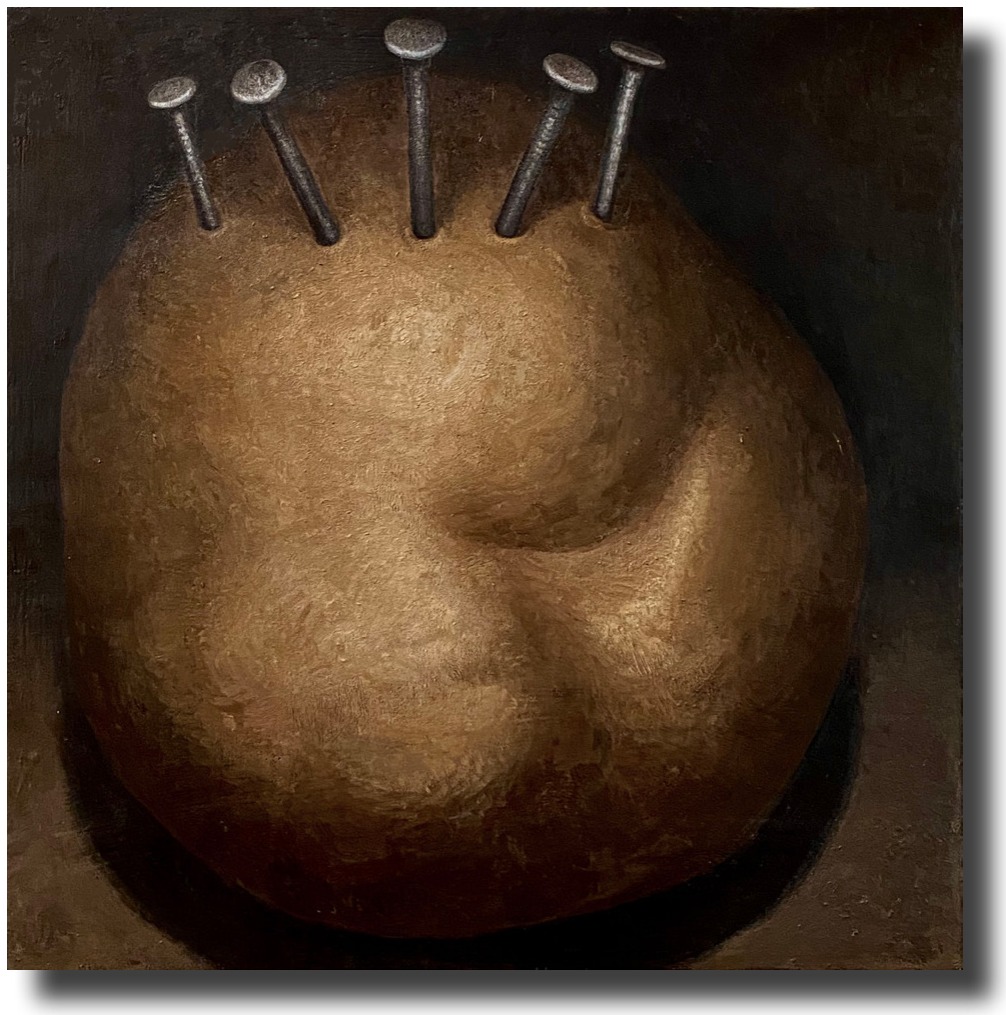
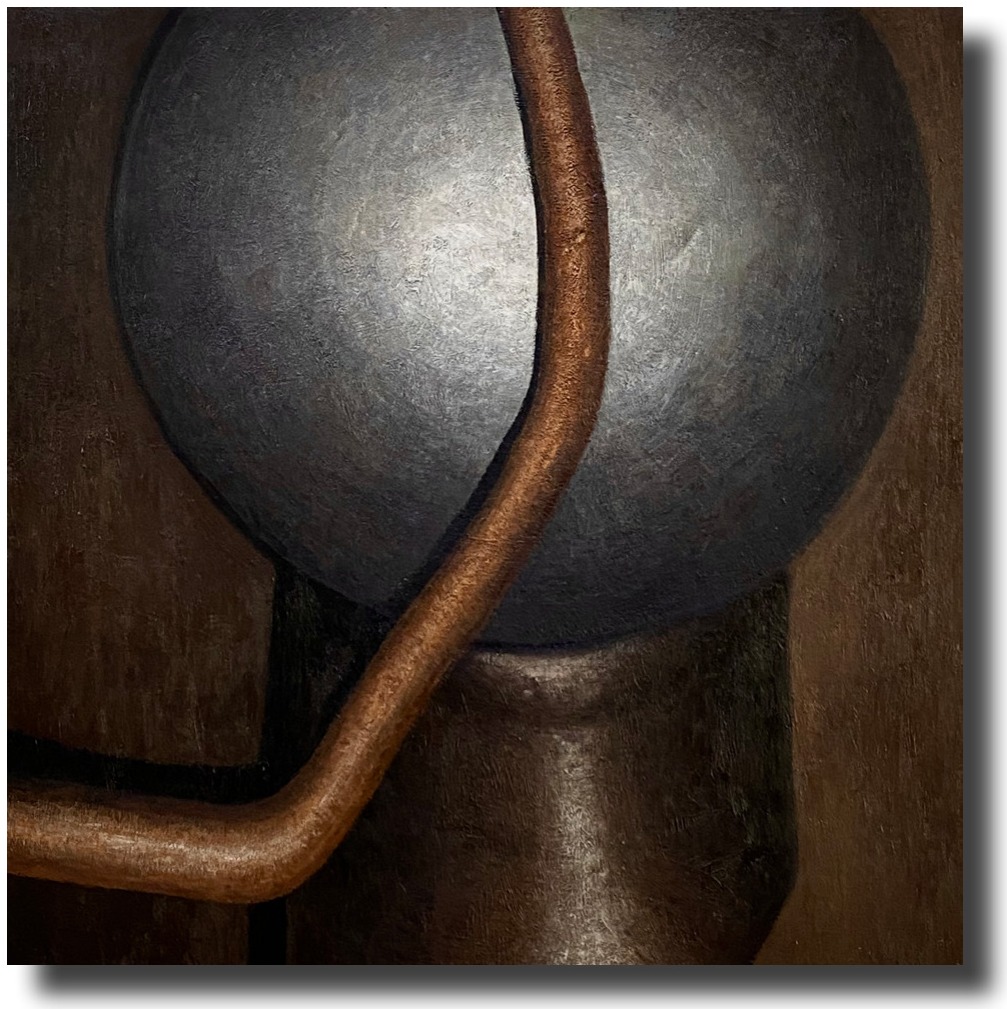
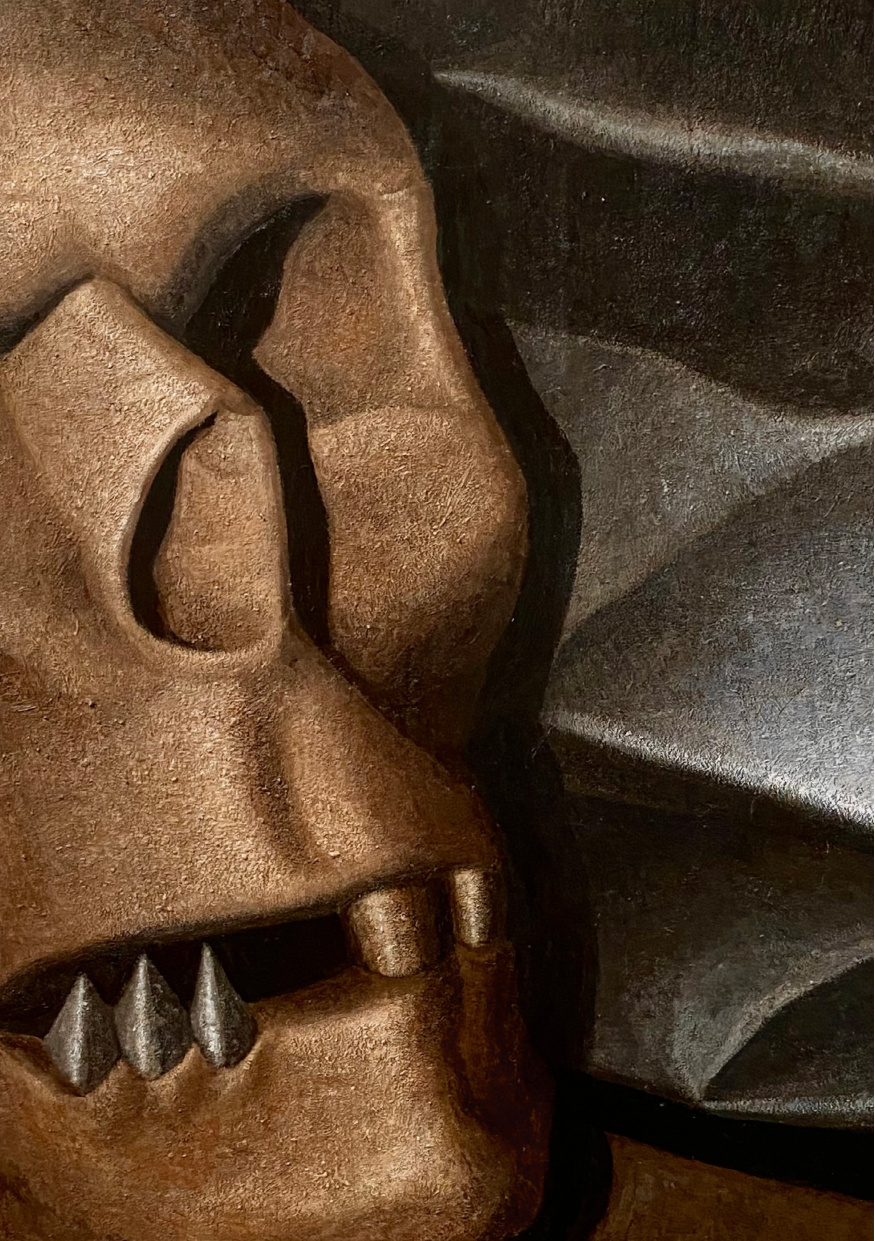
文/ 三川译/ 陈照居陶彬坚持自己亲手制作所有的画框,它们比常规的木框要重的多,这一对他而言是“必须动作”的成因来自于艺术家创作经验中直觉式的转向。陶彬曾在山西的古玩市场中意识到某个摊位上散落着的农具似乎与他自身的命运产生了相似性 —— 它们都从社会功能性身份的具体语境中退场了。由此陶彬将对综合材料的创作冲动转移到了这些被遗弃的工具上,拒绝对它们进行全景式的观看反而只去关心它们中的某个局部,在这些绘画中所表现出的毫无巨细的使用痕迹都证明了存在于这一目光中的份量。另一重份量来自于浇筑于绘画底部的自研混合水泥,它们为绘画提供了良好的基底,也为艺术家建立了生效于他心理层面的重量感,这似乎是某种无因而为,却成为了陶彬开始动笔之前的先决条件。因此无论是画框的预制还是画中对象物的选择,陶彬的创作从选择制框的木料时就已经开始了,这些动作都勾勒出了一种超越性的内在冲动 —— 即建立一种双向的意义修复与主体性建构的行动。画中对象在最初并非康德所说的物自体(the thing in itself),而是陶彬眼中的“退场之物”,它们从古玩市场抵达工作室后便获得了新的命运,成为被艺术家的目光关照着的悬置(epoche)之物。它们存在或存在过的证据正在被陶彬的绘画重新论证,于画面内中止了其社会功能性的身份想象,这同时也是艺术家个人行动式的积极介入。或许无需在此去论证这一过程中的意义所在,因为创作者与被创作者在这一过程中都获得了其自足的超越性状态,永恒的王冠应被授予此时的无因而为之人。关于展览丨About the Exhibition Tao Bin insists on crafting all his frames by hand, resulting in frames significantly heavier than standard ones— it is a “necessary action” rooted in an instinctive shift within his creative experience. In a Shanxi antique market, he once felt a peculiar connection between his own fate and the scattered farm tools at one vendor’s stall—tools that, like him, had retreated from the specific contexts of their functional roles in society. This realization led Tao Bin to channel his creative impulses for mixed media into these abandoned tools, choosing not to view them in their entirety but focusing on select parts instead. The meticulous traces of use in his paintings testify to the weight of this gaze, with another layer of weight added by the self-developed cement mixture poured at the base of each piece. This cement provides a solid foundation for the paintings while also creating a psychological heaviness for the artist, serving as an almost causeless yet essential prerequisite before he begins his work. Thus, from the choice of wood for the frames to the selection of objects within the paintings, Tao Bin’s creative process starts with the frame itself, outlining a transcendent, inner drive—a dual effort at restoring meaning and constructing subjectivity.
The objects in his paintings are not, at first, what Kant described as “the thing in itself”; rather, they are what Tao Bin considers “retired objects.” Once they arrive in his studio from the antique market, they acquire a new des-
tiny, becoming “epoché” objects suspended in the artist’s attentive gaze. Their existence, or evidence thereof, is being revalidated through his paintings, halting the imagination of their social functions within the image itself. This represents artist’s personal intervention, where meaning in the process may not need explicit articulation. Both the creator and the created attain a self-sufficient, transcendent state through this interaction, and the eternal crown should be bestowed upon those who act without cause in the present moment.
参展艺术家Artists
作品