远近踪响
前言Introduction
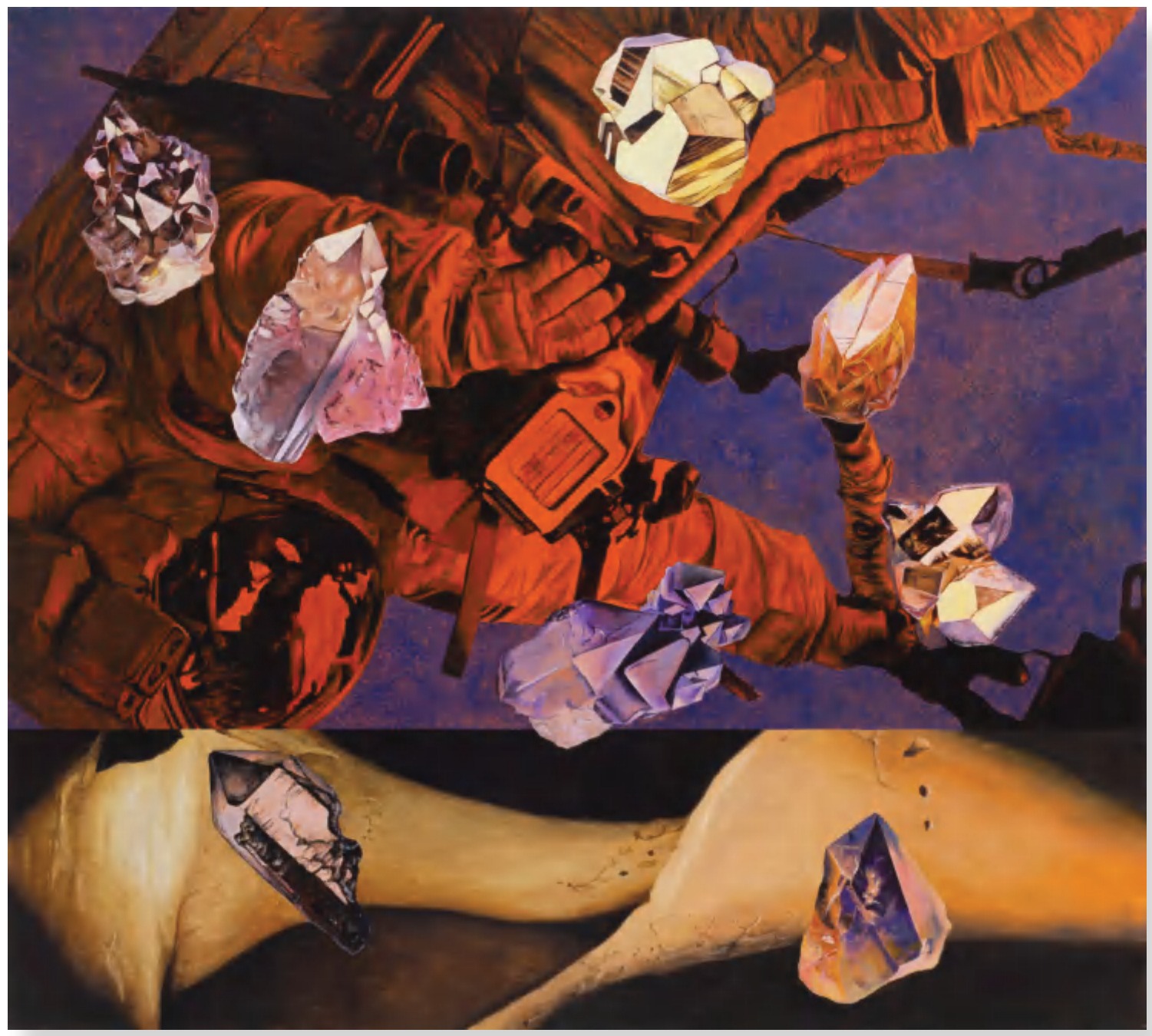
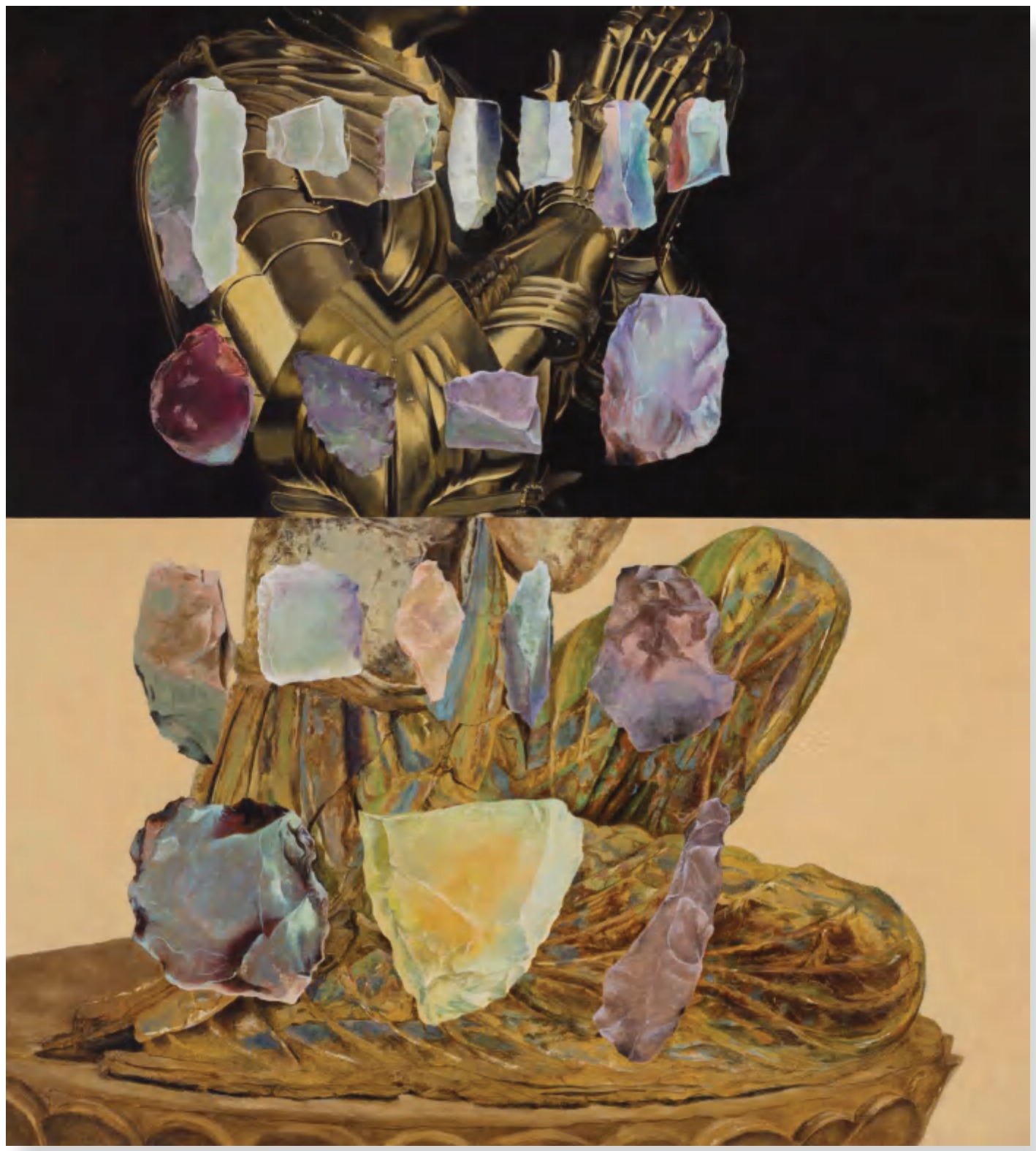
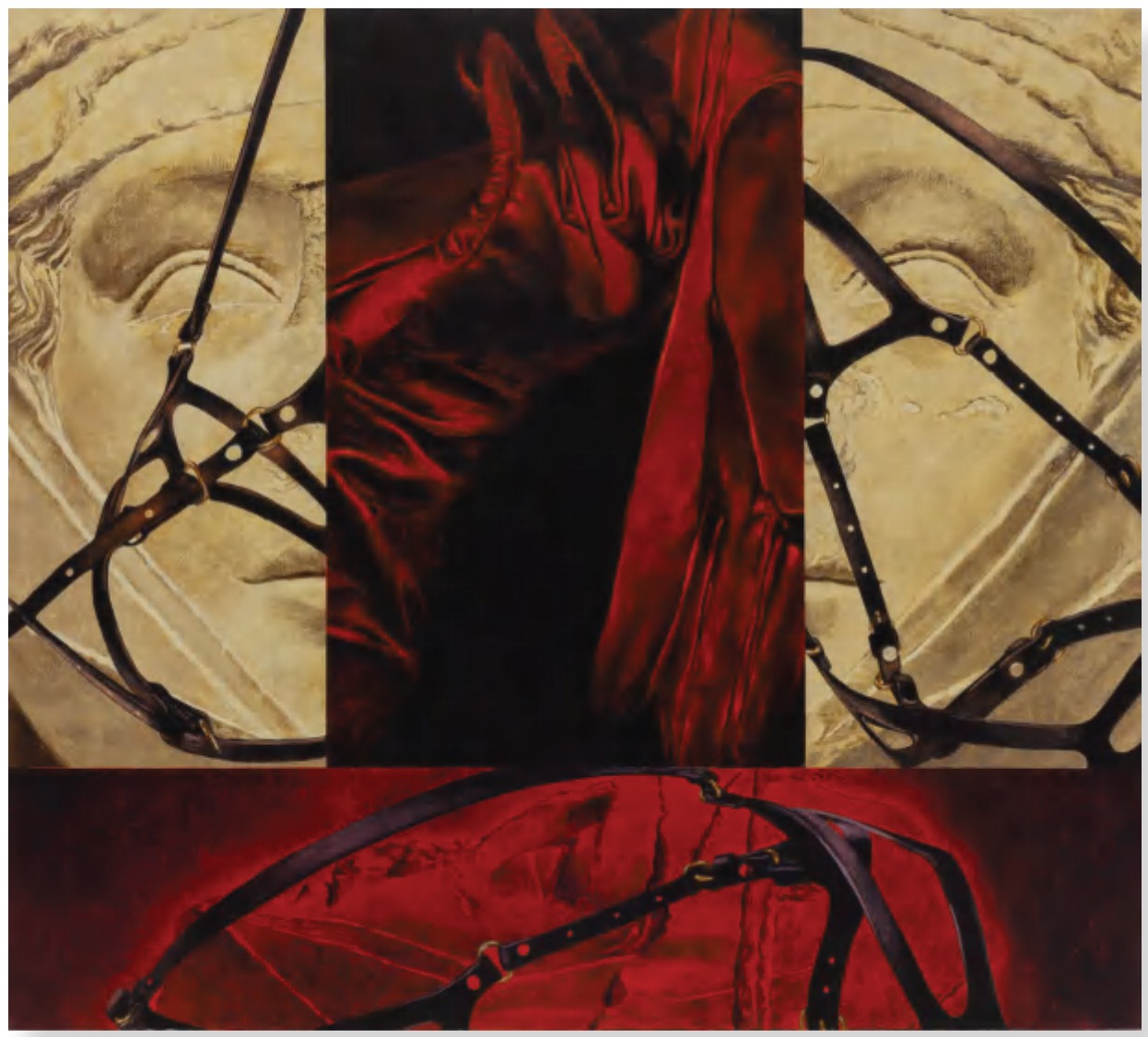
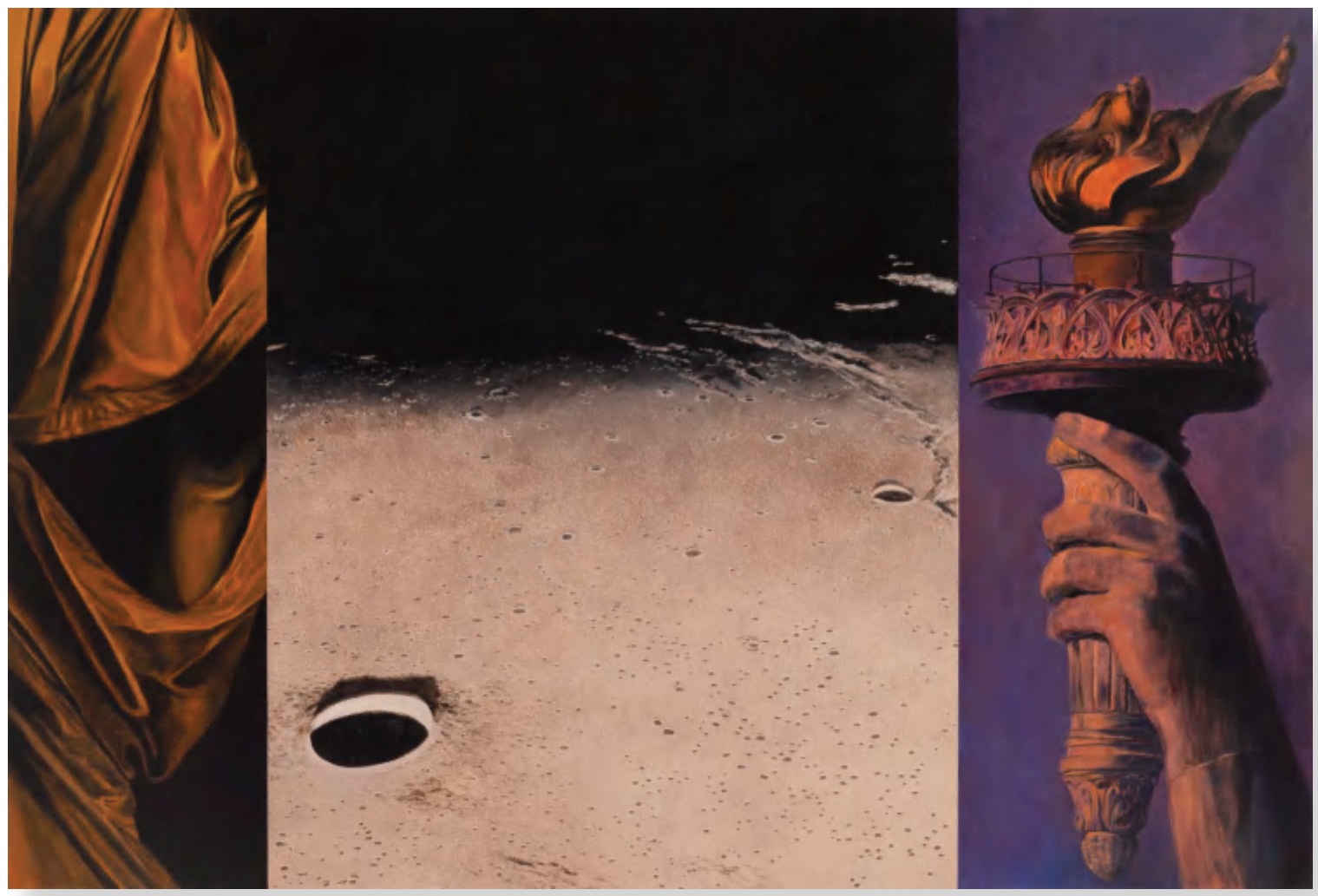
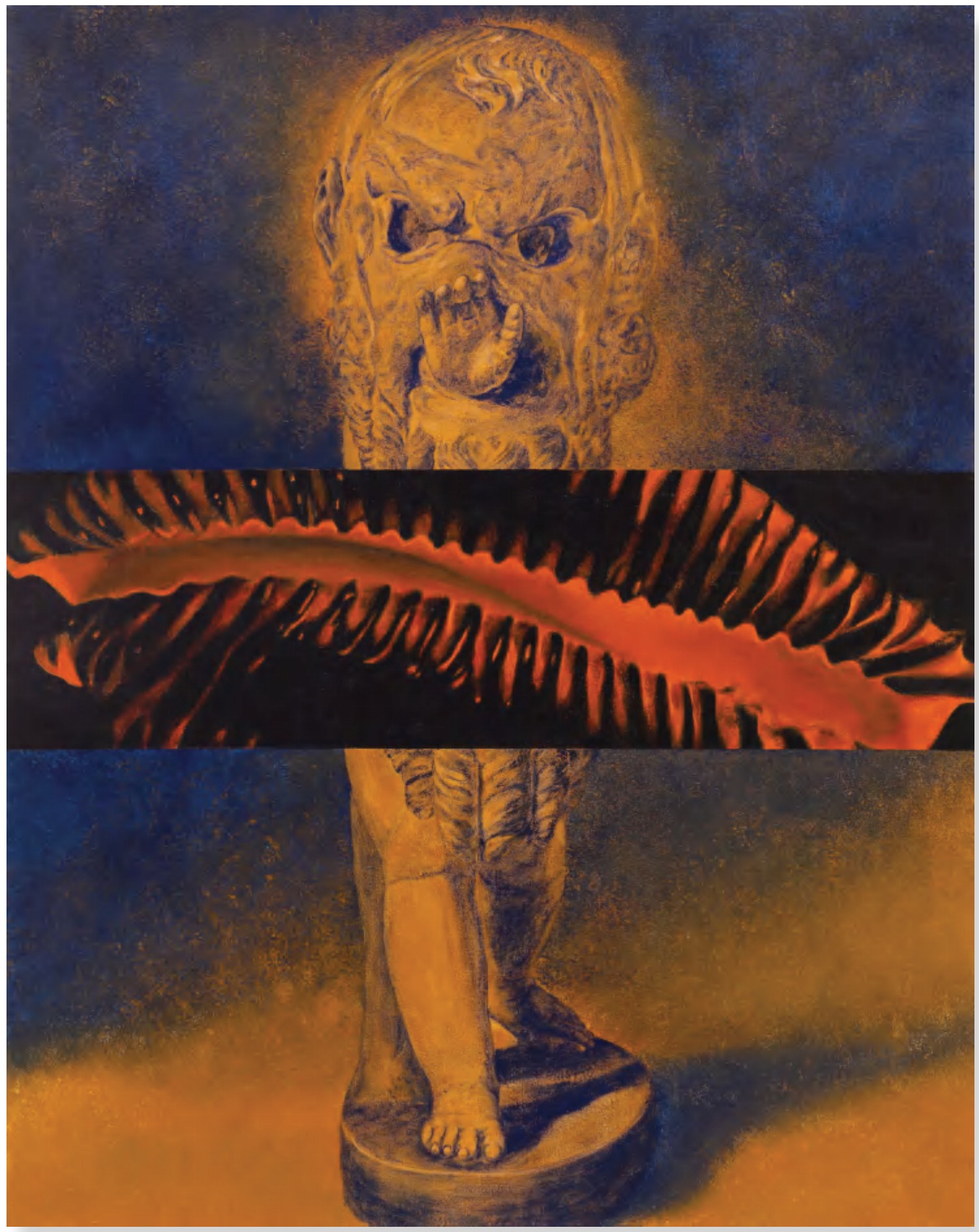
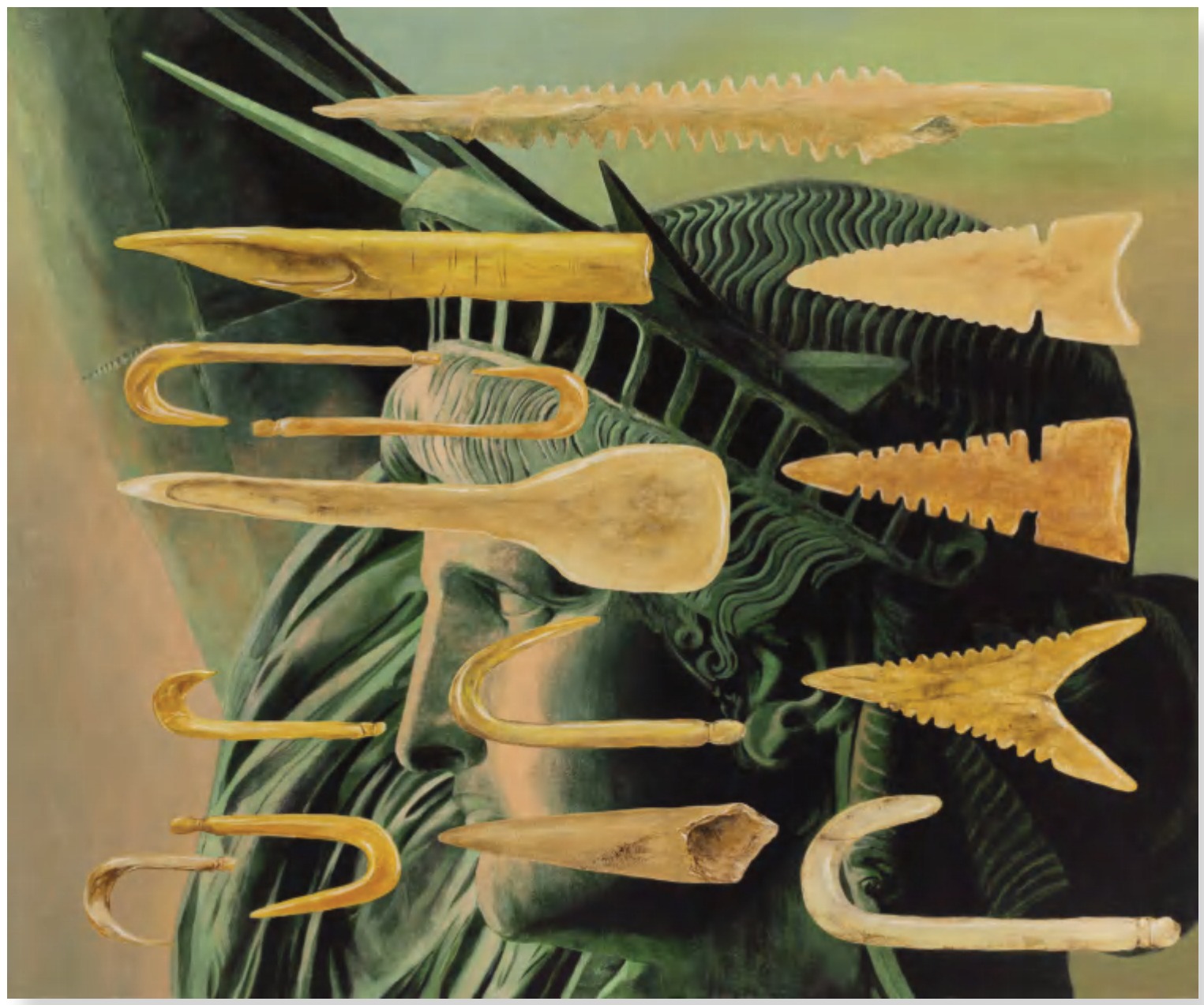
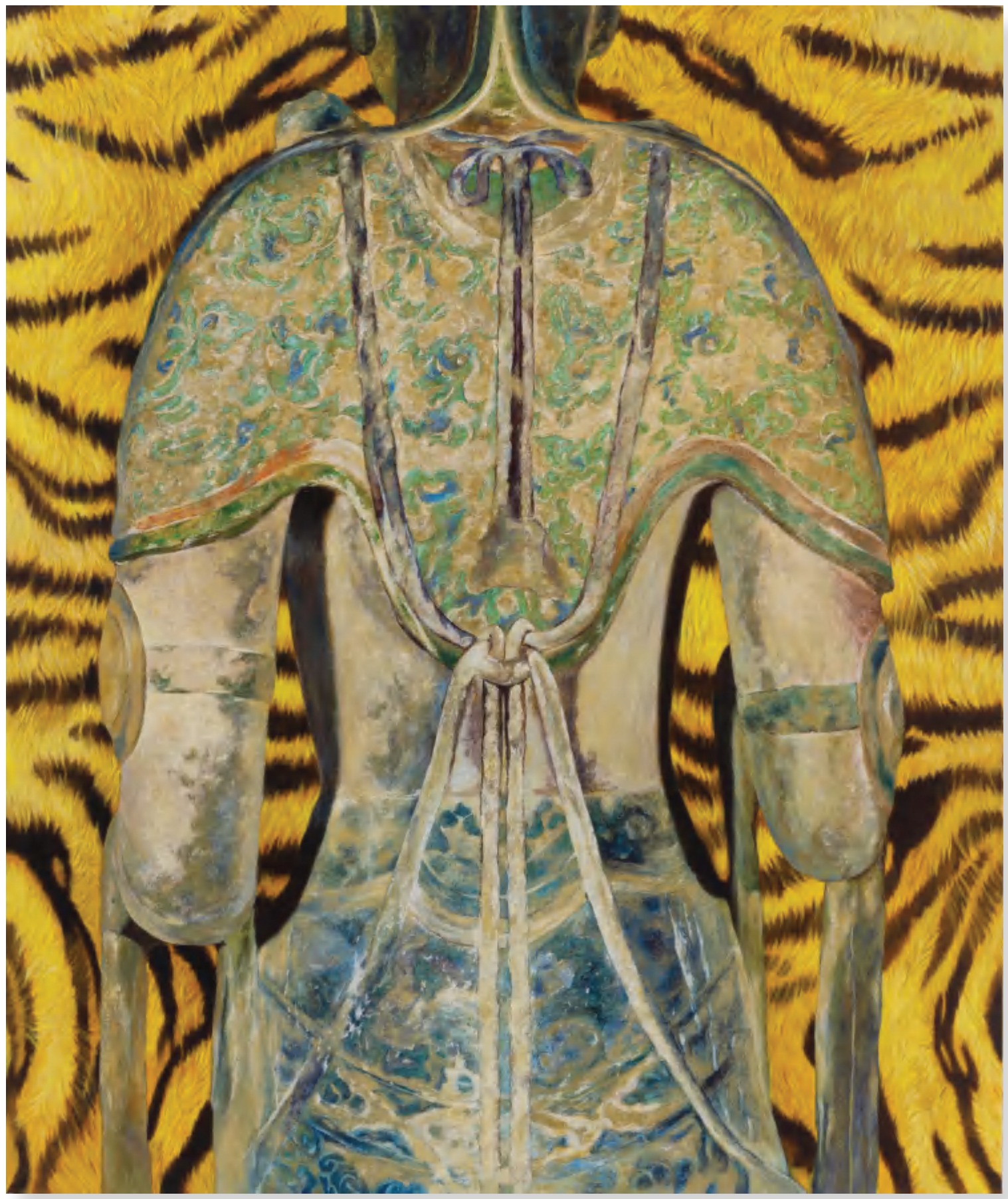
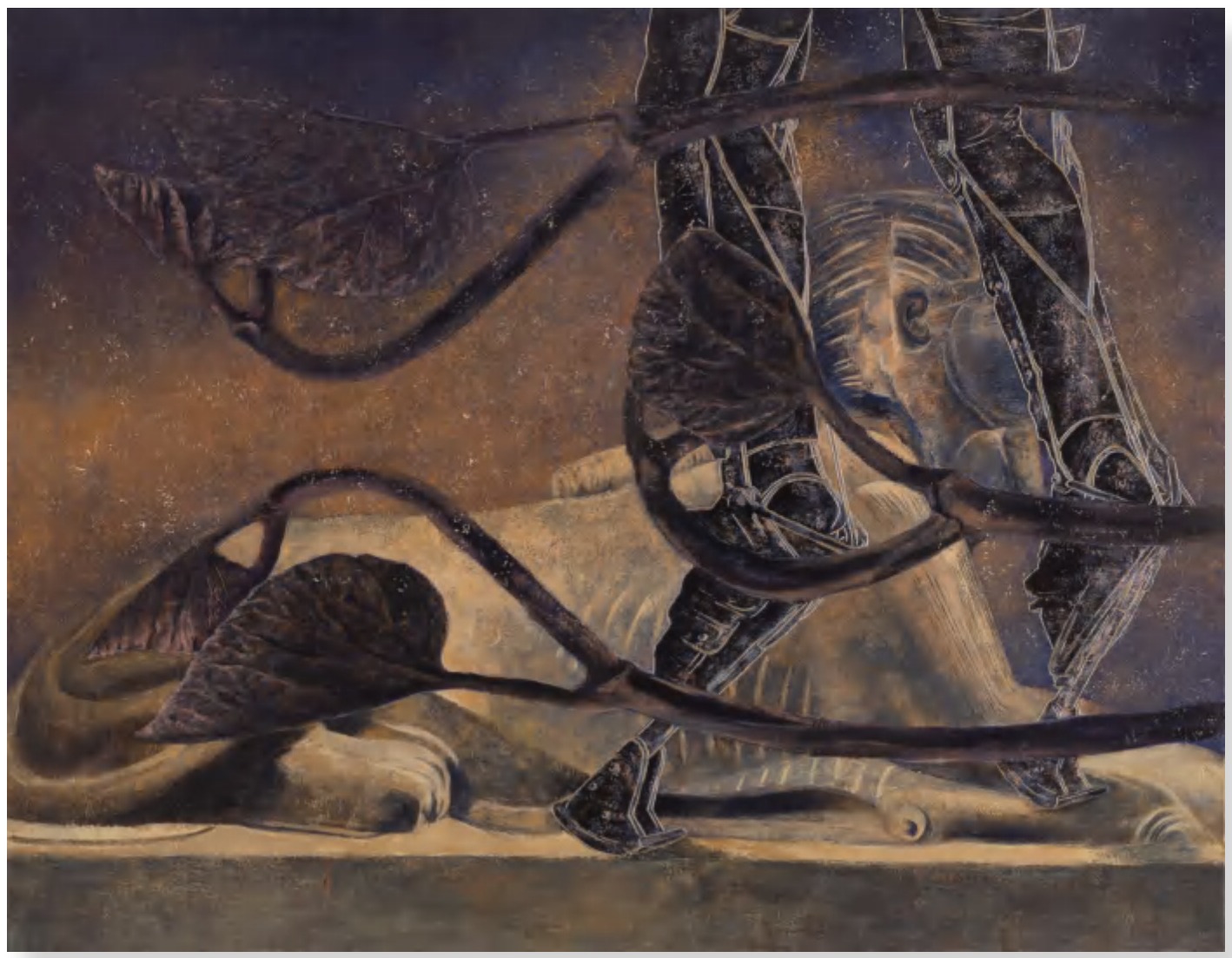
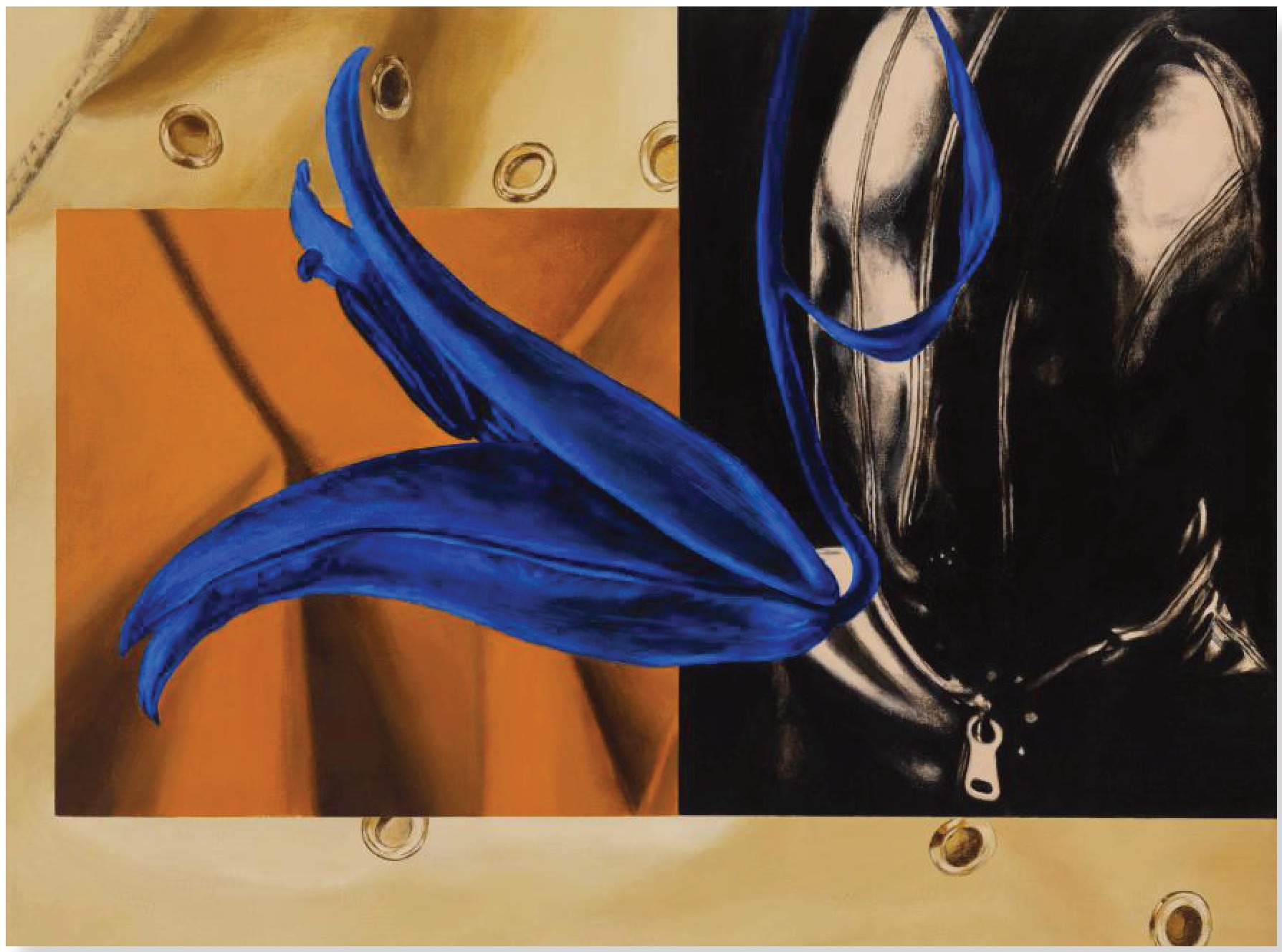
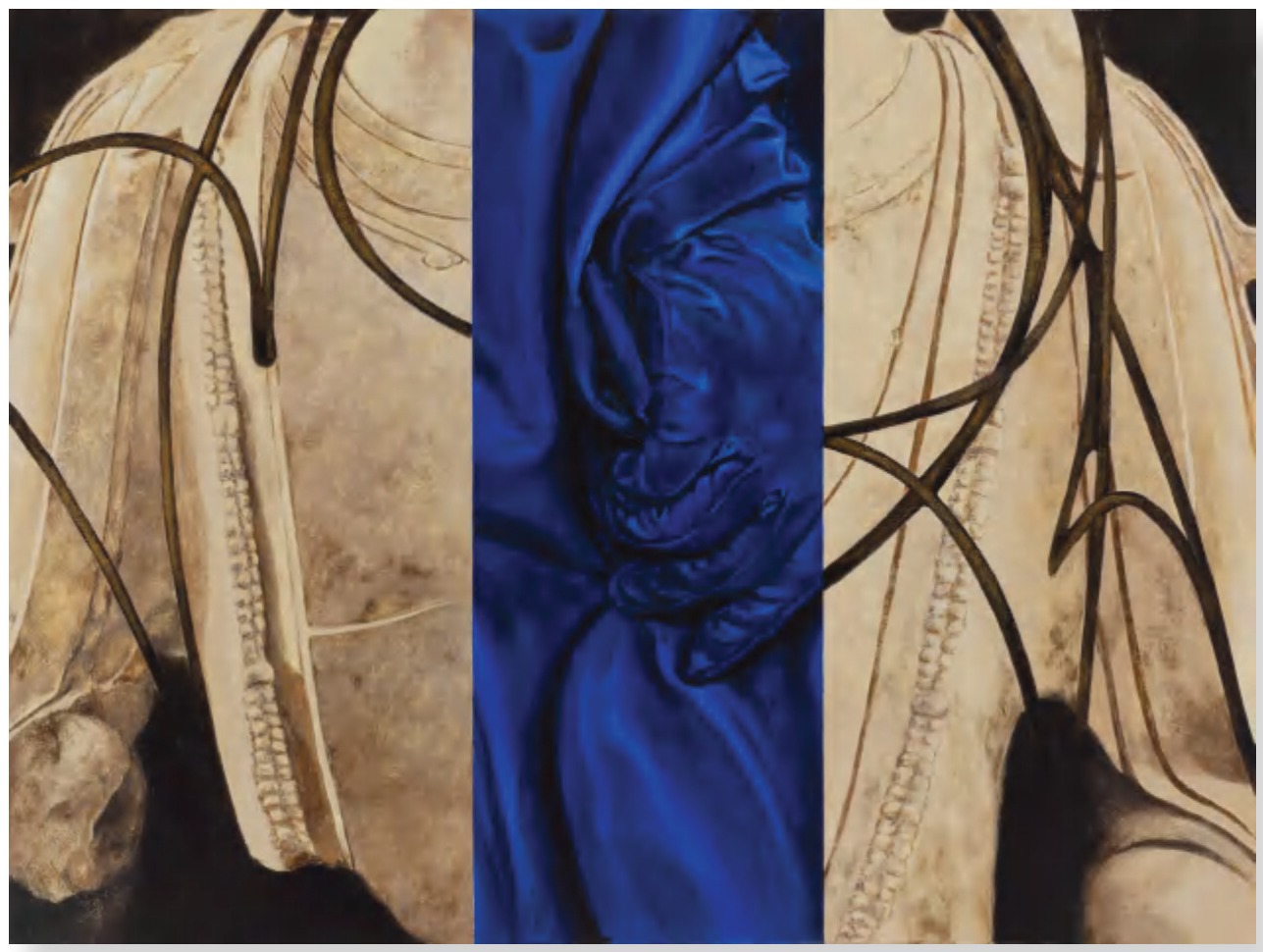
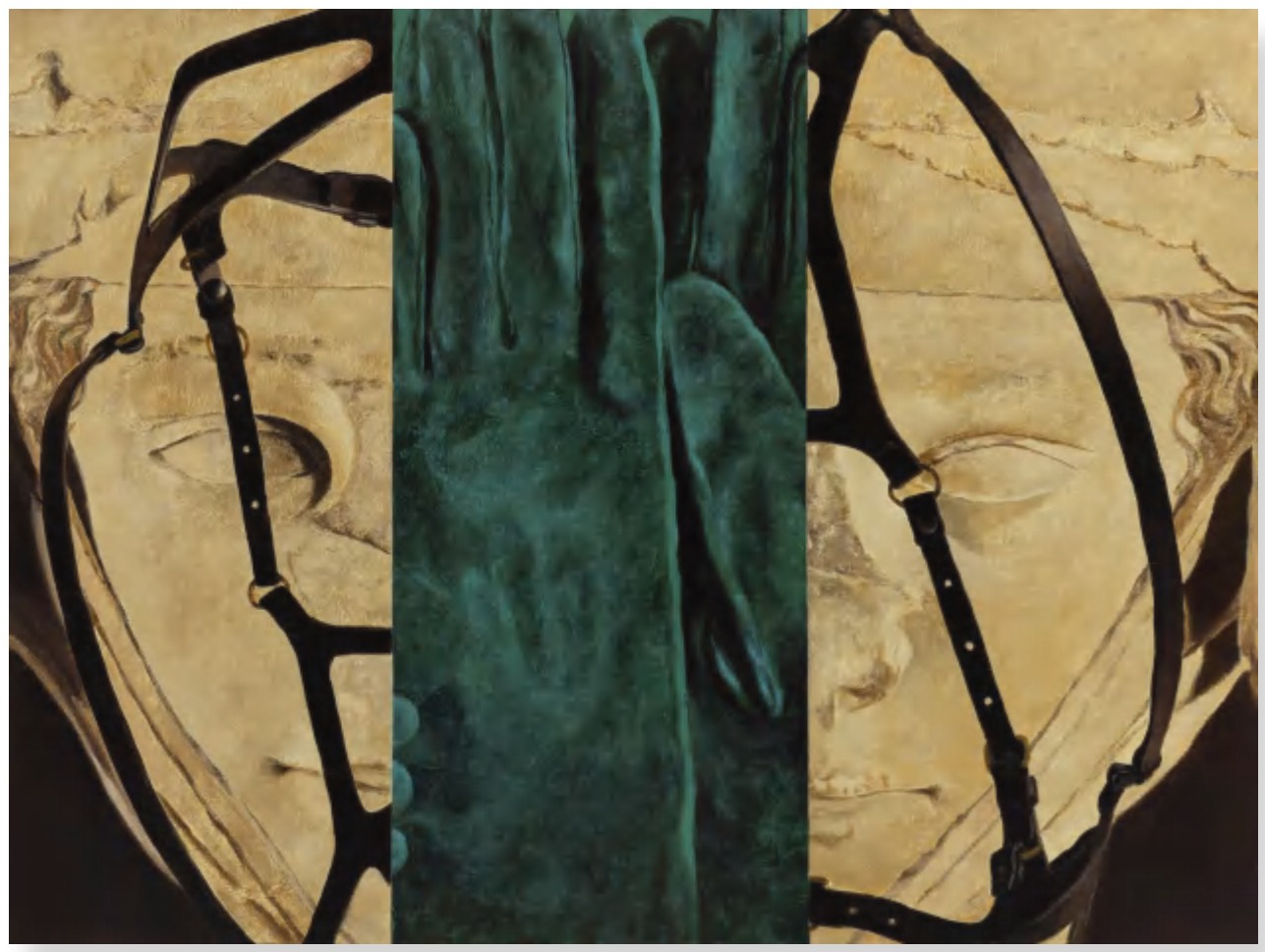
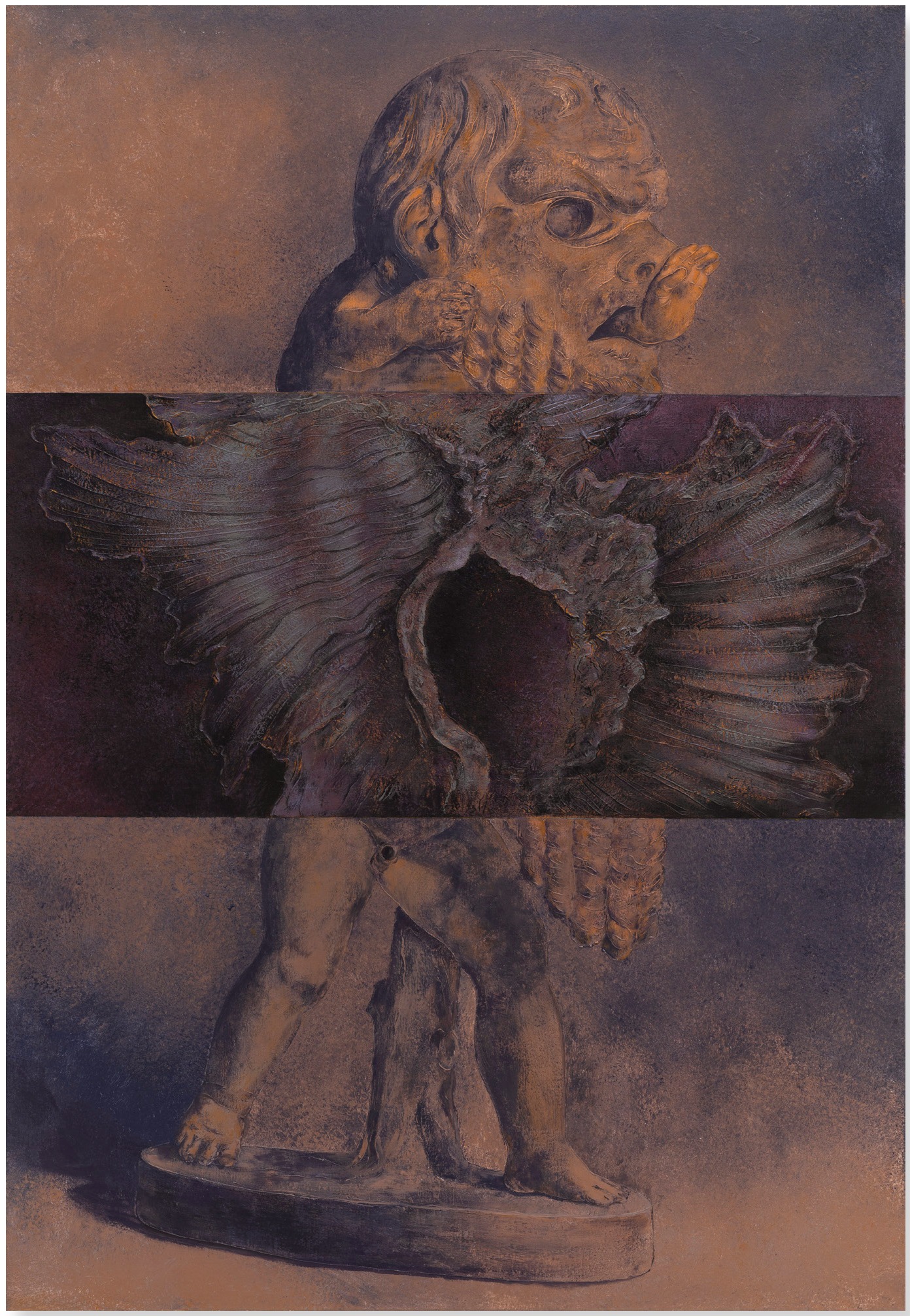
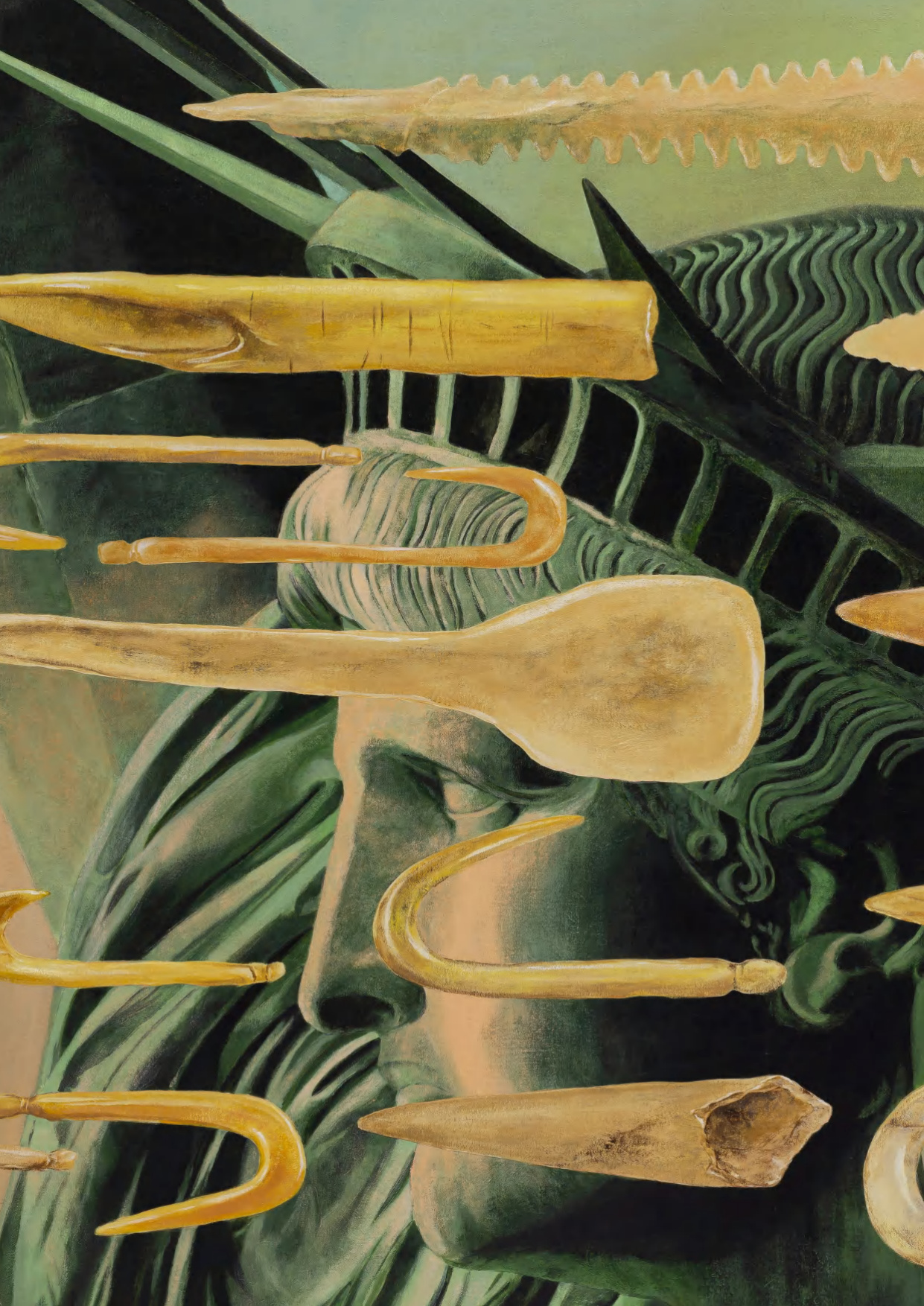
黄含康:远近踪响策展人:于非蜂巢当代艺术中心荣幸地宣布,将于2024 年11 月17 日在蜂巢北京空间的B、C 两个展厅,呈现艺术家黄含康在蜂巢当代艺术中心的首次个展“远近踪响/Traces and Echoes of All Time”。本次展览将集中呈现黄含康最新的绘画实践。展览由策展人于非策划,将持续至2025 年1 月10 日。跨文化经验无疑构成了黄含康开启个人创作的基石。从苏州到巴黎,从文物研究的家学传统到当代思潮的前沿阵地,在由“旧”至“新”的奔赴旅程里,黄含康从变换的视角中收获了不同的眼光,持续积攒着对于“异”与“同”的别样体认。由此,他启动了愈发广泛的文化涉猎,检索着各色文明中那些凝聚时代风貌的物质遗存。黄含康从未放纵自己浸淫于浩瀚古物的无穷细节之美,毕竟“管中窥豹岂全斑”;他希求以创作贯通世间万物,串连物象背后盘根错节的因果链条,最终无限接近世界的原真。展览“远近踪响”就此揭开了黄含康最近一年以来的历险之旅,从时间的沉淀物彼此的交织与对望中捕获文明的踪迹与历史的回响。人类历史上的一次次远征留下的万径人踪汇集成我们当下所处的现实图景,而文明的意义与真相恰恰暗藏于不同路径相对关系的隔空交锋之中。于是,黄含康以绘画为途径将星罗棋布的图像折叠、并置,且有意拣选相关性看似稀薄的物象置于同一个画面空间:东方的佛像与中世纪的盔甲,斯芬克斯与机械肢体,自由女神像与远古箭簇等,让彼此无论在时间、地理还是语义维度上的跨度足够遥远。就在这精心构筑的抵牾与交汇共存的空隙里,人类文明的高光与阴影紧密纠缠。黄含康善于将自我隐匿于纷繁的物象背后,而这一次,他在绵延的视觉考古途中捡拾石头,打捞海螺,让它们散落在画面与空间的各处,成为破解图像迷局的路标。陆地与海洋自始至终是人类文明发展无法脱离的两个相连的母体,生命诞生、演化、衰亡的轮回在此处不停上演。石头与海螺的历史从史前开始,而后以不同的角色仿佛宿命般地参与到人类文明内部的构建。但是更多的时候,它们是静默的旁观者,以接近永恒的姿态见证着陆海之间所发生的一切。
Hive Center for Contemporary Art is pleased to announce the presentation of Huang Hankang’s solo exhibition, “Traces and Echoes of All Time”, which focuses on his latest painting practice. This show is curated by Yu Fei. Opening on 17 November 2024 in Galleries B and C at Hive Beijing, this exhibition runs Huang Hankang: Traces and Echoes of All Time Curator: Yu Fei until 10 January 2025. Undoubtedly, cross-cultural experience serves as the foundation for Huang Hankang’s personal practice. From Suzhou to Paris, from the familial tradition of antiquities research to the vanguard of contemporary thinking, Huang has acquired different perspectives in his journey from the “old” to the “new” and has continued to cultivate a diverse experience and understanding of “difference” and “similarities”. There-
fore, he departed on an increasingly extensive cultural exploration, retrieving the material remains of var-
ious civilizations that reflect the styles of the times. He never indulges in the infinite beauty in the details of vast antiquities, because after all, “a glimpse of the leopard through a tube cannot reveal the whole”; he seeks to penetrate all things through his practice, to connect the intricate threads of causality behind the objects and phenomena, and to ultimately approach the truth of the world. The exhibition “Traces and Echoes of All Time” thus unveils Huang Hankang’s adventures over the past year, where he captures the traces of civilizations and the echoes of history from the intertwining and correspondence of the remains of time. All the trails left behind by the expeditions in the history of hu-
manity have converged into the reality we are now living in, and the meaning and truth of civilization are precisely embedded in the indirect confrontation between the relative relationships of different trails. In this way, Huang uses painting as a method to encapsulate and juxtapose a myriad of images and deliber-
ately selects and places seemingly unrelated objects in the same frame: the Oriental Buddha statue with the medieval armour, the Sphinx and the mechanical limbs, the Statue of Liberty and clusters of ancient arrow, etc., leaving them sufficiently distant from each other in terms of time, geography, and semantics. Here, within this carefully constructed gap where conflict and intersection coexist, the glories and ghosts of human civilizations become tightly intertwined. Huang Hankang excels at hiding himself behind a multitude of objects and images. This time, he gathers rocks and catches conches along the long stretch of visual archaeology, leaving them scattered every-
where in the pictures and space so that they become signposts for solving the maze of images. From the very beginning, the land and the sea have always been the two connected matrixes inseparable from the development of human civilization, where the cycle of life, birth, evolution, and demise, is unfailingly repeated. The history of the rock and the conch started from prehistory and participated in the internal establishment of human civilization in different roles as though by destiny. But more often than not, they are silent onlookers, witnessing everything that happens between the land and the sea in a nearly time-
less manner.
参展艺术家Artists
参展作品Works