低语地 Whispering Grounds
展览信息
前言Introduction
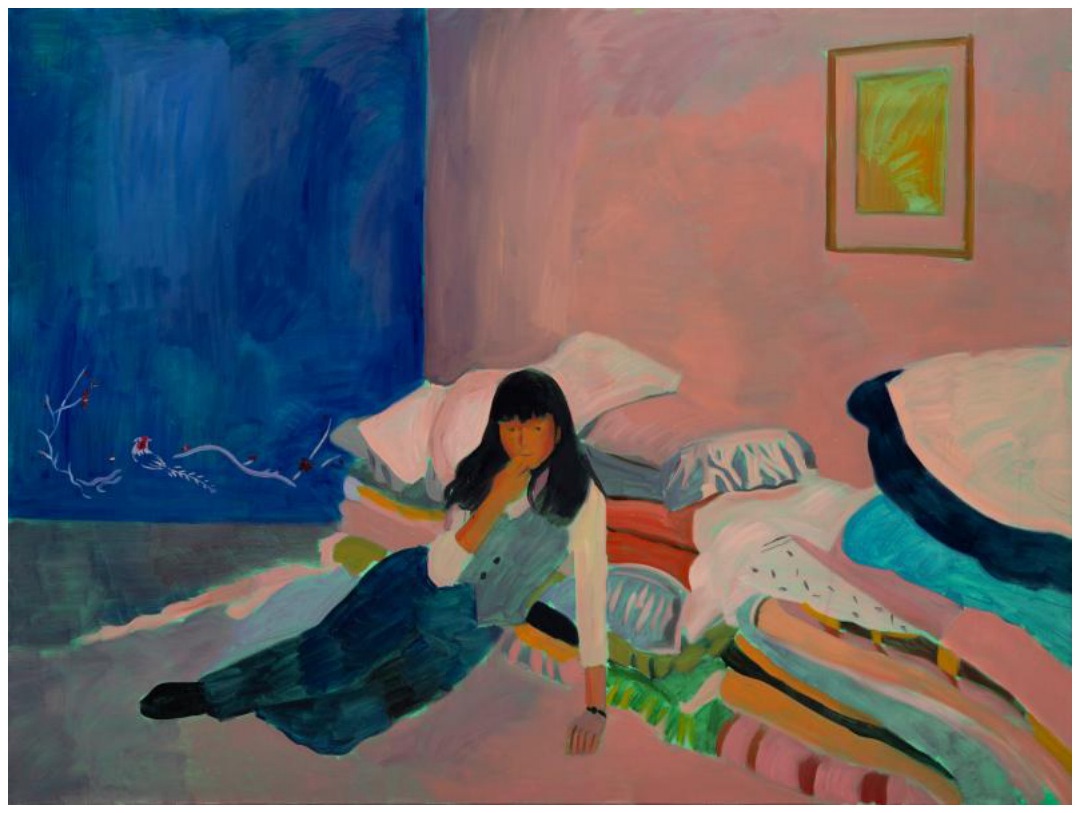
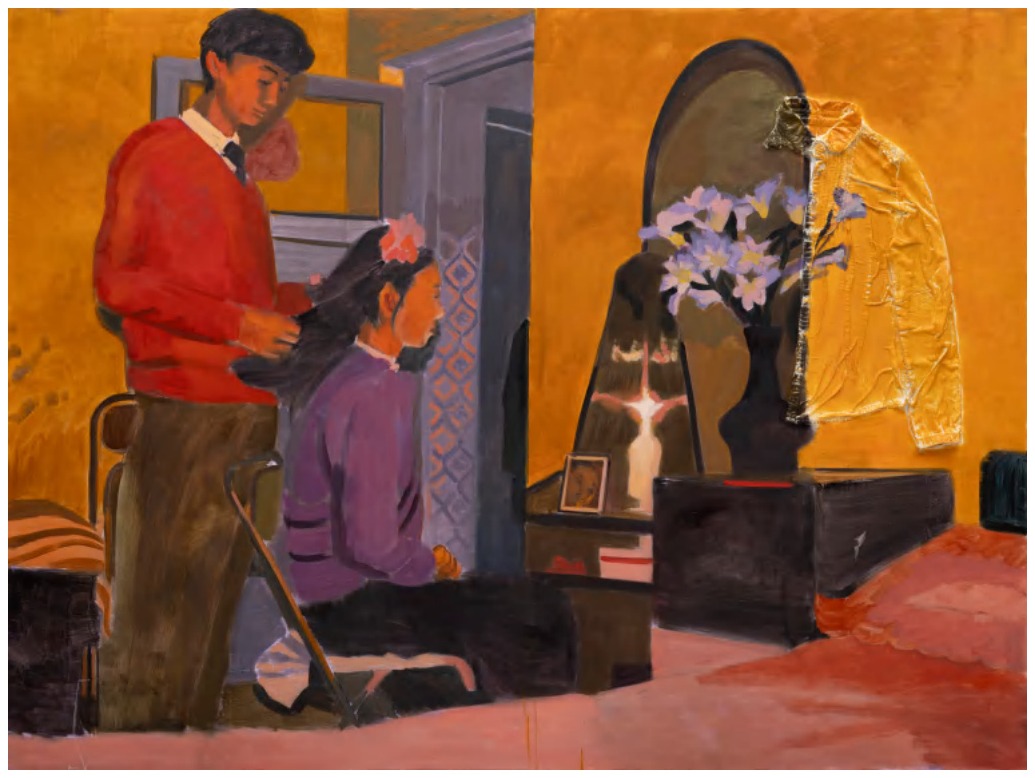
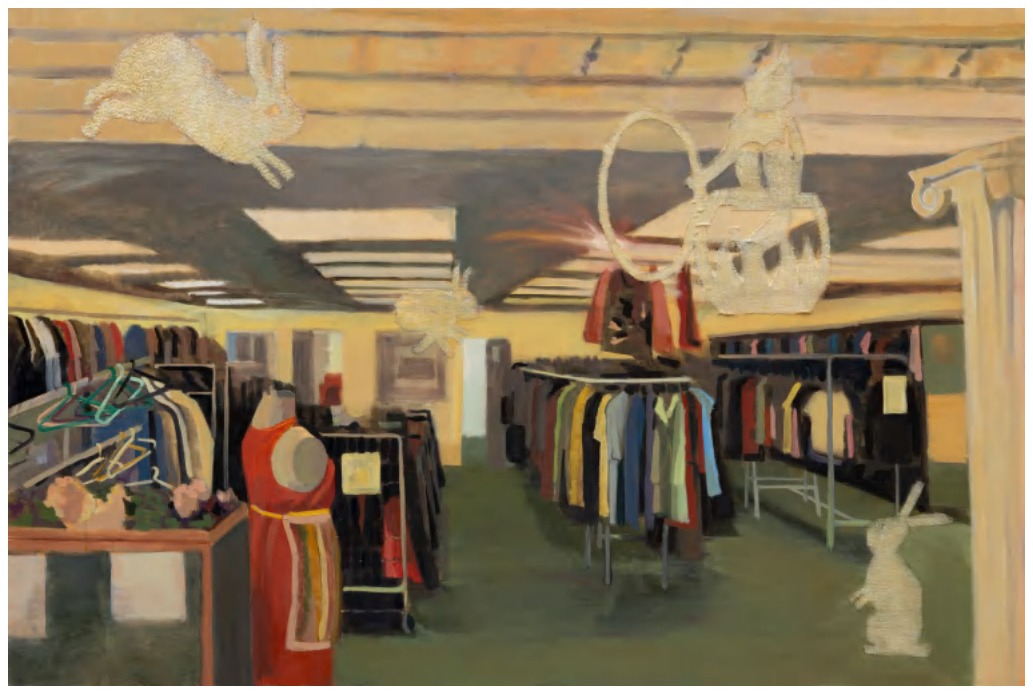
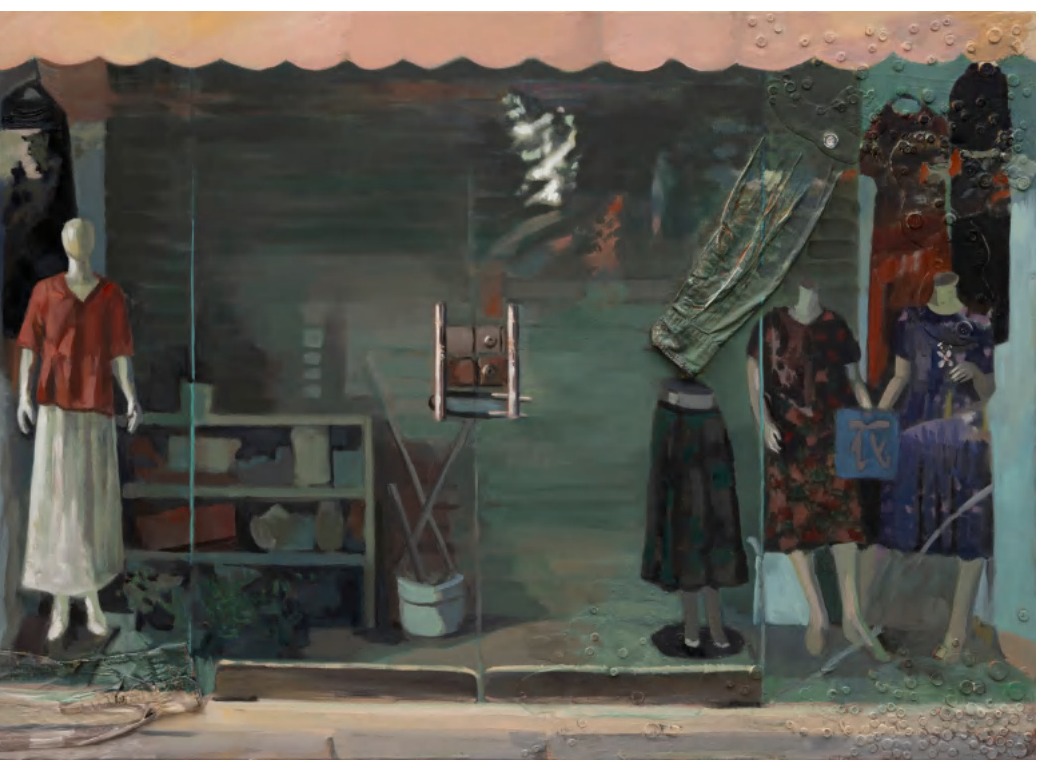
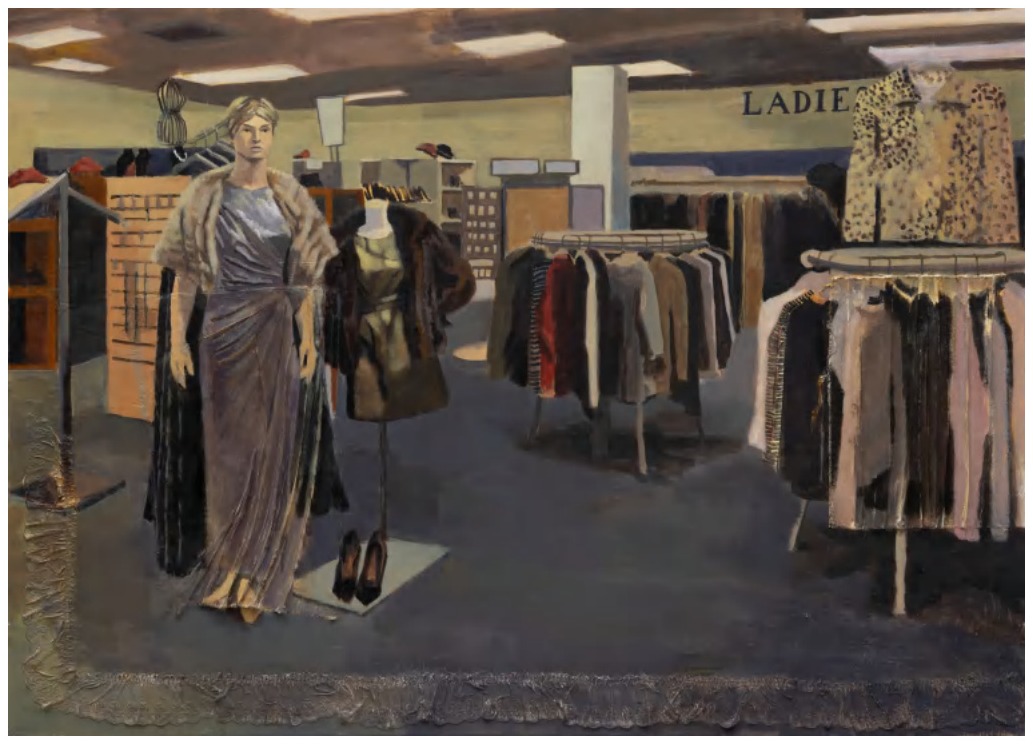
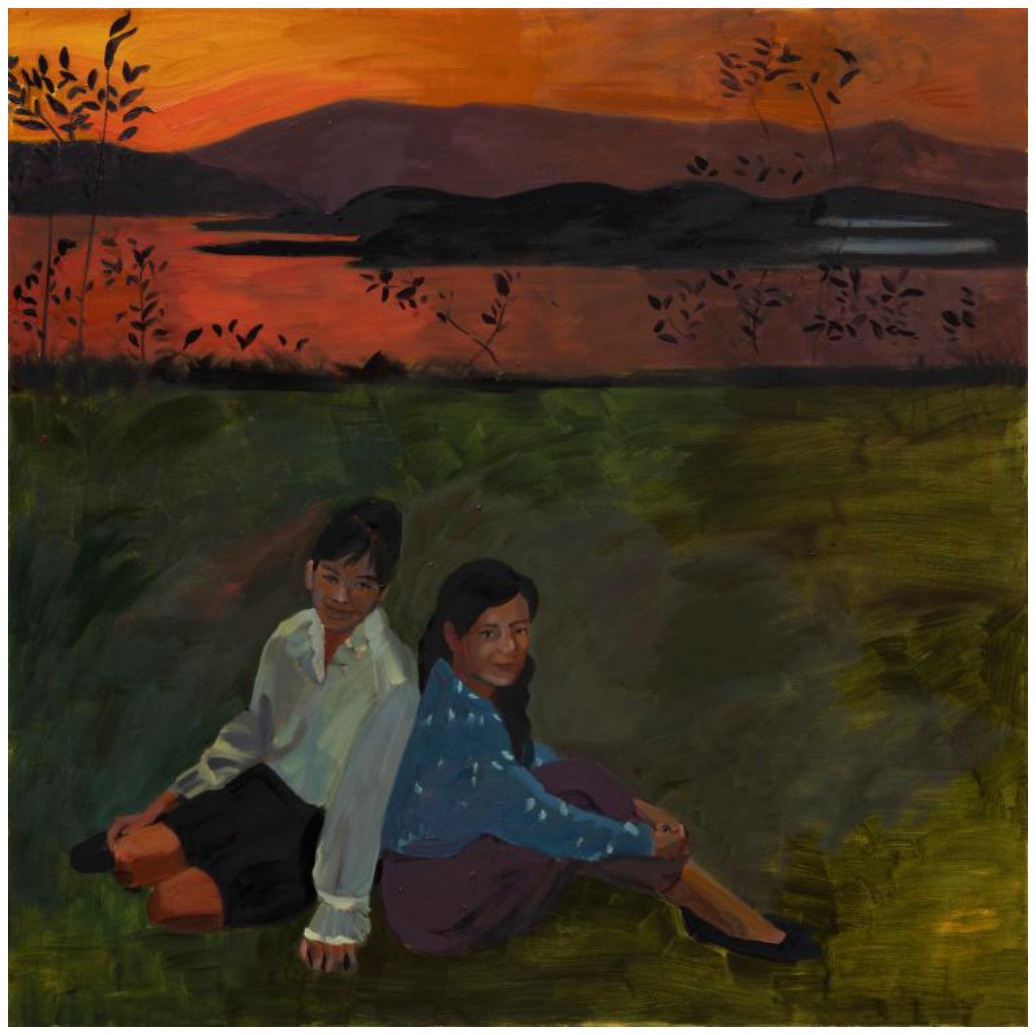
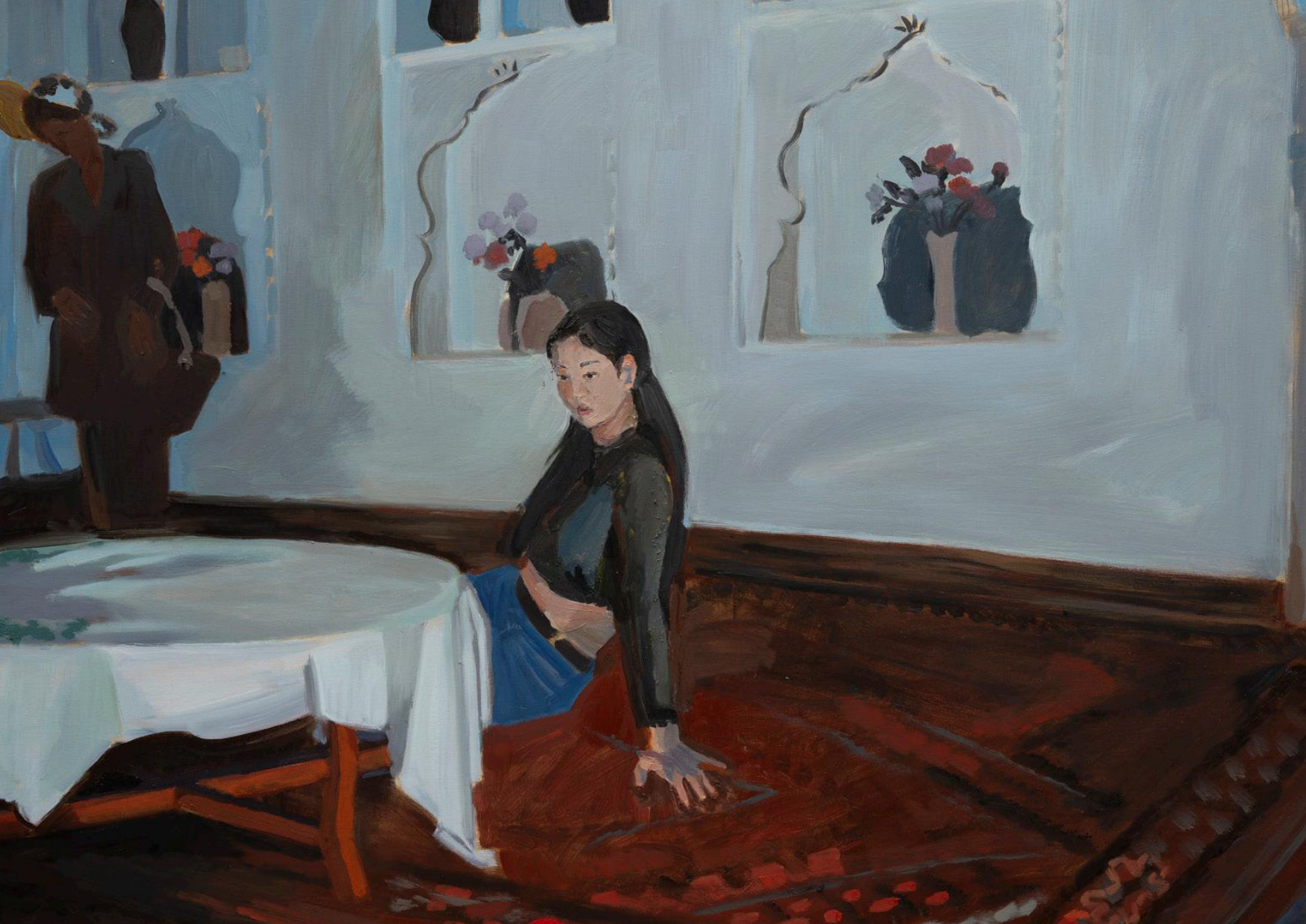
弥金画廊即将推出双人展“低语地”,联合艺术家高晓依与栾天明共同呈现,展期自2025 年11 月5 日至2026 年1 月4 日。《低语地》并非单纯的视觉空间,而是一处听觉意识的画面场域。色彩、笔触与光影的共振构成可感知的“视觉声景”,使观看超越纯粹的视域,成为多感官聆听。绘画在此化为“无声的声学装置”,不以叙事为目的,而是脱离时间、地点与中心的限制,以不确定的节奏展开,形成持续的低语:色彩层次如基调声,隐约而恒定地塑造氛围;笔触与留白如节奏般,指向情绪的起伏;符号与人物则承载着时间与记忆的印记,留下意识的余音。在这片低语的场域中,高晓依的作品以“似说非说”的姿态,使情感游移于记忆与潜意识的边缘,成为个体经验的回响。她笔下的女性形象既非明确的叙事主体,也非社会身份符号,而是感受的载体——我们无法知晓“她是谁”,也无法寻得确定意义。通过凝视现实的残影,高晓依试图捕捉个体经验中细微而隐秘的情绪——微微晃动的身姿、短暂凝滞的眼神、房间中流动的光影。在某个不知季节、不知时刻的暧昧瞬间,萦绕在画面中的是一种透明、内省、略带忧伤的氛围;在没有任何强烈叙事的静默中,无名情绪如幽微的呼吸般缓缓展开,化作低声自语。若高晓依的画面是“情绪的余音”,栾天明的则是“历史的回声”,将低语从心理层面推向文化语境,由个体描写延展至群体的历史感知。以神话、传说与象征为语汇,他既汲取西方艺术的形象逻辑,又延续东方视觉传统,将跨文化身份的张力化为图像的频谱。在其构建的模糊叙事体系中,幽灵般的人物与符号被刻意隐去源头,如同文化遗产的低语,唤起那些带有历史印记却无法被确证的事件,最终化作延迟的历史回声。虚构与纪实交织渗透,徘徊于熟悉与陌生之间,既是对“似历史性”叙事的重构,也是对档案再现边界的探问。高晓依与栾天明的作品,如不同频率的声波相遇——前者向内回旋,隐秘微妙;后者向外延展,广阔模糊。它们在展厅中交错回荡,汇聚成多维的复合声景——内敛而外化、私域而宏观——呈现出一种悬浮于过去与当下、存在与消逝之间的中间状态。
Gene Gallery is delighted to announce the dual solo exhibition "Whispering Grounds", featuring artists Gao Xiaoyi and Valentin Rilliet, which is on view from November 5, 2025, to January 4, 2026.
“Whispering Ground” is not merely a visual space, but a pictorial field of auditory consciousness. The resonance of color, brushwork, and light constructs a perceptible “visual soundscape,” where seeing transcends pure vision to become multisensory listening. In this context, painting transforms into a “silent acoustic device,” released from the narrative constraints of time, place, and center, unfolding in uncertain rhythms that generate continuous whispers. Layers of color emerge as tonal undercurrents, subtly and persistently shaping atmosphere; brushstrokes and blank spaces act as rhythmic intervals, tracing the undulation of emotion; symbols and figures carry the imprints of time and memory, leaving behind the lingering echoes of consciousness. Within this whispering field, Gao Xiaoyi’s works inhabit a state of “speaking yet with a low volume,” allowing emotion to drift along the thresholds of memory and the subconsciousness, becoming the reverberation of personal experience. The female figures are neither defined narrative subjects nor social signifiers, but vessels of sensation—we cannot know “who she is,” nor can we locate any certain meaning she carries. By gazing upon the residual shadows of reality, Gao seeks to capture the subtle and elusive emotions embedded within individual experience—the faint sway of a body, the brief stillness of a gaze, the flowing light within a quiet room. In an indeterminate instant, unanchored by season or time, a translucent, introspective, and faintly melancholic atmosphere lingers across Gao’s painting. Within this silence devoid of narrative force, nameless emotions unfold like quiet breaths, dissolving into murmured soliloquies. If Gao’s paintings embody “the aftertone of emotion,” then Valentin Rilliet’s works resound as “the echo of history,” shifting whispers from the psychological to the cultural dimension, from personal introspection to collective historical perception. Drawing upon mythology, tale, and symbolism, Rilliet intertwines the image logic of Western art with the visual traditions of the East, transforming the tension of bicultural identity into a spectrum of imagery. Within his deliberately ambiguous narrative structures, ghostly figures and symbols are detached from origin; like the whispers of cultural inheritance, they evoke events marked by history yet resistant to verification, ultimately manifesting as delayed historical echoes. Fiction and documentation intertwine, oscillating between the familiar and the unfamiliar. Rilliet’s work reconstructs a “quasi-historical” narrative while examining the boundaries of archival representation. The works of Gao Xiaoyi and Valentin Rilliet converge like sound waves of differing frequencies—Gao’s turning inward, subtle and intimate; Rilliet’s expanding outward, vast and indistinct. Within the exhibition space, their paintings’ echoes intersect and resonate, forming a multidimensional, composite soundscape—both introverted and extroverted, private yet panoramic—revealing a suspended state that hovers between past and present, presence and disappearance.
参展艺术家Artists
作品