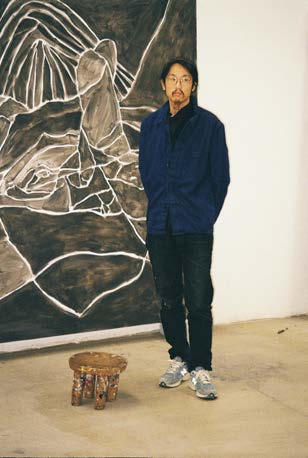
张季
简介Biography
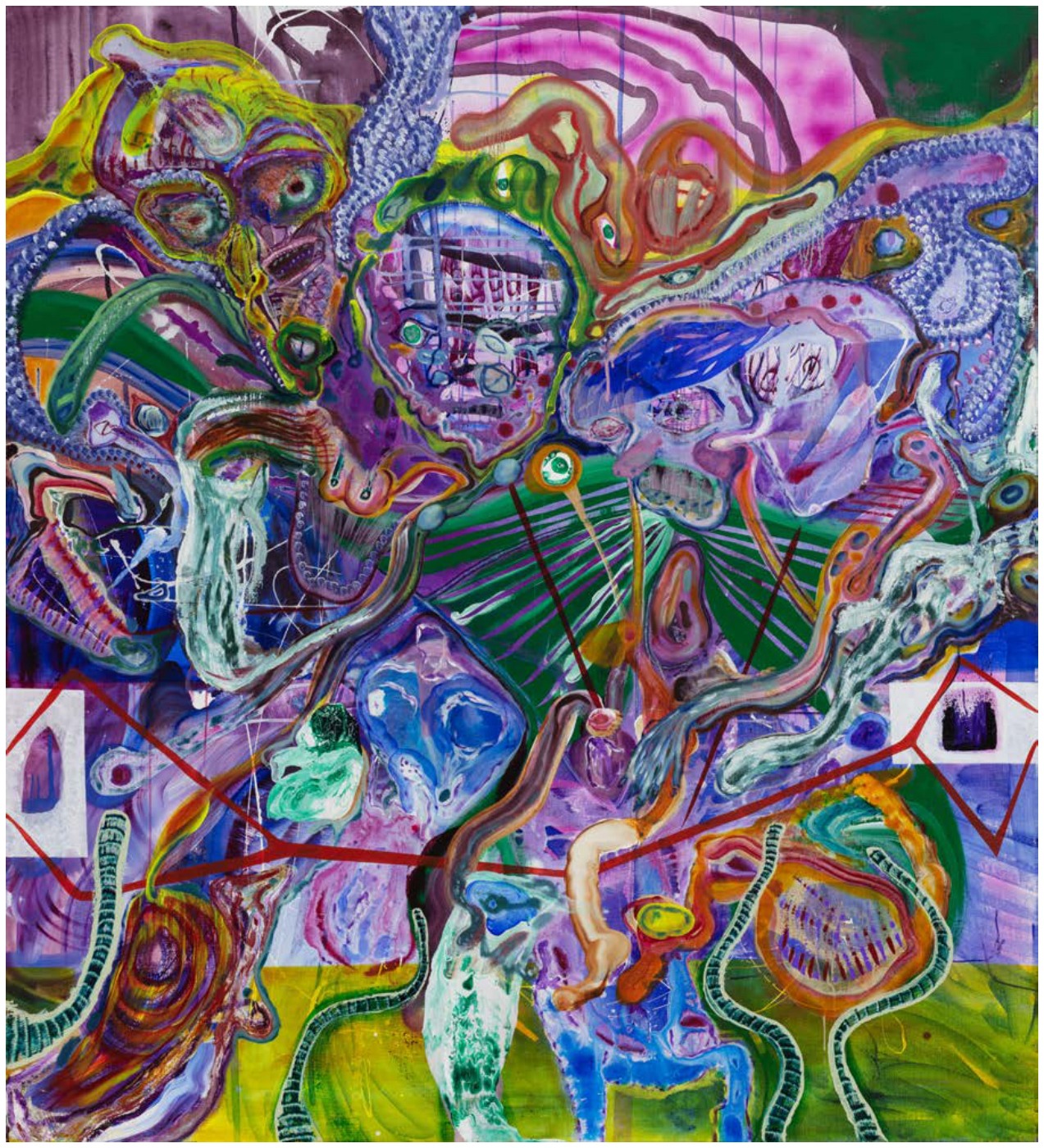
张季(Zhang Ji),1993年出生,2017年毕业于芝加哥艺术学院,目前研究生就读于马里兰艺术学院。在张季的绘画中,绘画总是关于其动作本身。他绘画过程中的每一个当下决定的目的不是为了承接已有内容,而是为了颠覆已有的画面,从而创造新的可能。例如,线条之间交叉所形成的对画面连贯性的破坏,以及对画布的重新分解、撕开甚至水洗——每一个尝试都是关于极具危险的不可逆性试探。在这种破坏中,产生新的更加复杂的瞬间。张季曾自述:“口诀每被念诵一遍;情绪就调动一次,意念就完成一次转轮,刻留在时空不会消烬;身皮上的洞口也随之一呼一吸,不停不熄的运动着如潮汐般温暖,皮囊下的暗涌唱诵着生命本身的旋律。”
1993 Born in Beijing, China 2013 School of Art Institute of Chicago, BFA Advance Painting 2018 Maryland Institute College of Art, MFA
代表作Selected Works
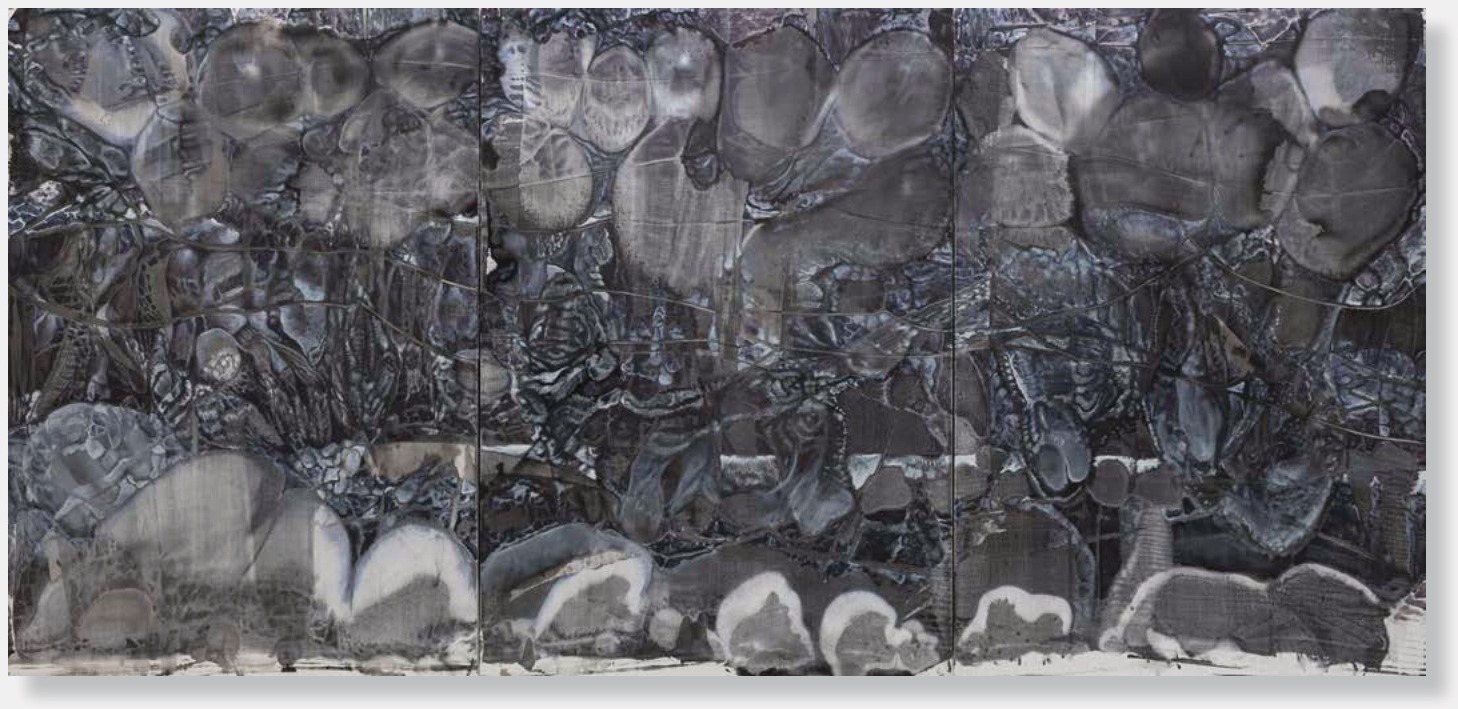
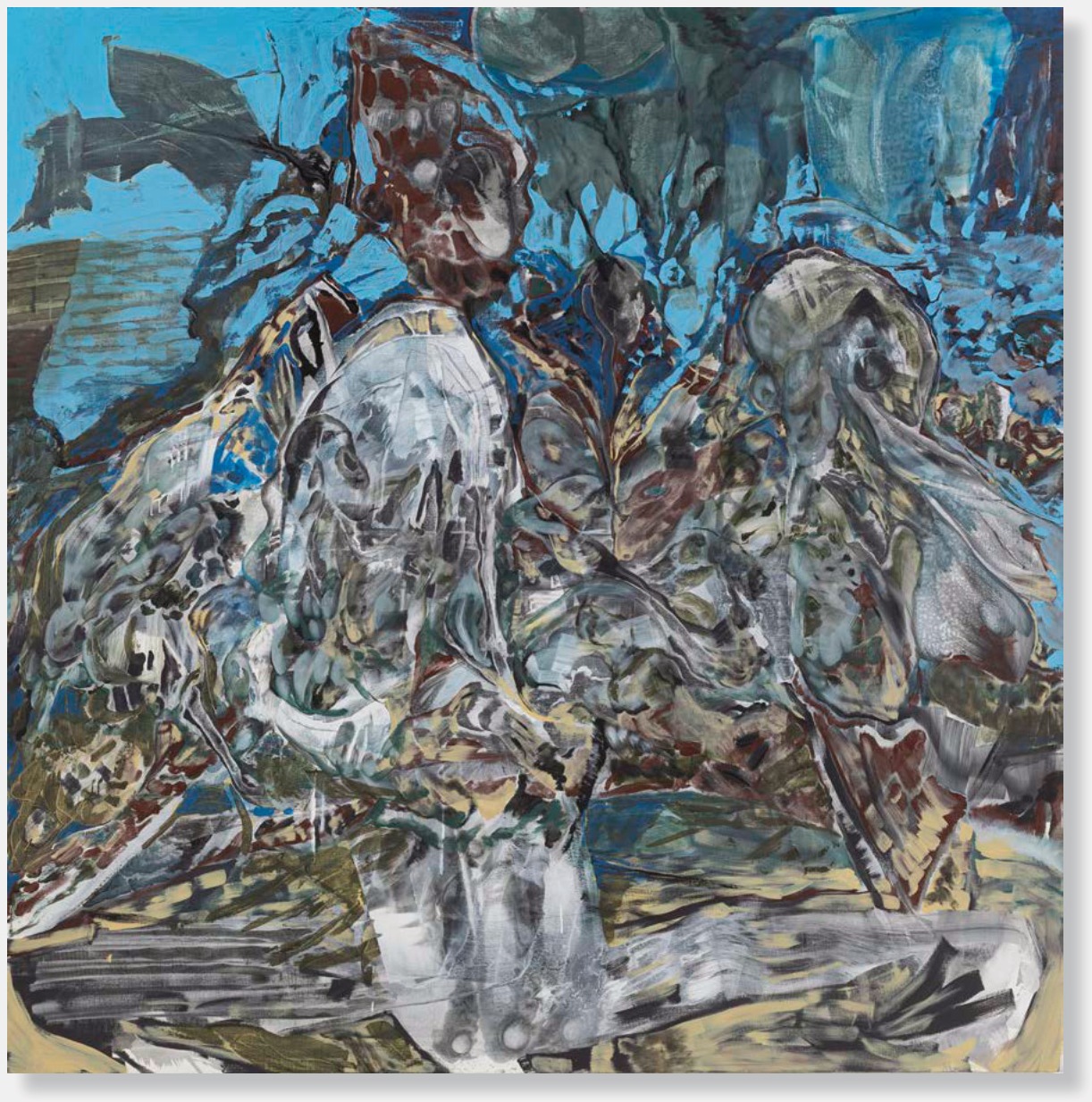
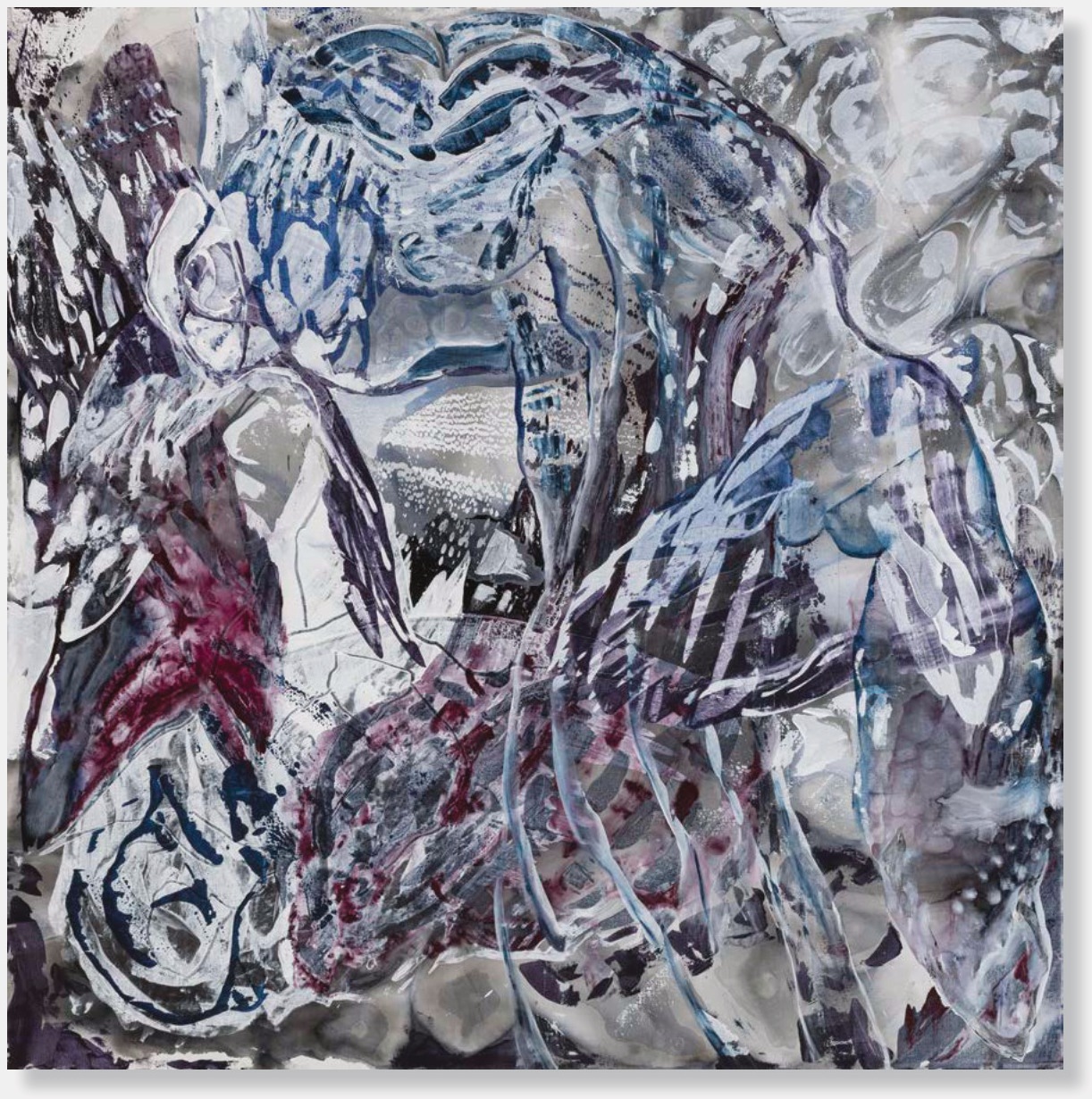
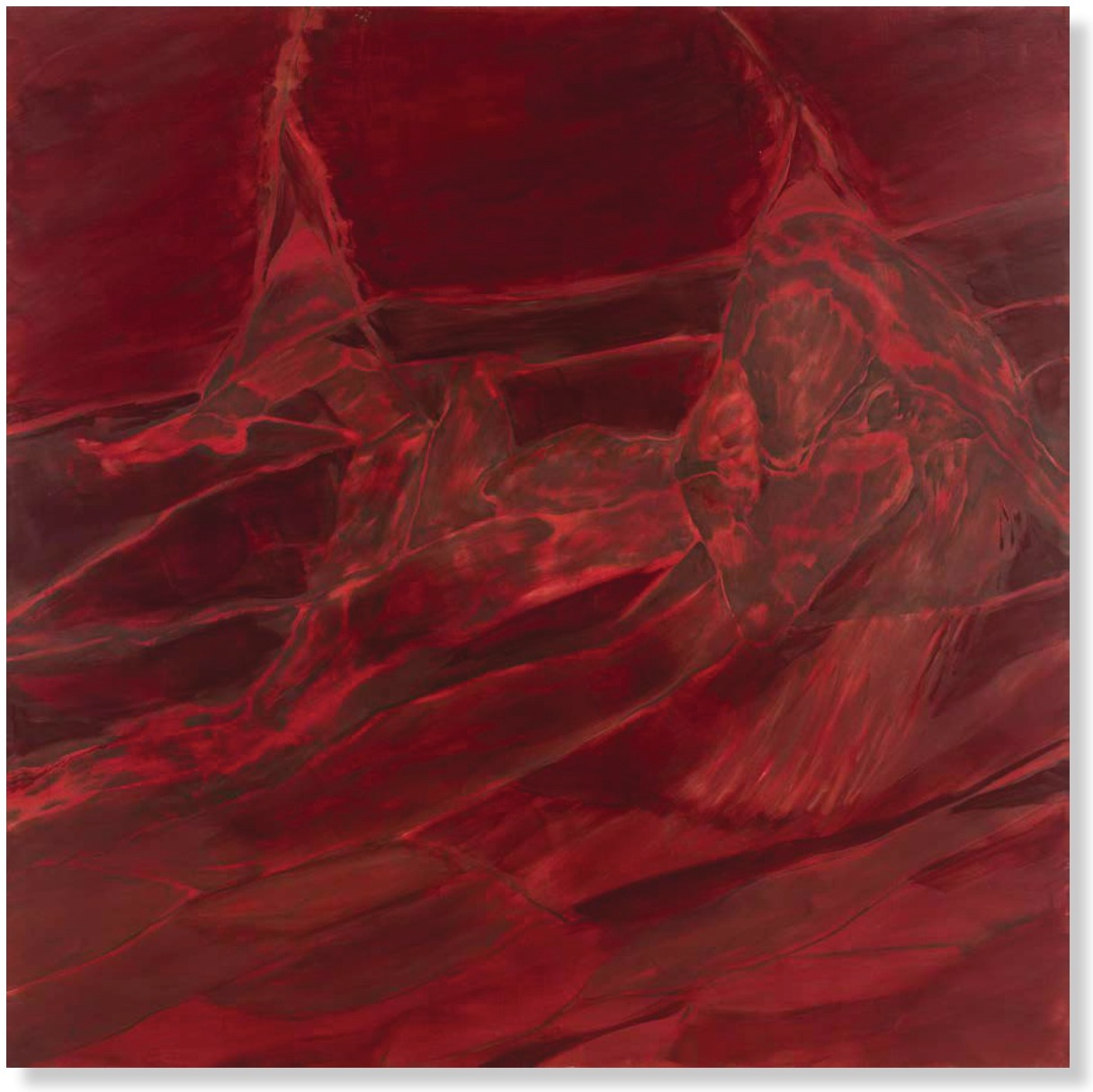
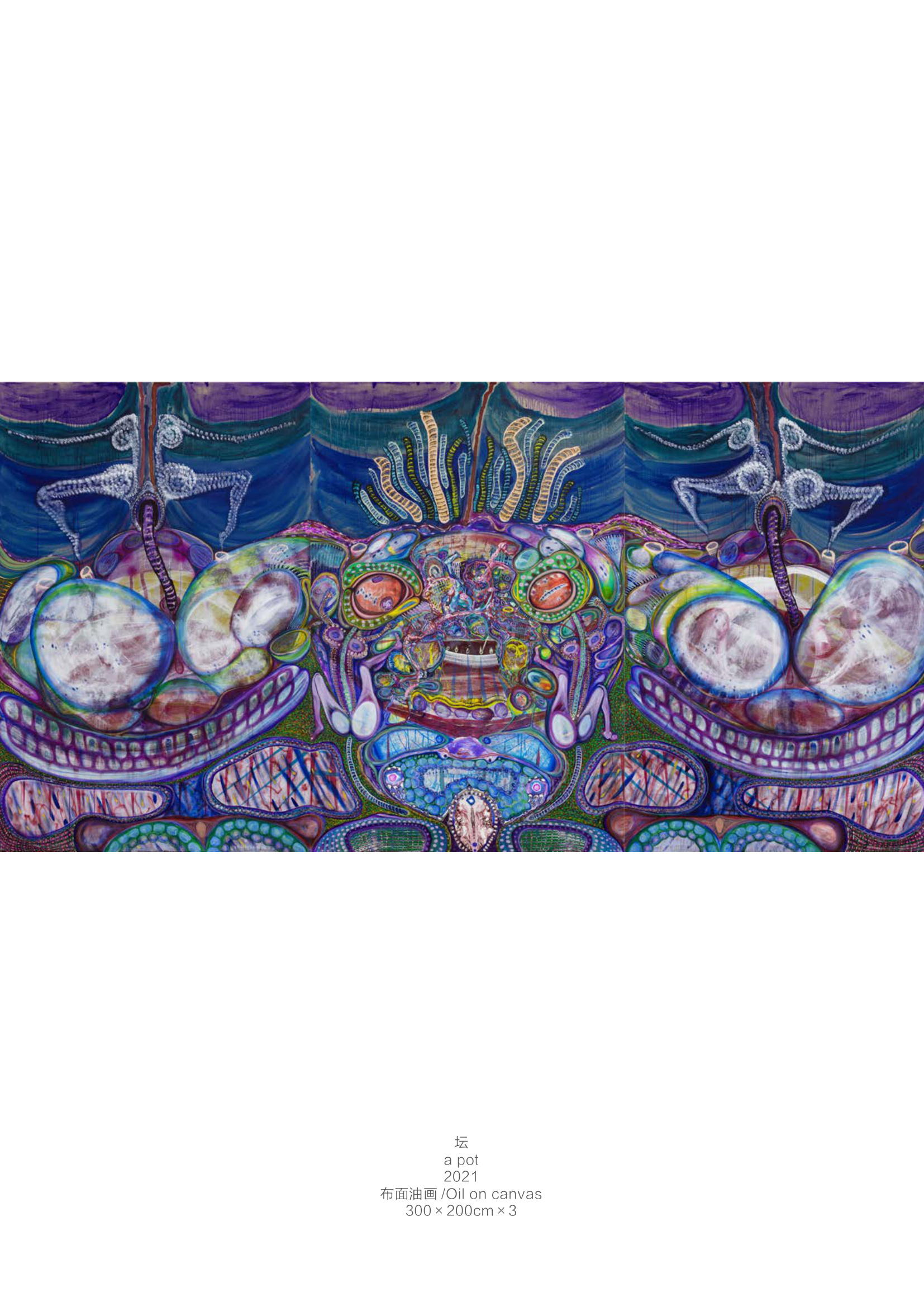
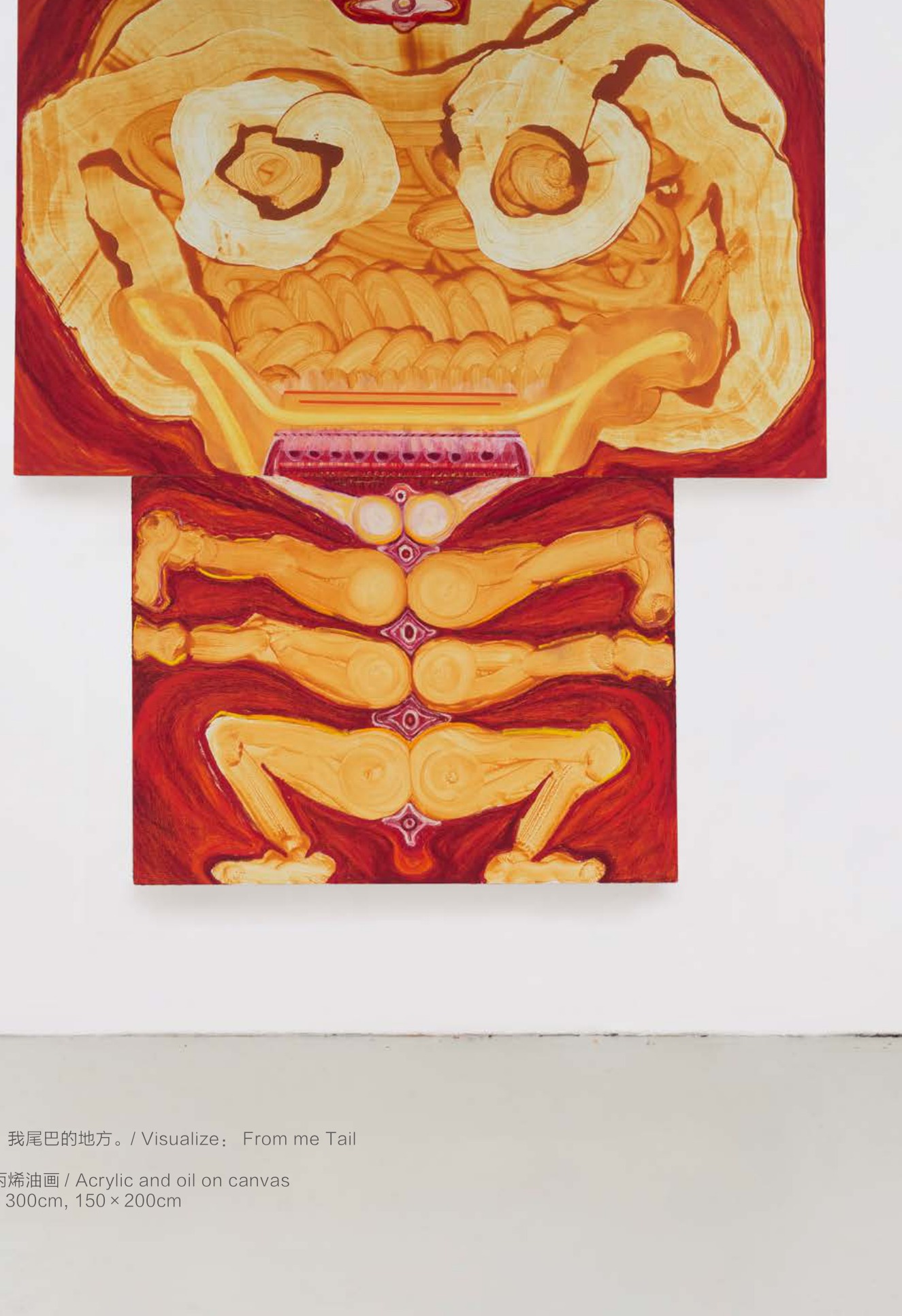
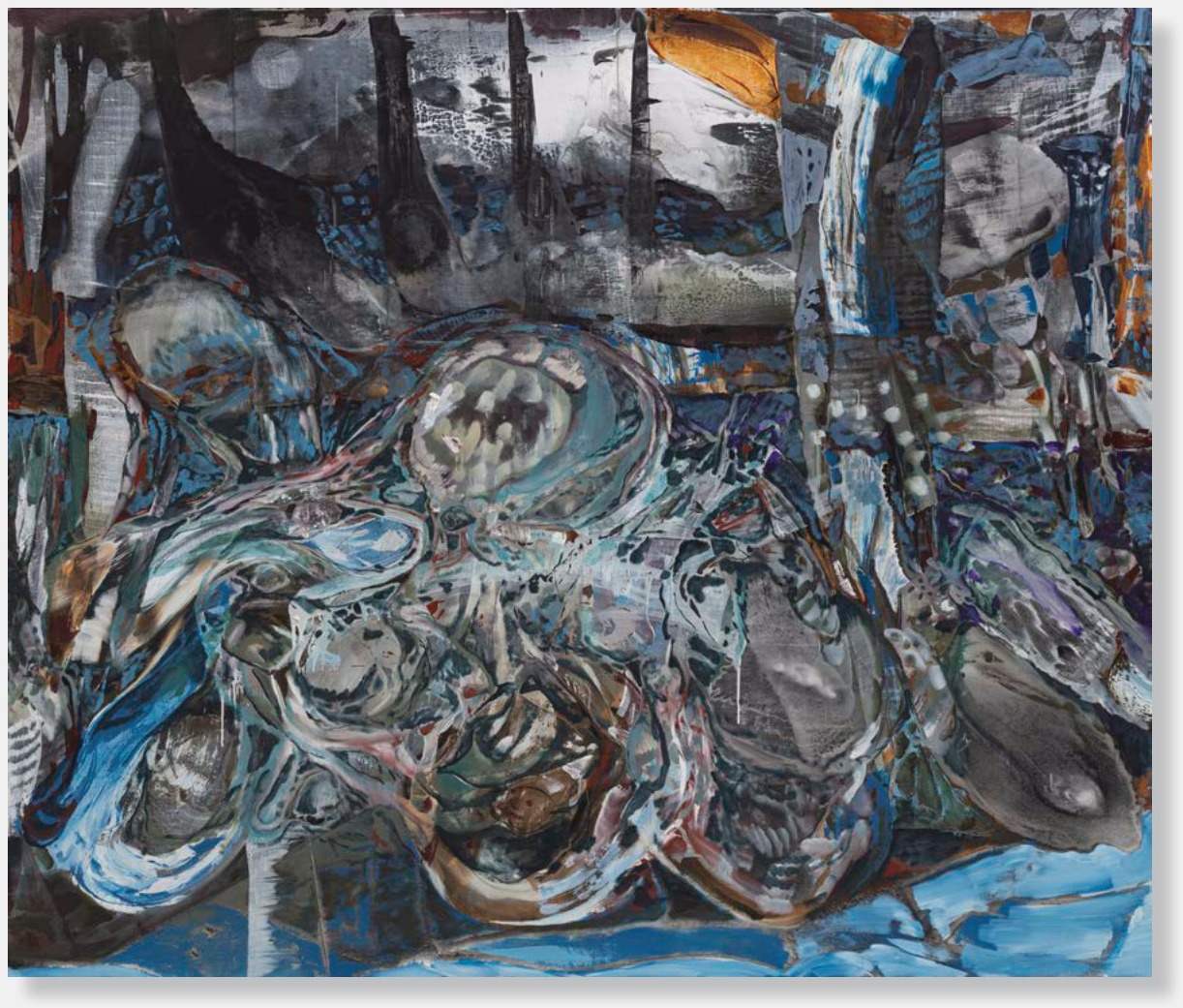
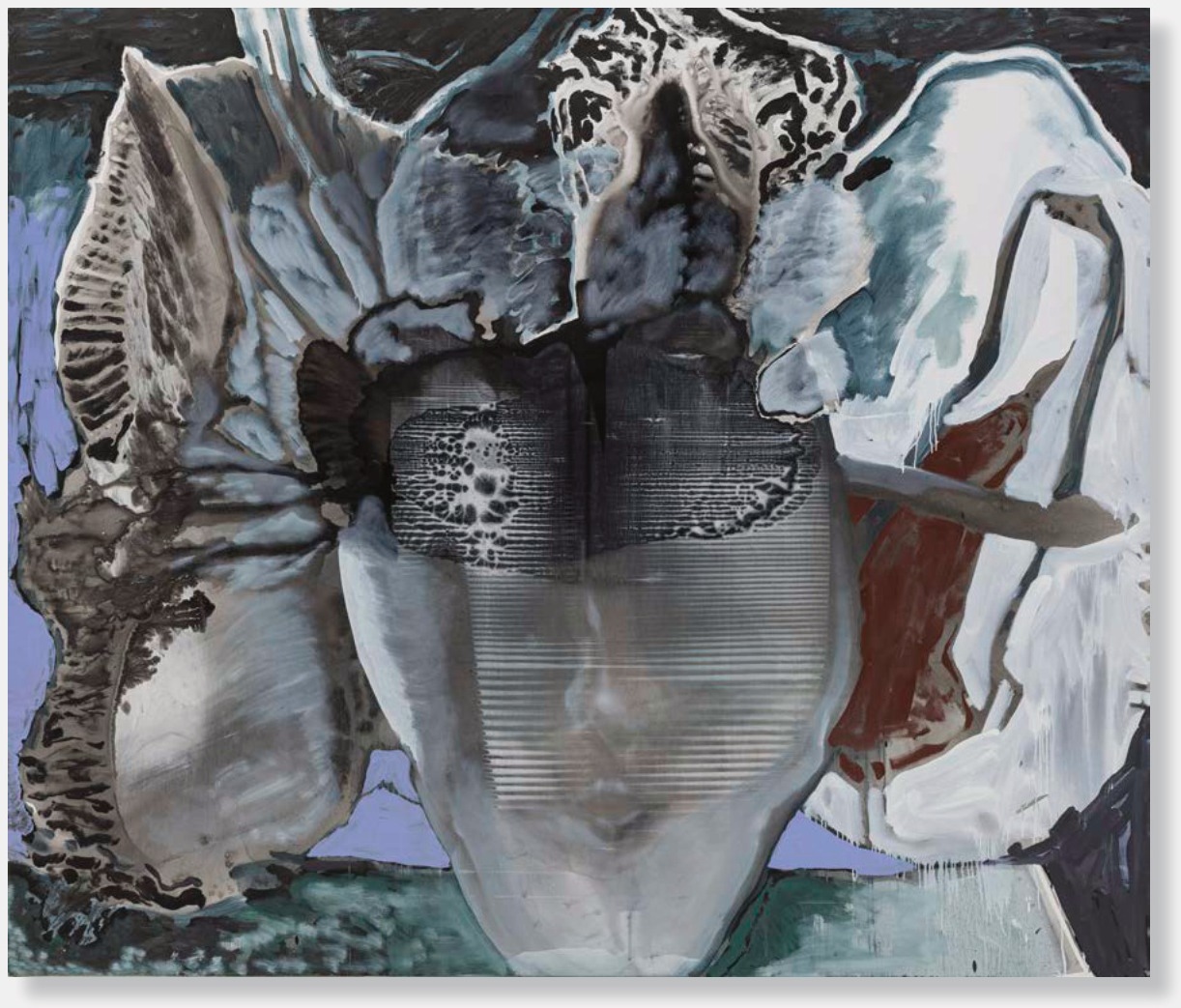
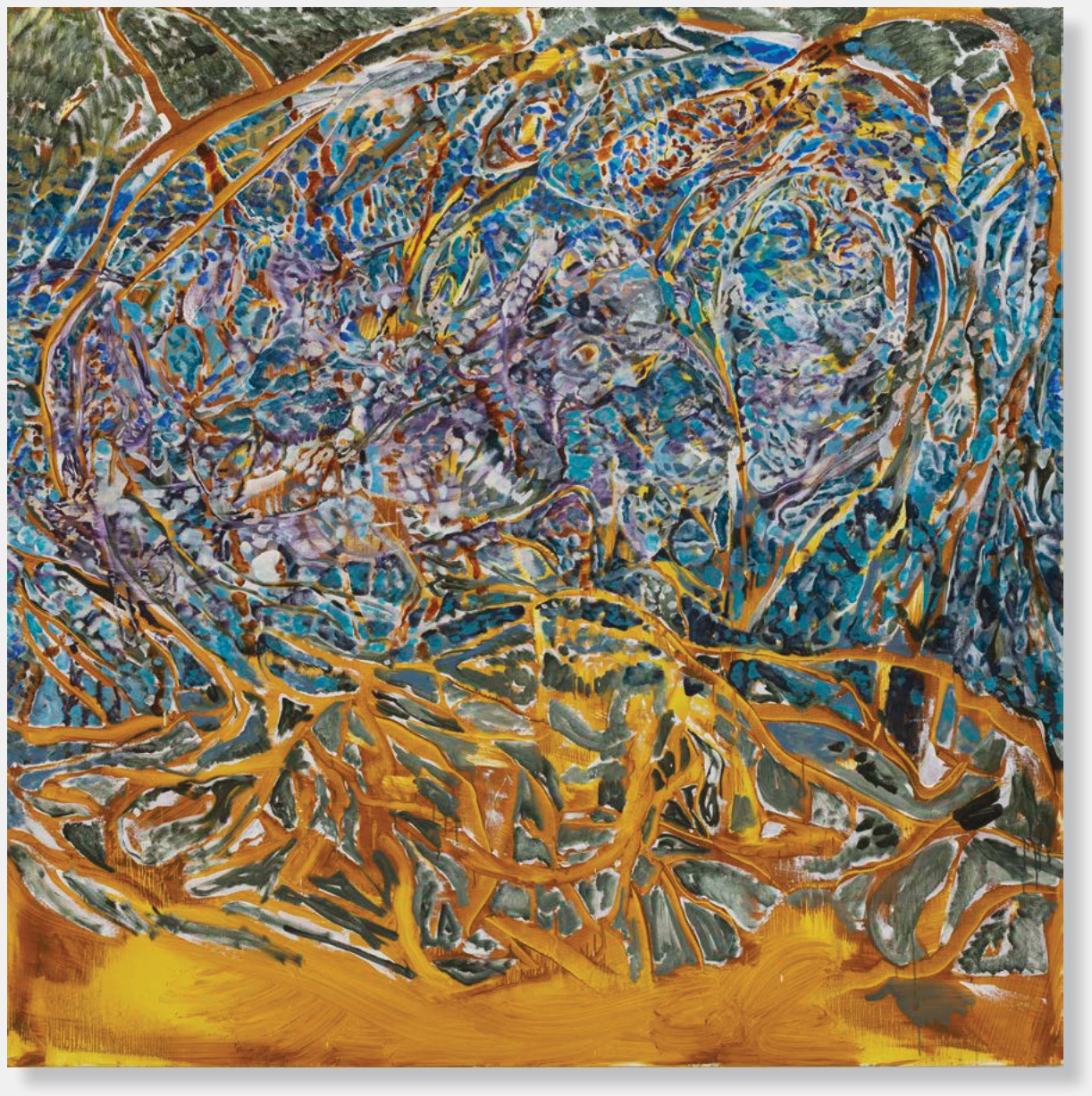
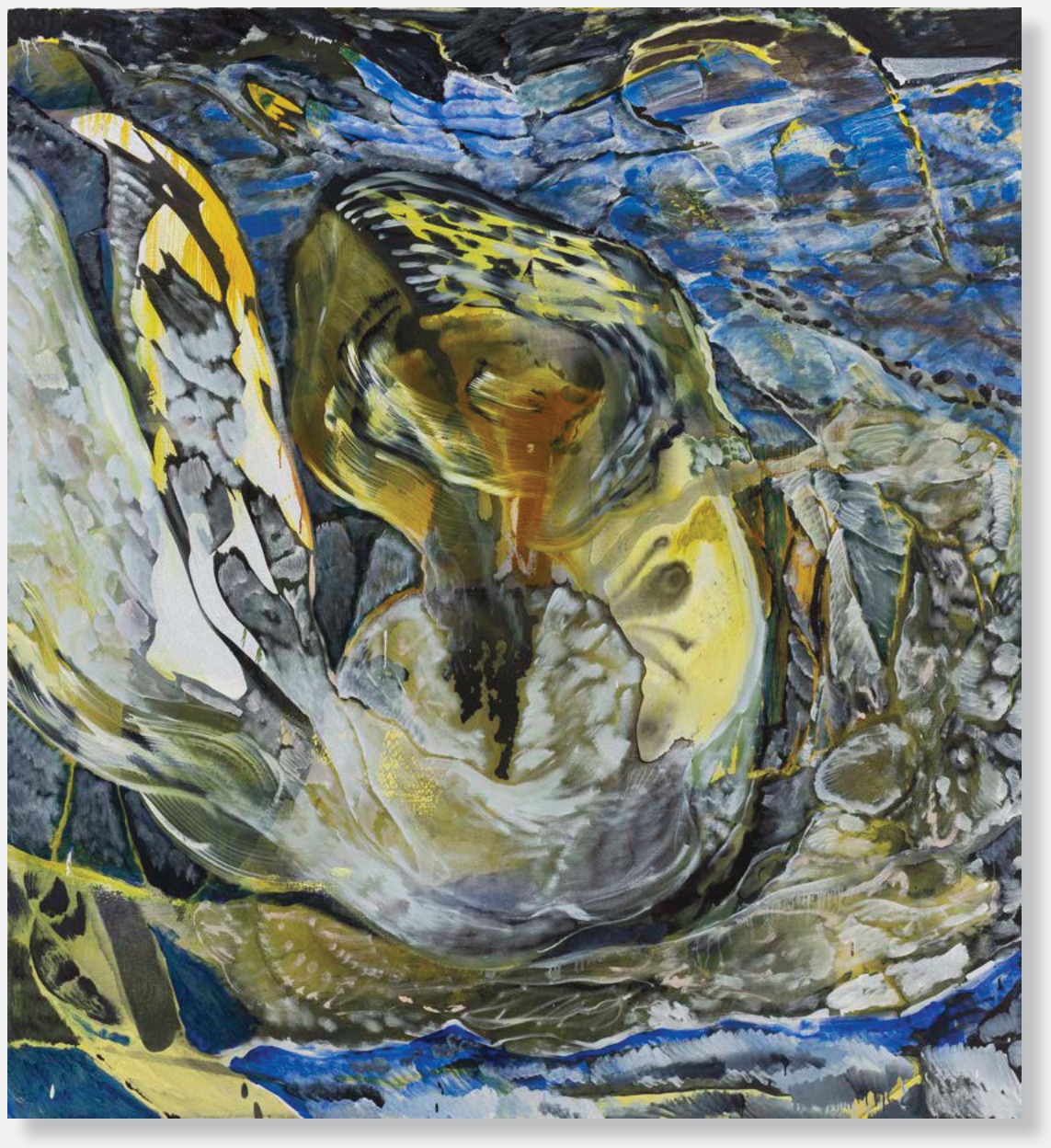
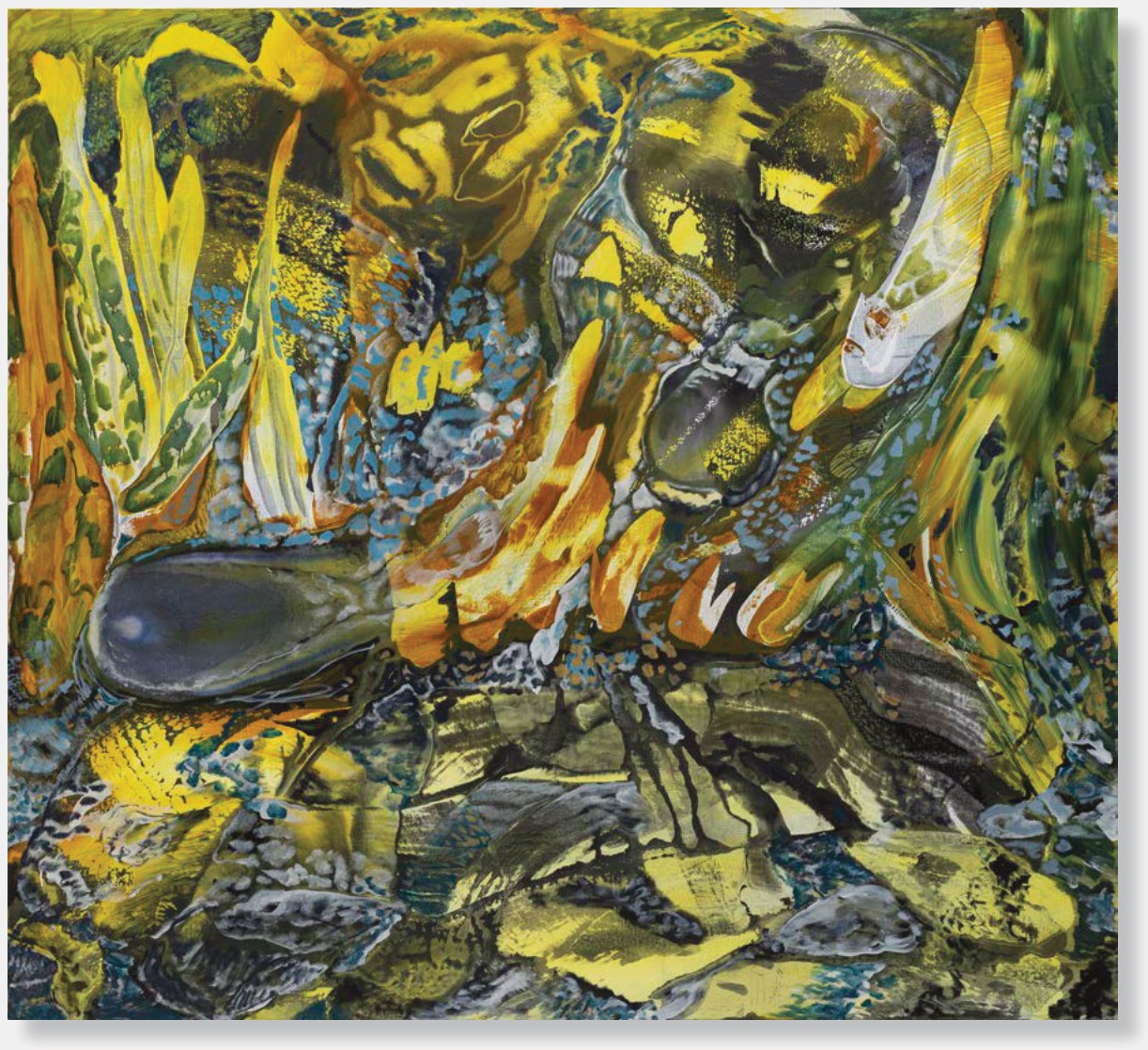
展览履历Exhibitions
- 2026人参蜂巢 | 北京 北京市朝阳区酒仙桥路4号798艺术区E06 · 蜂巢当代艺术中心
- 2026轻狂欢:蜂巢·生成 · 甬道蜂巢 | 北京 总部 · 蜂巢当代艺术中心
- 2024舍蜂巢 | 上海 · 蜂巢当代艺术中心
- 2022诉诸内心的无限 群展蜂巢当代艺术中心
- 2022断裂的一代 群展松美术馆
- 2022口 Dakini 个展The Shophouse
- 2022Vanguard 群展Unit London
- 2021蹈西岸艺术与设计博览会|上海 · 蜂巢当代艺术中心
- 2021蹈 Bardo 个展西岸艺术与设计博览会
- 2021绘画沙龙 群展阿尔敏莱希
- 2021当且仅当,狂风卷起巨浪 群展阿那亚艺术中心
- 2021I & the ME 群展The Shop House
- 2020糖蜂巢当代艺术中心|北京 · 蜂巢当代艺术中心
- 2019出神一瞥,永不落幕的夏天蜂巢当代艺术中心
- 2016舍:张季 个展蜂巢当代艺术中心
艺见洞察ArtMatters Insights
代表作与创作Selected Works & Style
根据平台艺术家档案及展览文章资料,张季(Zhang Ji,1993年生于北京)的代表作与创作特点如下:
**代表作(据平台档案)**
- 《观想:我尾巴的地方。》(2020)
- 《坛》(2021)
- 《舞池中我们被抓在一起,可能还有机会。》(2021)
- 2024年系列作品,如《基因锁》《牲俑(宫)》《牲俑(舍)》《螺鸟》《螺肉》《脔塘》《欲香走避》《蛇结章鱼锁》《脸皮静物与(螺蛇蝠)》等。
**常用媒介与题材**
布面油画、丙烯、综合材料、纸上作品。题材多围绕身体、情感、生命、梦境与抽象主题,风格兼具实验性、表现性具象与意象抽象。
**创作特点**
1. **围绕“绘画动作本身”**:张季的创作强调过程中的即时决定,目的不是承接已有内容,而是颠覆既有画面、制造新的可能。线条交叉、分解、撕开、水洗等不可逆操作,使画面在破坏中产生更复杂的瞬间。
2. **生长性与自然潜能**:他释放材料与媒介的物质本能,用身体、心理和情绪介入画面生长,徘徊在可控与不可控的边缘。
3. **个人化视觉系统**:他不断寻求对个人绘画经验和绘画史经验的“丧失感”,将绘画欲望投射到自造的新生事物上,形成带有隔绝感、自洽的个人视觉领域。
4. **身体与形象的拼接**:画面中常出现身体局部或器官的蒙太奇式拼接,形成可被识别又模棱两可的生物形象;欢快、激烈的画面情绪与器官携带的生理/社会含义之间形成反差和张力。
**主要个展(据档案)**
“糖”(2020,蜂巢北京)、“蹈”(2021,西岸艺博会)、“舍”(2024,蜂巢上海)、“人参”(2026,蜂巢北京)等。
**Zhang Ji (b. 1993)** is an experimental painter whose work sits between expressive figuration and abstraction, mainly in oil and acrylic on canvas, often with mixed-media interventions. According to the artist profile, his practice is centered on the act of painting itself: each present decision aims not to continue the existing image but to overturn it and open new possibilities. He disrupts pictorial coherence through crossing lines, tears and recomposes the canvas, and even washes it, treating these gestures as risky, irreversible tests. Out of that destruction, more complex momentary states emerge.
His recurring themes include the body, emotion, life, dream, and abstract form. In his own words, painting operates like a rhythmic, almost meditative bodily process: emotion is stirred, intention turns like a wheel, the openings on the body’s skin breathe with warm tidal movement, and the undercurrent beneath the skin sings the melody of life itself.
**Representative works** from the archive include:
- 《坛》/ *A Pot*, 2021, oil on canvas
- 《观想:我尾巴的地方。》/ *Contemplation: Where My Tail Is*, 2020, oil and acrylic on canvas
- 《舞池中我们被抓在一起,可能还有机会。》/ *We Are Caught Together on the Dance Floor, Maybe There Is Still a Chance*, 2021, oil on canvas
- 《基因锁》/ *Gene Lock*, 2024, oil and acrylic on canvas
- 《牲俑(宫)》/ *Sacrificial Figurine (Palace)*, 2024, oil and acrylic on canvas
- 《牲俑(舍)》/ *Sacrificial Figurine (Dwelling)*, 2024, oil on canvas
- 《螺鸟》/ *Spiral Bird*, 2024, acrylic on canvas
- 《蛇结章鱼锁》/ *Snake Knot Octopus Lock*, 2024, oil and acrylic on canvas
- 《脸皮静物与(螺蛇蝠)》/ *Still Life with Face Skin and (Spiral Snake Bat)*, 2024, oil and acrylic on canvas
- 《脔塘》/ *Flesh Pond*, 2024, oil on canvas
- 《螺肉》/ *Spiral Flesh*, 2024, oil and acrylic on canvas
- 《欲香走避》/ *Fleeing Desire’s Fragrance*, 2024, oil and acrylic on canvas
In exhibition contexts, works such as *Addictive Sight* (2019, oil and acrylic on canvas) and the large-format *A Pot* (2021, oil and acrylic on canvas, 300×200cm×3) are also presented as key pieces. Overall, Zhang Ji’s style is process-driven, bodily, and risk-oriented, using destruction and unpredictability as generative forces within painting.
展览与收藏Exhibitions & Collections
根据平台“结构化艺术家档案数据”中与张季(Zhang Ji,1993—)匹配的记录:
**展出机构**
张季的个展/项目曾在以下机构展出:
- **蜂巢当代艺术中心|北京**
- 2020年“糖”
- 2026年“人参”
- 2026年“轻狂欢:蜂巢·生成 · 甬道”(蜂巢北京总部)
- **蜂巢当代艺术中心|上海**
- 2024年“舍”
- **西岸艺术与设计博览会|上海**
- 2021年“蹈”
**收藏机构**
平台提供的结构化艺术家档案中暂未收录张季被哪些机构收藏的信息,因此这部分暂无资料可查。
According to the artist archive, Zhang Ji has exhibited at the following venues, all presented by Hive Center for Contemporary Art:
- **“糖” (Kundalini)**, Hive Center for Contemporary Art, Beijing, 2020
- **“蹈” (Bardo)**, West Bund Art & Design, Shanghai, 2021
- **“舍”**, Hive Shanghai, 2024
- **“人参”**, Hive Beijing, 798 Art District, 2026
- **“轻狂欢:蜂巢·生成 · 甬道”**, Hive Beijing headquarters, 2026
Regarding institutional collections: the provided artist archive does not include specific information about which institutions collect Zhang Ji’s work, so that part cannot be confirmed from the available source.