个人作品集·白日梦蓝
展览信息
前言Introduction
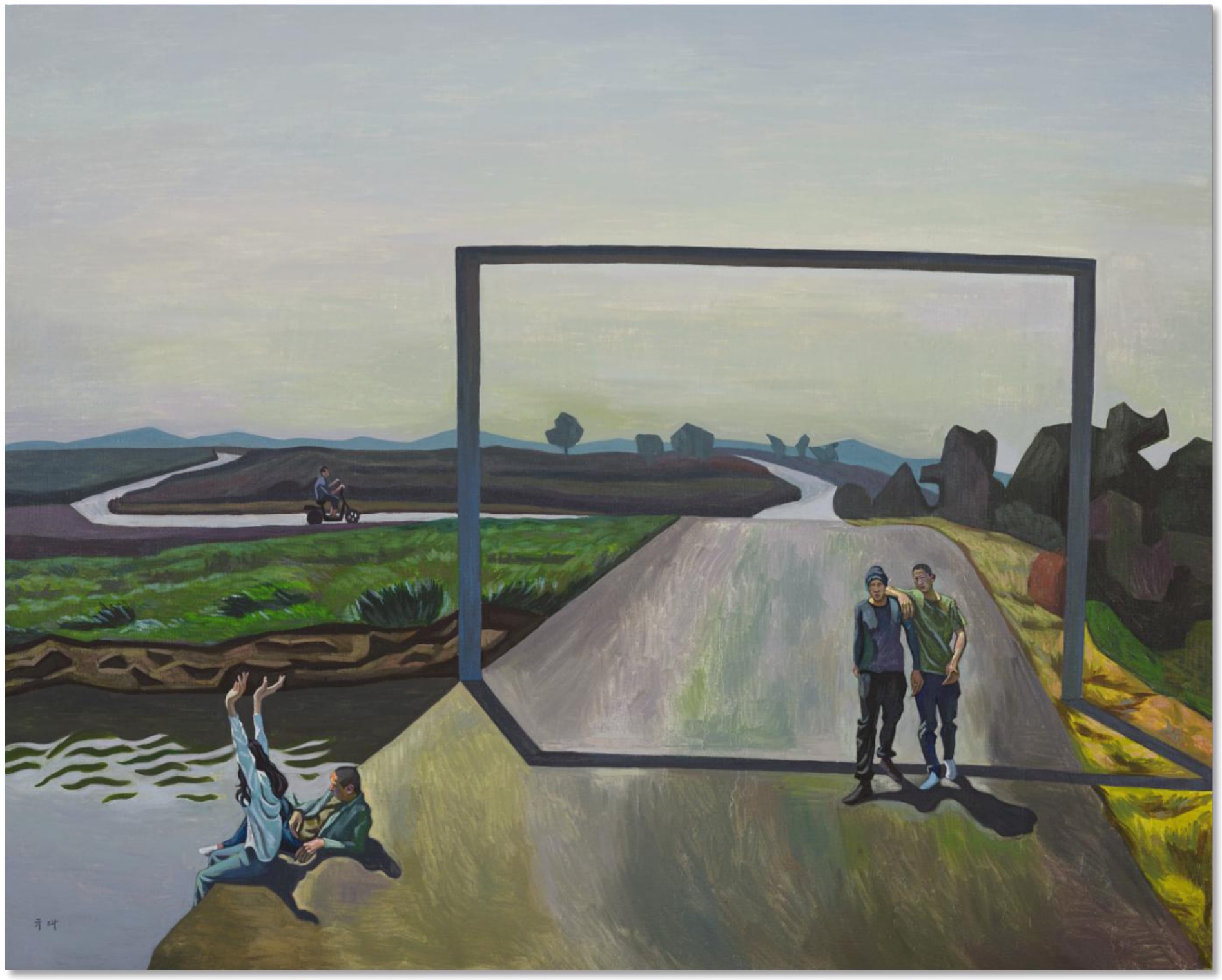
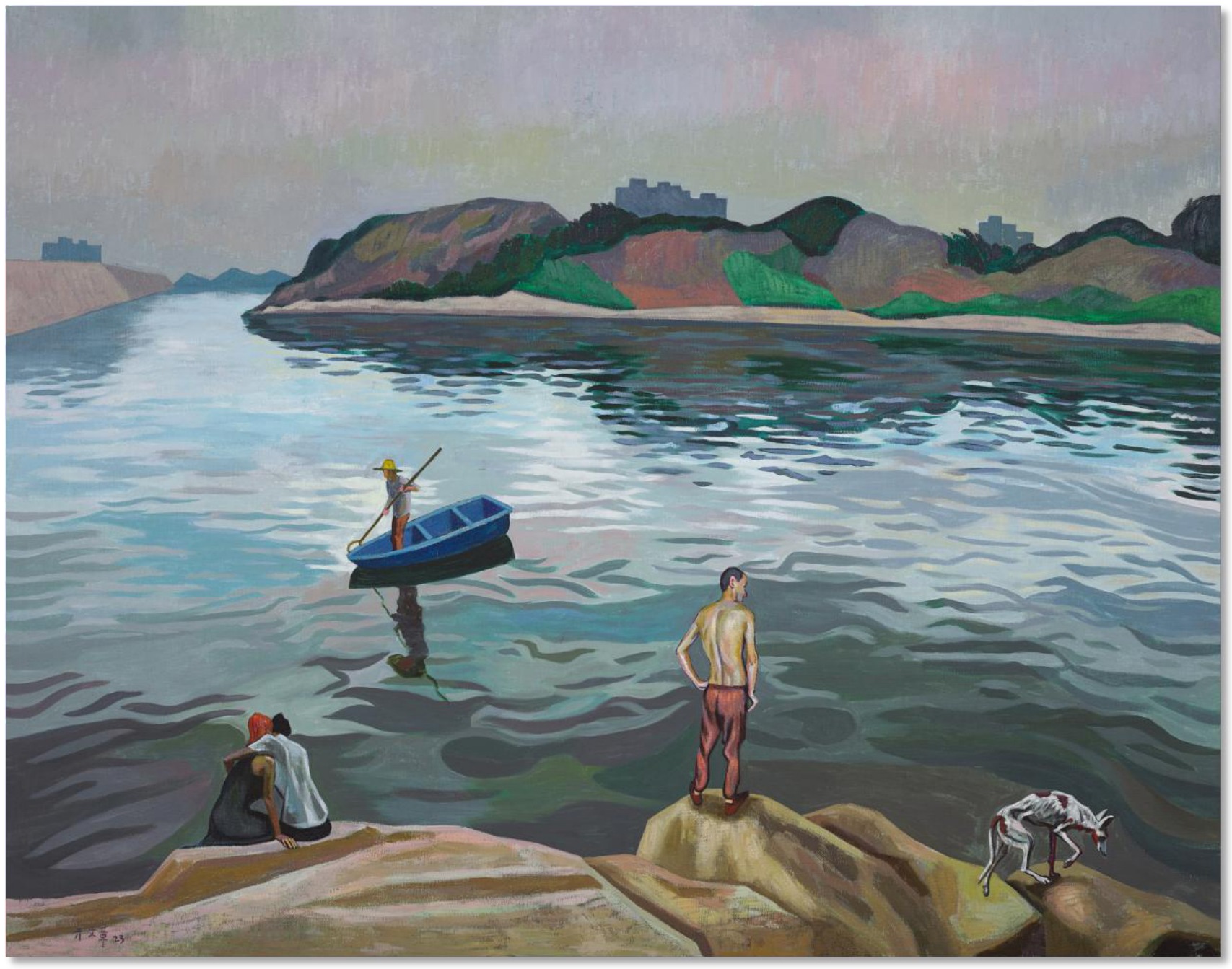
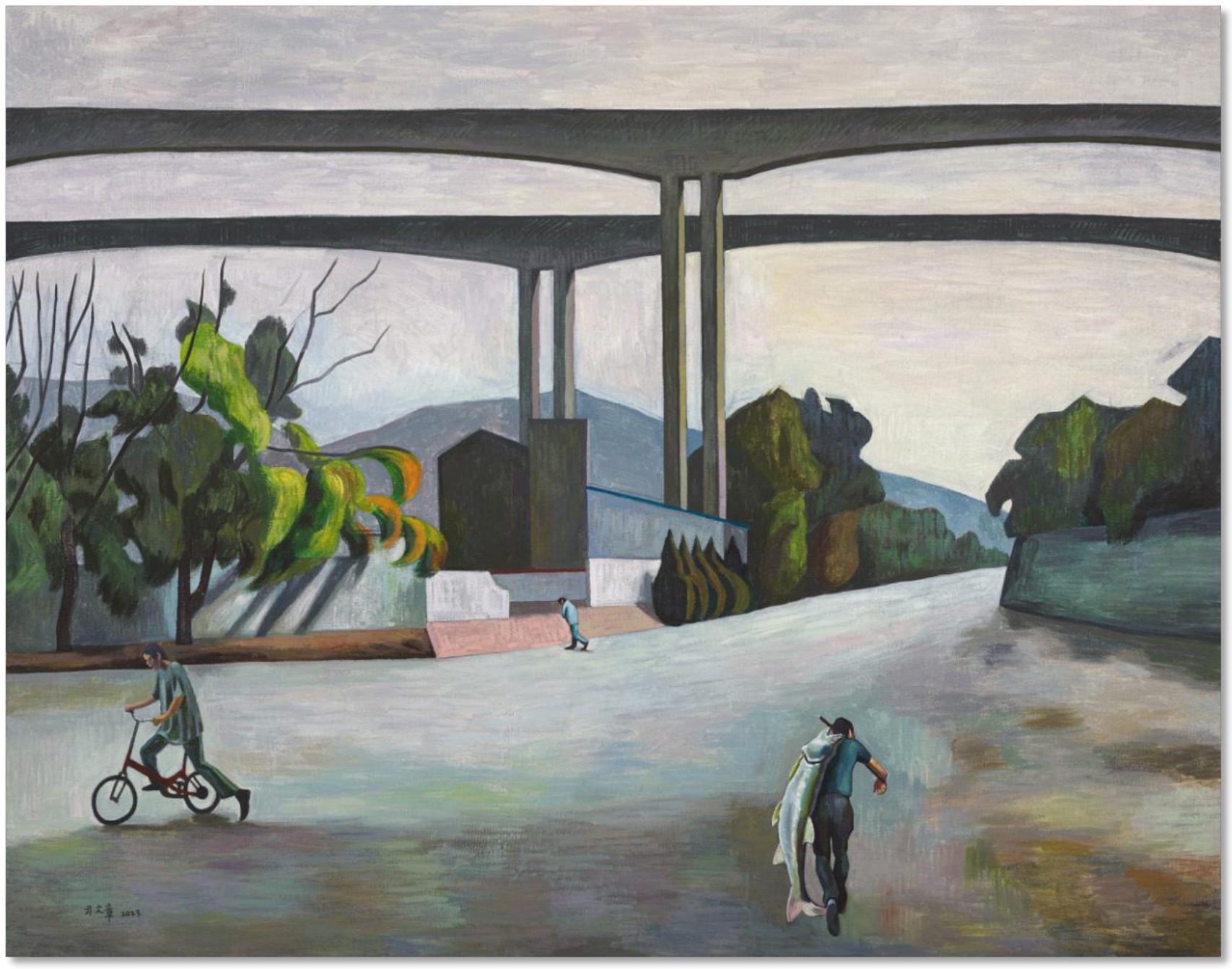
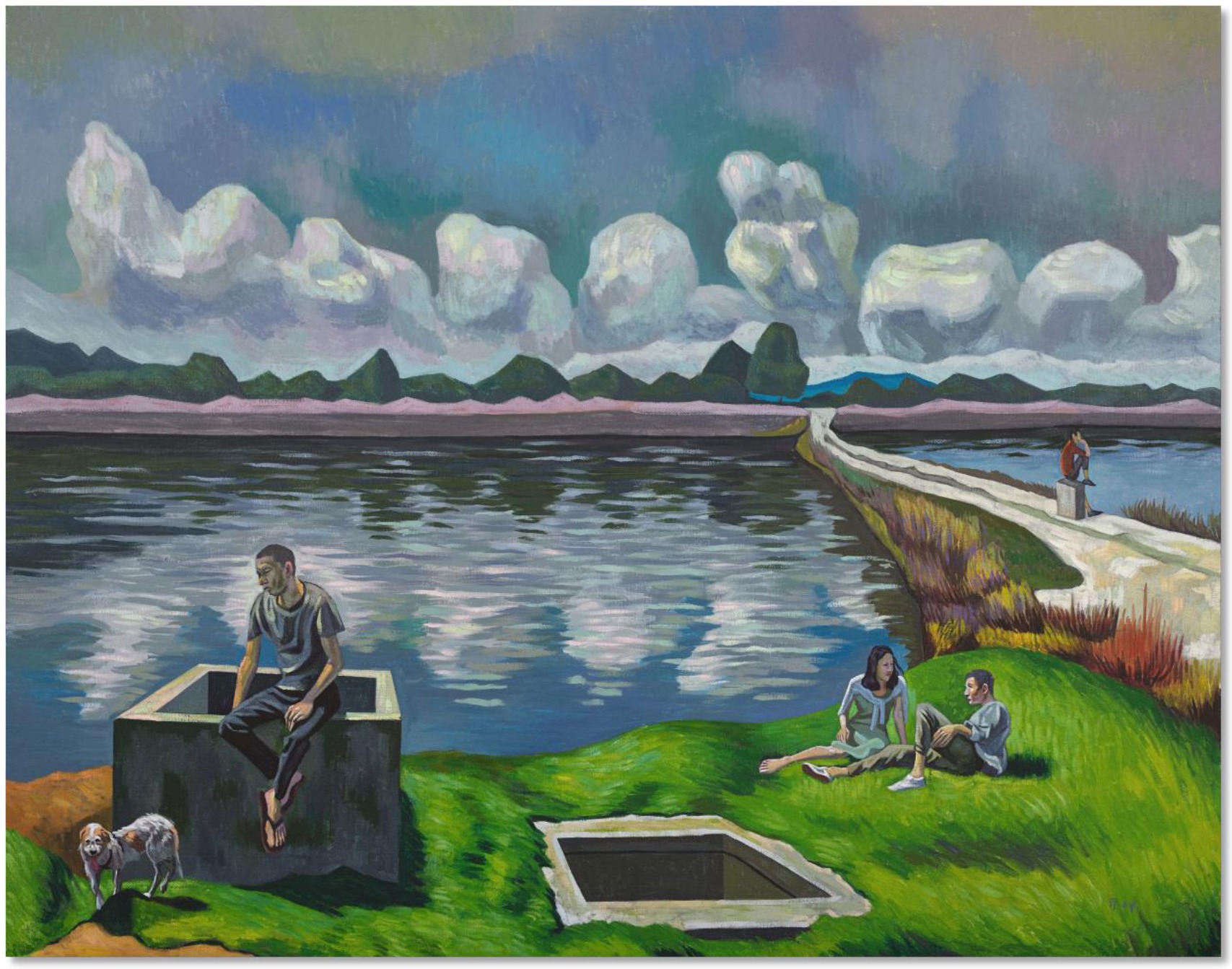
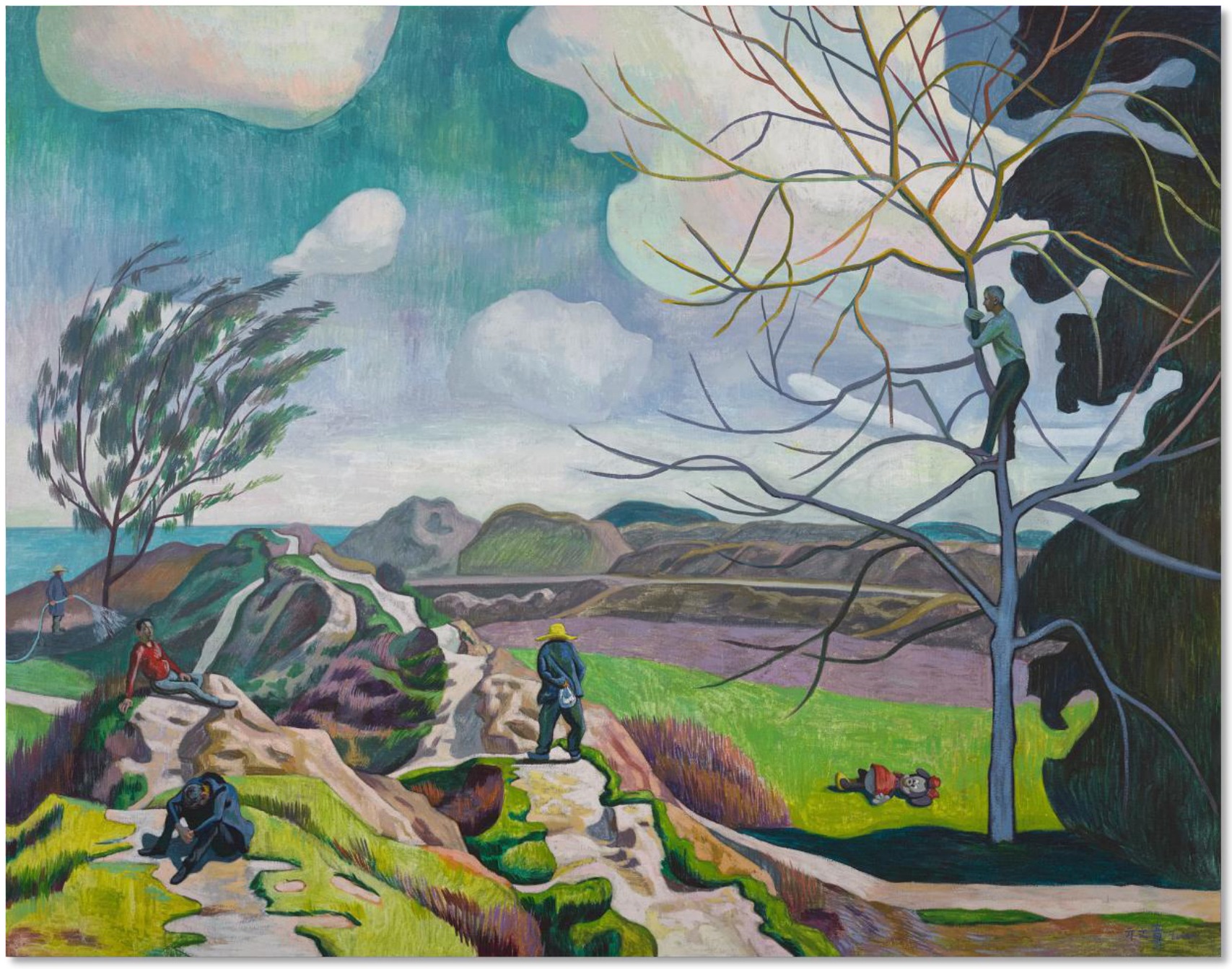
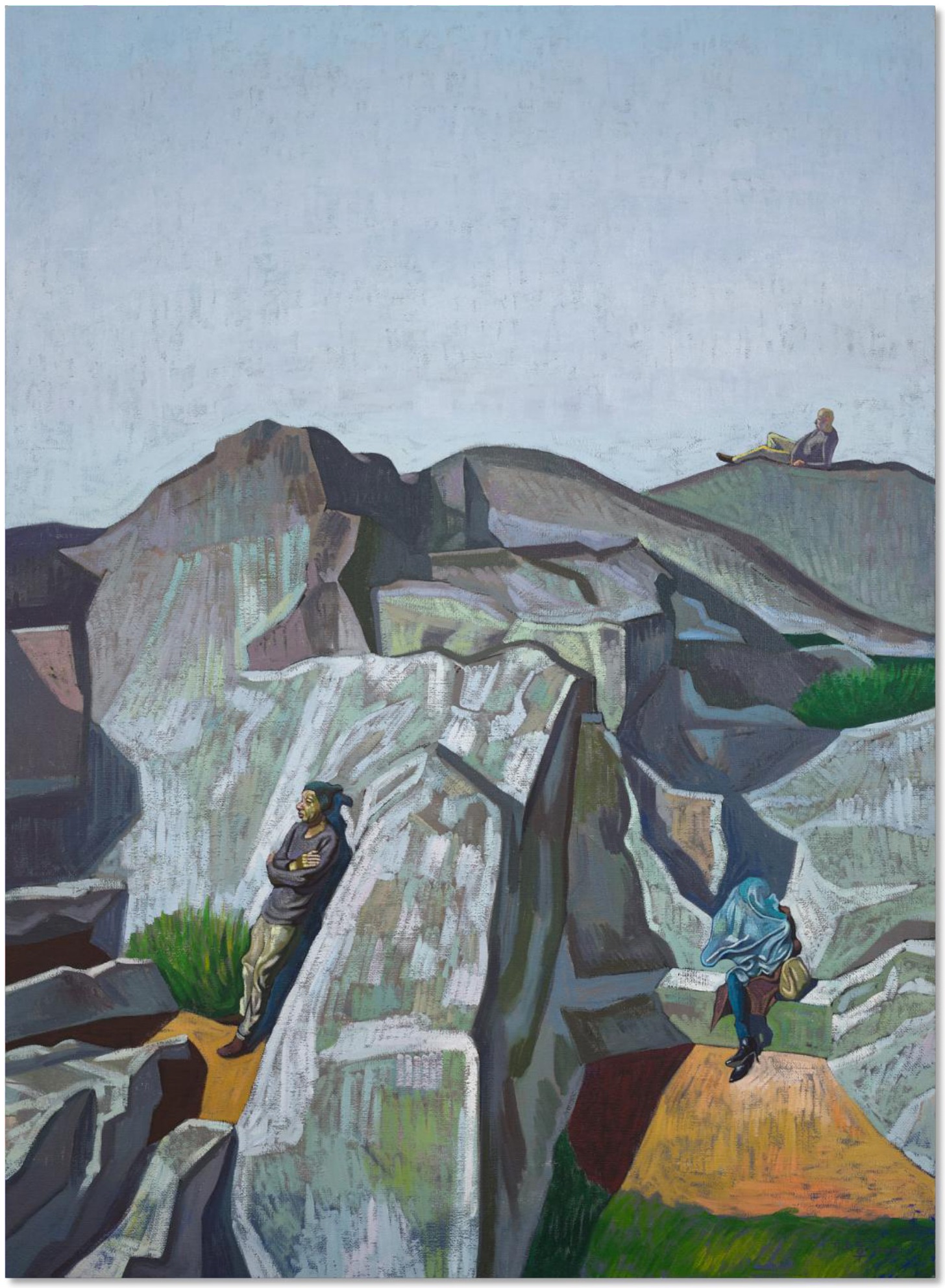
前言文/ 王将亓文章是一位现实主义的浪漫者,其绘画显现了个人化的情感、浮想与省思。他体验着周遭的一切,对现实世界的片段加以组合与诠释。这些现实片段包含着虚构的语法。在白日梦的伪装之下,受社会现实压抑而隐藏起来的真实得以显现。亓文章式的“白日梦蓝”创造了一系列镜中梦影。多重的折射和反射映照出当下时代最真实的一面。现实冷漠而又暴戾,那些无法容忍白日梦的人陷入了生活的罗网。而他则刺透可见的表象,在其深处展开工作。亓文章没有封闭在画室里进行内循环式的创作,而是居于现实之中,并将其处理成具有讽刺美感的转喻。作为一位长期主义者,他持之以恒地保持着对现实的关切。他不求快速,不追潮流,纯然地历炼出对画面的控制力。在亓文章打造的人间舞台之上,碌碌无为者保持着碌碌无为的状态。这双重的“无为”反倒制造出“有所为”的反差。平凡的人们享受着一段独属于自己的时光,虽然看上去是虚度光阴,但在百无聊赖之中,人才重拾起尊严。各种隐秘的思绪弥漫在现实的荒野中,书写出悲喜交加、忧乐参半的剧情。古时曾有智者云:“太阳之下决无新事。”但在刺日之光的照射之下,这种宿命论的调子被渐渐灼化。他笔下的主体有着无奈抑或踟蹰的神情。不过,那神情里仍透露着坚毅。虽碌碌,却有所为,他们想方设法地对抗着生活之平庸。“你往何处去?”曾作为一种心灵发问显露于亓文章旧作中。现在,这一疑惑在其近作里得到了回应——
你,正在走向河流。此河流是生活之长河,它并非一个固定的终点,而是一趟有方向且充满希冀的旅程。它绝非随波逐流,而是过程重于目标的浪漫历险。由此,画中主体的彷徨和犹疑之感逐渐减弱,他们更加自在地于现实中开启着一场无止境的隐遁之游。
Foreword Text / Wang Jiang Qi Wenzhang is a romantic realist whose paintings reflect personal emotions, fantasies, and introspections. He immerses himself in everything around him, combining and interpreting fragments of the real world. These fragments of reality contain a fictional grammar. Under the guise of daydreams, the truth suppressed by social standards is revealed. Qi Wenzhang's "Blue Daydreaming" creates a series of dreamlike reflections in mirrors where multiple refractions and reflections reveal the most authentic aspects of the current era. Reality is indifferent and violent, and those who cannot tolerate daydreams are ensnared by the web of life. He pierces through visible representations and delves into their depths. Qi Wenzhang does not confine himself to a studio to create in isolation but lives within reality, transforming it into a metonymy with ironic beauty. As a long-termist, he persistently maintains his concern for the real world. He does not seek quick success or follow trends but purely hones his control over his paintings. On the human stage crafted by Qi Wenzhang, the idle maintain their idle state. This double "inaction" instead creates a contrast of "action." Ordinary people enjoy their own time, seemingly wasting it, but in this idleness, they regain their dignity. Various hidden thoughts permeate the wilderness of reality, writing out a narrative filled with both joy and sorrow. An ancient sage once said, "There is nothing new under the sun." But under the scorching light of the sun, this fatalistic tone gradually melts away. The subjects in his paintings show expressions of helplessness or hesitation, yet there is still a sense of determination within them. Though seemingly futile, they strive to combat the mundanity of life. "Where are you going?" once appeared as a spiritual question in Qi Wenzhang's earlier works. Now, this question finds its answer in his recent works—you are heading toward the river. This river represents the river of life, not a fixed endpoint but a directed and hopeful journey. It is not about going with the flow but a romantic adventure where the journey outweighs the destination. Thus, the subjects' feelings of hesitation and uncertainty gradually diminish, and they more freely embark on an endless journey of retreat within reality.
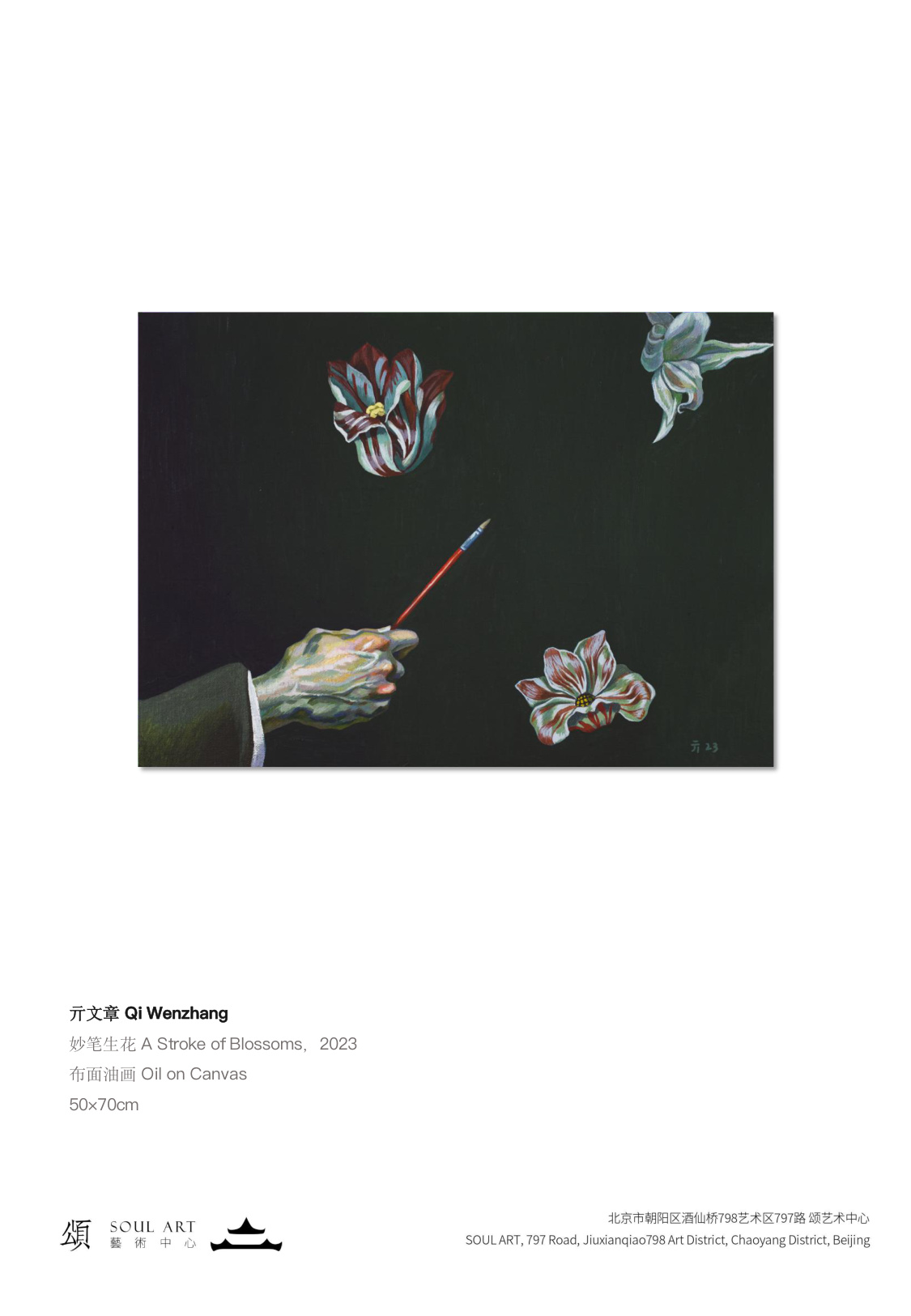
作品释义妙笔生花——这个词虽然略有点浮夸,但却不失为对画家工作的恰当描述。在我看来。妙笔所应描绘的不是人与物,不是事件,不是所谓存在状态,不是想法与观念,不是抽象的色块与造型……或者说,一切似乎都是又都不是。画面只是提供了一些微弱的信息,我们跟着这些信息去穿透画布。我也一直觉得画家应当成为一个传说。画家需要显现隐秘之物,画家需要抵达难以抵达之处。
A Stroke of Blossoms — although the term may seem somewhat exaggerated, it is an apt description of the artist's work. In my point of view, what the brush should depict is not people or objects, not events, not the so-called state of existence, not ideas or concepts, not abstract blocks of color and form... or perhaps, it encompasses everything and yet nothing. The painting only provides faint information, and we follow this information to gain a deep understanding of the canvas. I have always felt that the artist should become a legend. The painter needs to reveal hidden things, and reach places that are difficult to reach.
参展艺术家Artists
作品