展览信息
前言Introduction
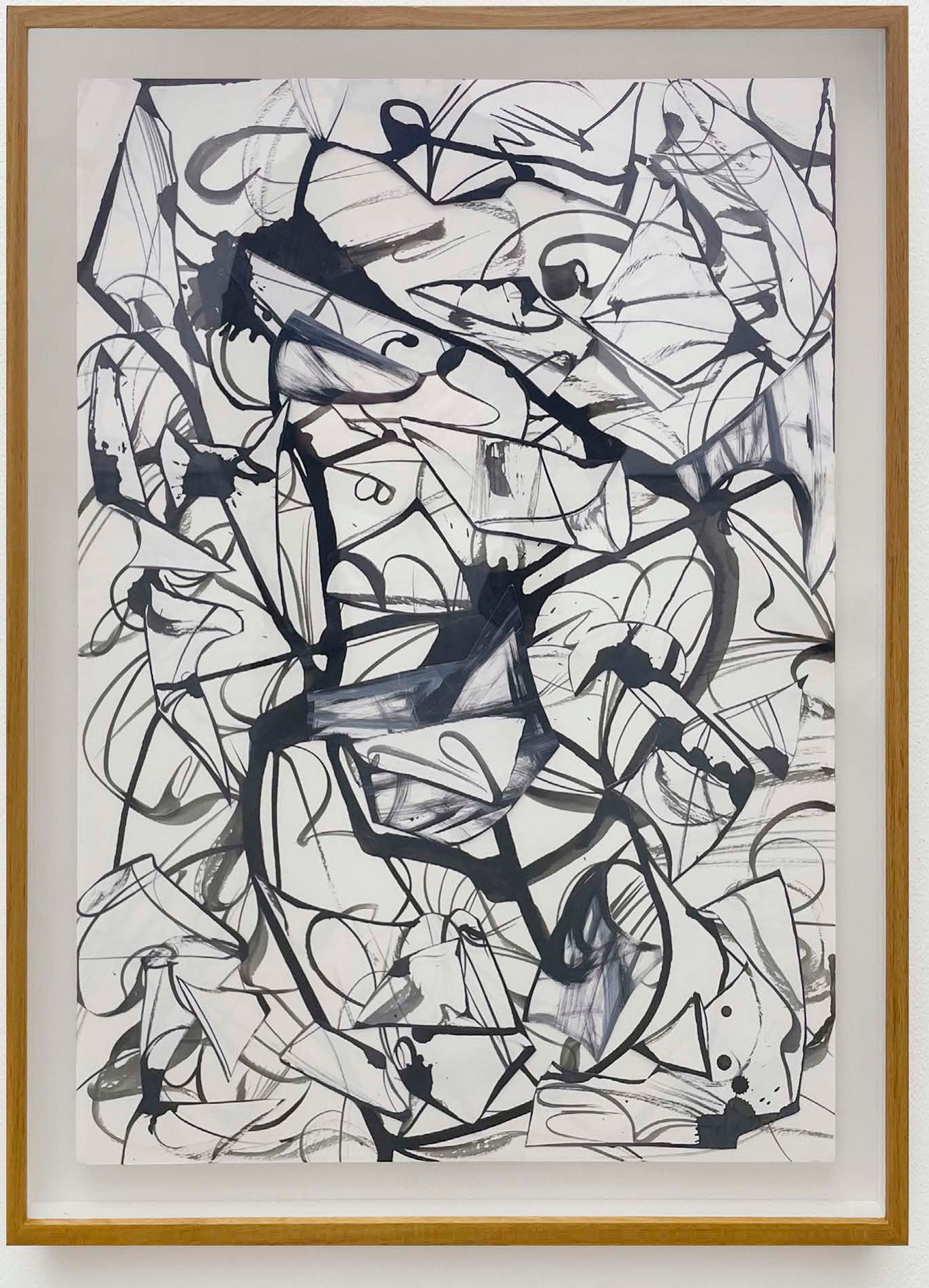
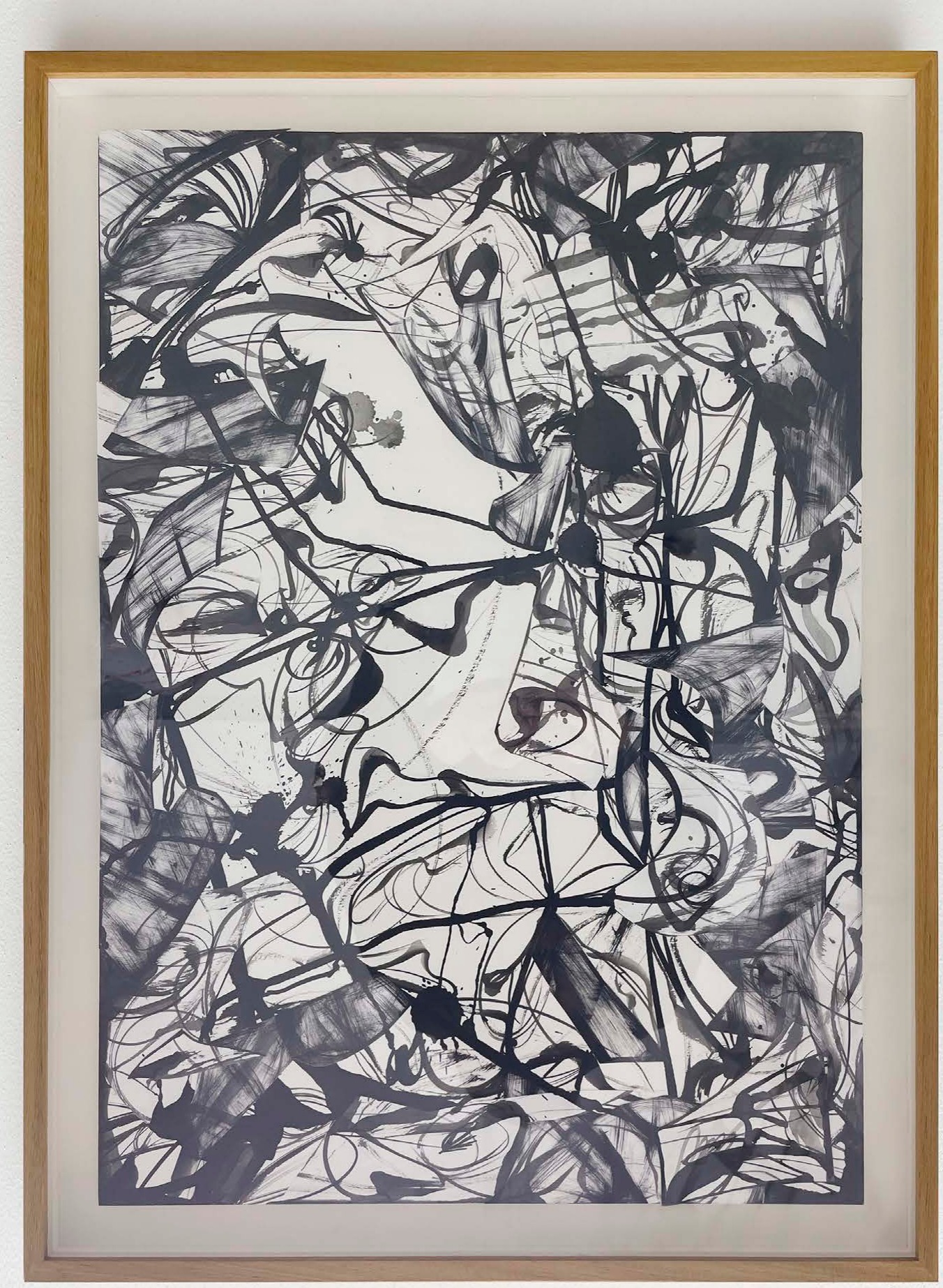
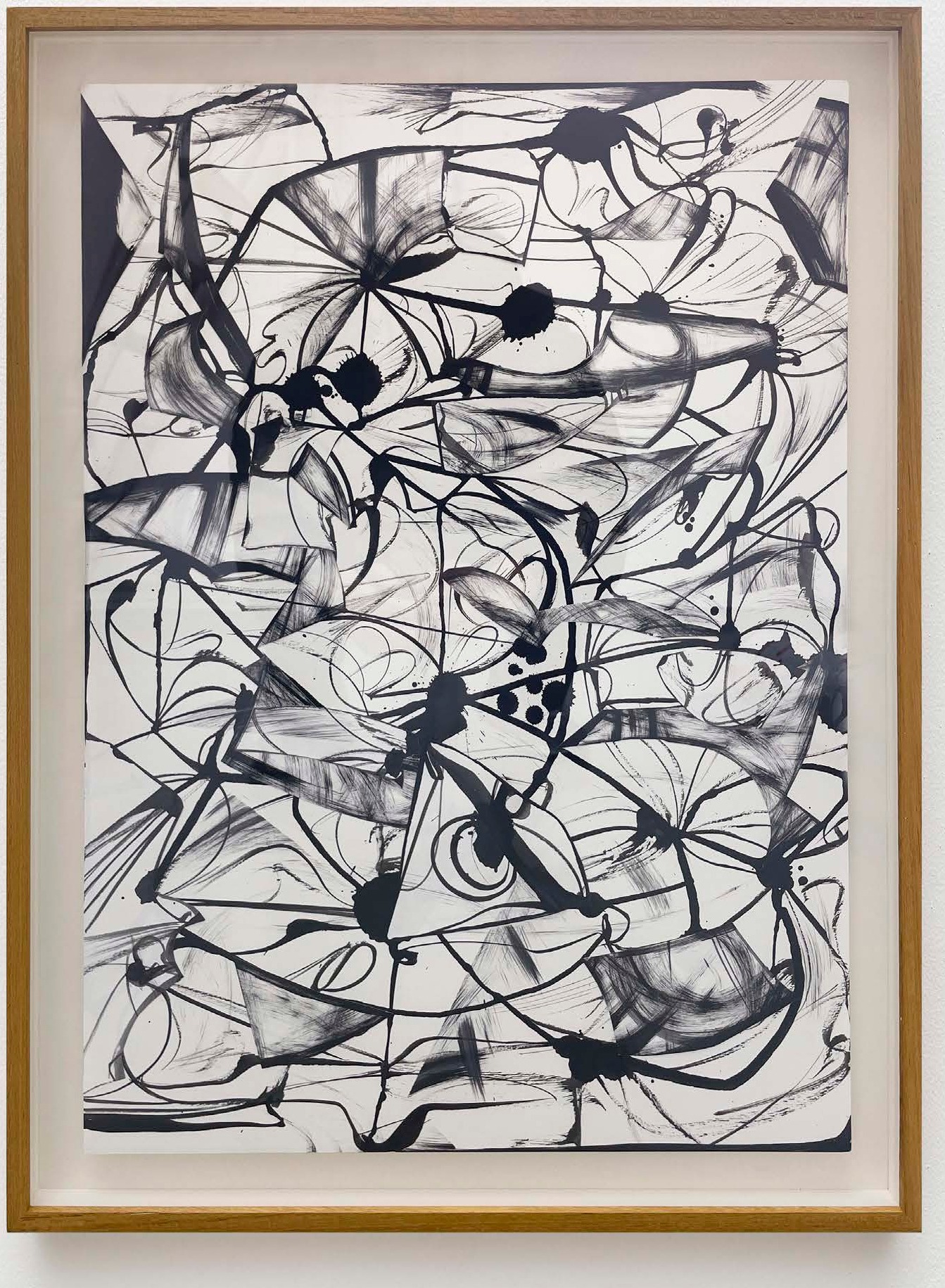
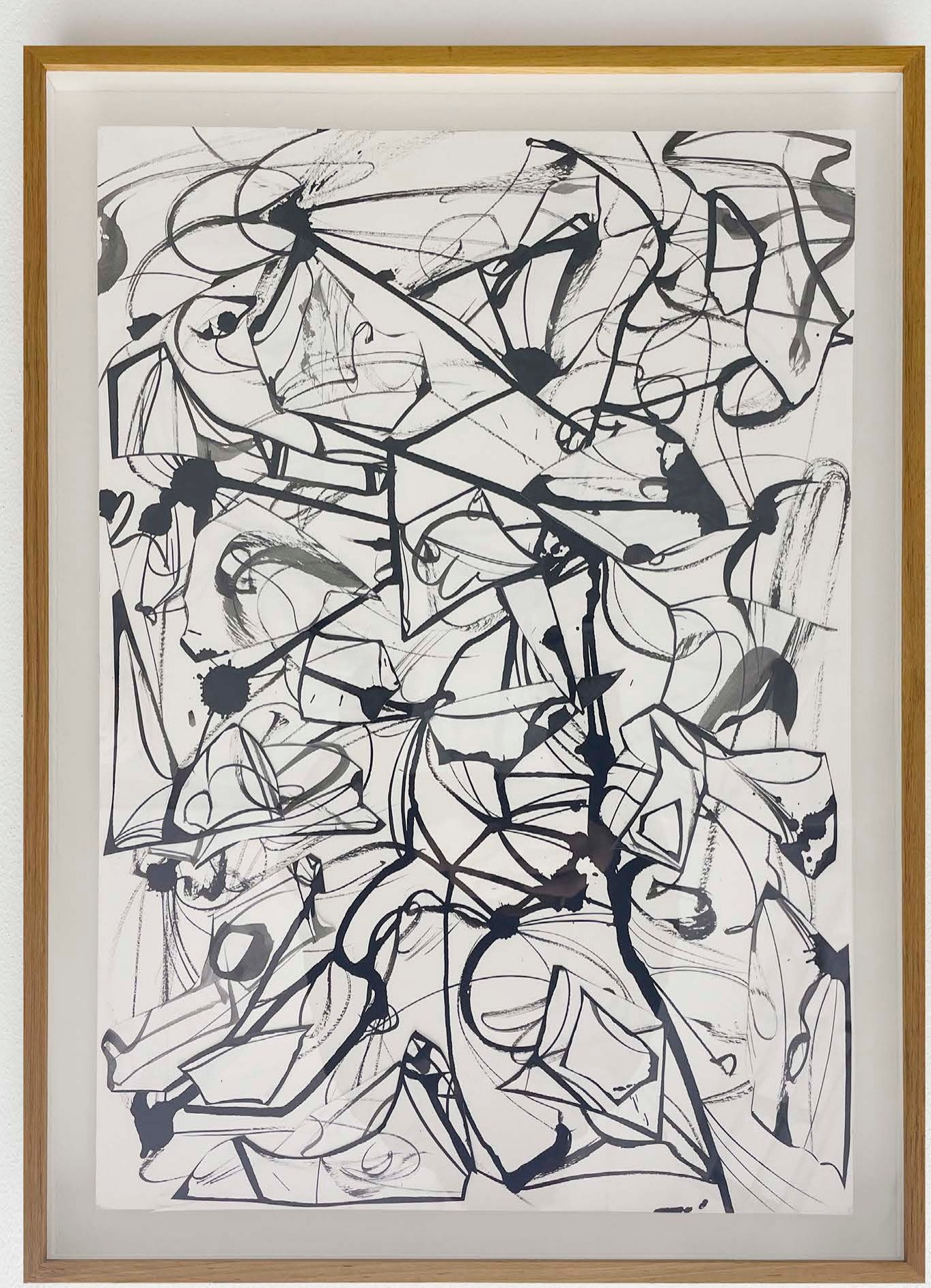
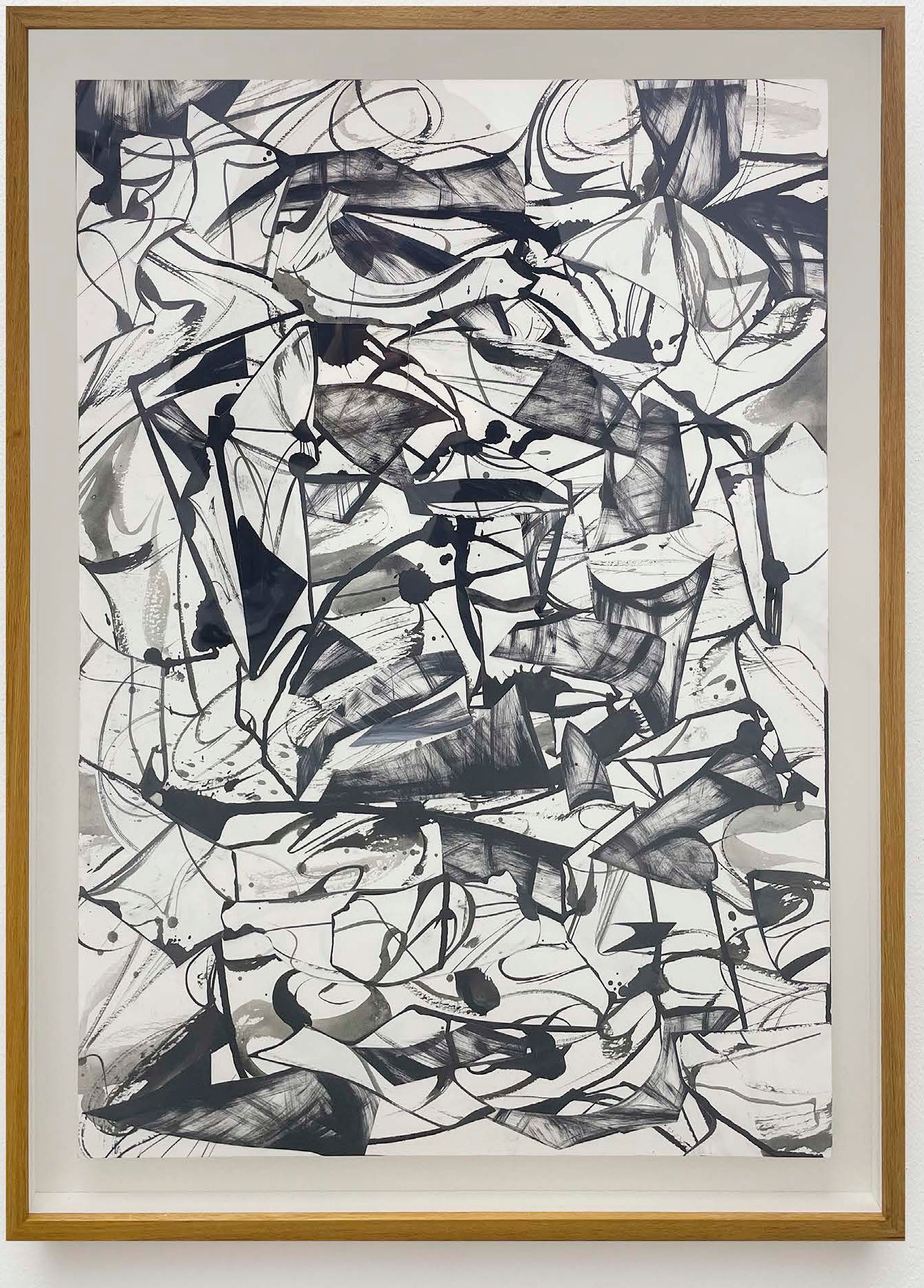
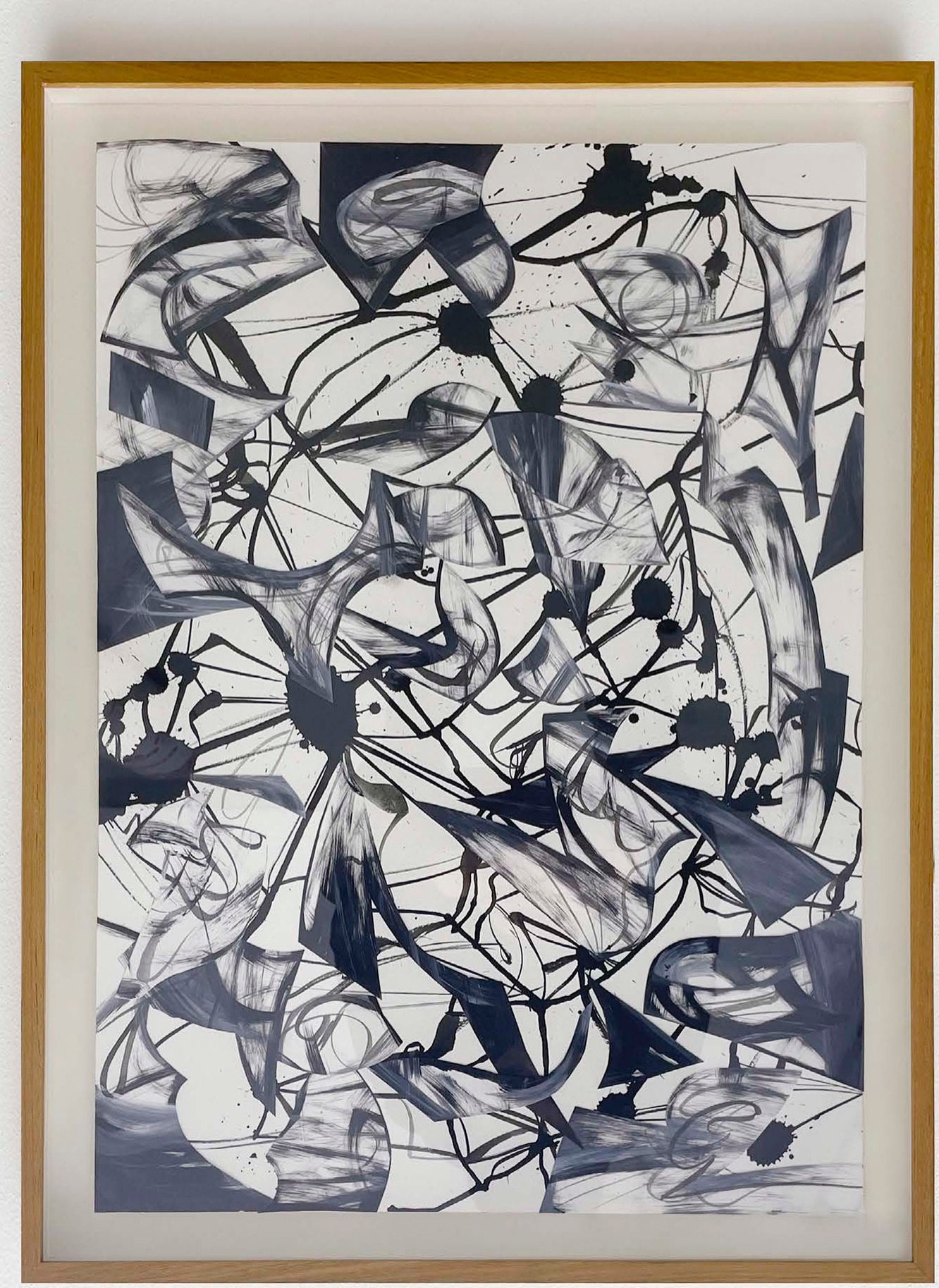
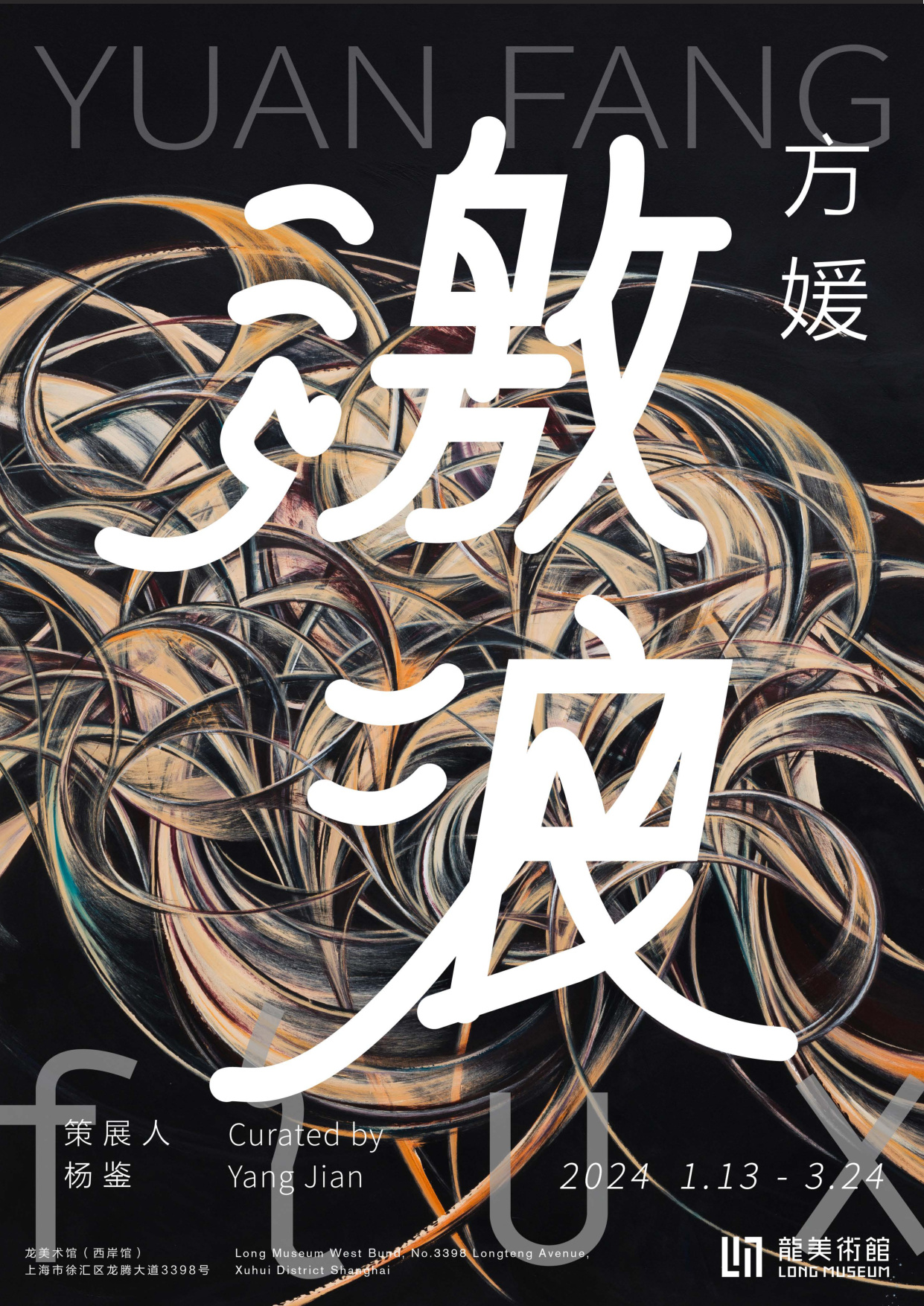
龙美术馆(西岸馆)将于2024 年1 月13 日至2024 年3 月24 日呈现艺术家方媛(B.1996)的首个大型美术馆个展“激浪”。本次展览由策展人杨鉴担纲策划,将借20 余件作品,集中呈现艺术家的新近创作面貌。宏大的画面调度与轻盈回溯的形式美感,交汇于方媛的绘画之中,宛若情感潺流之于奔腾宏大的历史时空,大量纵横的视觉平移犹如人生的历程般,唯有继续前进,而难卷土重来。回旋的画面流向如若真切地在此间继续交缠,时空的飞逝感牵挂强烈的个人情感。交杂的文化经验和弥散的身份认同,附加以他乡的涉身体验,使她的生理感知与作为行动的画面不能放下一切再次交缠,只能选择沓飒地延绵,虽与过去紧紧纠缠却也紧咬未来,逐渐膨胀,直至无限。作为经典的艺术范式,抽象的形式主义及其背后的精神是我们主要的关注方向,并且将其定义为一种以欧美为中心的带有普遍主义色彩的艺术风格。然而,在方媛这里,艺术家持续追逐着普遍性外的特殊可能,她通过创作与“身体”“景观”“时空”“符号”等概念重建了抽象与我们周遭世界的联系,并且强调根植于真实世界的经验,纯粹的形式并不存在,而抽象的形式特征决定了它反映真实世界经验的方式。也就是说,在形式更迭地记叙美术史叙事之外,抽象可以对社会、政治和文化变迁作出一系列反应。在作品中,方媛表达了她对全球化之特定情形与个人文化身份的细致理解,以及随之而来的流动状态带给人们的复杂感受,并在创作中同时寻找和保留着人类经验和绘画审美普适性,以寻求一种最为直接的共振。在十八岁搬到纽约之前,方媛在深圳“特区”的成长经验激励着她以更为外向与求新的文化姿态去寻求当时极为流行的西方文化及核心价值观。此外,在当时全球城市更新最为激烈的城市中的生存体验促使她永远处于辞旧迎新的进步论环境当中。而当真正投身于纽约这样的世界都市,种族意识强烈的外部环境促使她重新洄溯自身的文化身份与思想根基。这种基于海外而寻求故土文化的回访与错落感,使得艺术家对于探寻与主动建构自身最为本质的文化基因产生了强烈的动能。例如绘画中最基本的颜色选择,在色彩谱系可以极其轻易的通过各自方式或者技术手段调和到悦目的当下,方媛仍坚持在作品中融入一些在外界看来不够和谐甚至是有些隔涩的色彩组合,并且进行一些拒绝调和的颜色搭配创作。或许这是方媛基于自己作为一位95 后华裔女性在极具强度的纽约独自打拼过程中的一些个人感悟与性格特质的觉醒。在当下的世界文化语境当中,参与和融入地最好方式或许不是谄媚于体系或趋同于群体,外置自身的特殊性,主动寻找碰撞才是异乡人切割乡愁与构筑坚硬栖所的方式,所谓世界主要的包容性更多时候是针对强者与能力者,对怯弱和附庸者只可能是怜悯式的关怀。这些色彩的索引来自于方媛对于中国传统湿壁画在时间与自然之后所留下颜色的选取,它们不是初始被绘制的颜色,但是在时间的打磨和自然的锤炼下,确也铸造了一种新的审美可能。我也相信方媛作为一个与中国文化现场已然有一些割裂的新生代华裔艺术家,她在西方美术馆收藏体系当中看到类似这样的东方藏品时,所激发的那种身份与文化自觉性是这一切选择的初始动能。
From January 13th to March 24th, 2024, Long Museum (West Bund) presents the first major solo museum exhibition of Yuan Fang. Curated by Yang Jian, this exhibition features more than twenty new paintings, along with several works on paper, by the artist. Yuan Fang’s works reveal a grandiose visual disposition and gentle retrospection, similar to the trickle of emotions that always flows under the rushing of the grand historical time and space; in it, the massive horizontal and vertical visual movement represents the journey of life, which only continues to move forward and does not return to the past. The gyrating flow of images keeps on entwining here ever so distinctly, and the passage of time and space encompasses profound emotions of her own. The artist perceives herself as intertwined with diverse cultural experiences and a diverged awareness of identity. At the same time, the physical experience of diaspora prevents her physiological perception and the images of movement from being entangled again, leaving her no choice but to prolong intricately, to inextricably linger with the past but also to firmly grasp the future, gradually expanding to infinity. An already classical art paradigm, the formalism of abstraction and its underlying concept are the major focus of attention, which we define as a Eurocentric art style with universalistic quality. Yet, here, Fang has been pursuing the possibility of the extraordinary beyond the universal; through creating works associated with ideas of body, landscape, space-time, and symbols, she reconstructs the connection between abstraction and the surrounding world while emphasising that, rooted in the experience of reality, there is no such thing as pure form, and that the formal nature of abstraction dictates how it reflects the experience of reality. In other words, abstraction an array of possible responses to social, political, and cultural change, beyond the formally iterative accounts of art historical narratives. In her work, Fang expresses a nuanced comprehension of the specific circumstances of globalization and personal cultural identity, as well as the complexity of the subsequent state of displacement, while simultaneously exploring and preserving the universality of the human experience and the aesthetics of painting in pursuit of the most immediate resonance in her practice. Before moving to New York at the age of eighteen, her experience growing up in Shenzhen, a special economic zone, encouraged her to embrace a more global and eclectic approach to Western culture and values, which at the time was the dominant and distinctly American.
In addition, being raised in one of the most intensely urbanised cities in the world at the time has fostered in her a progressivist discourse that is in a state of constant change. However, once she had arrived in New York, a real global and diverse city, the racially conscious context prompted her to revisit her cultural identity and ideological foundation. Her expatriate experience of searching for a revisit and a sense of dislocation to her heritage has created a compelling motivation for her to examine and actively establish her cultural identity. When it comes to the choice of palette, for example, Fang insists on introducing into her work some palettes that are not considered compatible or even peculiar to the public and refusing to mix the colours at a time when the palette of colours can be easily blended in different methods or by technical measure to be pleasing to the eye. Perhaps this can be attributed to her awakening of individual sensibilities and nature as a post-1995 Chinese woman striving to establish herself alone in the intense environment of New York. In the current global cultural context, the best approach to engagement and inclusion is not to submit to the social system to conform to the majority but rather to manifest uniqueness and proactively search for encounters, the method for strangers to dissipate nostalgia and form a fortified habitat. More often than not, the major inclusiveness of the world is reserved for the influential and the capable, with only merciful solicitude for the weak and the subservient. The index of these colour palettes originates from Fang’s choice of the ones remaining in traditional Chinese mural paintings after the grace of time and nature; they are not the original colours used in the paintings, but under the polishing of time and the refinement of nature, they do present a new possibility of aesthetics. I believe that as an emerging Chinese artist who has been somewhat removed from the Chinese cultural milieu, Yuan Fang’s identity and cultural consciousness, provoked by meeting East Asian collections like the aforementioned in Western art institutions, were the initial motivation for all of her decisions.
参展艺术家Artists
作品