蜂泌 Foraging
展览信息
前言Introduction
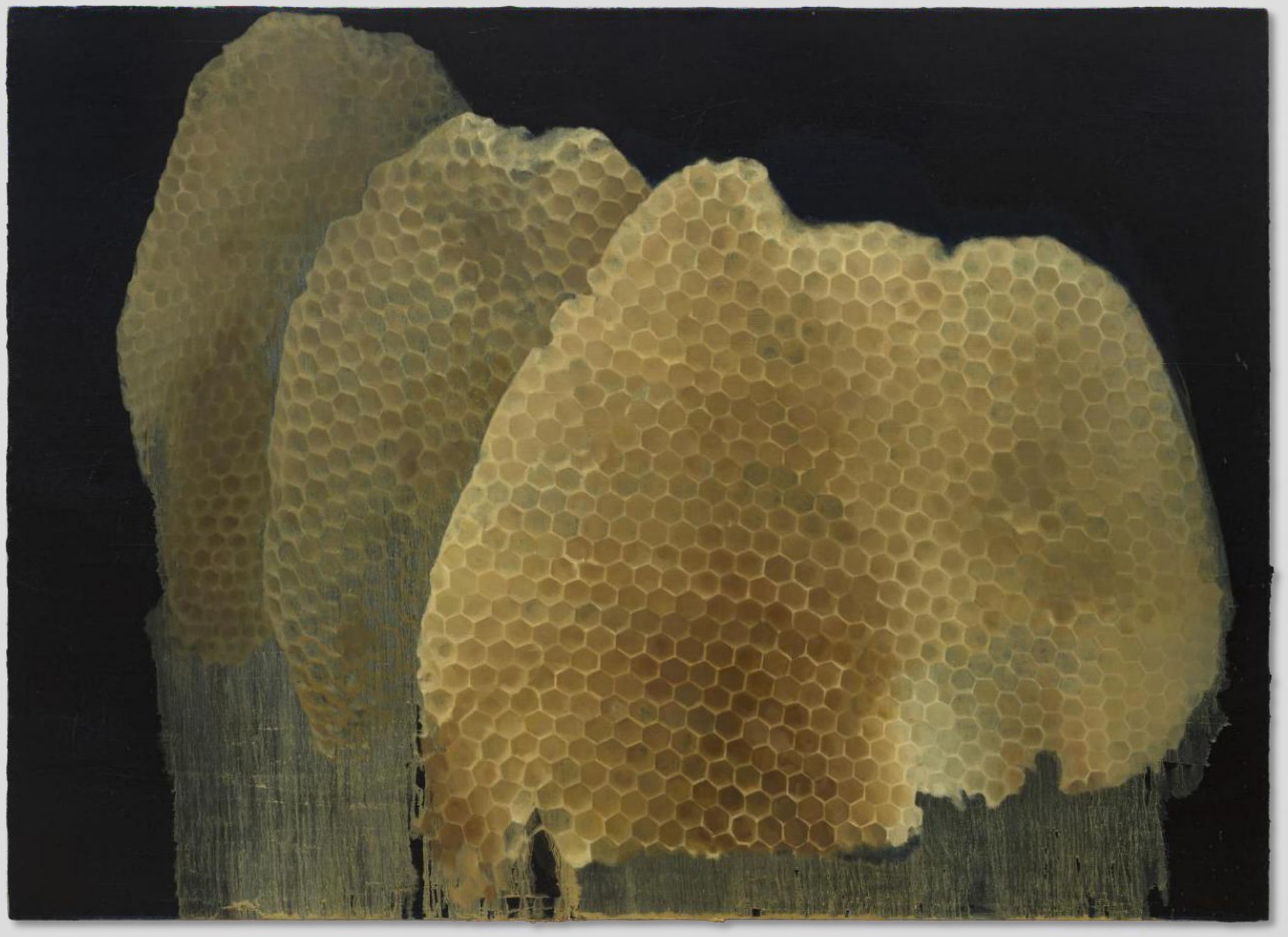
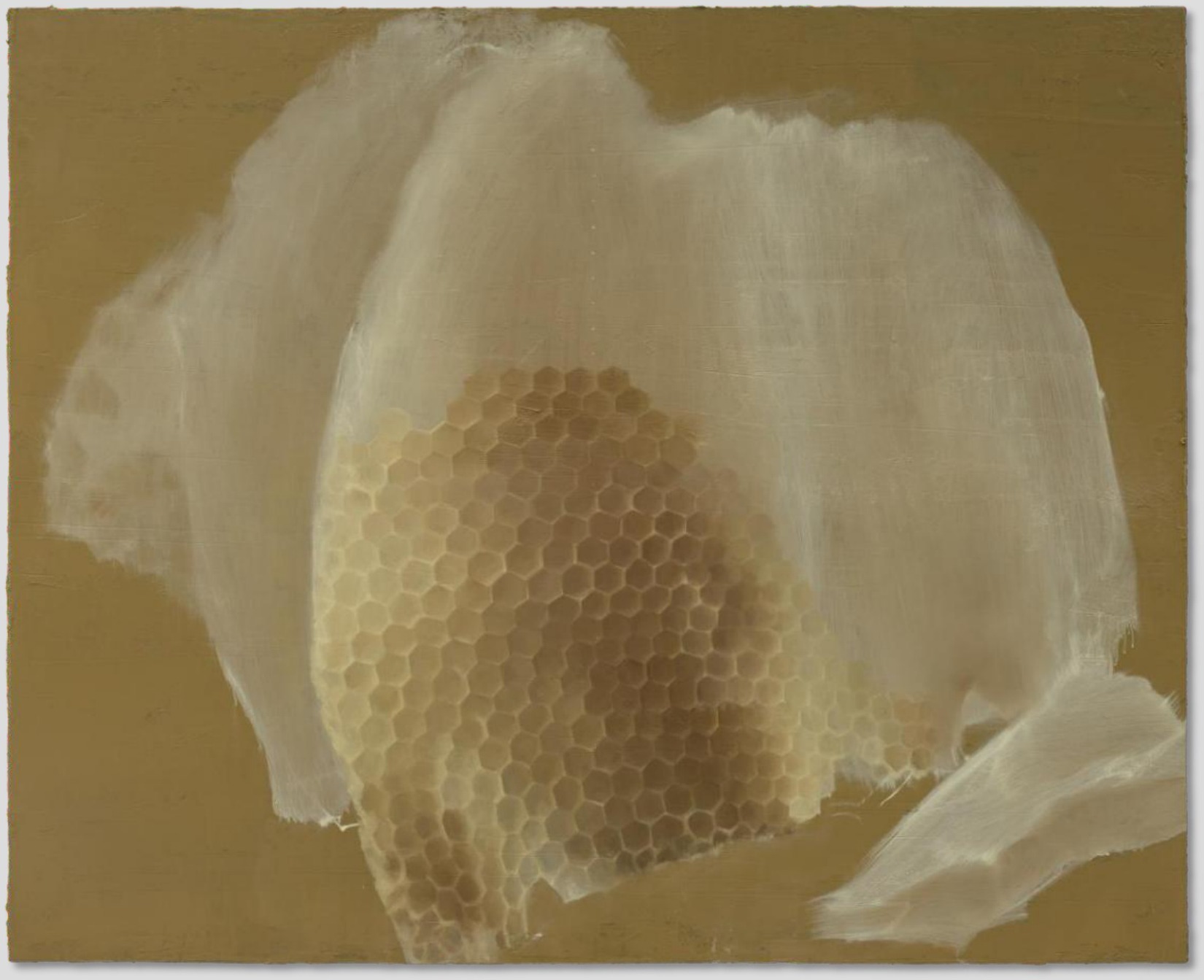
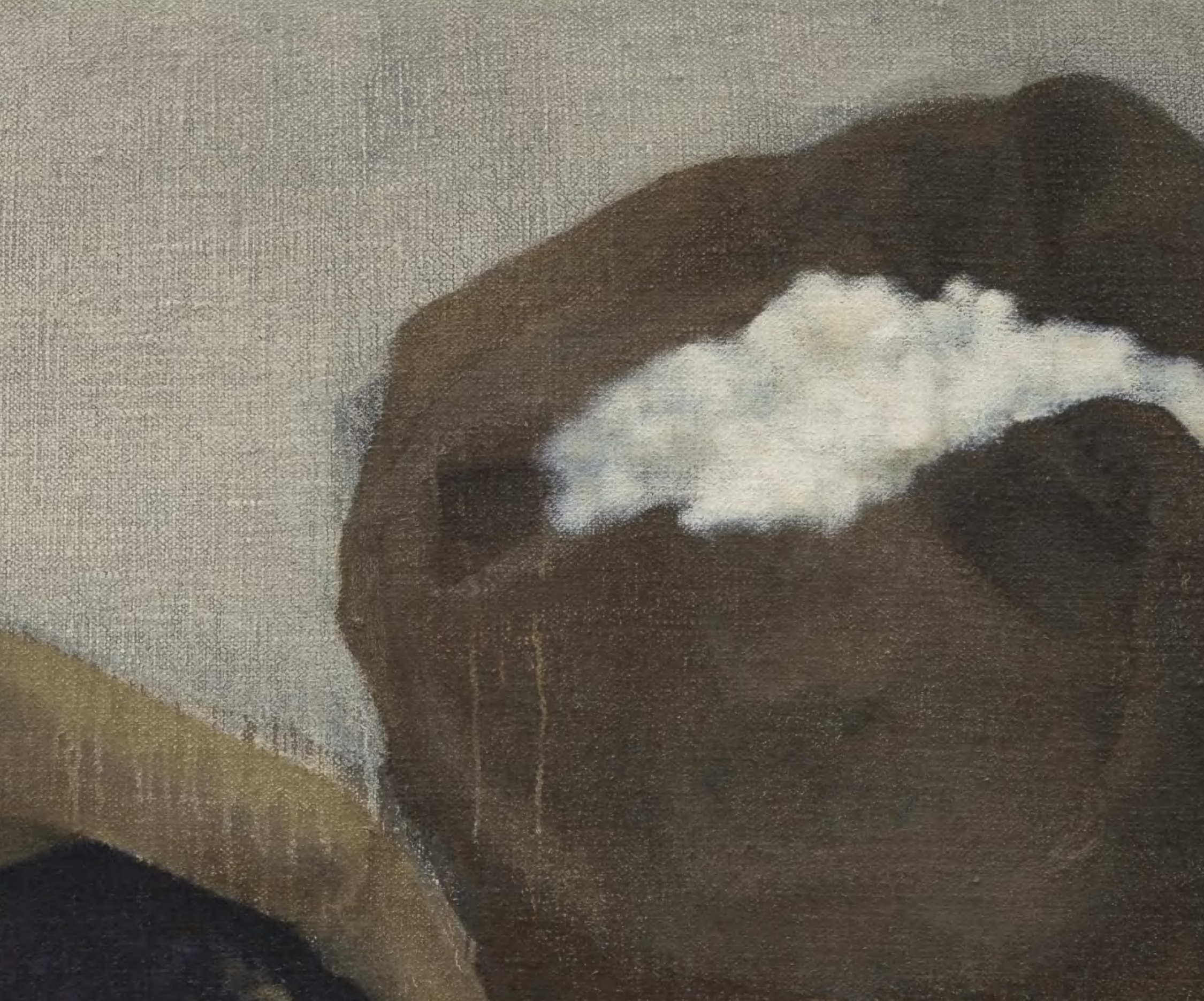
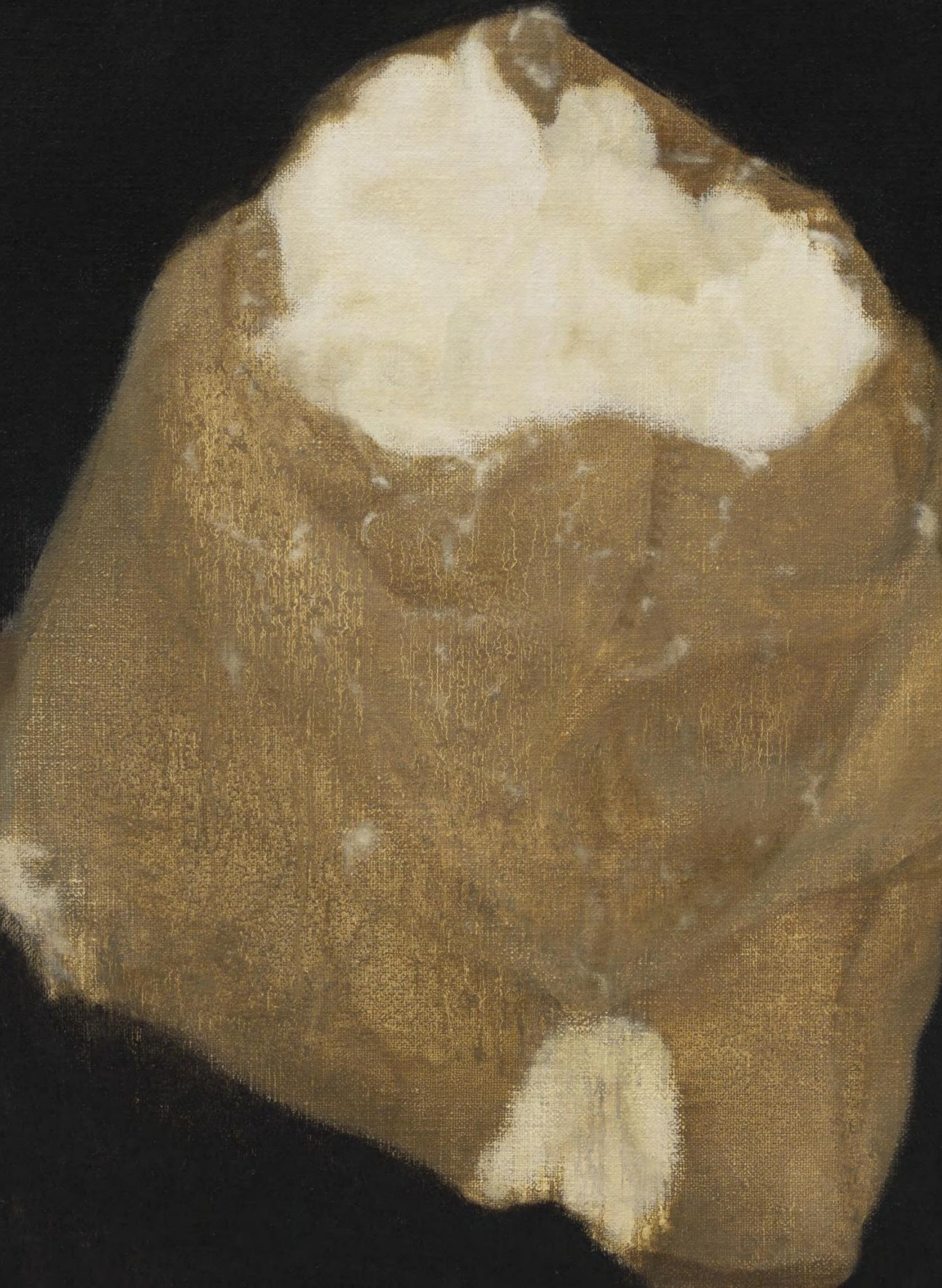
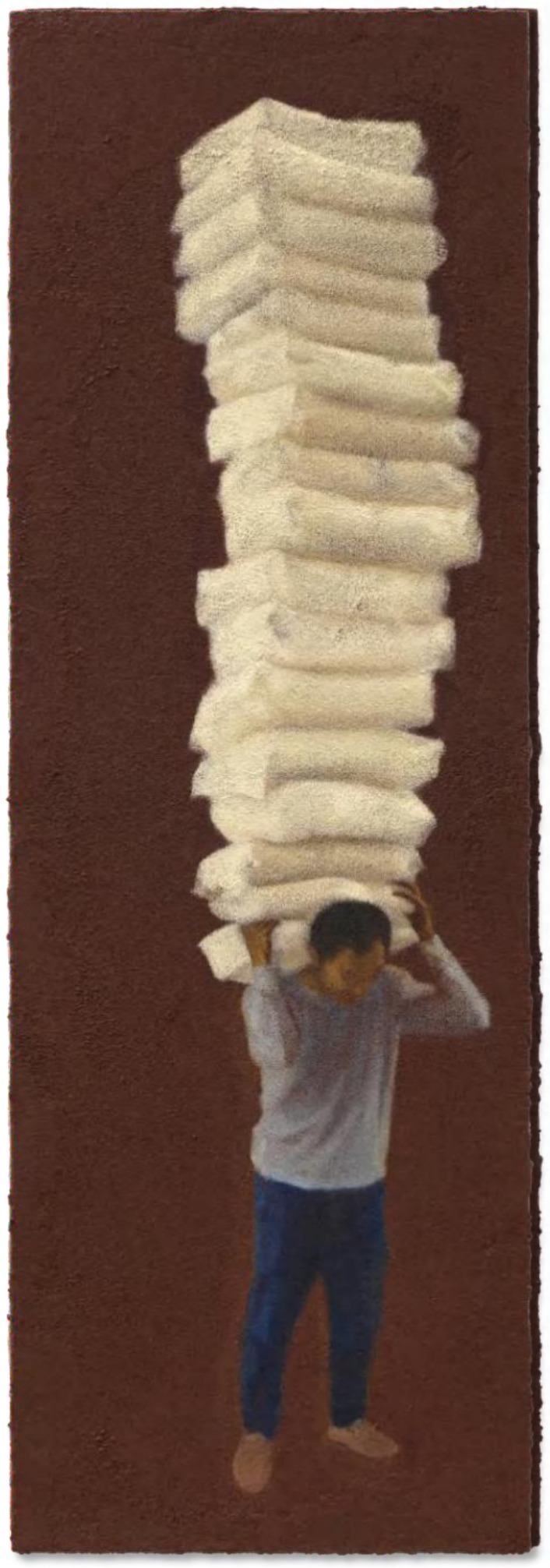
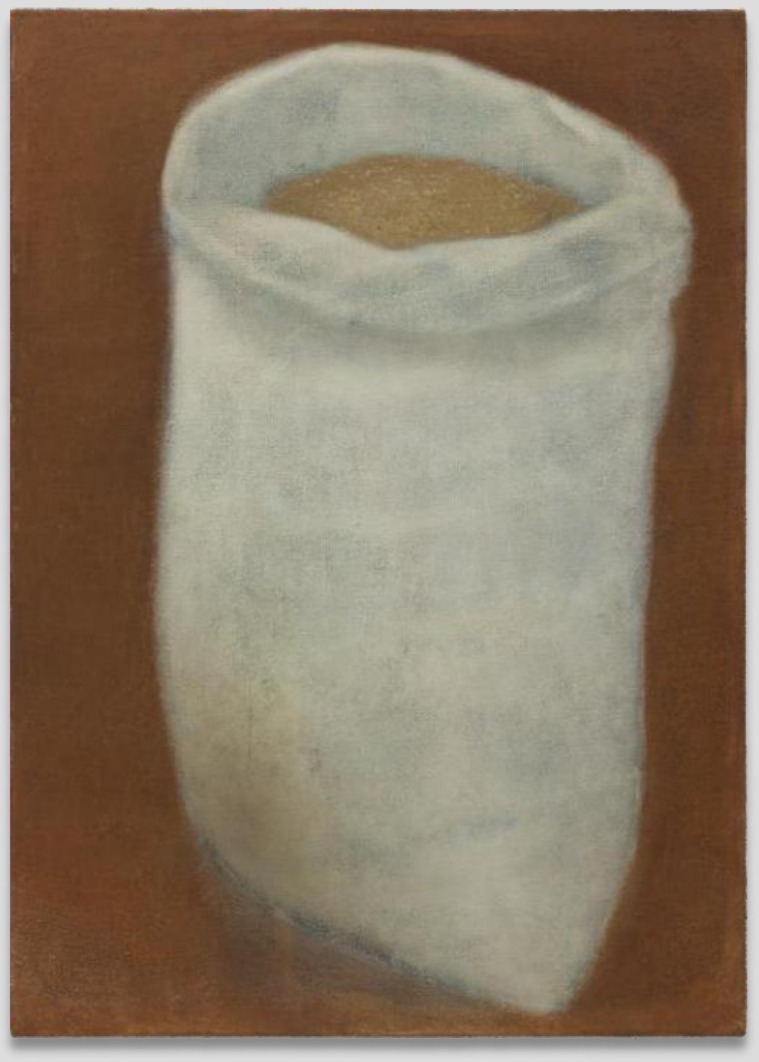
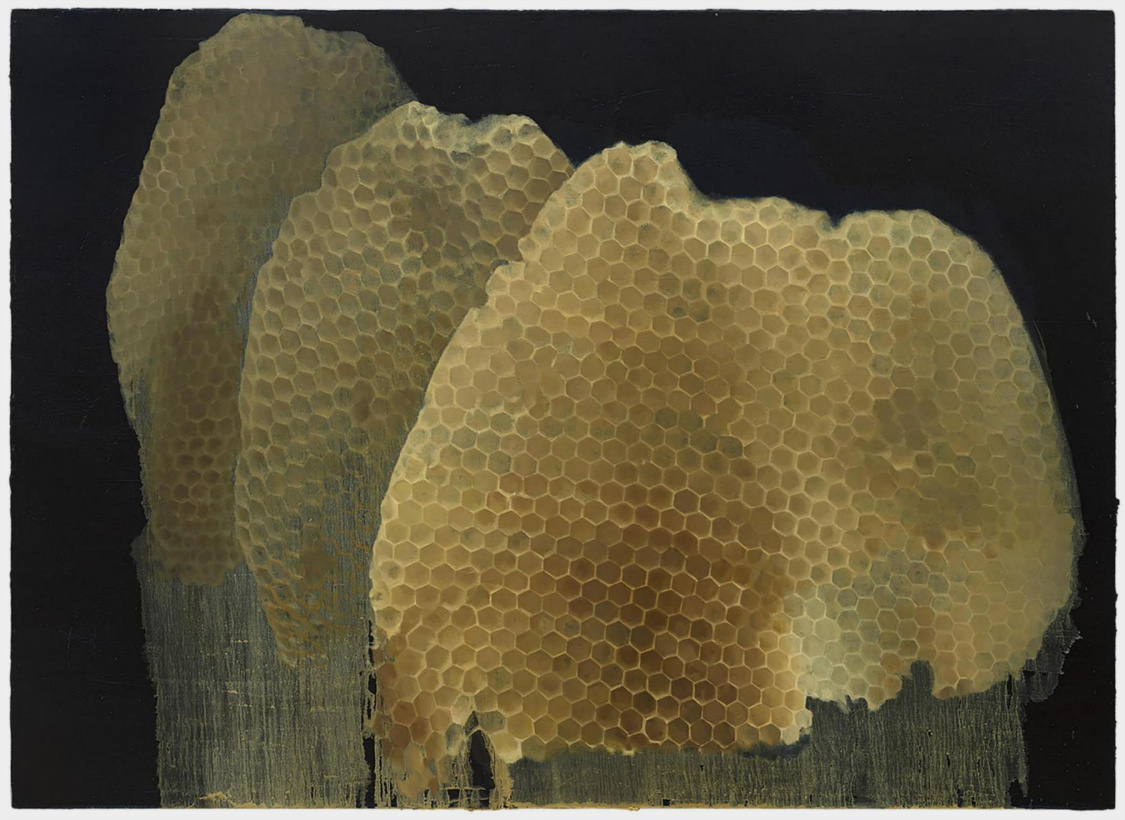
喜在空间将于2025年12月20日开启张新军的个展《蜂泌》,持续至2026年2月7日。此次展览,用“蜂泌”借指工蜂筑造蜂巢的工作过程,也可隐喻艺术创作的劳作转换。蜂巢是由工蜂分泌蜂蜡,经千万次振翅、咀嚼和集体协作而成的“生物建筑工程”。由六角形巢房构建的坚固稳定的“容器”,也是一个高度社会化的群像。在蜂群中,工蜂占比可达95%以上,承担着维持群体生存与发展的几乎全部的劳动任务。现代城市的发展中,数以千万计的基层劳动者构成了维持系统运行的“工蜂群体”。除了要承受自身的负重,蜜蜂每次采蜜时还要背负接近于自重的花粉。即使活在被网络算法推送的今日,各种采集搬运的体力劳动也在平行进行中,他们反复练习着物理负重的技能,而“久坐的数字劳工”可能面对的更多是心理负重的考验。艺术创作也是生命体验的一部分,在重复性练习中,可能抵达举重若轻的境界,也可能下次的加码成为最后一根稻草。张新军在实践中比较重视身体感,在数字化、虚拟化日益加深的时代,这种看似折返的状态,也是人最基本和直接的与世界互动的经验通道,反而有时适当的体力劳动会让内心更踏实。身体通过肢体运动将感知和思想转化分泌成物化的精神食粮,以一种形态消融在时空里,又会以另一种形态滋长而生。
XZ SPACE is pleased to present Foraging, a solo exhibition by Zhang Xinjun, opening on December 20, 2025, and running through February 7, 2026. The exhibition takes foraging—the ceaseless labor of worker bees building their hive—as both metaphor and method, mirroring the transformative work of artistic creation. A hive, after all, is a biological architecture: thousands upon thousands of wingbeats, the soft grinding of beeswax, and the quiet choreography of collective effort. Its hexagonal chambers form a structure both resilient and orderly, a container that is also a portrait of a deeply social organism. Within a colony, worker bees comprise over ninety-five percent of the population, sustaining nearly every task necessary for survival and growth. In the expanding grids of contemporary cities, countless grassroots workers echo this worker-bee collective, keeping vast systems in motion. Beyond their own bodily weight, bees returning from the fields often carry pollen nearly equal to their mass. And even in an age shaped by algorithmic feeds, physical labor—gathering, lifting, transporting—
continues alongside the quiet endurance of those who sit for long hours before screens, bearing psychological burdens rather than material ones. Artistic practice, too, is part of life’s labor. Through repetition, one may arrive at a place where effort becomes effortless—or discover that the next added weight is the final straw. In his work, Zhang Xinjun attends closely to physical sensation. In a time ever more digitized and virtualized, this return to the body becomes a fundamental channel for encountering the world. At moments, even modest physical exertion grants a steadiness of mind. Through movement, the body converts perception and thought into a kind of secreted substance—materialized spiritual nourishment. Dissolving in one form across time and space, it re-emerges in another, growing again.
我对蜂巢意象肯定有思考,但它能指向哪儿?我没办法通过绘画,像学科研究那样明确交代出来,绘画也达不到。只能通过展览,通过作品之间的流动,也许能产生出内容。至于那内容我能不能描述,另说。在内容筛选上是有考量的,比如“背负”,背家具和背城市里的东西就不一样。蜂巢的意向和这些人物之间的关系,是展览里最需要感受的东西。否则展览要么变得平面,就一类画刷一堆;要么变成说明性的,失去展览的诗性。诗意很难把握。一个好的展览呈现的东西,就像诗,通过文字产生,但又远非文字本身。这是展览最好的品质,需要各种能力和调度才能达到。工作室里那两张打了底色的也是蜂巢题材。最后底色会是深色,很黑,但不是平面的黑。我现在一层层覆盖,等深色底做好了再在上面画。还在过程中。艺术家就是个矛盾体,就像加缪说的,ta既不是僧侣,也不是世俗中人,而是介乎两者之间;ta是历史的修道士。我们明知道做这事希望达到某种境地,同时也矛盾于外界的认可和回馈。不断在这种矛盾里。每次做展览、作品,大家讨论,能在此基础上展开对一些问题的理解或思考。我还是希望艺术这件事能跟时代、社会或人有关系。做艺术肯定能让我对人性的认识更深入,它有能力,有作用。就像今天我们看卡夫卡的小说,仍然和今天发生关系。文学本身是叙事的,跟视觉、非叙事的作品有本质不同。观看可能是一瞬间,读书要很长时间。一瞬间的观看达不到叙事的结果。视觉在消化过程中需要一个媒介,这媒介因人而异。有时在一个境遇里,视觉记忆突然回来,一下子点到你。它不是即刻能产生的共鸣,也不是你把自己放到一个完整故事里。背景不一样,就像看到一个装置或进入一个场域,它给你的那一下冲击,和你把自己放在叙事里肯定不同。当然获得的感受都很愉悦。像我第一次在常青画廊看卡普尔的作品,一个螺旋空间,进去看到蒸汽爬上天花板,像很细的龙卷风,那一刻获得的东西很美妙。你不知道哪好像突然被“撬开”了。他在红砖美术馆展出的那个漩涡池子也很恐怖,但向上的龙卷风是另一种力量感。那种体验需要通过观看,在那一刻体会到复杂的空气和整个情境给你的东西。它不可能像读小说那样,花一个月时间获得那种悠长的体验,也无法用具体的叙事告诉你那是什么。
参展艺术家Artists
作品