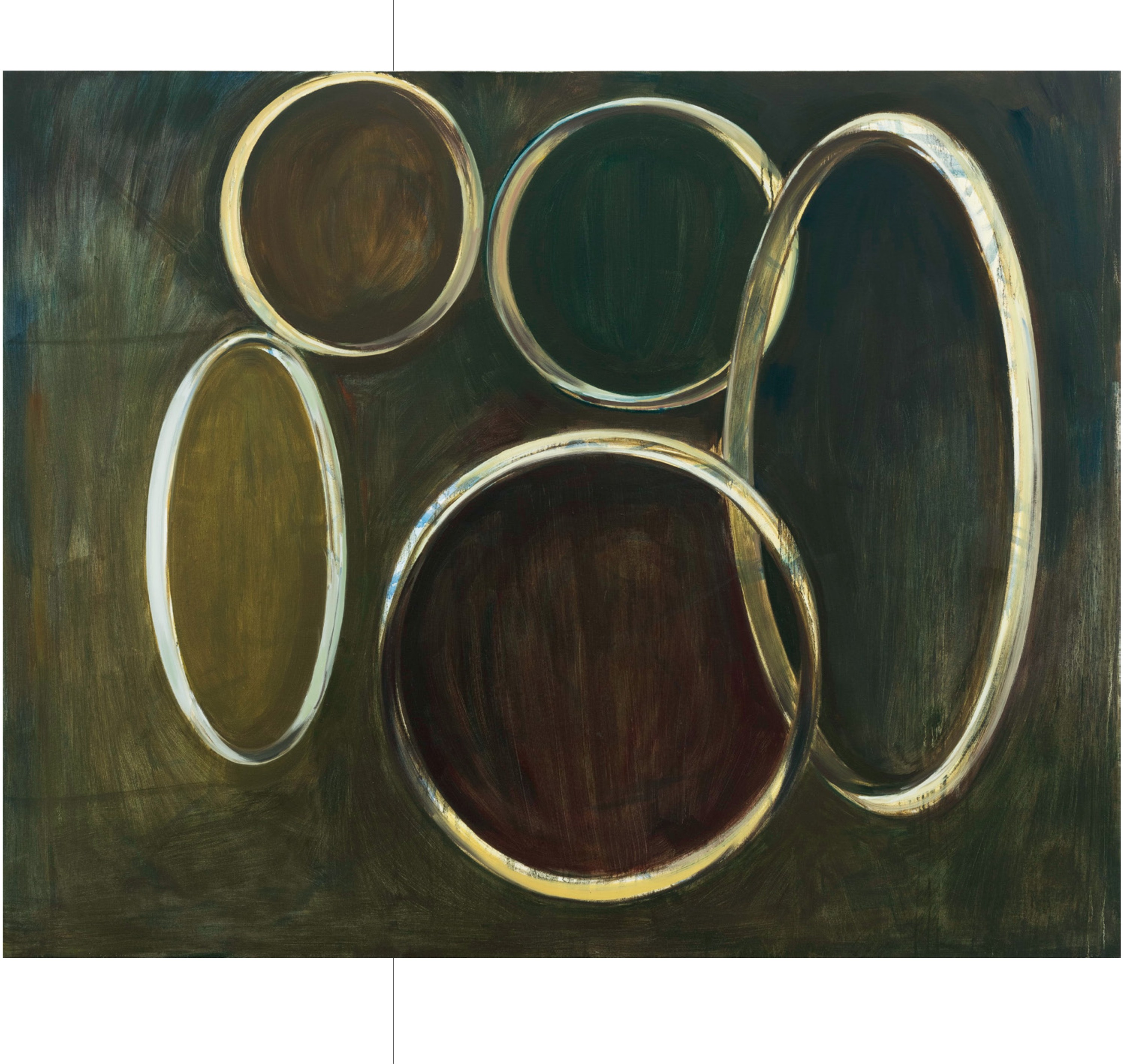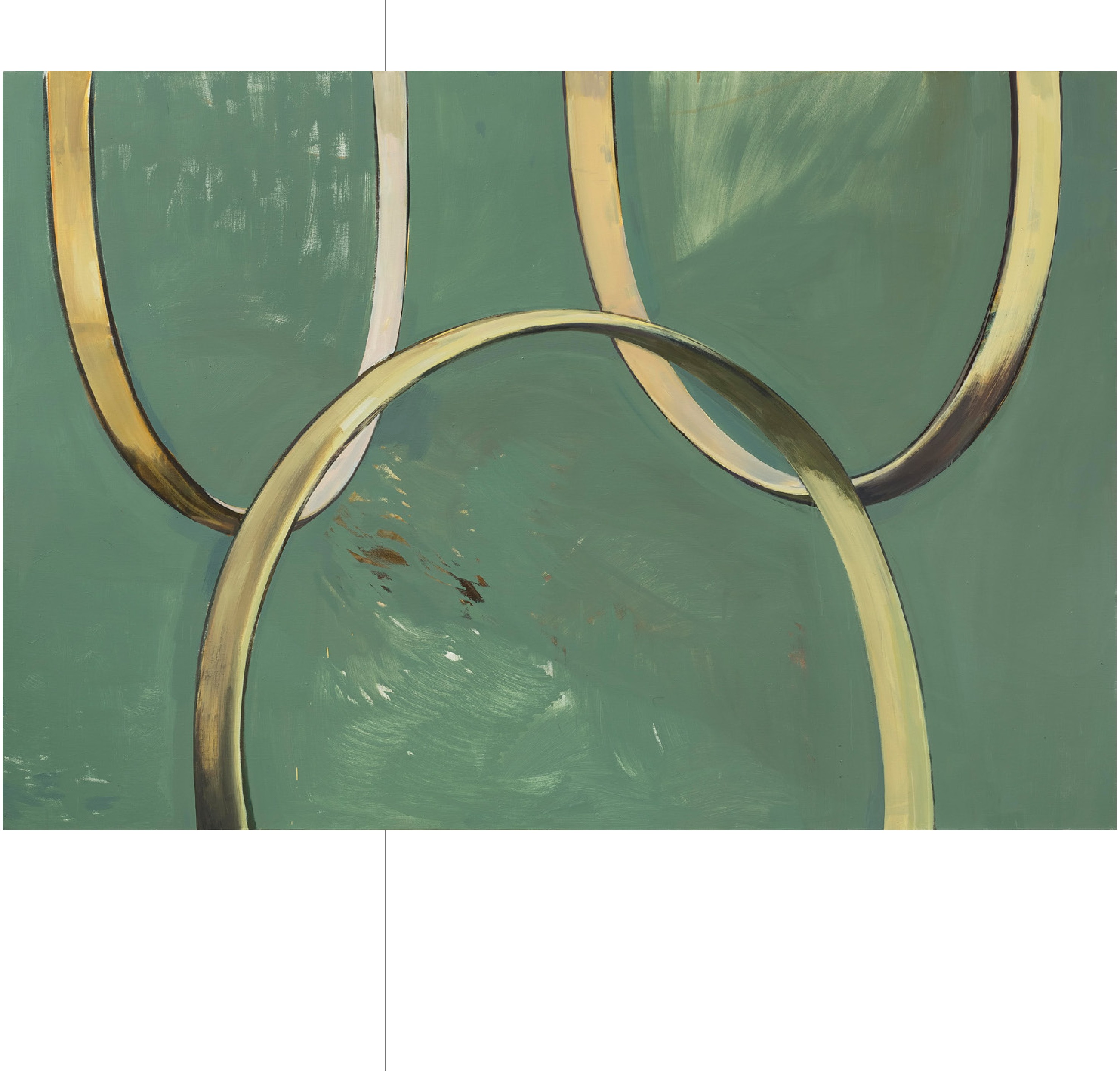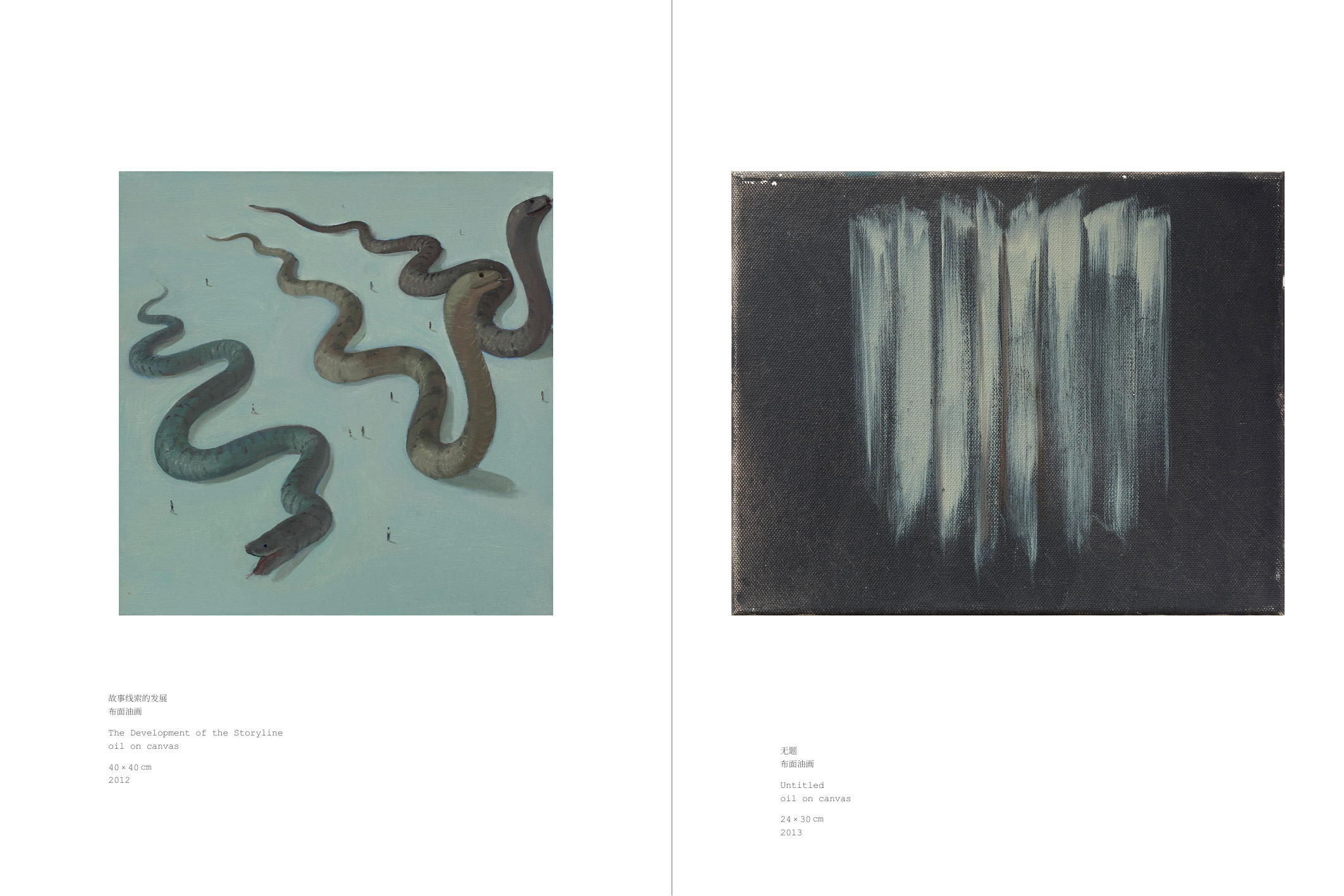
个人作品集
展览信息
前言Introduction
I have taken a particular interest in Jose Luis Borges' novel The Garden of Forking Paths. The openness and peculiar composition of the text is reminiscent of a mystery novel, while at the same time resembling a sincere confession. In 2011, I started a five-year project The Garden of Forking Paths where three phases are developed. Centered Borges’ same-title novel, my practice in each phase is conveyed by a distinct identity. The first phase is the part titled The Garden of Forking Paths — Reader. In this phase, I take on the perspective of a reader in order to get to know the literary text itself. I examine how, through the process of reading, the text transforms into a visual image within the reader's mind, and reveals the implications embedded in the body of the text. The second phase is titled The Garden of Forking Paths — Critic. It's a fictional account of me being a “literary critic” and performing a comparative study, using methods of psychoanalysis and social studies to rediscover how textual narration is constructed, as well as the relation between the
(ancient and traditional) innate narrative abilities of both textual narration and painting. The third phase of the project is called The Garden of Forking Paths — Author where I equate myself to “the author”
(i.e. Borges) of the novel. I imagined how “the author” should deal with this literary parable, restored and reestablished the creative intentions and process as a reflection on the mechanism of artistic inspiration. Reading lays foundation for my artistic creation. Literature, history, and philosophy are results of human comprehension of the world and in sense often parallel to the art. The aforementioned textual forms are abstract narrations, whereas painting is a concrete fiction. Painting uses a method of fabrication to conjure up a world from scratch onto an empty canvas. This process is similar to that of metaphorizing: choosing a concrete word to refer to an alternative, underlying meaning. Texts act as alternative narrative accounts of the world. Often, they are also fictional, or derivative of mankind's logic. Such textual narration has become the object of my study: a painterly/pictorial fiction focusing on textual fiction as its object of study.
阅读是我艺术创作的一个源泉。文学、历史、哲学作为人类对世界的理解,常常与艺术不谋而合。这些文本形式是抽象的叙述,绘画则是具体的虚构,绘画是以虚构的方式,在空白的画布上,从无到有地建构一个世界,这个过程类似于比喻,以一个具体的词,比喻另外一个含义。文本作为对世界的另外一种叙述,它常常也是虚构的,或者人的逻辑的衍化,而这个文本叙述,就成为我的研究对象,绘画的虚构对文本的虚构的研究。我对博尔赫斯的小说《小径分岔的花园》有特别的兴趣,文本特殊的虚构方式和它的开放性,就类似一篇悬疑小说同时又像一篇真实的供词。
2011 年,开始了“小径分岔的花园”计划,分为三个阶段,分别以三个不同身份来围绕博尔赫斯的这篇小说来创作,先后在五年里完成。第一阶段是“小径分岔的花园——读者”部分。这个阶段是我以读者的角度,来认识文学文本本身: 在阅读过程里,文本如何转变成读者脑中的视觉图像,同时小说又如何展现文字内容的含义。第二阶段“小径分岔的花园——评论”部分虚构我是某个“文学评论家”来比较性地研究。以精神分析学、社会学等方式,重新发现文本叙事如何构建,以及文本叙事和绘画(古老而传统的)叙事能力的关系。第三阶段小径分岔的花园——作家”部分,虚构我就是小说“作家本人”
博尔赫斯)。“作家”该如何面对这个文学故事,还原、重建“作家”的创作意图、创作过程,以及反思艺术的灵感是如何产生的。
In the table of contents detailing the current project's outline, I reconstructed the process of a “certain person” searching for a “certain book”
in the library. Through an analysis (analogous to the structure of The Night Ferry ) of such aspects as characters, absurdity, history, appearance, the Nine Wisdoms (umbrella term signifying the multifarious Chinese schools of thought), and space, I rearranged the text into a “visual directory of knowledge.” This table of contents to a “book” found by a certain person serves as the first segment of this art project. The way in which the contents of the “directory” are configured comes from the ideas in the author's head, just as if the “certain all
— encompassing book” from the “library” had been reproduced. However, the current instance is only a confirmation of the existence of its table of contents. What follows this directory are various
“chapters,” which — according to methods decided on by the painter — unfurl a redefinition of details pertaining to the world. The year 2015 witnessed the spawning of a new segment of the project titled “Notes” — a redefinition of the words “allusions,” “space,” and
“grotesqueness.” Through an unceasing process of taking notes, I reinterpreted the three terms and rediscovered their wraithlike existence in art, politics, and literature. The works are results of incessant notetaking and sketching where unnecessary burdens have been removed therefore more concise and relaxed. “Allusions” refers to a series of jokes pertaining to historical narratives. “Space” is a discourse on geometric forms (of both physical and political space) with a thesis of how to simplify the complexity. “Grotesqueness” focuses on the oddness of painting result from dislocation. The works in this segment are part of my interests and my longstanding, continuous explorations responding to encyclopedic art projects.
宇宙存在于意料之外的细节中,或者像明朝张岱的个人百科全书《夜航船》那样,各种全无逻辑的记忆、知识混杂其中,每个词条都有“片面”的认识,构成了他回忆中的世界。或者像博尔赫斯的小说《通天塔图书馆》:一个无限高大的图书馆,人们究其一生寻找某一本代表“所有总和”的书。一个是无所不包的书,一个是无所不包的图书馆,也许那个“某本书”就是类似于夜航船》的一本书。张岱也许就是博尔赫斯小说中说的那个找书人,只不过,这本《夜航船》是自己写出来的。在作品计划“目录”中,我重现了在图书馆里面“某人”寻求“某本书”的过程。通过人物、荒唐、历史、相貌、九流、空间等方面的分析(类似《夜航船》的结构),重组了文本,组成一个视觉的知识目录”。这只是某人刚刚找到“书”的目录部分,即是作为作品计划的第一部分。“目录”内容的设定都是出于作者脑中的观念,就像再现了“图书馆”里的那本包含一切的某本书”,而这次仅仅是对目录的确定。之后就是各个“章节”,我以画家的方式,展开对世界细节的重新定义。在2015 年,新的计划“笔记”是针对“典故”、“空间”、古怪”三个方面做的新的定义,是我在不断做笔记的过程中,重新定义这三个词,重新发现它们在艺术、政治、文学中幽灵般的存在。作品是不断做笔记和草稿的结果,去除了不必要的负担,所以更加简洁而轻松了。“典故”是关于一个个历史的笑话。“空间”是关于几何形式(物理空间的、政治空间的)的讨论——如何把复杂变得简单。古怪”则是关注于绘画当中的错位造成的怪异。这部分的作品是我兴趣的一部分,也是长久以来对百科全书式艺术计划的不断呼应和推进。
The universe exists within unexpected details. In one way it is akin to the personal encyclopedia The Night Ferry compiled by Ming-dynasty scholar Zhang Dai. The book is an amalgam of memories that are devoid of logic, but commingled with learned knowledge throughout. Each entry contains “biased”
understandings yet is a component of the author’s recollected world. Or maybe the universe is Borges'
novel The Library of Babel, which recounts an infinitely tall library in which someone spends his entire life searching for a certain book capsuling the whole bibliotheca. We either have an all-
encompassing book or an all — encompassing library. Perhaps that “certain book” is a book similar to The Night Ferry, maybe Zhang Dai is that book-searcher of whom Borges speaks in his novel, although it is Zhang himself who wrote The Night Ferry.
参展艺术家Artists
作品