存在的层次:图像与灵魂
展览信息
前言Introduction
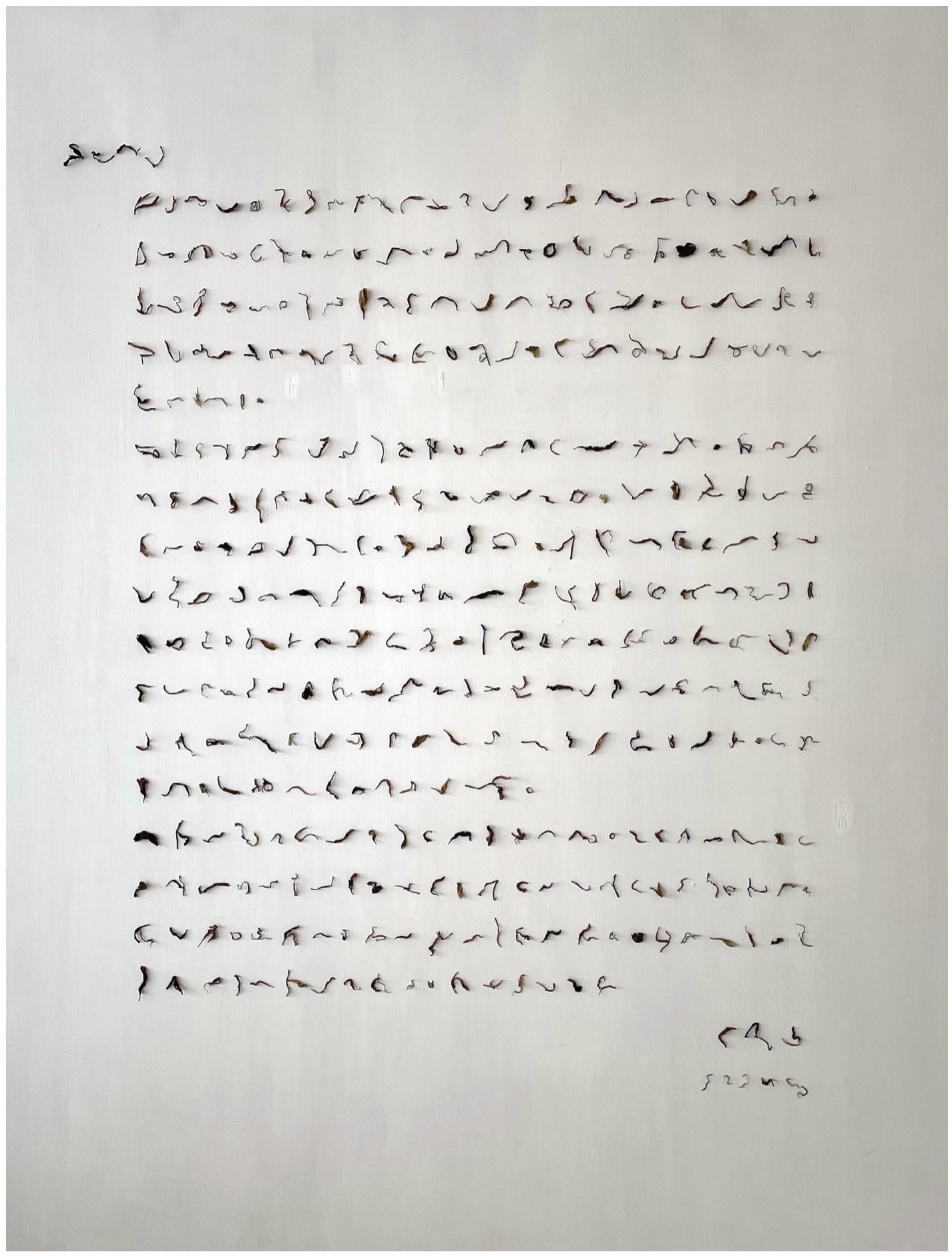
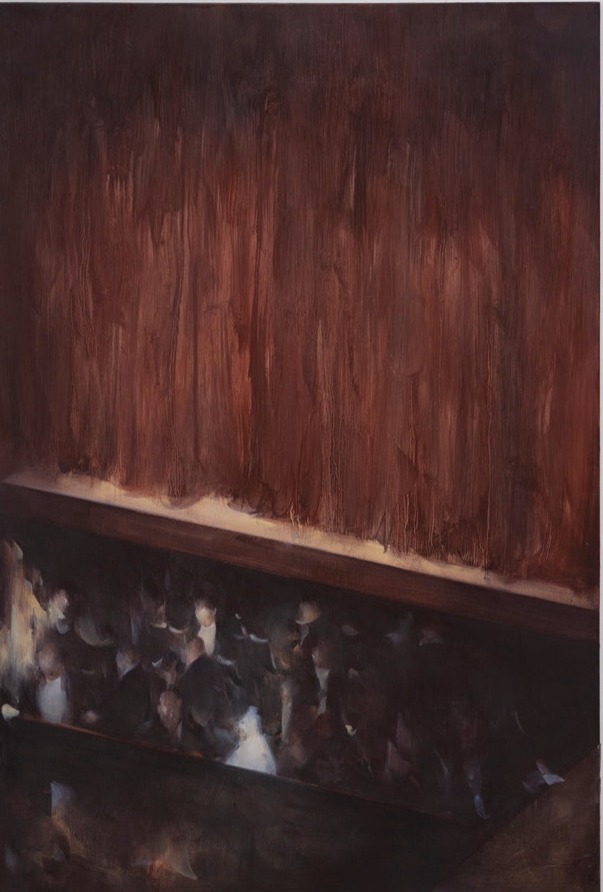
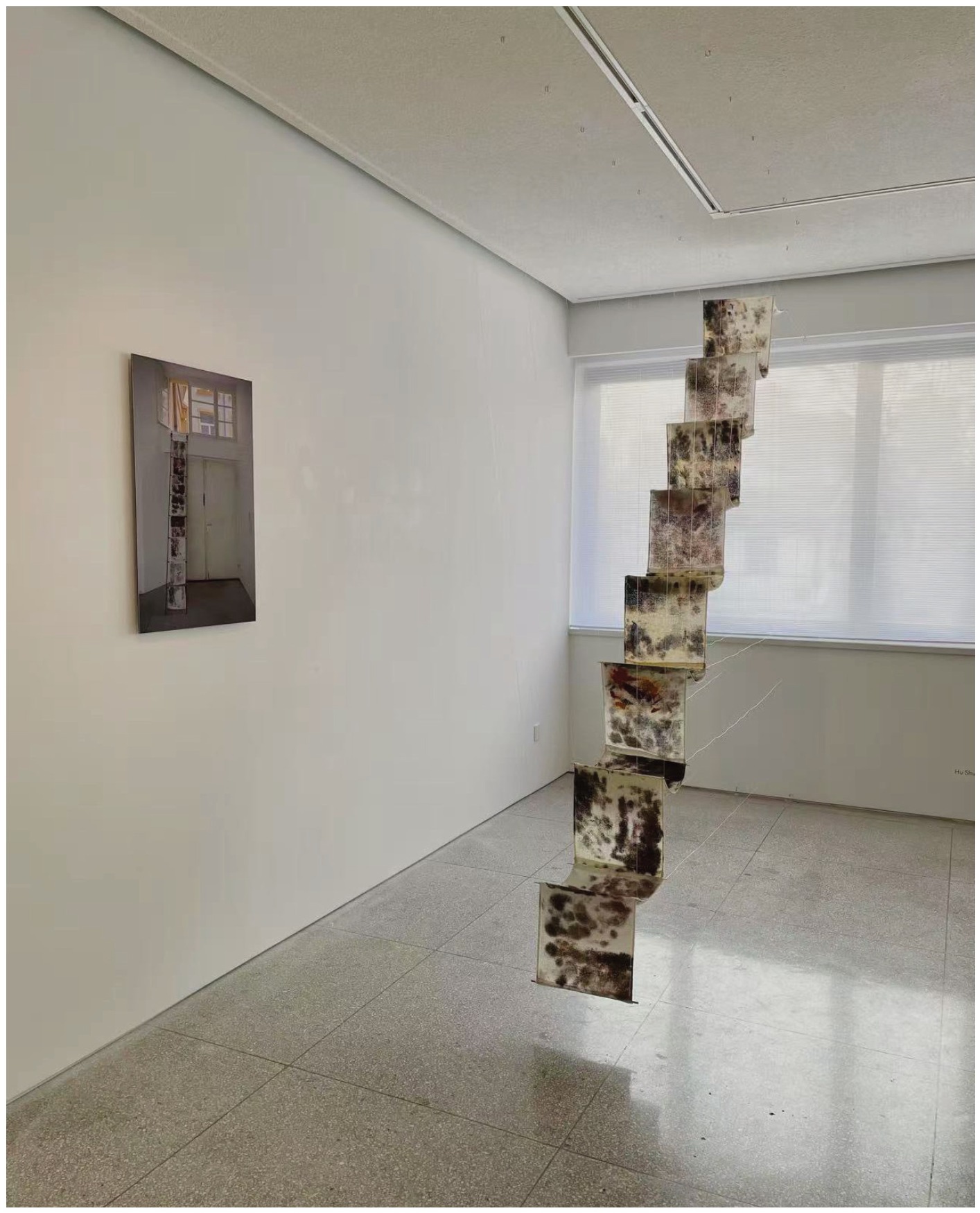
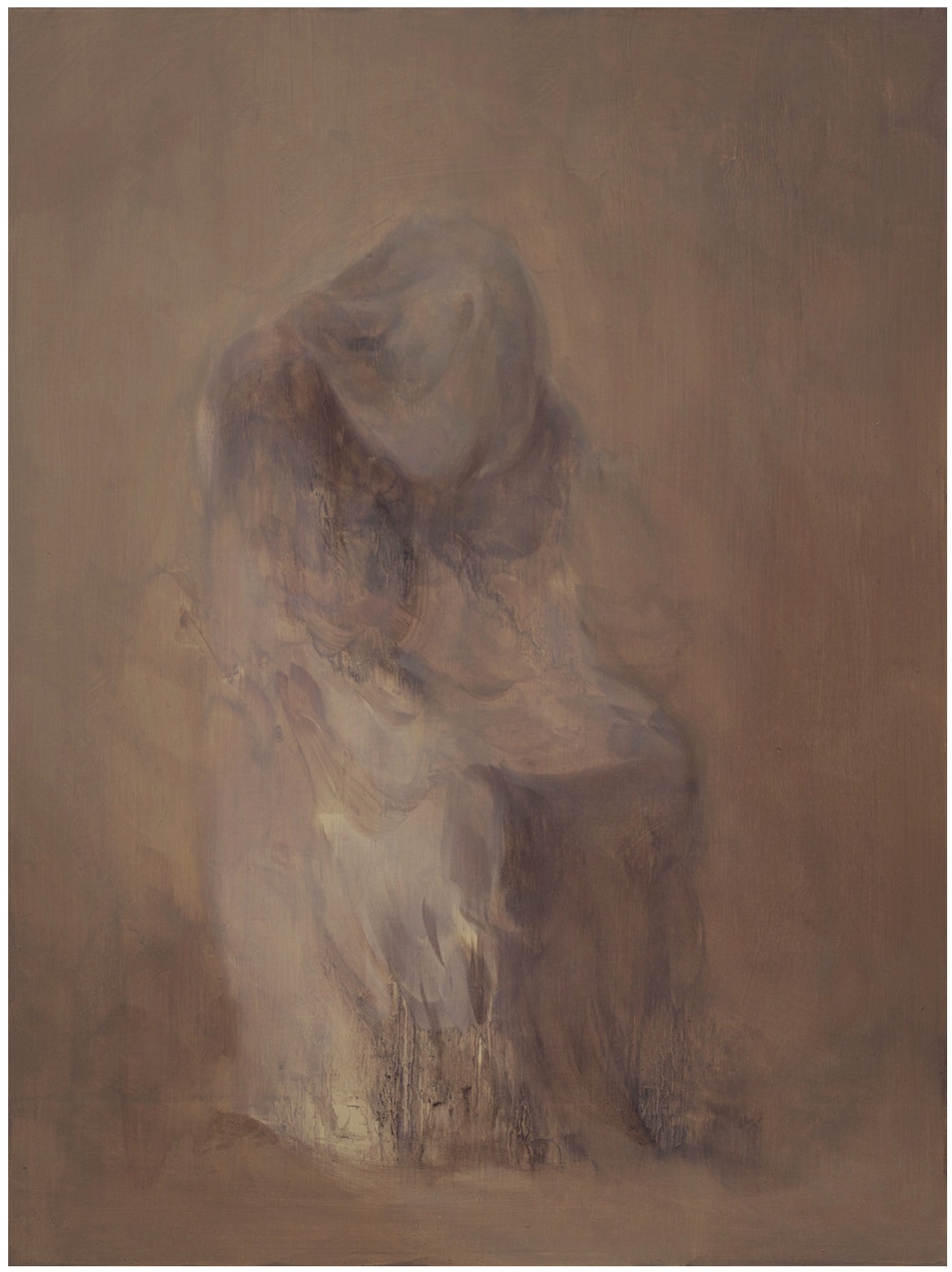
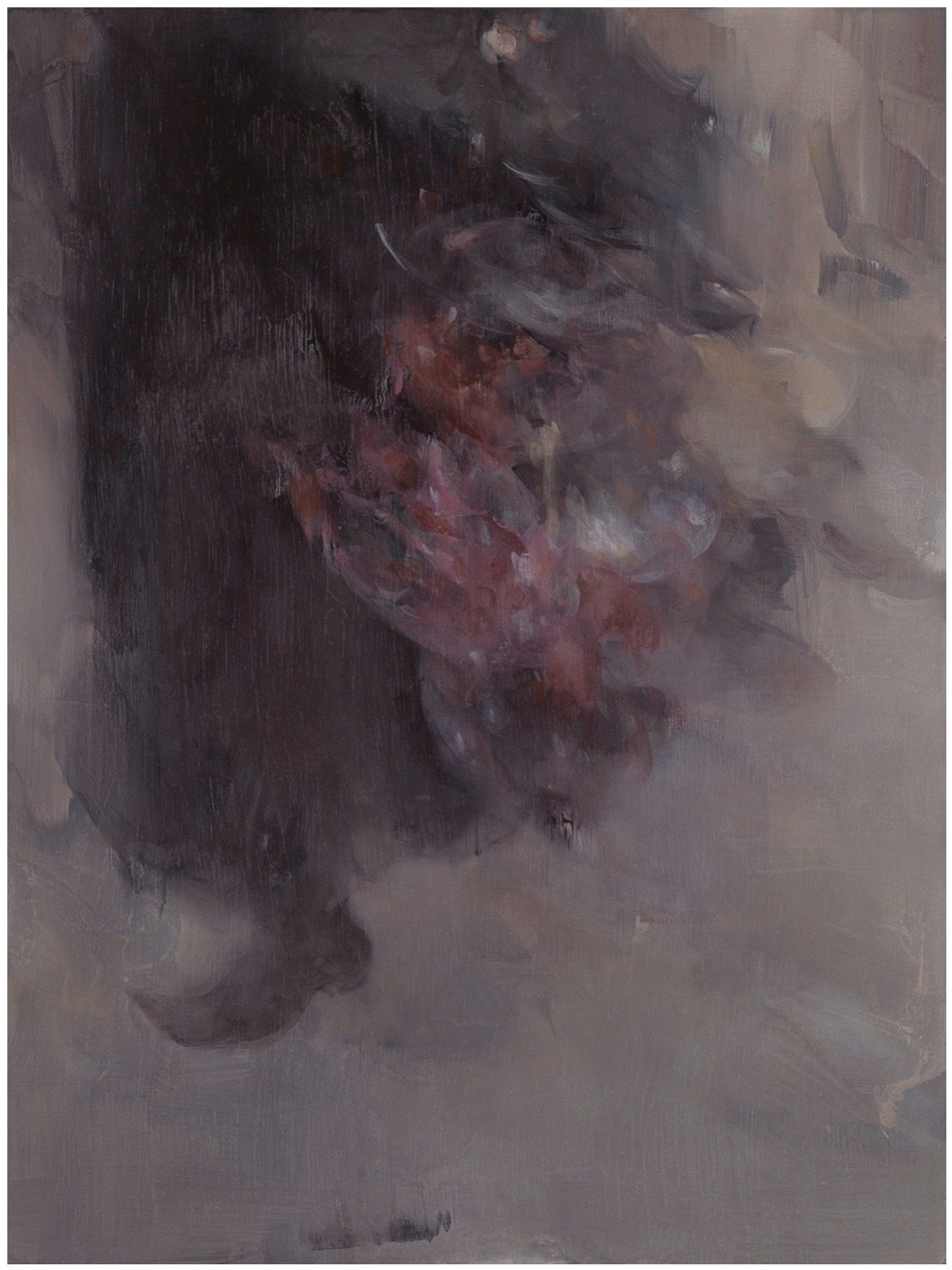
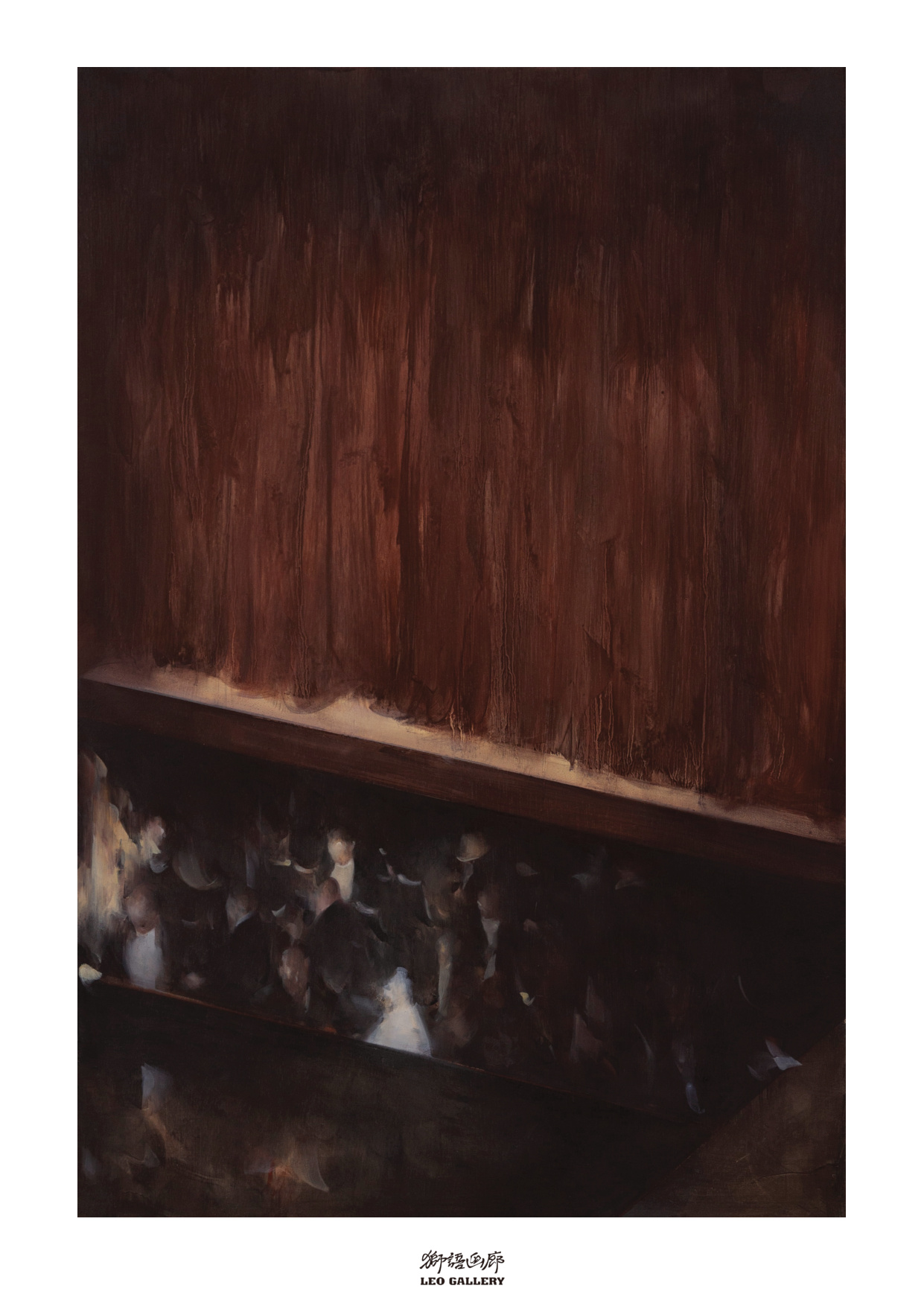
前 言上海狮語画廊的展览《存在的层次:图像与灵魂》首次汇聚了胡顺香、陈鸿志与克莱门斯·克劳斯(Clemens Krauss)三位艺术家的作品。这三位艺术家通过绘画共同探讨了人物形象与身份,揭示了外在形象与人类内在经验本质之间的深刻联系。通过各自独特的肖像和人物创作方式,三位艺术家深入探讨表面与深度、物质性与情感之间的相互作用,展现了身份与存在的细腻层次,并融入层层叠叠的图像特征,结合传统与当代技法,挑战表现的边界。尽管如此,他们的创作方法又各不相同——胡顺香注重内省的细腻与流动性,陈鸿志通过抽象与集体形象的交织,而克莱门斯·克劳斯则通过强烈的心理张力与大胆的表现手法展彰显独特风格。胡顺香的作品以精确与流动之间的微妙平衡为特点。她借鉴中国传统美学与当代技法,将肖像画创作成对身份与时间脆弱性的冥想式反思。她的作品常常聚焦于面部表情与肢体语言的细微差异,哪怕不追求精确的再现,也能捕捉到那些转瞬即逝的脆弱和静谧的内省时刻。胡顺香的画布不仅是形象的呈现,更是一种情感的风景,邀请观者停下脚步,思索表面之下的深意。本次展览中展出的作品源自她最近参与柏林艺术家驻地项目的创作。在此期间,她首次独自在海外生活,深深沉浸到全新的环境与她的内心世界中。这段内省的经历启发她踏上一段个人的自我发现之旅,现在通过为此次展览策划的作品,她邀请观众一同分享这一旅程。陈鸿志将肖像画视为形态与抽象之间的动态对话。他的作品模糊了现实主义与情感表达之间的界限,人物与面容从层叠的画面中浮现,又融入其中。色彩、阴影与光线的交错,成为了人类情感与知觉复杂性的隐喻。他的创作超越了传统个体肖像的定义,呈现出一种集体表达,捕捉了共同的经历与相互关联的动态。这些群像不仅彼此共生,也与周围环境形成深刻的联系,创造出一种集体存在与集体态度的强烈感受。他们的面容和特征并不清晰可辨,艺术家常用鸟瞰视角,从某一距离描绘人物,将他们置于广阔的景观和场景中,从而突显景物的宏伟和人类存在的微小。
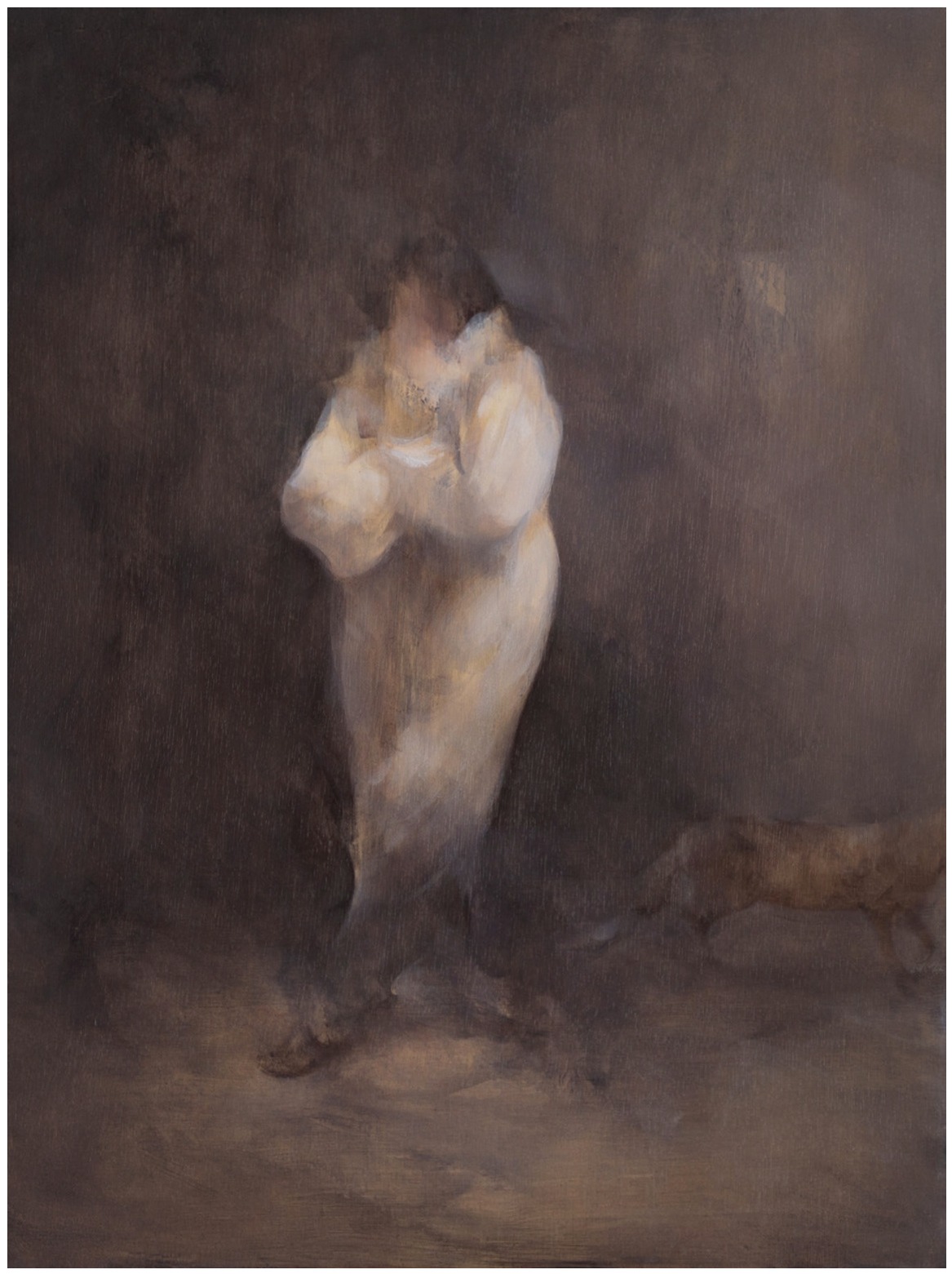
与胡顺香和陈鸿志更为内省、空灵的作品风格不同,克莱门斯·克劳斯为本次展览带来了强烈的心理张力。作为一位生活在柏林的德奥双籍艺术家,他通过富有表现力的笔触与大胆的构图,探索身份、脆弱与人类境遇等主题。他的肖像画不仅仅是外在形象的再现,更深入探讨了人物的情感与心理层面。克莱门斯·克劳斯常常将人体作为创作的主体和隐喻,揭示外在表现与内在经验之间的张力。他的作品挑战观众直面自我认知与社会期望之间的脆弱界限,在画布上呈现出脆弱与力量共存的张力空间。艺术家曾于2016 年在成都当代美术馆举办个展,并于2019 至2020 年参与了奥地利驻上海艺术家计划。这些经历成为他个人叙事和绘画风格的重要组成部分,丰富了他对文化交流、身份认同和个人经历的思考。《存在的层次:图像与灵魂》成为了不同世界的交汇点,每种文化都带来了独特的历史、哲学和视觉语言。在这次展览中,这些文化并非对立,而是相互交织、相互滋养,创造了一个超越地理边界的身份认同空间。胡顺香、陈鸿志和克莱门斯·克劳斯的作品,共同构成了一场跨文化的对话,打破了语言和文化的障碍,提供了一种关涉艺术化的人性的共通语言。《存在的层次:图像与灵魂》邀请观众不仅去“看见”图像,更去“感受”每一笔画背后的灵魂,从而加深对“被看见”,“被感受”
与“被理解”这一主题的深刻理解。撰文 / 特蕾莎·德·阿鲁达
FOREWORD The exhibition Layers of Being: Image and Soul conceived for the Leo Gallery in Shanghai brings together for the first time the works of three artists united in their shared exploration of the human figure and identity through painting—Hu Shunxiang, Chen Hongzhi, and Clemens Krauss—to explore the profound connection between the external image and the internal essence of human experience. Through their distinct approaches to portraiture and figuration, the artists delve into the interplay of surface and depth, physicality and emotion, revealing intimate layers of identity and being involved in layers of pictorical features while blending traditional and contemporary techniques to challenge the boundaries of representation. Yet they diverge in their approaches—Hu through introspective subtlety and fluidity, Chen via the interplay of abstraction and collective representation, and Krauss with raw psychological intensity and bold expression. Hu Shunxiang's paintings are characterized by their delicate balance between precision and fluidity. Drawing from traditional Chinese aesthetics and contemporary techniques, Hu constructs portraits that act as meditative reflections on the fragility of identity and time. Her work often focuses on the subtleties of facial expressions and body language representing then even in a non precise way, capturing fleeting moments of vulnerability and quiet introspection. Hu's canvases are not merely representations but emotional landscapes where the viewer is invited to pause and contemplate the depth beneath the surface. The works presented in this exhibition stem from her recent participation in an artist-in-residence program in Berlin. For the first time, she experienced being alone abroad, deeply immersed in both her new surroundings and her inner world. This period of introspection sparked an intimate journey of self-discovery, which she now invites us to share through her art conceived for this exhibition. Chen Hongzhi approaches portraiture as a dynamic dialogue between form and abstraction. His works blur the boundaries between realism and emotional expression, where figures and faces emerge from—and dissolve into—textured, layered surfaces. The interplay of color, shadow, and light in his work becomes a metaphor for the complexity of human emotion and perception. His works transcend the traditional notion of individual portraiture, instead presenting collective representations that capture shared experiences and interconnected dynamics. These groups exist in a state of symbiosis, not only with one another but also with their surroundings, creating a profound sense of collective presence and attitude. Their faces and personal features are not recognizable. The artist often adopts a bird's-eye perspective to portray them from a certain distance, placing human figures within vast landscapes and scenarios. which emphasizes the monumentality and grandeur of the scenery in contrast to the human presence.
Clemens Krauss, in contrast to the more introspective and ethereal qualities of Hu and Chen, brings a raw psychological intensity to the exhibition. The German-Austrian artist based in Berlin explores themes of identity, vulnerability, and the human condition through expressive brushwork and bold compositions. His portraits go beyond physical representation, delving into the emotional and psychological layers of his subjects. Krauss often portrays the human body as both subject and metaphor, exposing the tension between external appearance and internal experience. His works challenge viewers to confront the fragile boundaries between self-perception and societal expectations, creating a space where vulnerability and strength coexist on the canvas. The artist held a solo exhibition in 2016 at the Museum of Contemporary Art Chengdu and participated as invited artist in the Austrian Art Residency Program in Shanghai (2019/20). These experiences are part of his pictorial, biographical approach, enriching his work with reflections on cultural exchange, identity, and personal narrative. Layers of Being: Image and Soul serves as a meeting point between worlds each bringing distinct histories, philosophies, and visual languages. In this exhibition, these cultural approaches do not stand in opposition but instead enrich one another, creating a space where identity transcends geographical borders. Together, the paintings by Hu Shunxiang, Chen Hongzhi and Clemens Krauss create a cross-cultural dialogue that transcends linguistic and cultural barriers, offering a shared language of artistic humanity. Layers of Being: Image and Soul invites viewers to not only see the image but to feel the soul behind each brushstroke, fostering a deeper understanding of what it means to be seen, felt, and understood. Text / Tereza de Arruda
The residency in Berlin, before departure, was elsewhere, but upon arrival, it became here. Milan Kundera said, “When life is elsewhere, it is a dream, art, poetry. But when elsewhere becomes here, the feeling of sublimity immediately turns into the other side of life : cruelty .”
This series of works is more like a brief memoir of Berlin, a quick record before I forget the subtle emotions. The works created during my residency in Berlin and this section of works form the two sides of a coin. For me, the creations during my residency in Berlin were more like “living elsewhere,”It is more of an intense longing arising from unfamiliarity. while this part of the work reflects on Berlin life as “here,” no longer viewing myself as an outsider. When you are elsewhere, you only focus on moving forward, with no time to notice; but here, you re-experience the complexity of life.
柏林的驻留生活,出发前是别处,抵达后,则变成了此处。米兰昆德拉说:“当生活在别处时,那是梦,是艺术,是诗。而当别处一旦变为此处,崇高感随即便变为生活的另一面:残酷。”
这一个系列的作品更像是一个简短的柏林回忆录,在我还未遗忘细微的情绪前一种快速的记录;柏林驻留期间的作品和这部分作品构成了硬币的正反面,对我而言,柏林驻留期间的创作更像是“生活在别处”,更多的是因陌生而产生的热烈渴望;而这部分作品则是不再把自己作为局人之后重新回看柏林生活的此处。在别处时你只顾着往前跑,无暇顾及;在此处却重新收获生活的复杂性。生活在此处生活在此处艺术家自述 Artist's Statement Living Here Living Here
参展艺术家Artists
作品