管玉艺术家档案
展览信息
前言Introduction
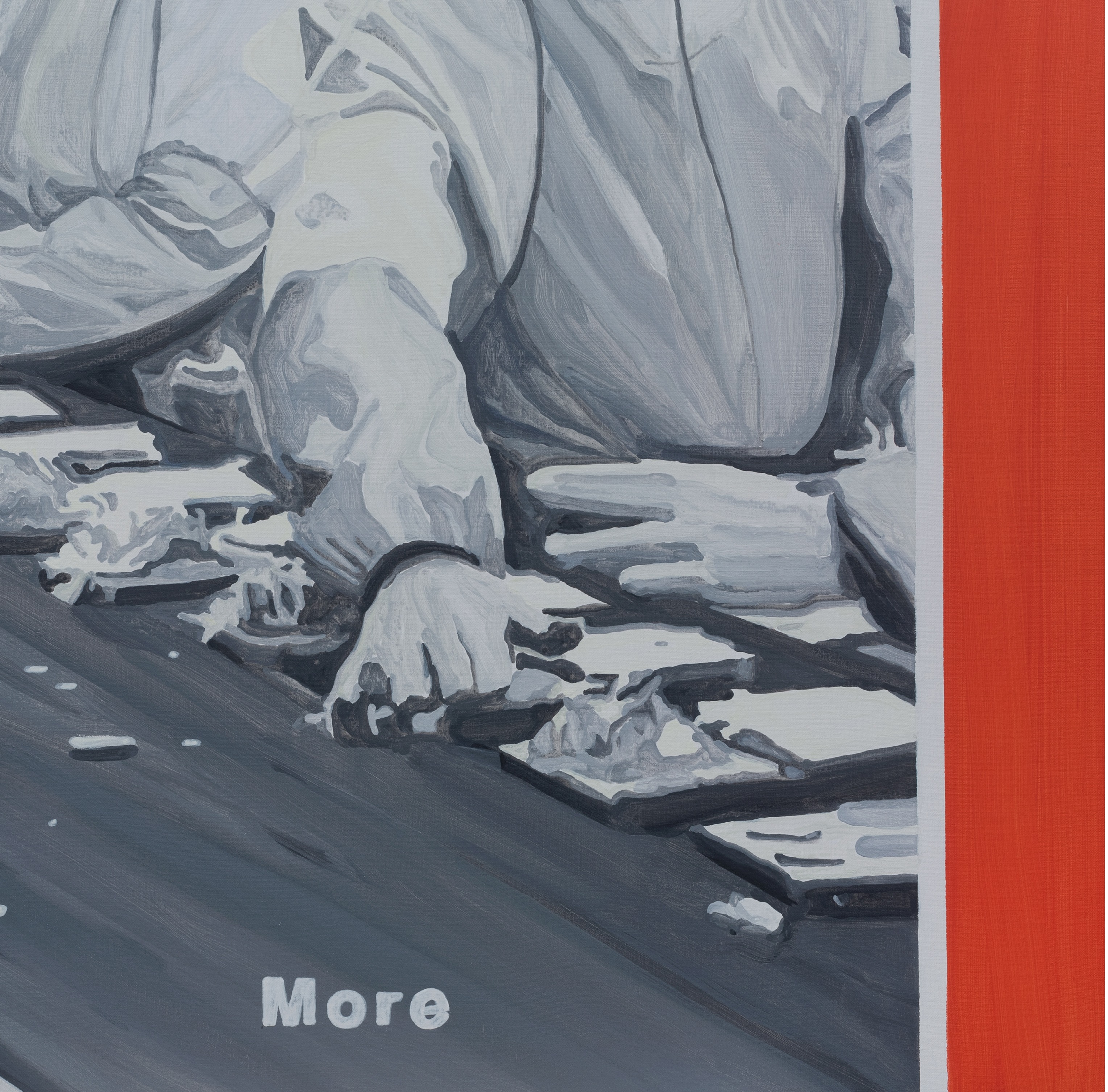
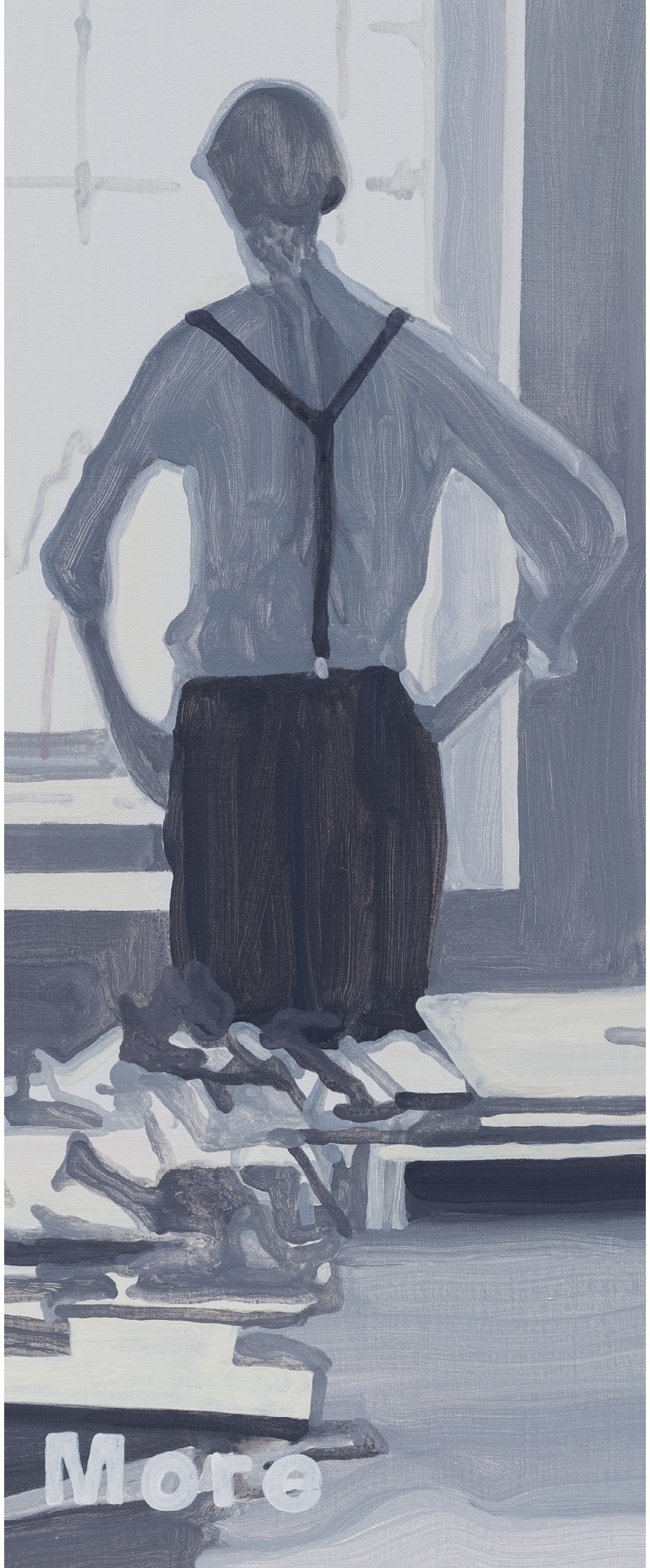
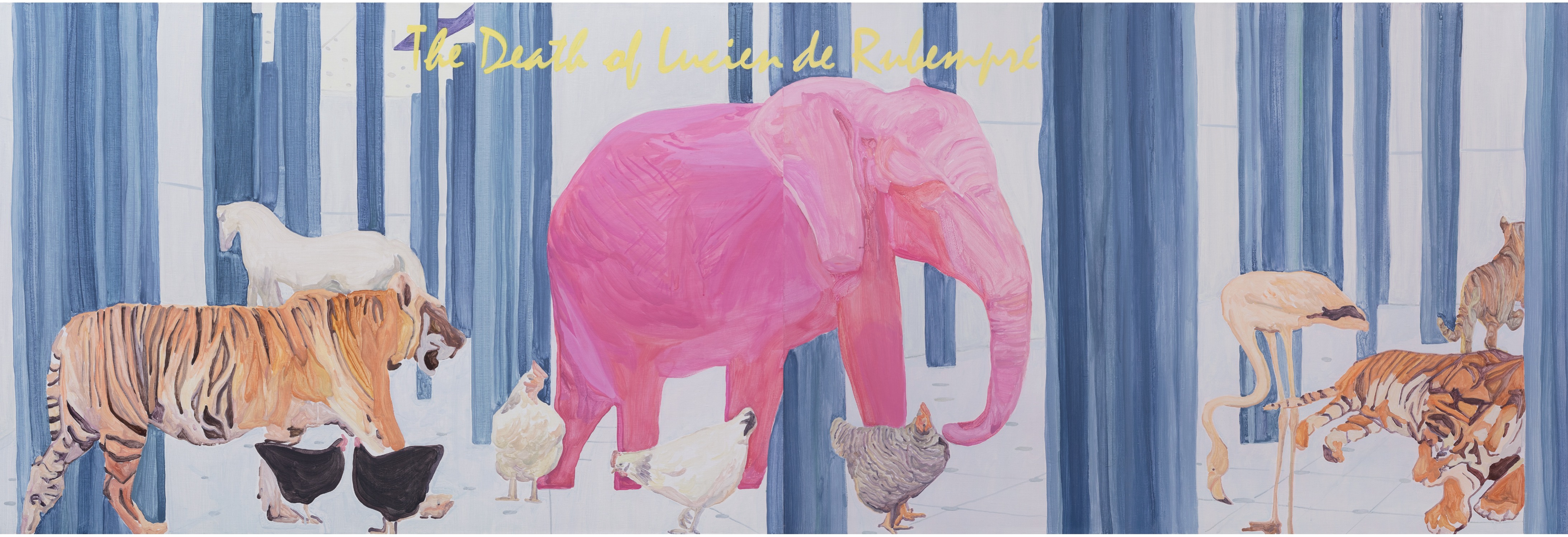
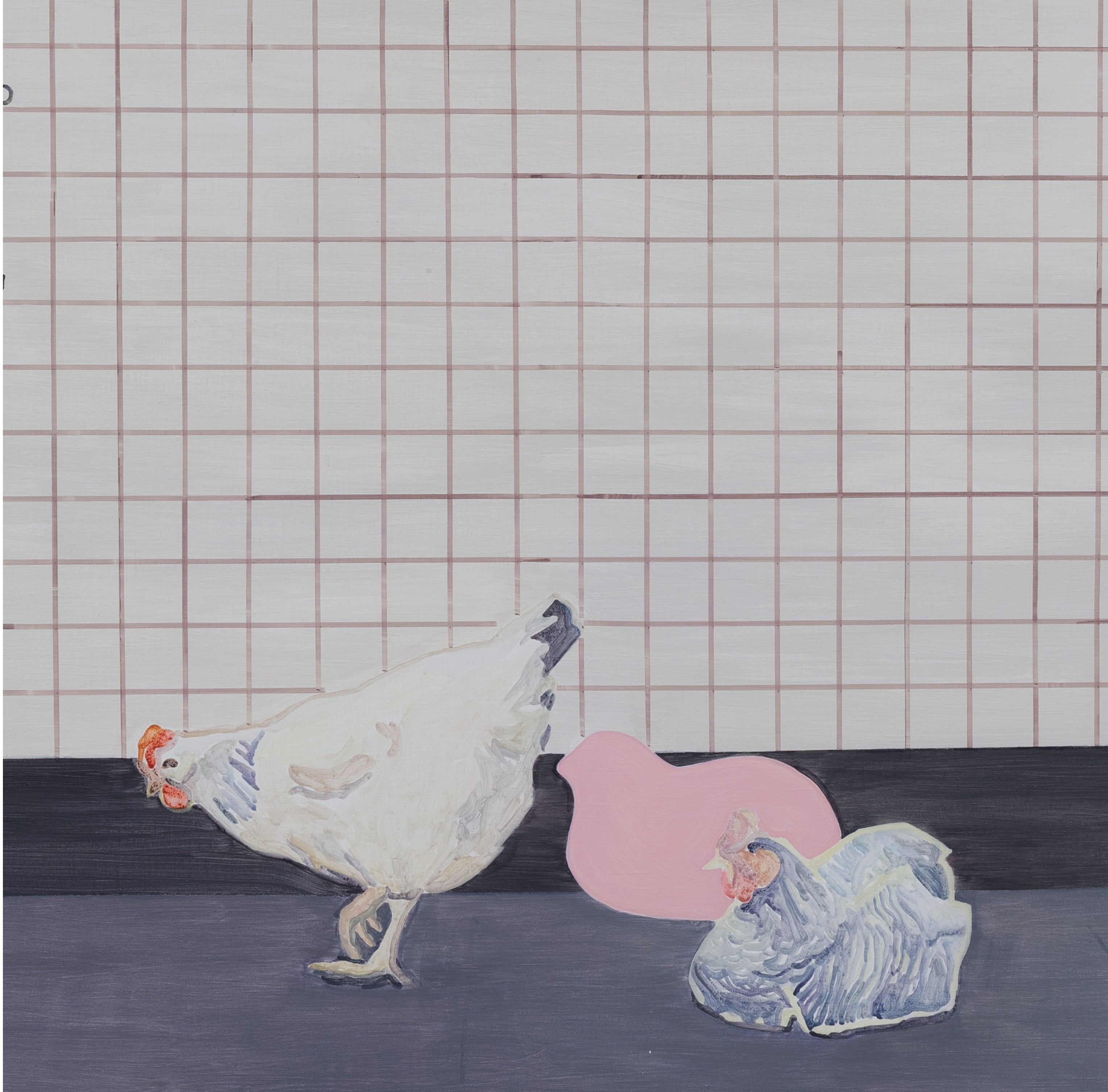
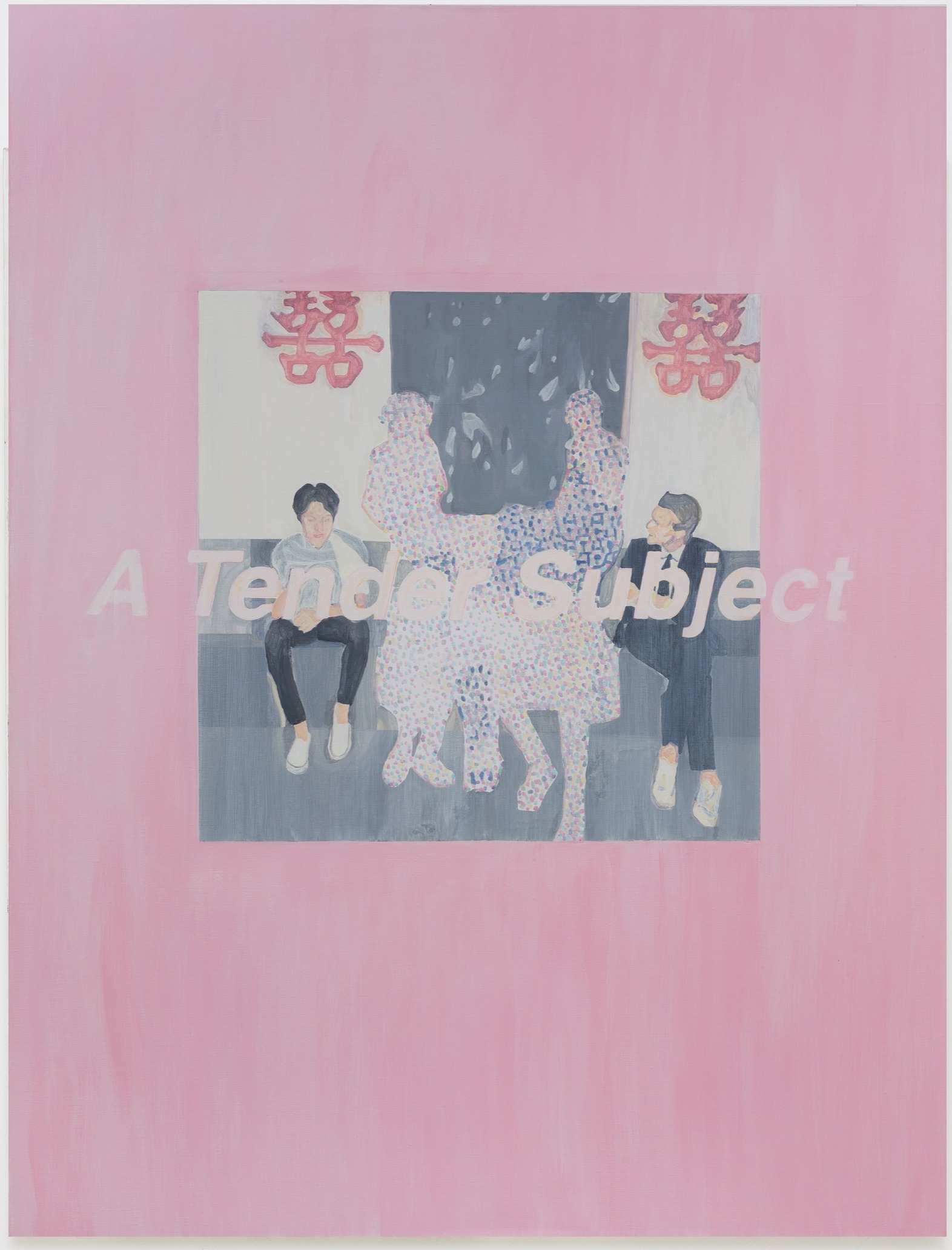
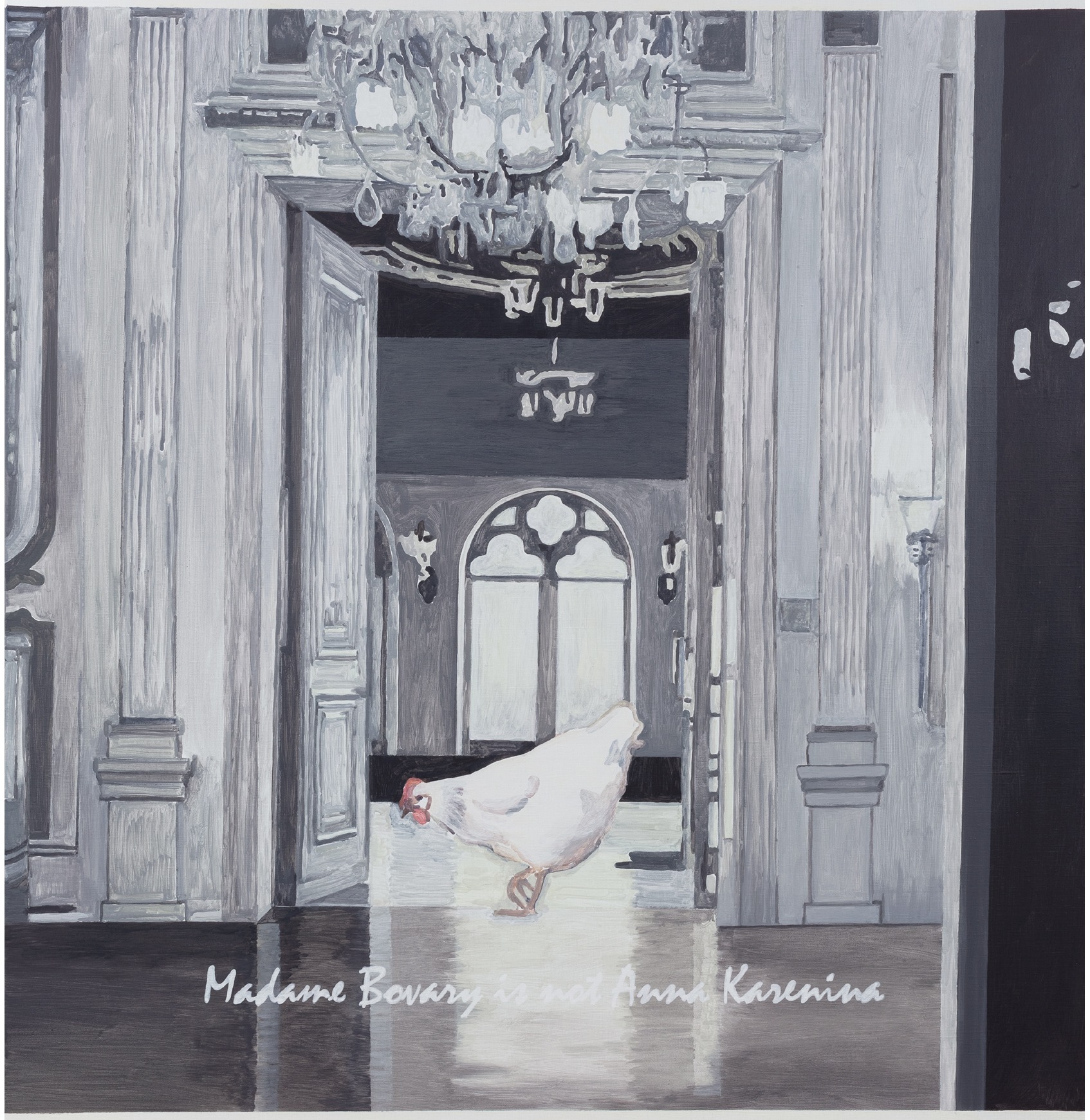
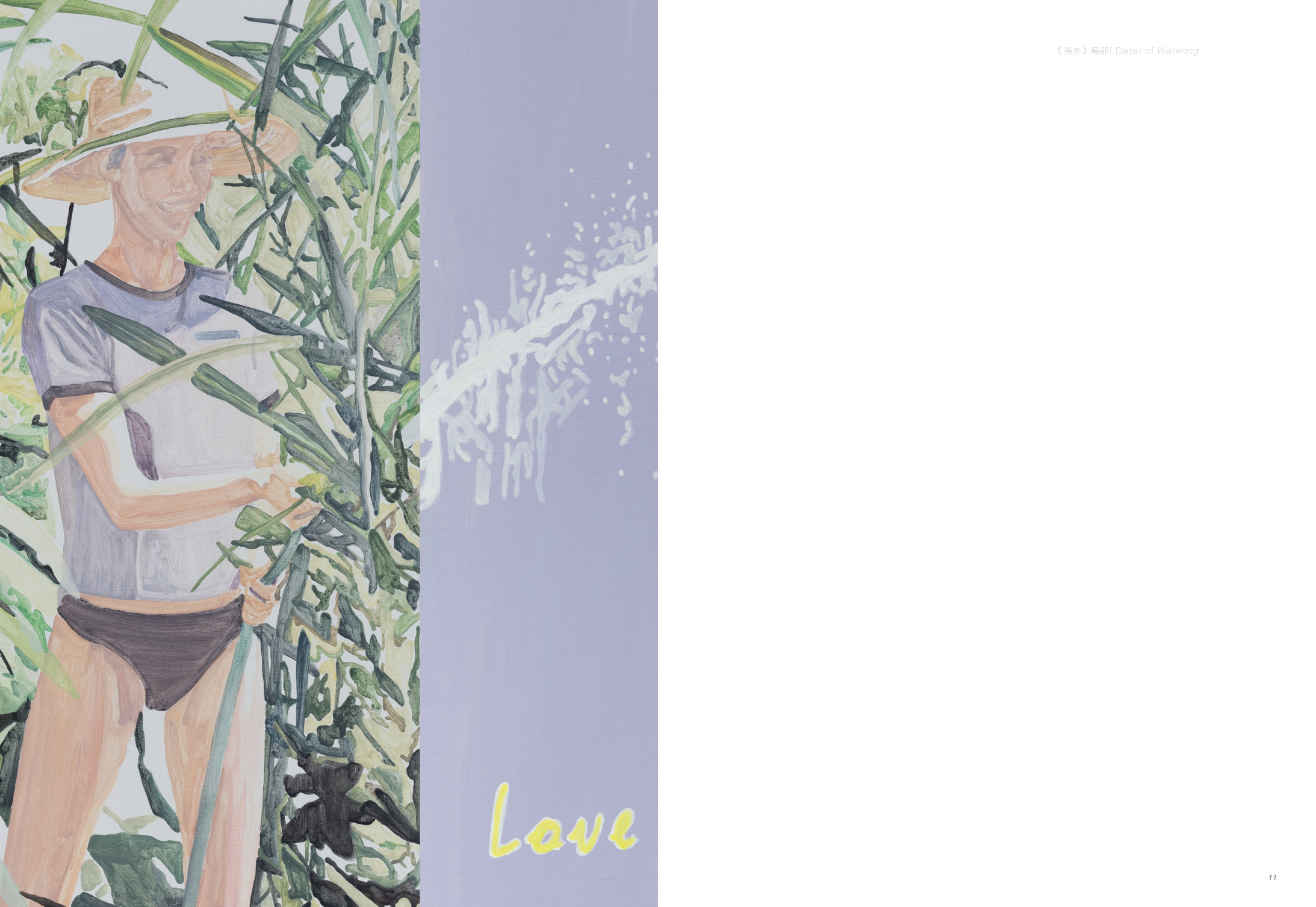
柔软的钩子——管玉的绘画杨鉴语言相对性(linguistic relativity) 很难被证明或者证伪。这个上世纪初期的假说认为,母语或多或少地影响着人对世界的认识,同样人的认识也受制于母语。这里的语言可以是具有双重性的,一方面是指常态下的人类语言,另一方面则是指艺术语言。管玉的母语是中文,艺术上的母语是绘画,艺术家内心当中对这二者的反复定位,塑造了艺术家现在的创作形态。无论何种语言,都会在对话中激活出漫无边际的意义的可能性,然而在说出口的瞬间,仅仅是挑选了其中的一个,其它的信息就挥发在空气当中,被风吹散。绘画艺术相对于语言,在表达上呈现的更像是一个意义团,没有声带共振就没有了语序,也就打破了线性时间局限,能保留一些情感与意识中被语言剔除掉了的不确定性。在这基础上绘画是一种情感损耗极低,能够直接作用于材质,能使其作为物的表征的方式,去实现一种结果不甚明确的游移,使材质本身堆砌成为一个内部自持的感性共同体,又或者只是一个松散却迷人的未知,一个艺术家对世界的看法。或许正是由于绘画的这种的特质,才将管玉从情感会在技术与协作当中产生折损变异的影像、声音、装置创作当中召回,然而就如同有着异国居住经历的人回到故土之后继续生活,会对回归后的生活有着更加明确的向往和要求,也必须用母语之外的语言去弥补一些具有多意性的表达,一些由她自己撕开的表达缝隙。艺术家工作的一部分就是不断地冒犯自身已熟知的事物,而这种质疑往往不能只是停留在态度层面,而是要在艺术生产当中去回应,并且竭力避免不让艺术成为意义与有目的工具。管玉的画面当中或多或少的出现英文,这种选择对于一个主要成长经历在国内的艺术家而言无疑会招来质疑。其实对于英文词句在画面当中的出现正是由于艺术家对中文文字的尊重和了解,即使最终是由英文书写,艺术家也难免掺杂中文的思考逻辑,这些文字像是在两种语言的主体思维当中互相定位撕扯出来的思想结果。艺术家更愿意切换到一个不那么熟悉的语言模式下去考虑并写下这些文字,就像生活当中总有人更容易在非母语交流时袒露内心,因为这种不熟悉会让人放下忌惮与枷锁,表达变得勇敢。画面当中出现的英文词句本身是艺术家心里能量结构的一种转换,这些文字饱有一种纪念感,和一种可铭记的质地。对于观者而言,在观看当中增加一次转译,更能进入多意的空间,置入个人经营。这种思考同时作用了管玉对于绘画内部问题的看法。管玉的画面具有寓言与童话色彩,大量的感情都被压缩在画面中具体物上。这些具体物最初在艺术家思考时都确有具体的喻指和图像自身的主体观念,随着与之相配的其他物像在绘画的时空中或相聚,或偶遇,或移动,或转化的出现,然原本有着情感预设的事物在这个过程中变得不再完全受控于艺术家的知识,自我中心的局限退却,不再是原被赋予的意义,混沌的在作用于某种意图。管玉在画面构图当中果敢地加入了大面积轻薄笔触颜色鲜亮的平面色块,提升了画面的“纯度”,减缓了画布因为承载图像信息而产生的负担,画幅变大情绪被渲染,视觉上则显得更加轻盈,同时截流了落入简单思维定式和浅层共享经验的可能性。出现在画面中的醒目的只言片语,即使只有一个单词,也像是从被敲碎的诗句中摘下来的,不会是注解,更像是充当画面中的一个个先知先觉的角落,让人相信这些寓言与童话都曾真实发生。艺术家希望把自己的绘画表达安放在不可追回的艺术创造与发展的必然进程中,而不是在重新审视个人的偶然经历和私密的昔日时光。这一切像是由寓言展开却显得有童话般的质感,最后读出来是诗。本次展览的中文名是“房间里的大象”,而英文意译是“To be Hungry for Wind”。风来了,大象也就现身了,风是看不见的,大象是不被看见的。英语谚语“房间里的大象”指对显而易见的事物视若无睹,在社会学上被解释为一种合谋性的沉默,从而回避某些恐惧、尴尬、离经叛道。然而沉默却又是一种和谐关系的“潜规则”,避免正面冲突带来的两败俱伤。风是诚实的,不会主动回避障碍物,亲密地触摸对象却又了无生息,拥有一种视觉上不被看见的涉身性特征。管玉想要的或许就是这样的节制、轻盈、真切,却具有触摸感、浸透性的表达。她想同风一样沉浸式地描绘出“大象”却不急于做评价与价值判断,真正被渴望的是风,是触碰本身,这本就是一种具有诗意与调和的言说方式。管玉的表达方式是中性的,作品被期望如同风一样轻盈利落,又是一个柔软的钩子,对狩猎对象充满饥饿感。她深谙作为语言时绘画的多意性,通过对绘画内部与外部问题的控制拿捏着这种隐秘的多意表达。
56
57
It’s hard to prove whether linguistic relativity is true or false. This hypothesis from the early 20th century holds that one’s mother tongue more or less influences his perception of the world; likewise, one’s perception is also restricted by his mother tongue. Language here, with dual meanings, on one hand refers to the human language in the normal state, on the other hand to the artistic language. Chinese is Guan Yu’s mother tongue, while painting is her mother tongue in art. The artist’s repeated positioning of these two within has shaped her artistic creation into what it appears like now. Languages are likely to be activated with infinite meanings during the dialogue. However, only one of those possibilities will be selected to speak out, while the rest evaporates in the air, gone with the wind. Compared with language, the expression of painting is more like a cloud of meanings. Without vocal resonance and thus without word order, the linear time restriction broken and the uncertainty of consciousness eliminated by conversation get preserved. Based on it, painting, extremely low emotion-loss, directly applying on materials and making them into vehicles that can represent objects, is utilized to explore possibilities with uncertain results: the materials are piled up to make a self-possessing sensitive community, or to indicate the loose but charming unknown, or to express the artist’s opinions of the world. Maybe it is precisely this feature of painting that recalls Guan Yu from the making of videos, sound and installation pieces where techniques and collaboration can reduce and change emotions. However, as the returnees with experience of living abroad have more specific aspirations and requirements for the lives back in their motherlands, she has to utilize another language to enrich the expression of multiple meanings, filling in the seam of expression torn by herself. A part of artists’ work is to continuously offend the things known to themselves. They usually can’t just hold a skeptical attitude but have to respond to it via art production and try not to make art a tool to satisfy meanings and purposes. English appearing somewhere in her paintings will cause doubts since she mainly grew up in China. In fact, its appearance is precisely due to the artist’s respect for and understanding of Chinese characters. Though English is written in the paintings eventually, the artist’s thinking logic in Chinese is inevitably mixed with it. These words seem to have been resulted from the positioning and conflict between the subjective thinking of the two languages. The artist would rather shift to a not-so-familiar language mode for thinking and writing, as some people find it easier to communicate frankly not in mother-tongue, because this unfamiliarity will relieve their worries and constraints and give them access to bold expression. The appearance of English phrases and sentences in the painting, commemorative and rememberable, is a transformation of the artist’s energy structure within. The translation made when the audience viewing the works gives them access to spaces A Soft Hook Guan Yu’s Painting By Yang Jian of multiple meanings, and brings in personal engagement. This engagement with multiple meanings also corresponds to Guan Yu’s opinions of the issues on painting. Guan Yu’s painting reveals an atmosphere of fables and fairy tales with exuberant emotions condensed in the concrete objects. Initially in the artist’s conceiving they signify specific things with their own subjective conception. However, as the matching images gather together, or encounter, or move, or transform in the time and space of painting, these objects that conveyed preset emotions are no longer under the fully control of the artist’s cognition, the self-centered restriction receding, but vaguely working on certain intentions. Guan Yu boldly adds a large area of canvas with light brushwork and bright colors to the composition, improving the “purity”
of the painting and easing the canvas’ burden of carrying pictorial information. Also the painting-scale has been enlarged and emotions rendered, visually the painting appears lighter and avoids possibility of falling into simple stereotyped-thinking and superficial experience sharing. The eye-catching phrases in the painting, even just one single word, are like the missing parts of poems. Instead of annotations, they are more of foresight to convince people what the fables and fairy tales depict really happened. The artist hopes to place her painting expression in the irreversible and inevitable process of art creation and history, rather than restage her encounters and privacy. All this seems to unfold from fables but with the tinge of fairy tales, and ultimately the essence of poetry prevails. The title of this exhibition is “ 房间里的大象” (which means “Elephant in the Room” in English), which is free translated into “To be Hungry for Wind” in English. With the wind coming, the elephant appears. The wind is invisible, while the elephant is not to be seen. The English saying “elephant in the room” means that obvious things are ignored and is interpreted in sociology as conspiratorial silence that avoids fear, embarrassment and rebellion. However, silence that avoids losses at both sides caused by head-on confrontation is also a “hidden rule”
for a harmonious relationship. The honest wind never avoiding the obstacles voluntarily and disappearing after intimate touch against them, features embodiment that is not to be seen visually. Maybe what Guan Yu wants is this constrained, light and real but permeable expression with sense of touch. She wants to depict the “elephant”
like the wind but doesn’t rush into assessments or value judgments. In fact, what really being desired here is the wind and the approaching, which is actually a poetic and conciliatory way of speech. Guan Yu’s works, with a neutral way of expression, are expected to be as light and swift as the wind, and to be a soft hook that hungers for preys. She knows the multiple layers of meaning painting could possibly generate and masters this expression of multiple meanings through controlling the issues within and out of the painting.
58
59
参展艺术家Artists
作品